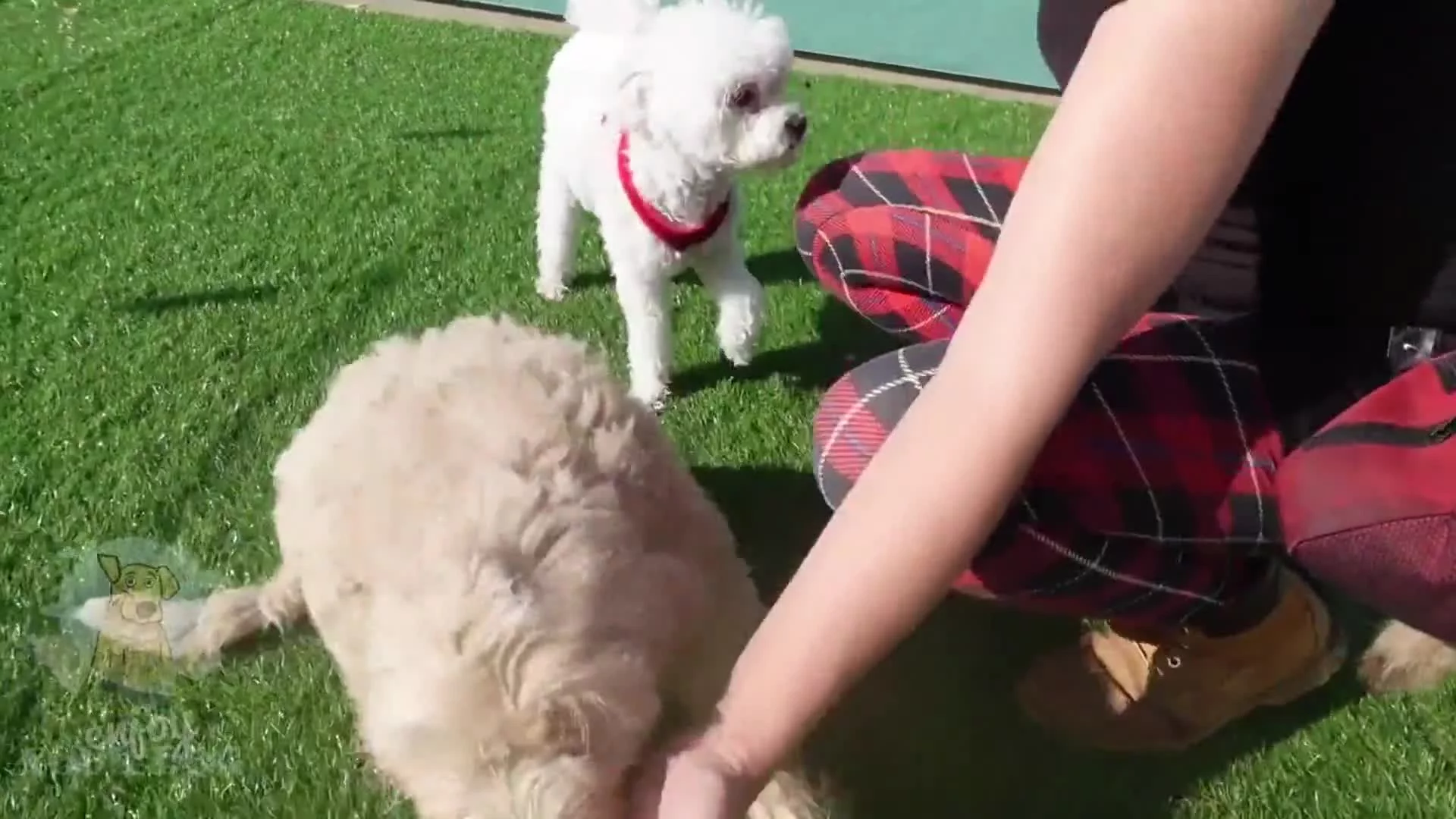
The benefits of hand-feeding dogs as a method to build trust and focus, emphasizing its effectiveness from initial homecoming through the adolescent stage to prevent food-guarding behaviors and reinforce calmness.
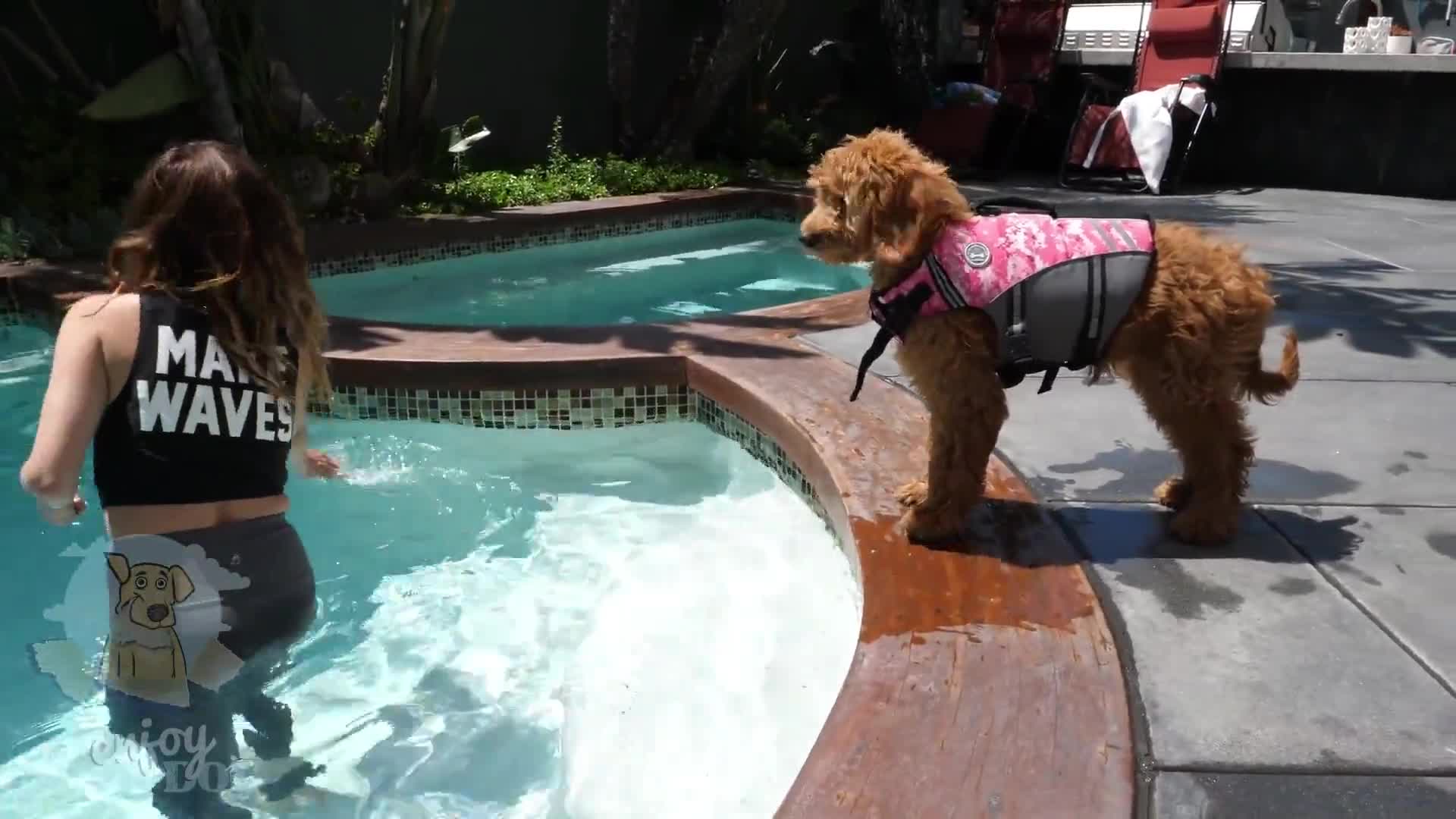
Introducing dogs to water involves starting with damp surfaces, progressing to shallow paddling pools or beaches, and playing with toys.
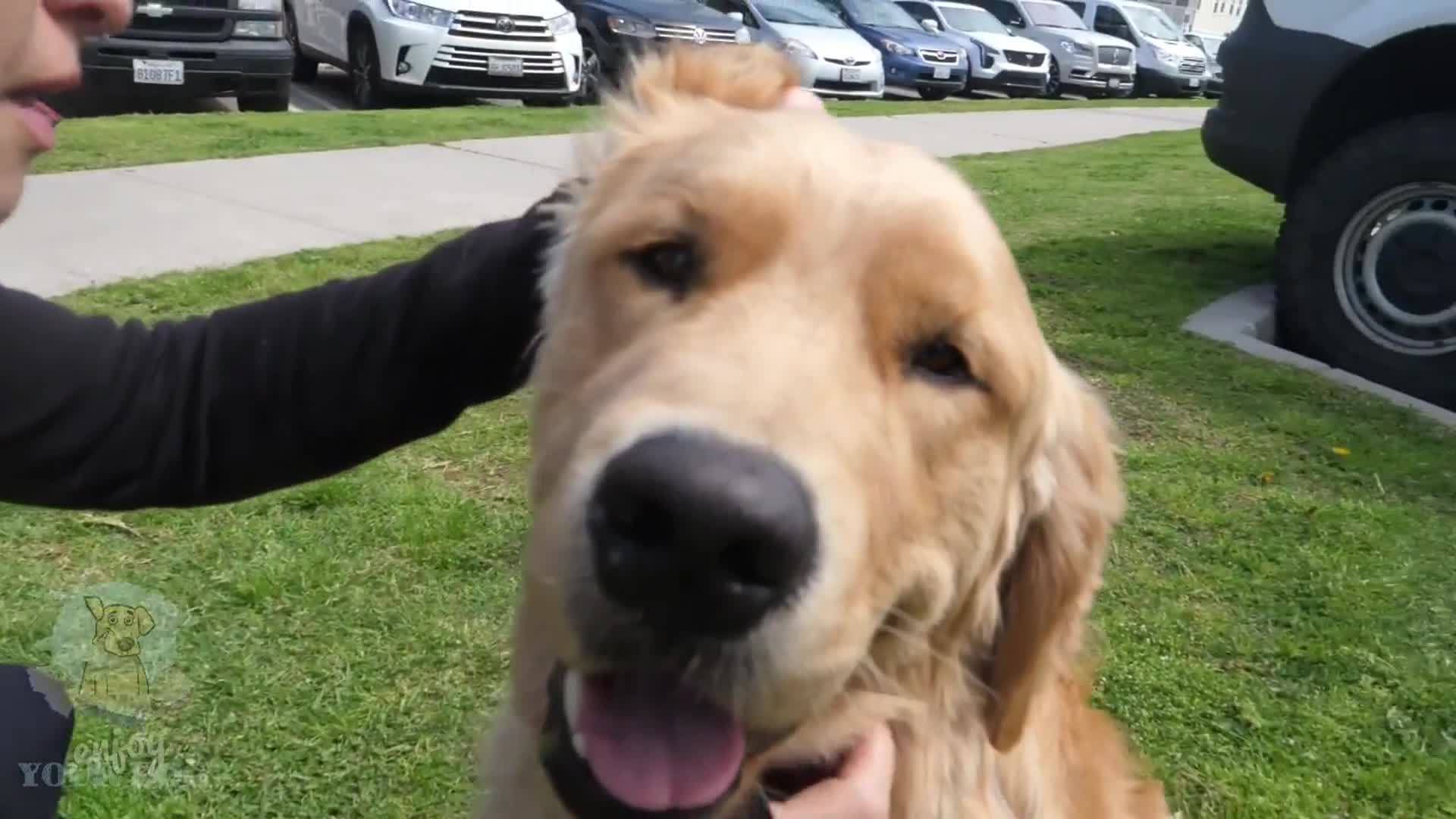
The bucket game trains dogs to handle stress in grooming and vet situations through a treat-based consent mechanism.
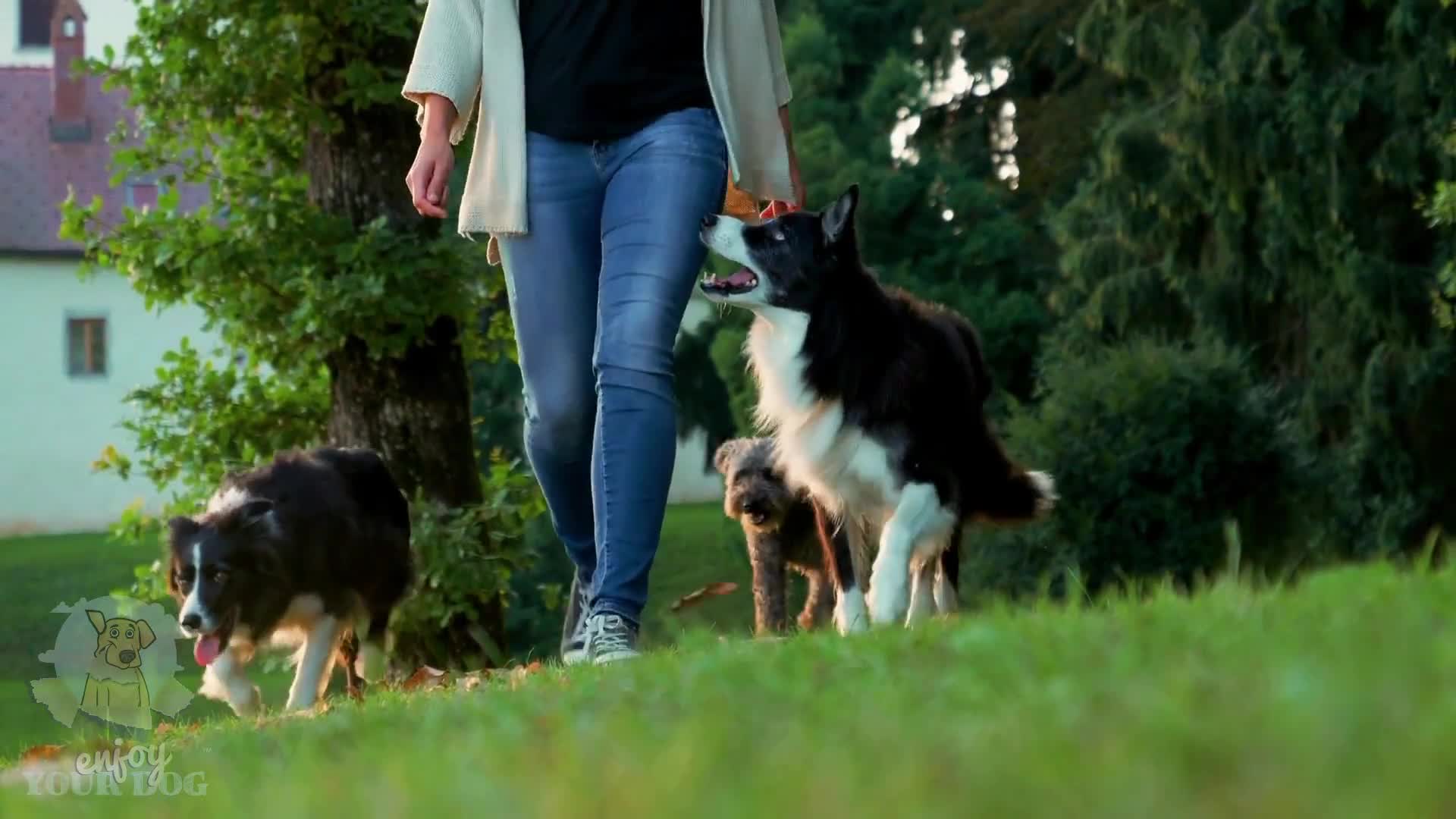
During adolescence, dogs may become touch sensitive due to growth discomfort, showing subtle signs of unease like turning away or panting.
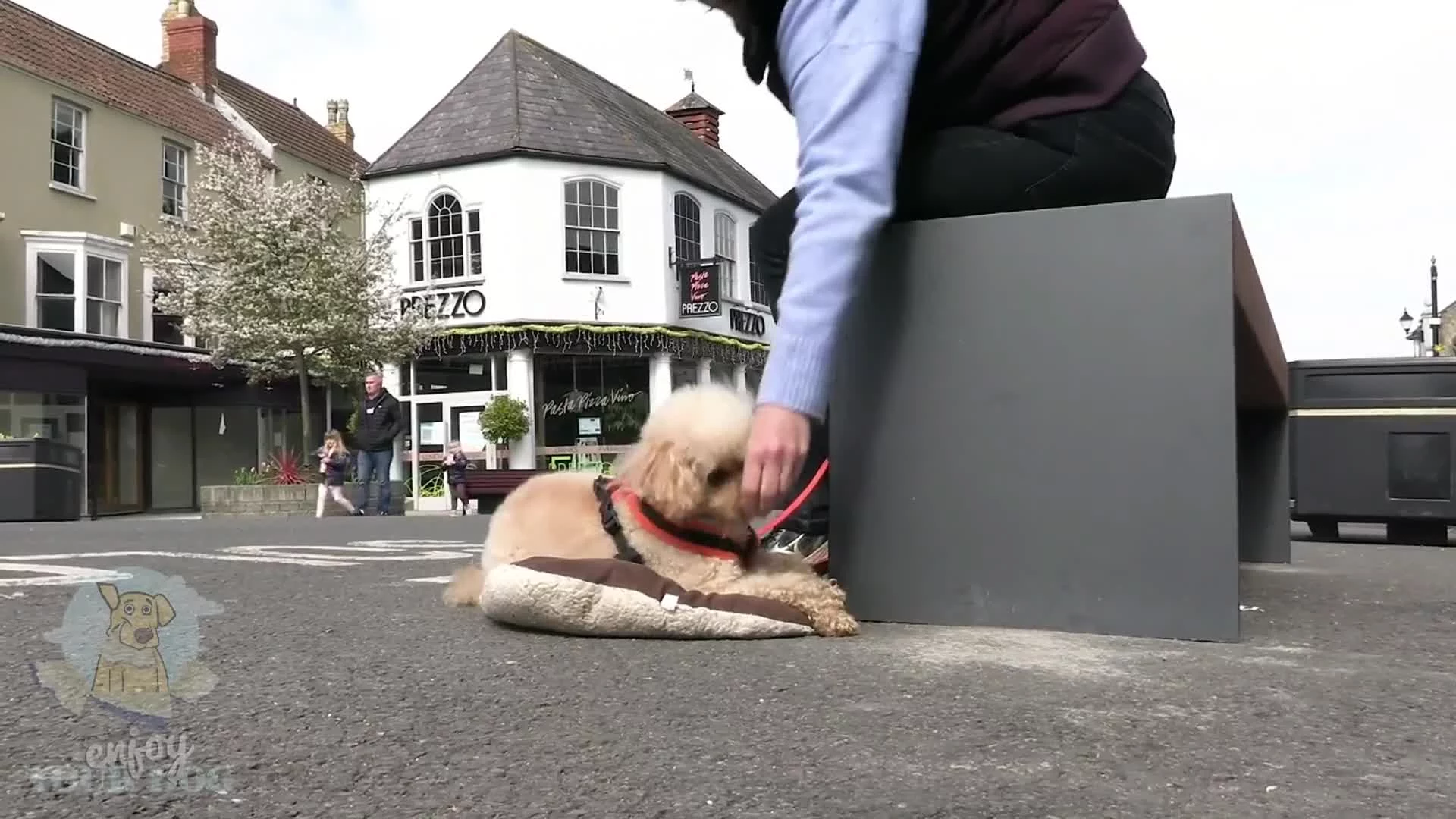
It is important to train dogs to settle in various environments, starting from quiet places and moving gradually to busier areas.
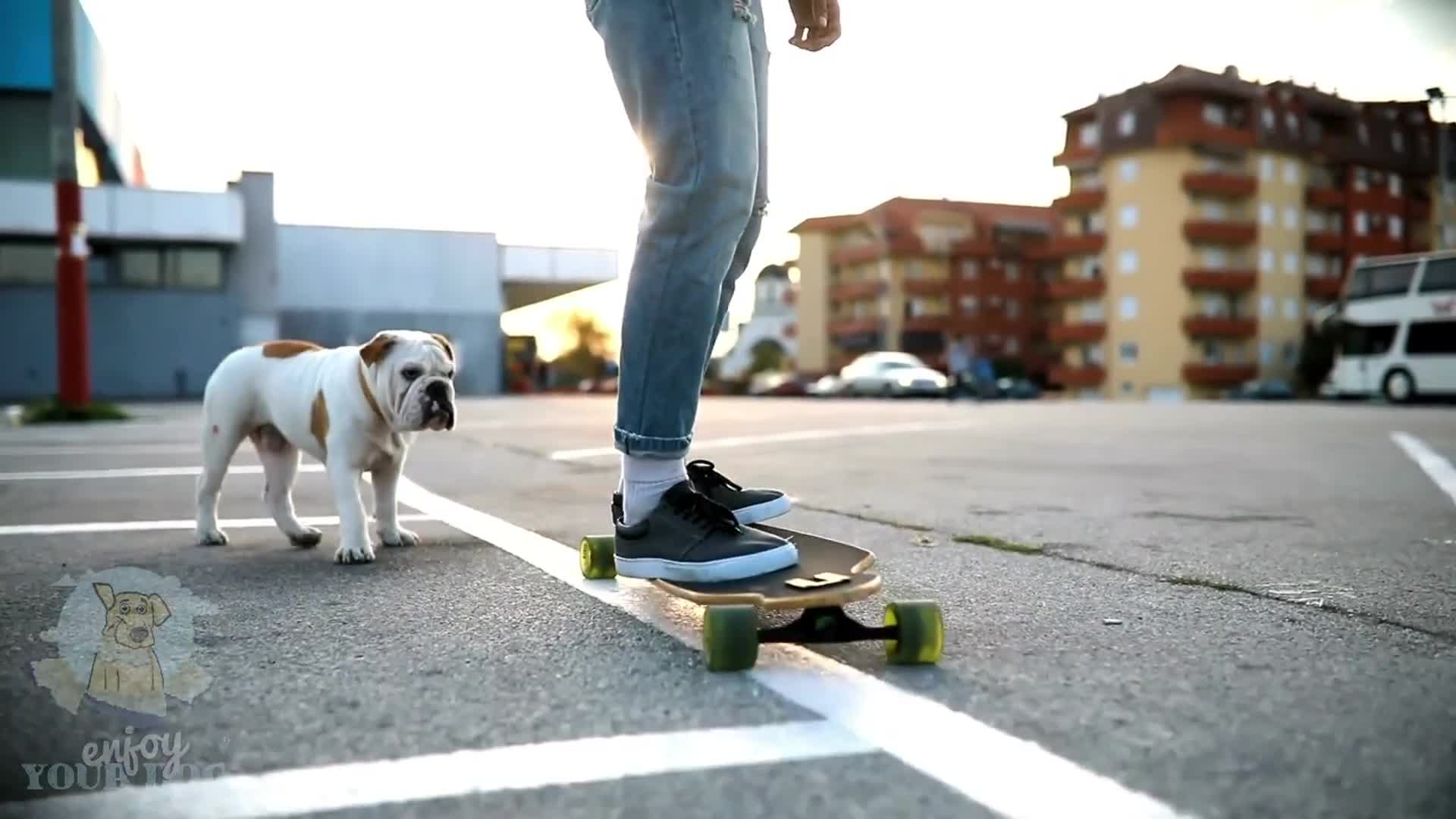
Training dogs to ignore noises like construction and skateboards involves playing them on YouTube at increasing volumes while distracting them with a stuffed Kong or training games, ensuring a gradual volume increase to prevent fear.
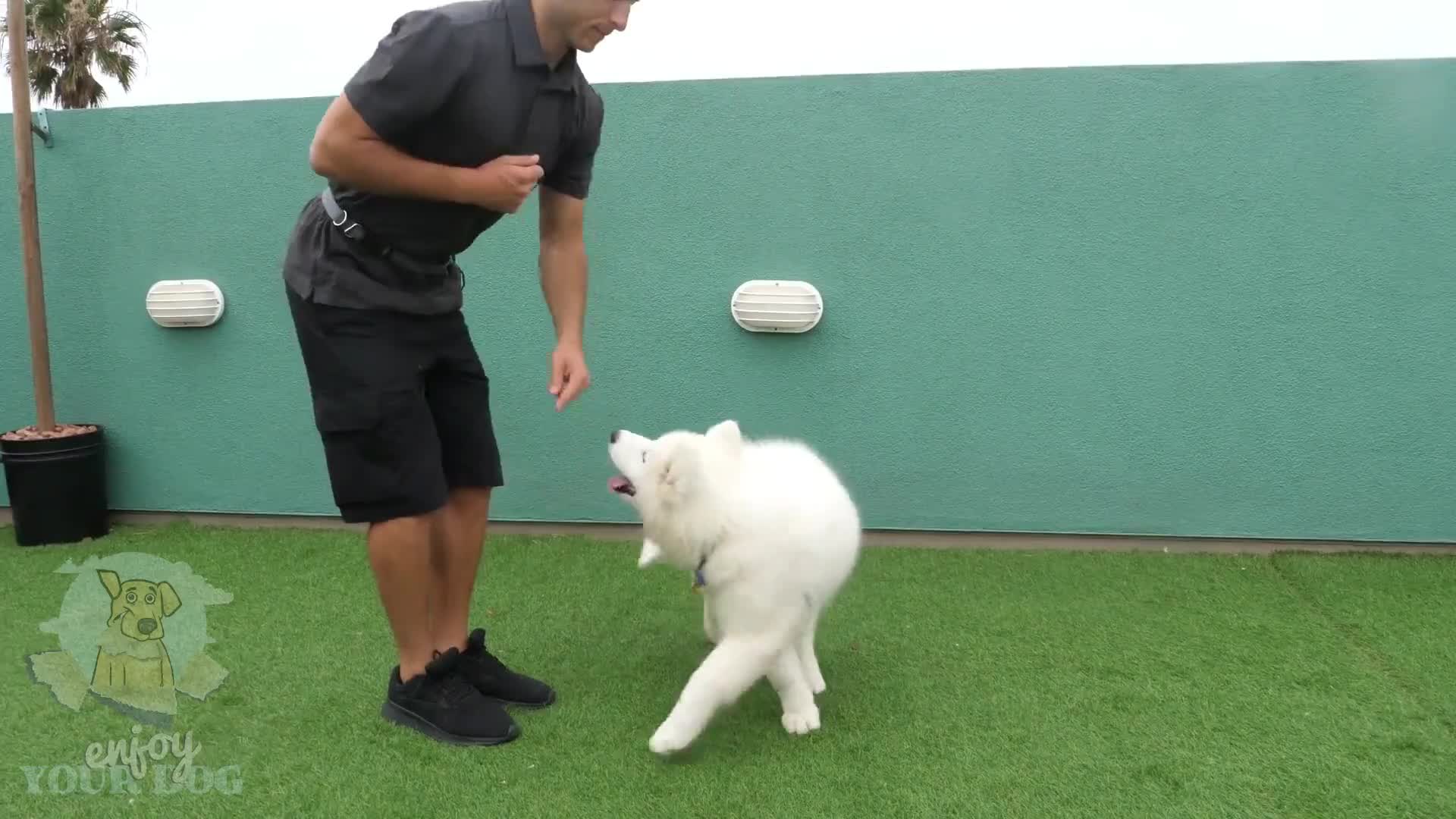
Targeting, using a nose target or paw/rear feet, is detailed as a strategy for teaching dogs new behaviors by rewarding them for moving towards a target and gradually moving the target to guide actions or positions.
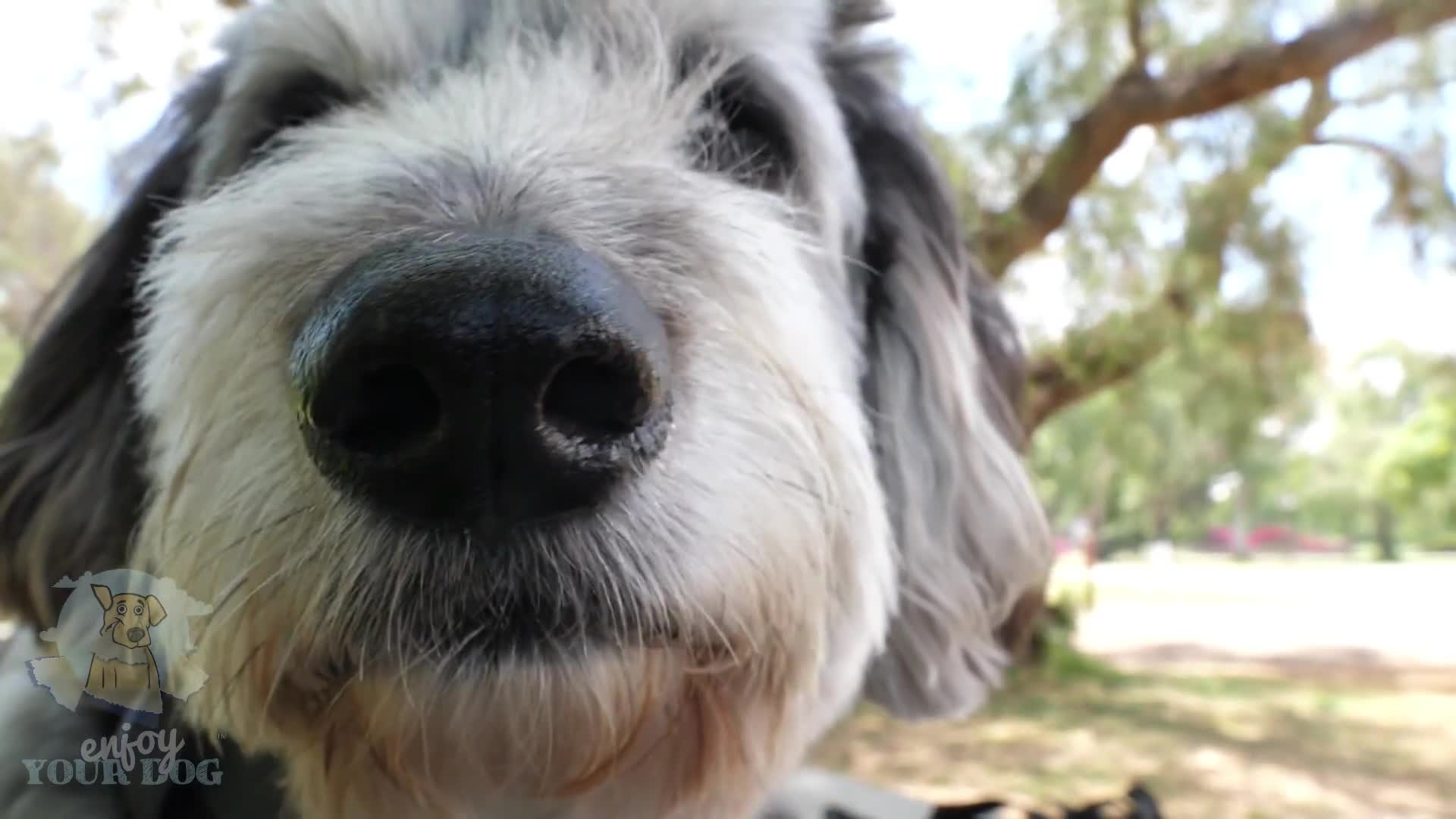
The significance of olfactory stimulation in enriching dogs' lives, advocating for owners to allow their pets ample sniffing time during walks.
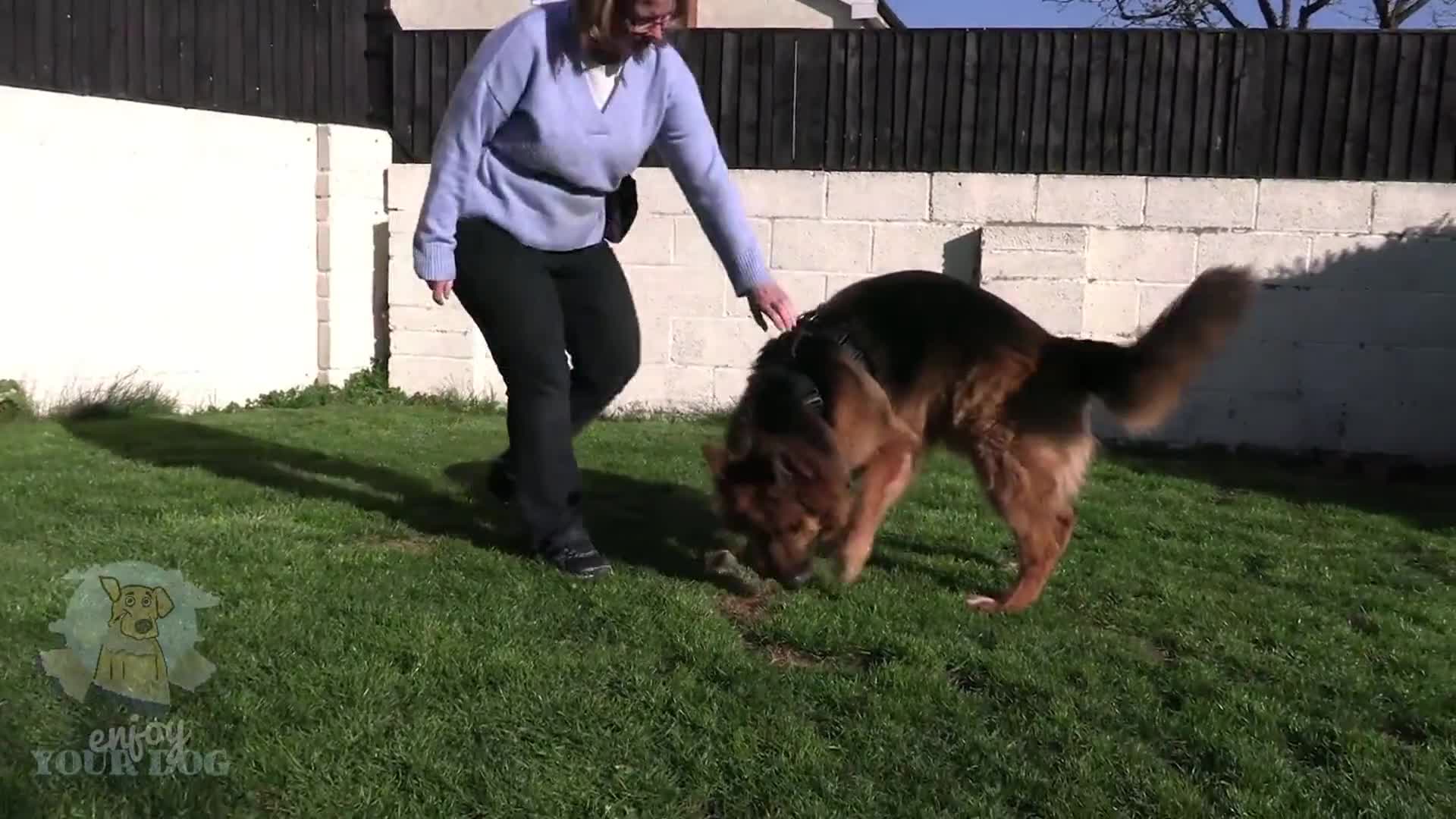
Training dogs to accept collar or harness holds is crucial for safety and managing their interactions, starting with treats during gentle touches and advancing to longer holds for real-world readiness.
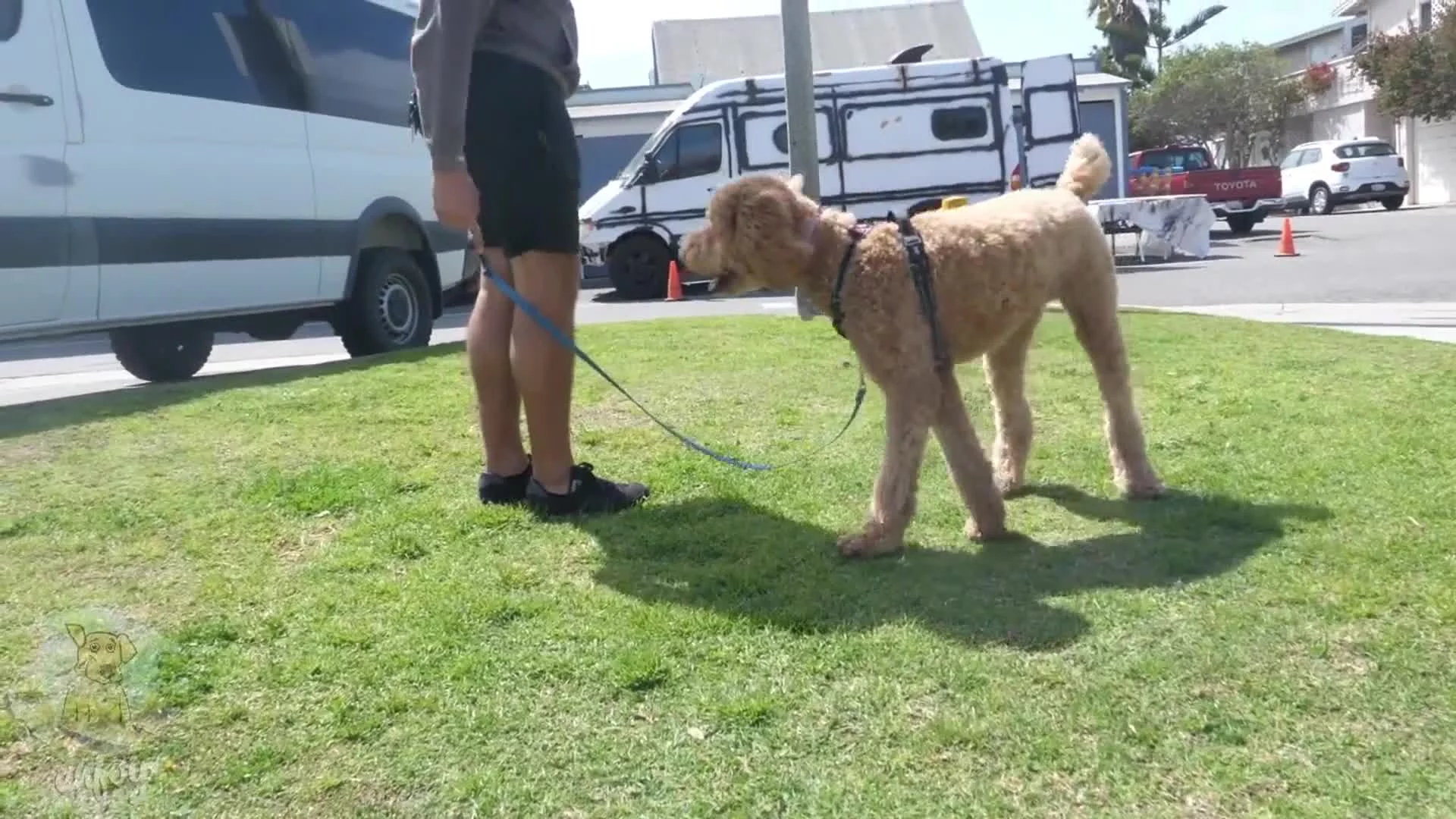
A method for training dogs to move around their handler to untangle the leash and maintain a proper walking position, emphasizing the use of treats, hand signals, or verbal cues for guidance.
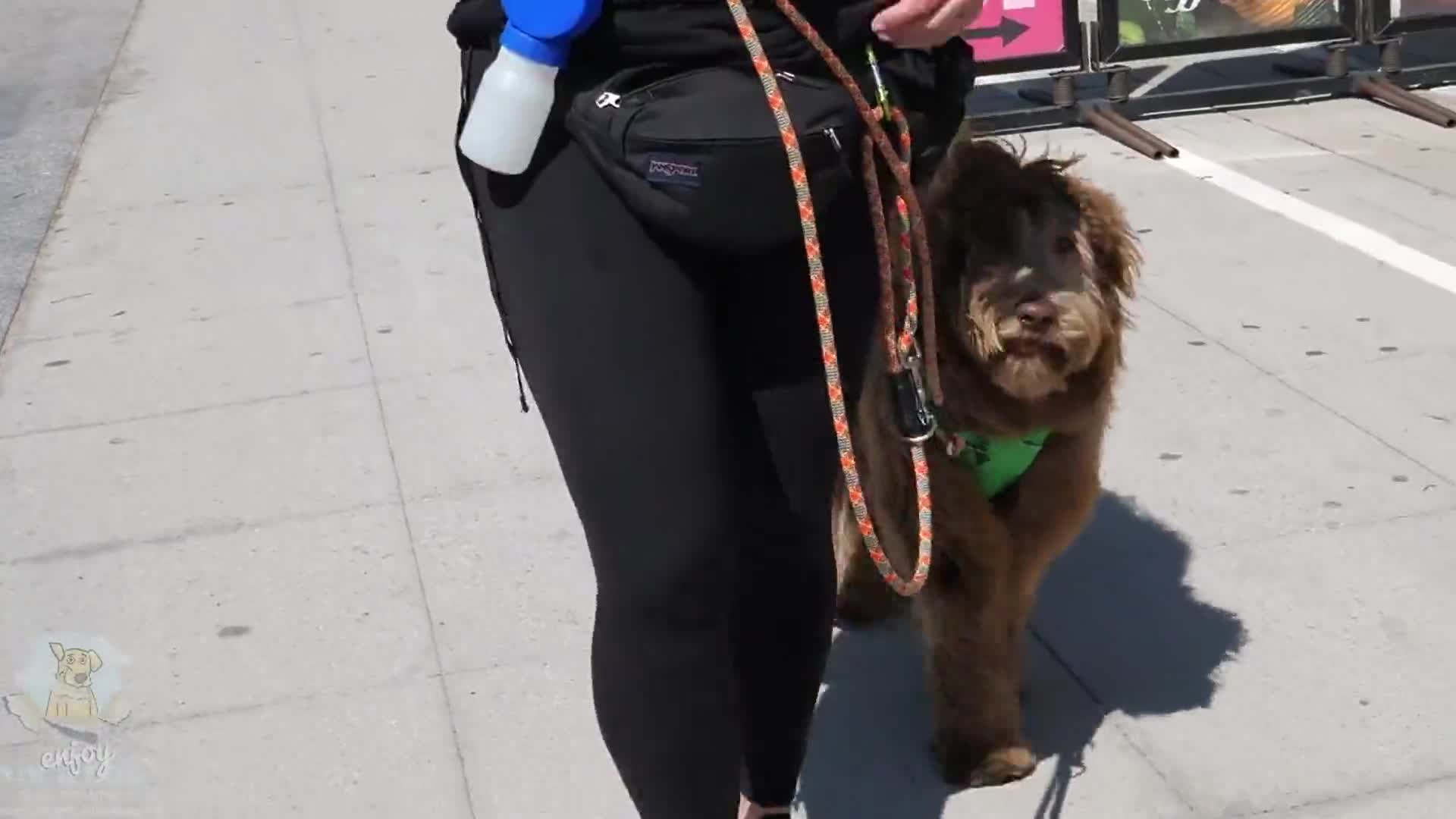
To ensure a dog remains relaxed when encountering distractions during walks, creating space by arcing away is advised, initially wide but decreasing as the dog's focus improves. Observing