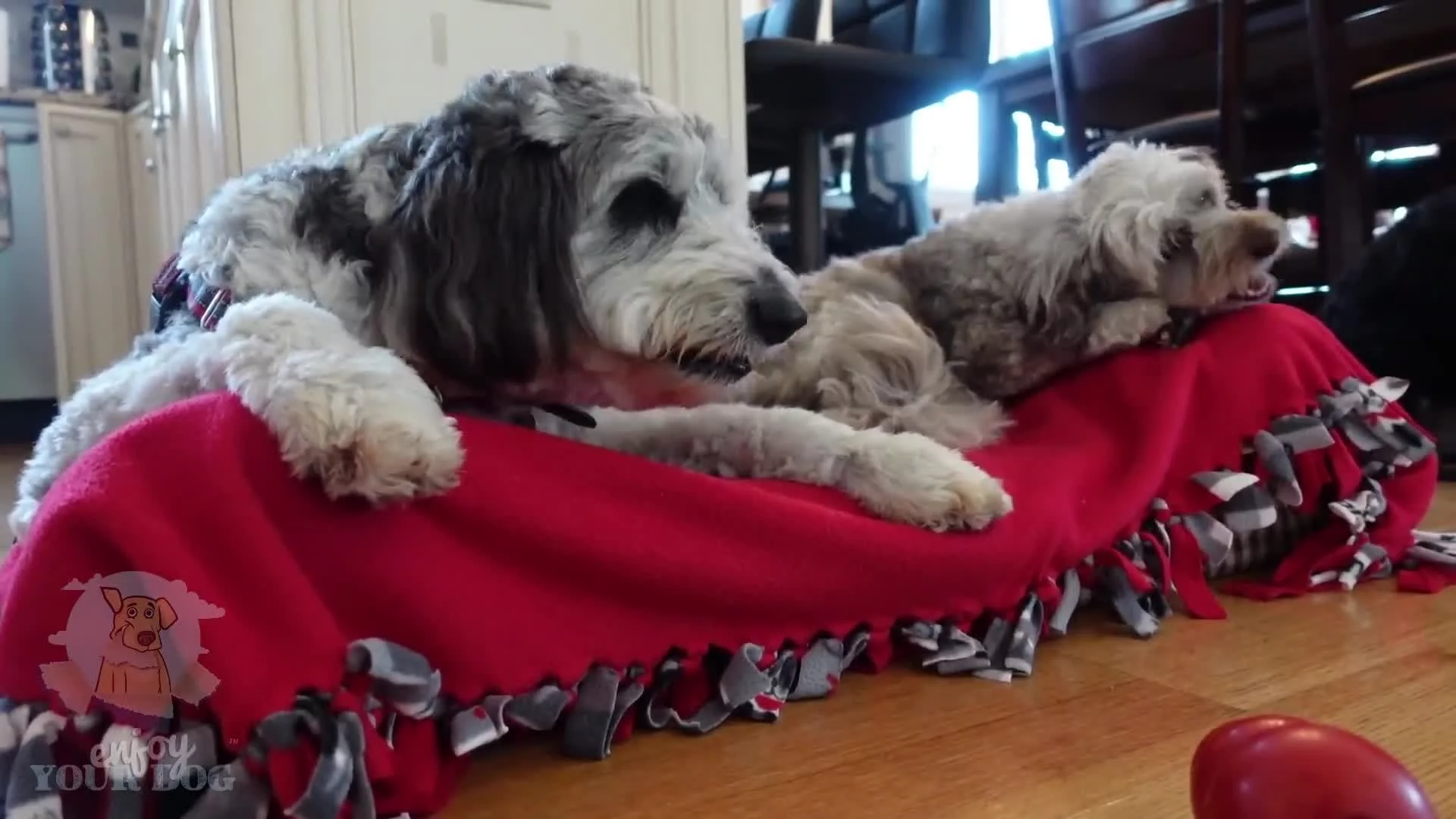
The importance of providing adolescent dogs with various chew items to support jaw muscle development and ensure the effective use of adult teeth.
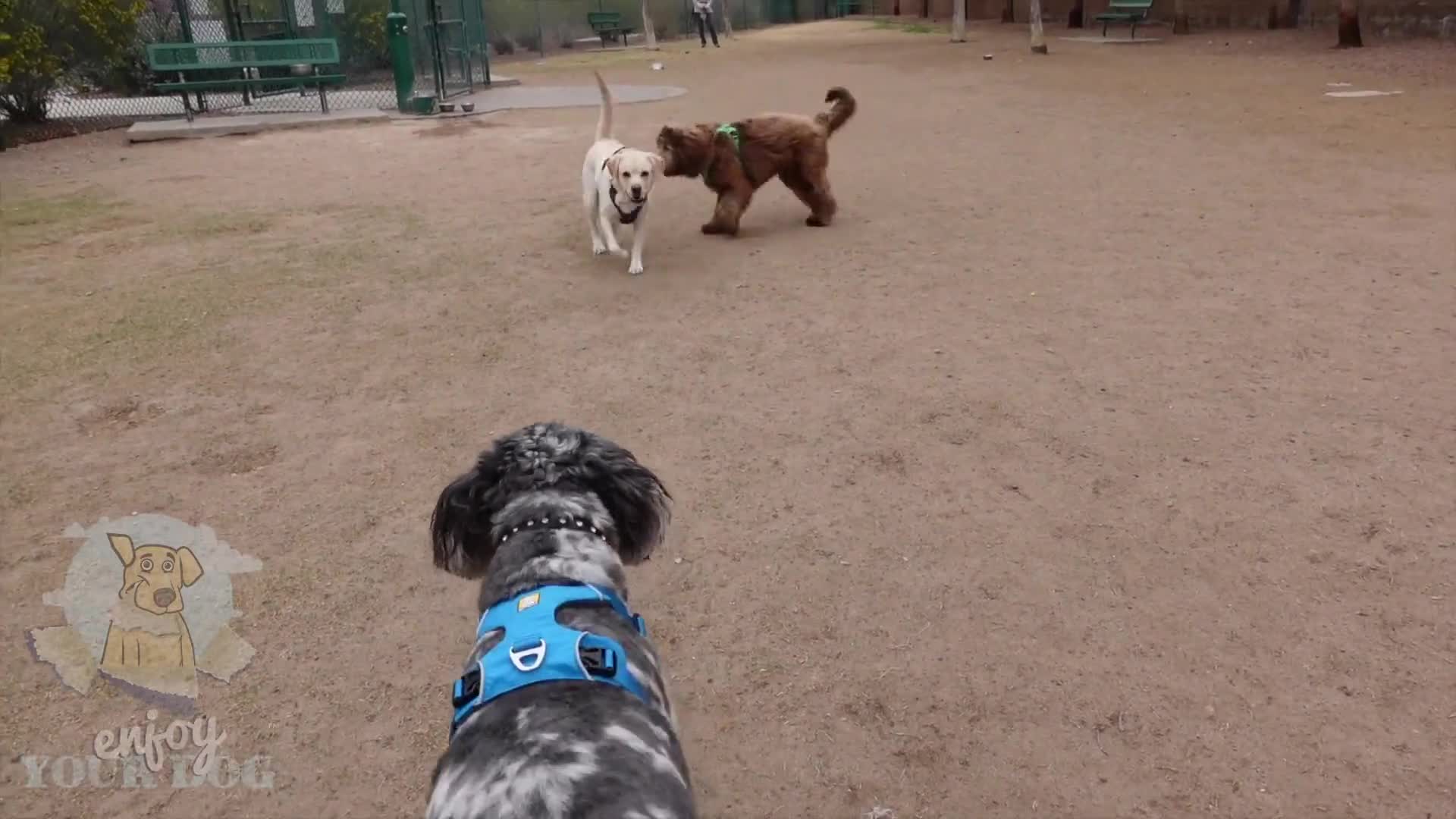
details the nuances of ensuring adolescent dogs engage in appropriate play tailored to their size, play style, energy level, breed, social history, and character. It
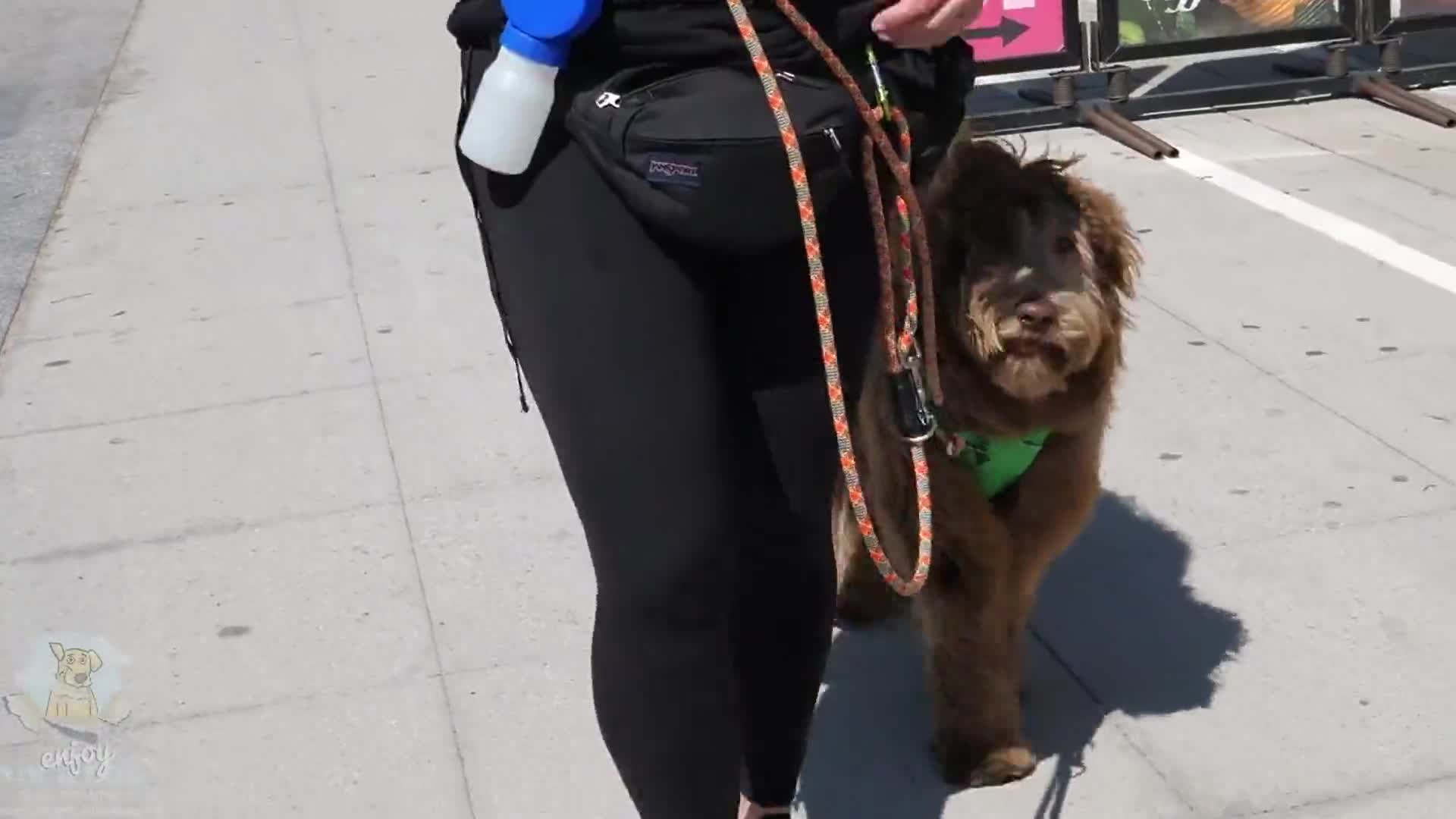
To ensure a dog remains relaxed when encountering distractions during walks, creating space by arcing away is advised, initially wide but decreasing as the dog's focus improves. Observing
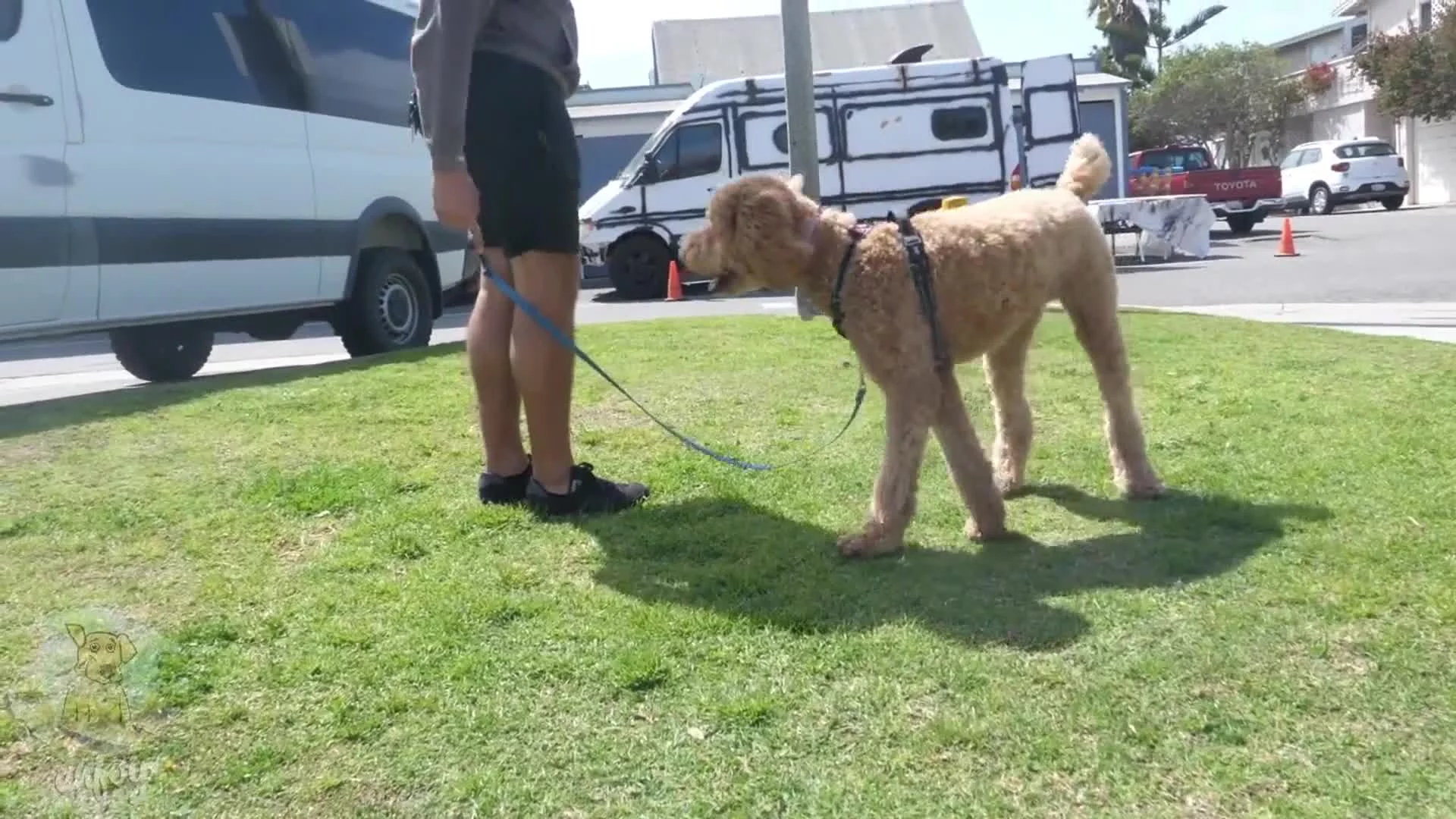
A method for training dogs to move around their handler to untangle the leash and maintain a proper walking position, emphasizing the use of treats, hand signals, or verbal cues for guidance.
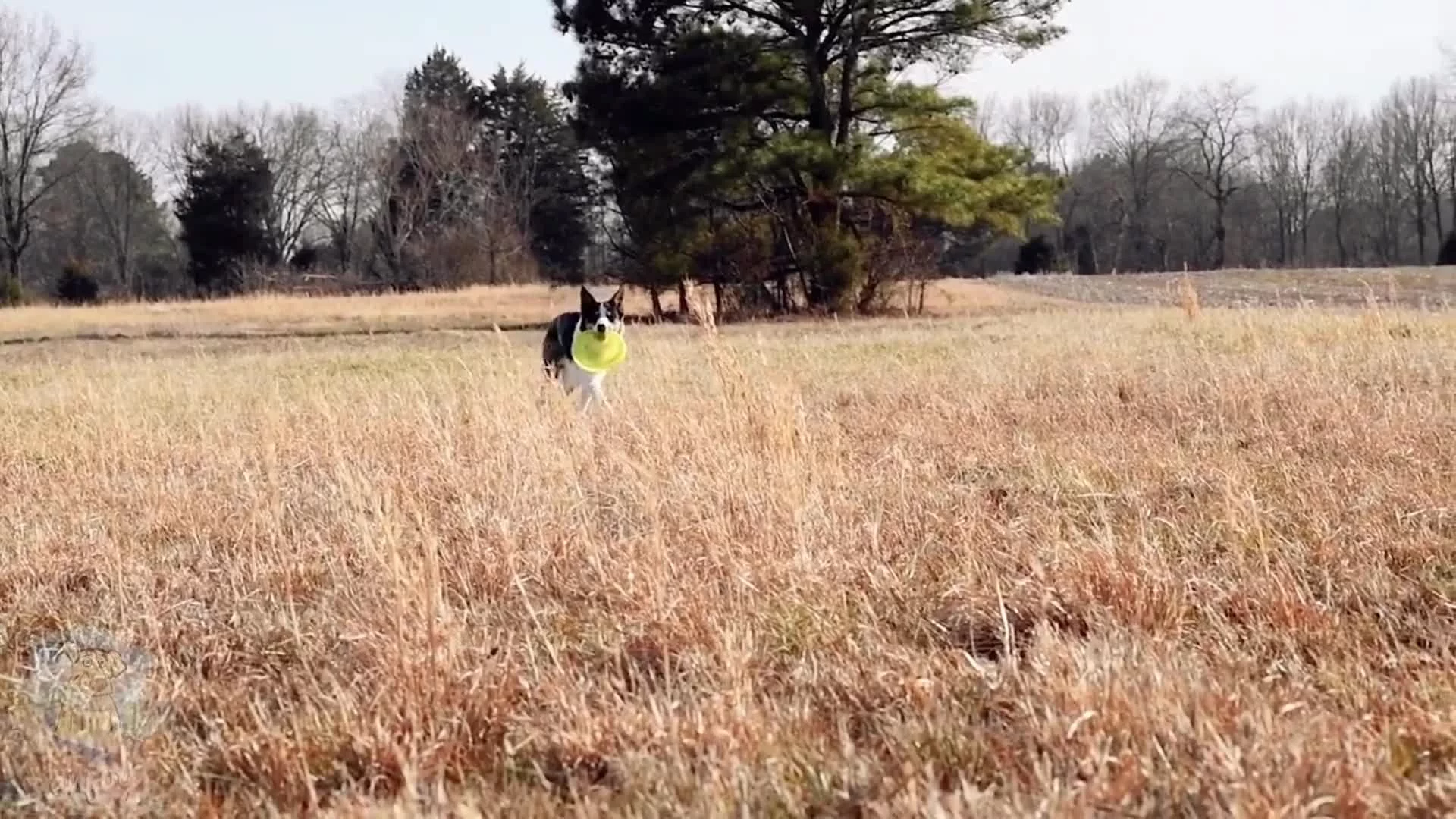
It is important to teach dogs, especially adolescents, to manage arousal by alternating between energetic play and calming activities like sniffing for treats, licking food off mats, or chewing treats.
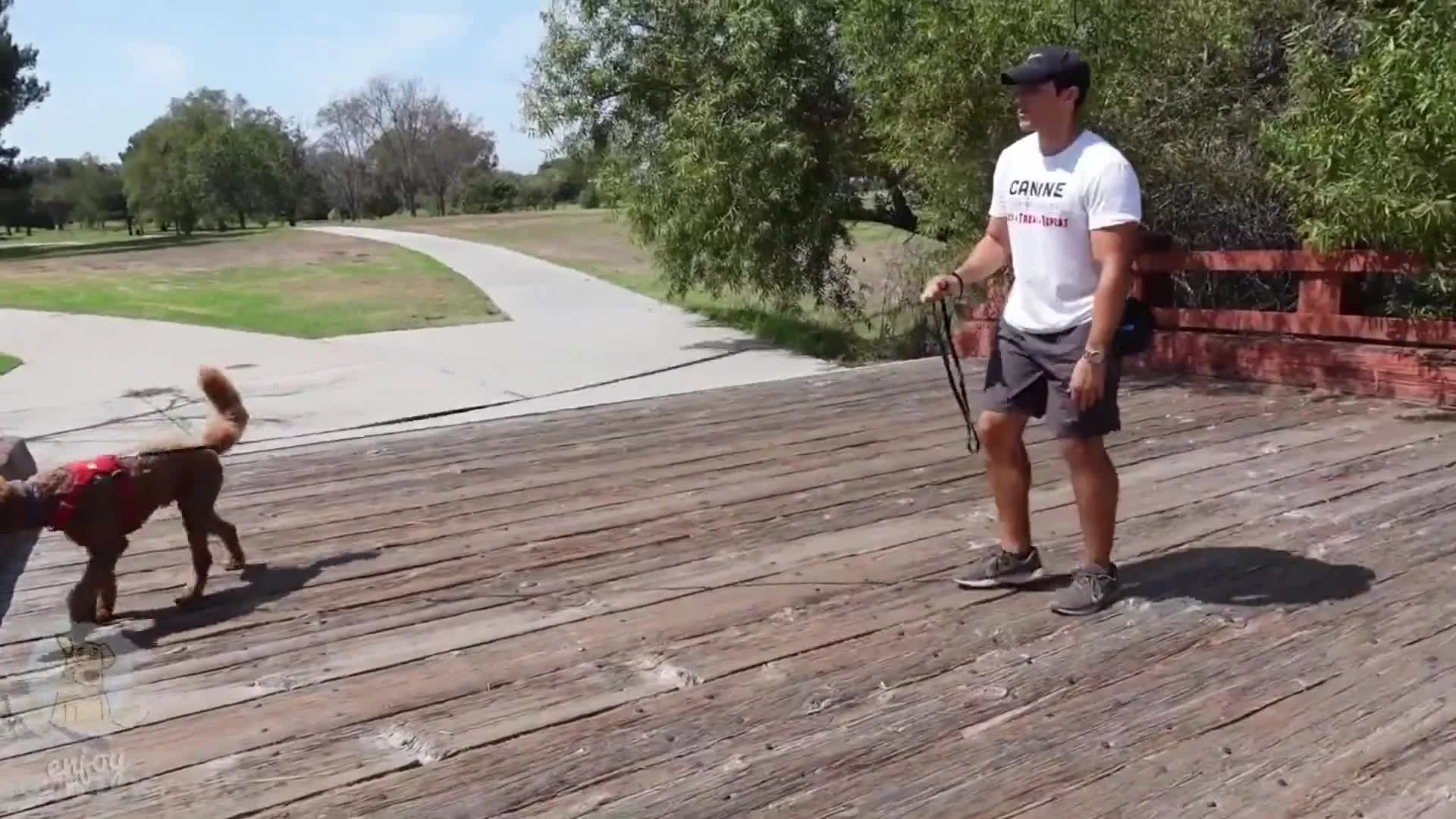
A dog training technique focusing on improving recall is playing a game where the owner backs away when the dog looks at them, encouraging the dog to follow.
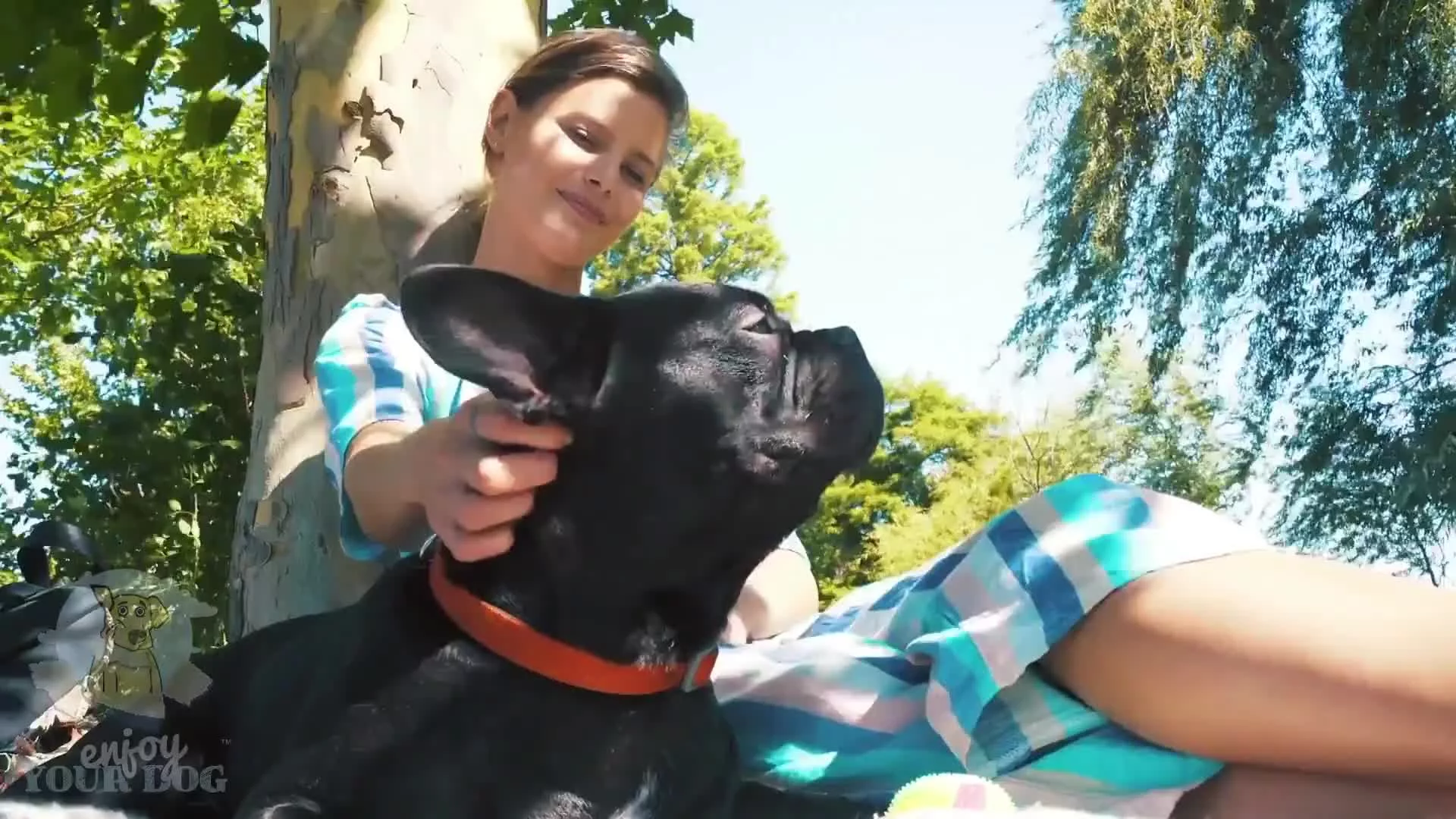
How to be an exemplary dog caregiver, focusing on breed-specific needs, a nutritious diet with fresh water in a 'clean bowl,' and ensuring comfort with a collar tag and harness.

Teaching dogs body awareness through cavalettis, an exercise with poles (like pool noodles or bamboo canes) set at shoulder height to prevent adolescent injuries.
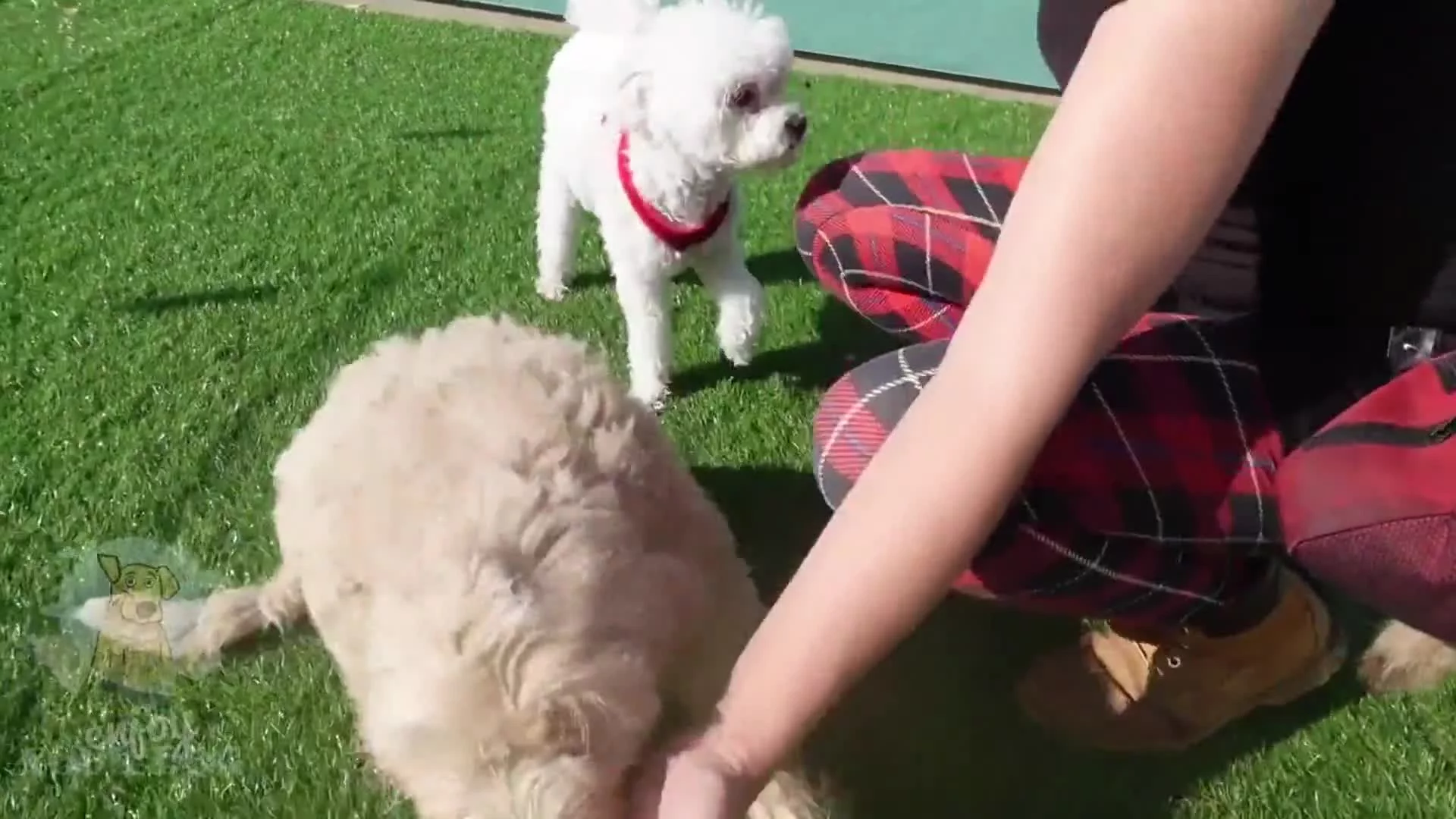
The benefits of hand-feeding dogs as a method to build trust and focus, emphasizing its effectiveness from initial homecoming through the adolescent stage to prevent food-guarding behaviors and reinforce calmness.
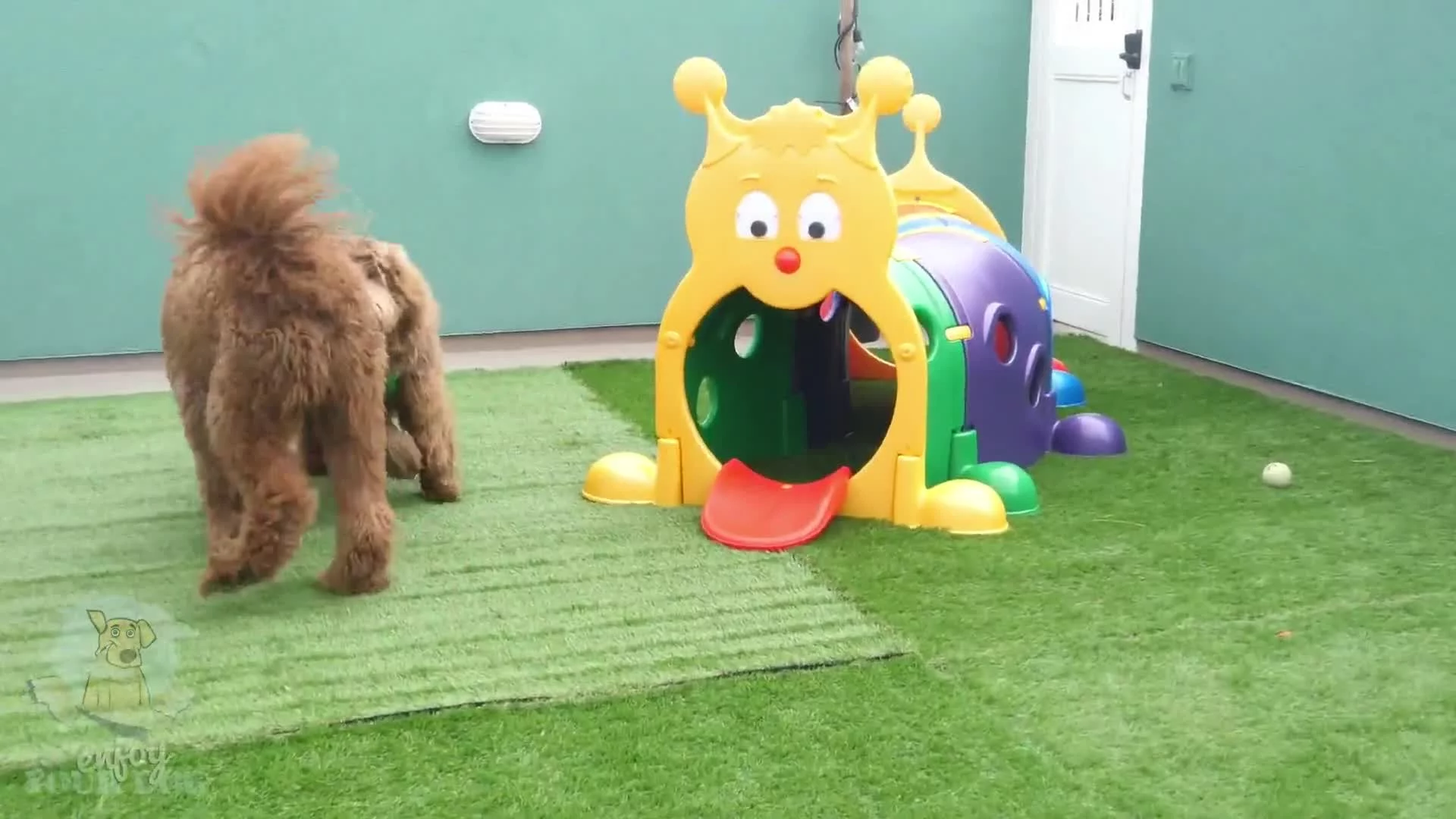
To prevent physical injury and negative social experiences among adolescent dogs, we recommend using a treat magnet.
Training dogs in door manners involves waiting on a mat or rug for them to wait on, rewarding them, and employing a trailing leash or tether for management.
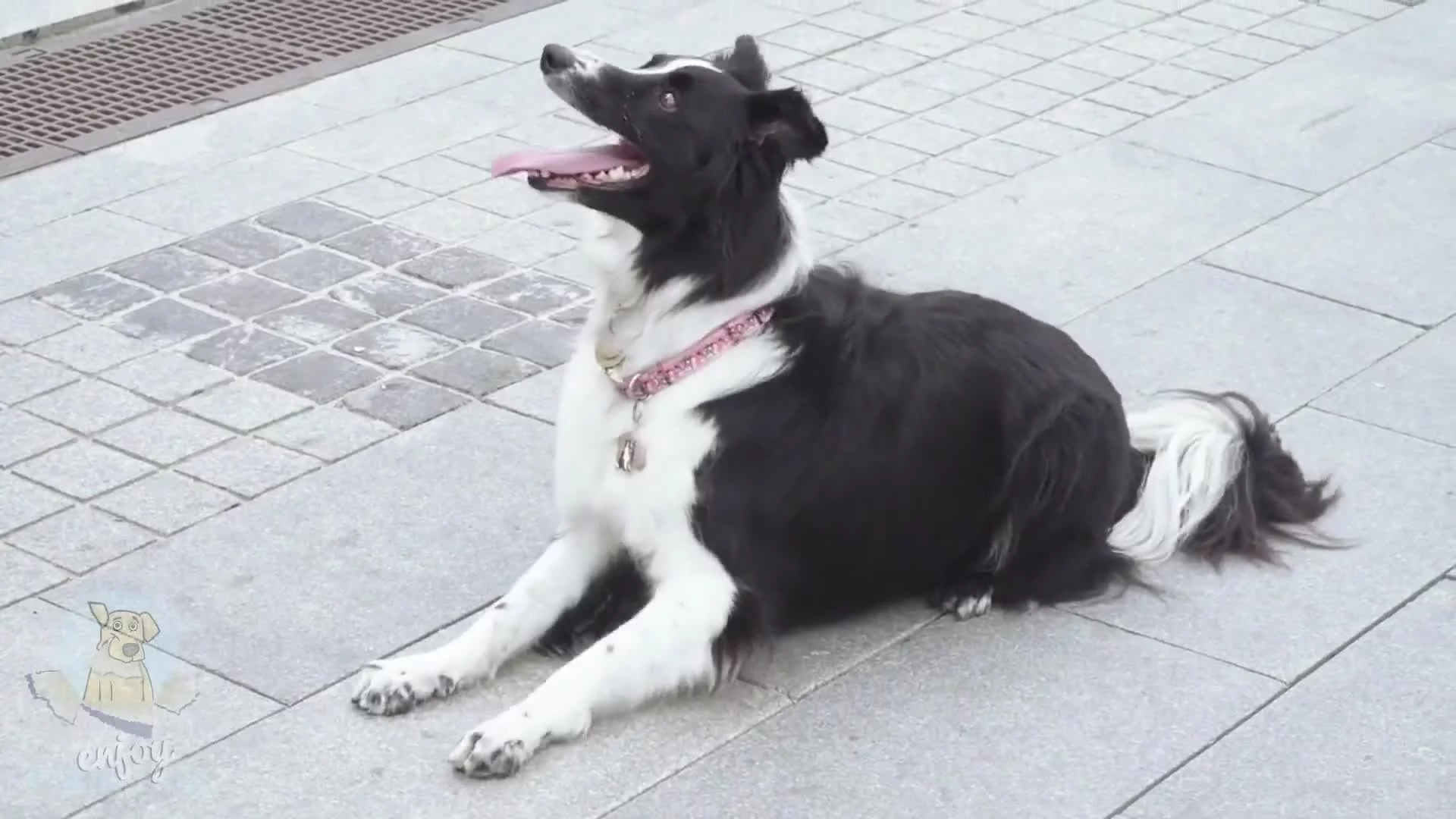
Four dog training methods: luring, targeting, shaping, and capturing, each has unique benefits and drawbacks.
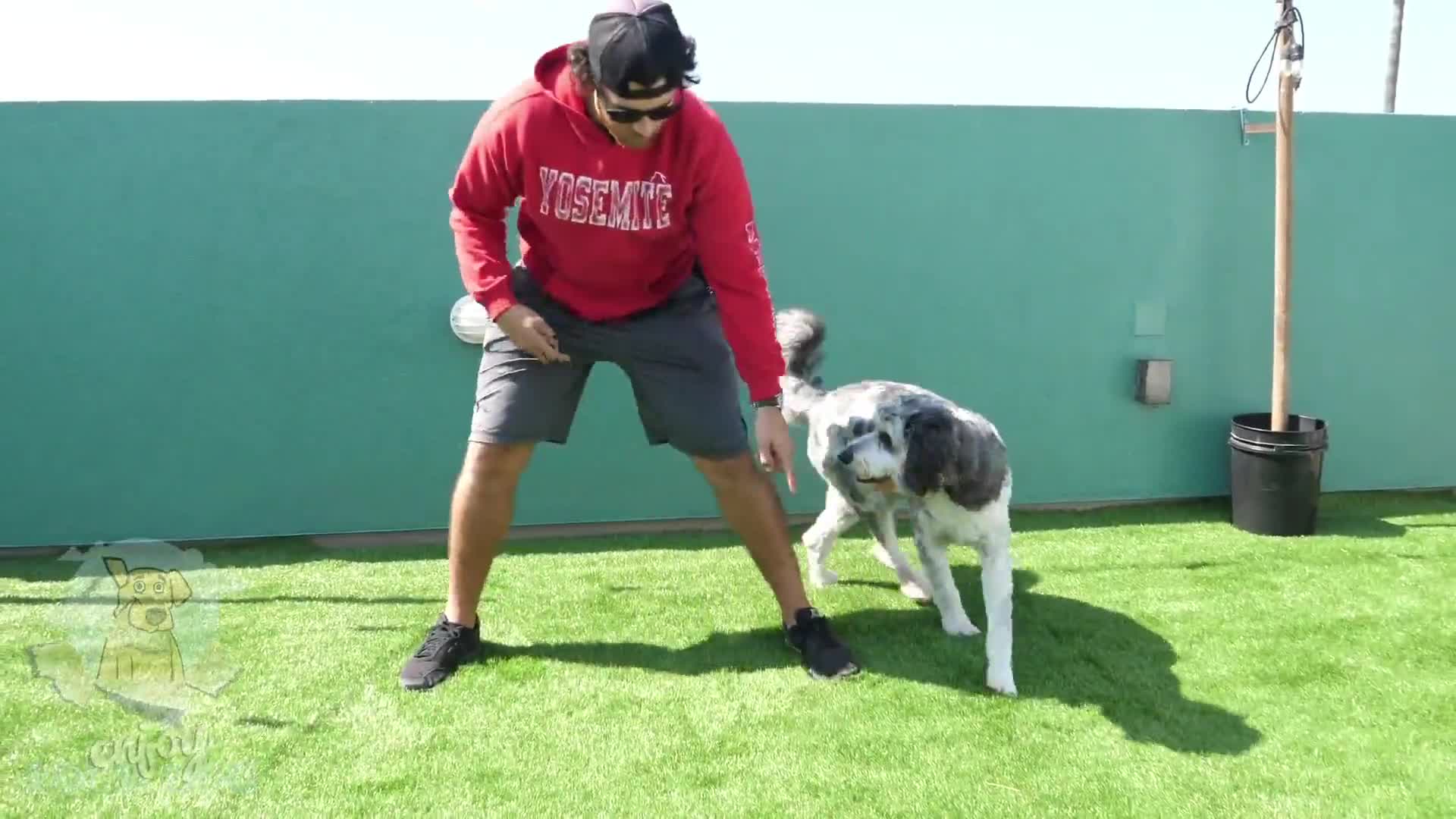
The significance of a solid relationship, grounded in trust, fun, and understanding, for effective dog training, advocating for trick training to bolster this bond.
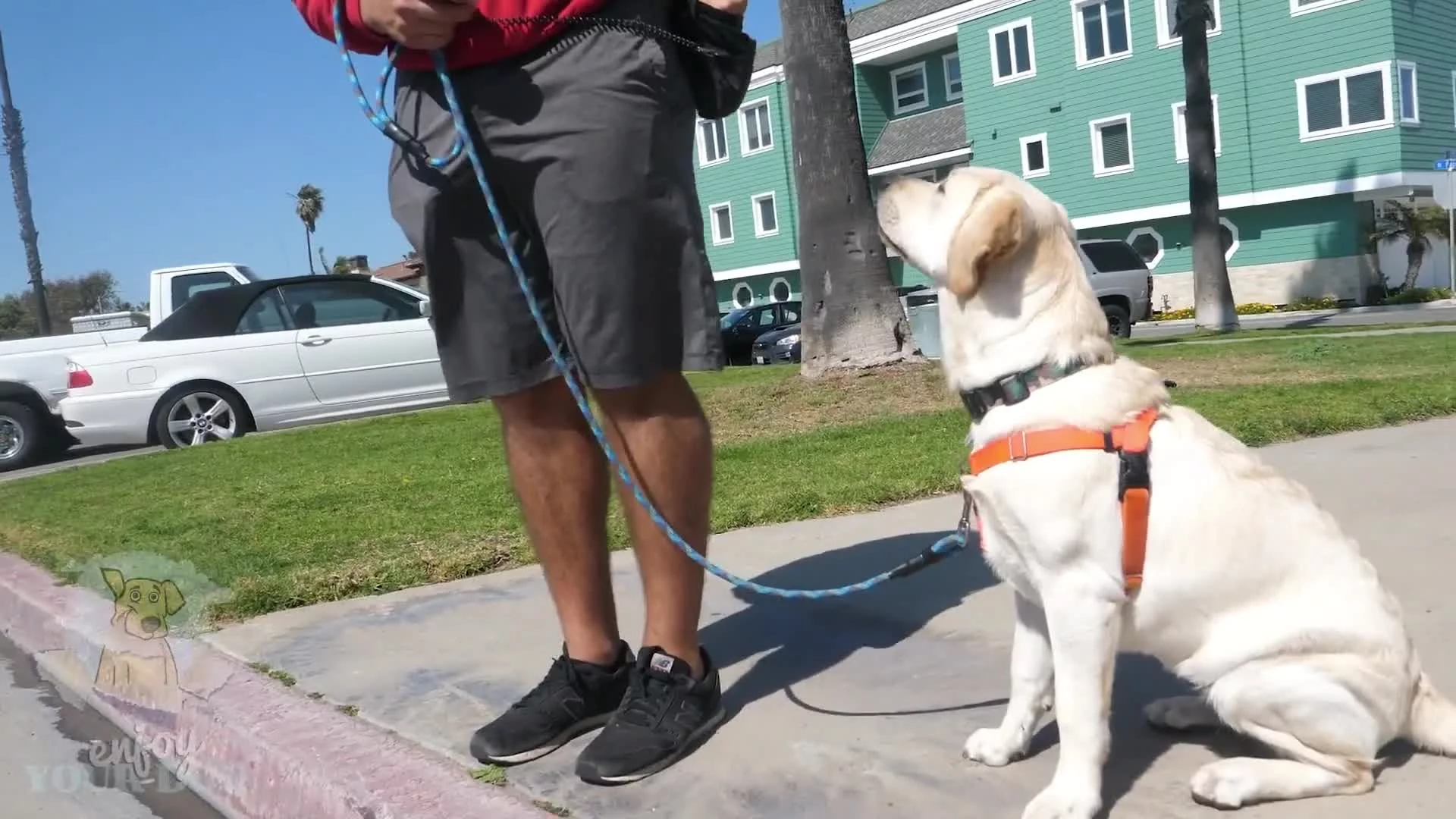
Teaching a dog to sit, foundational for door manners and polite greetings, involves capturing (rewarding natural sits) to make it a default behavior.
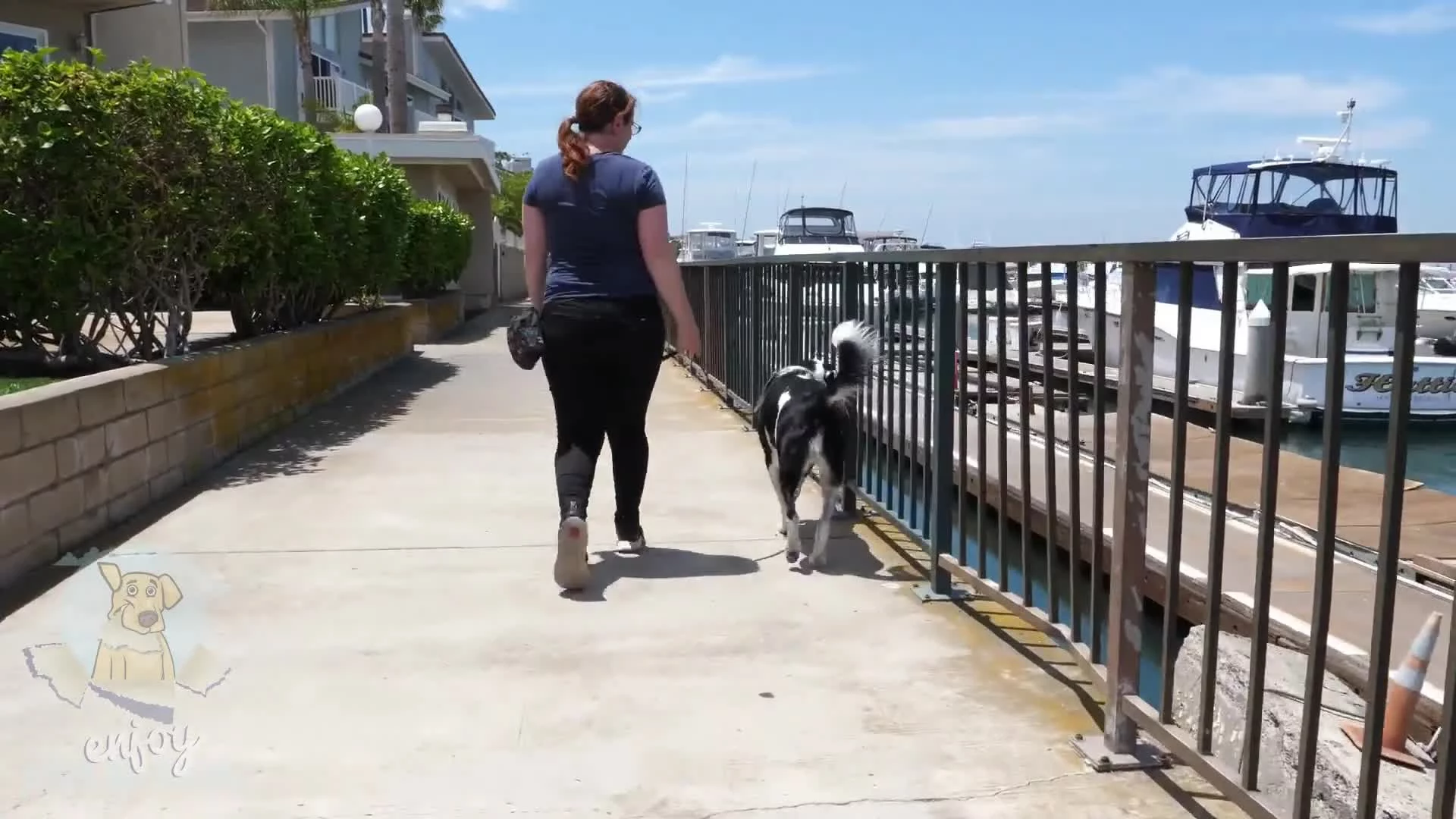
The significance of exposing adolescent dogs to a variety of locations, using ramps for safer car access, and securing them with crash-tested crates or harnesses.
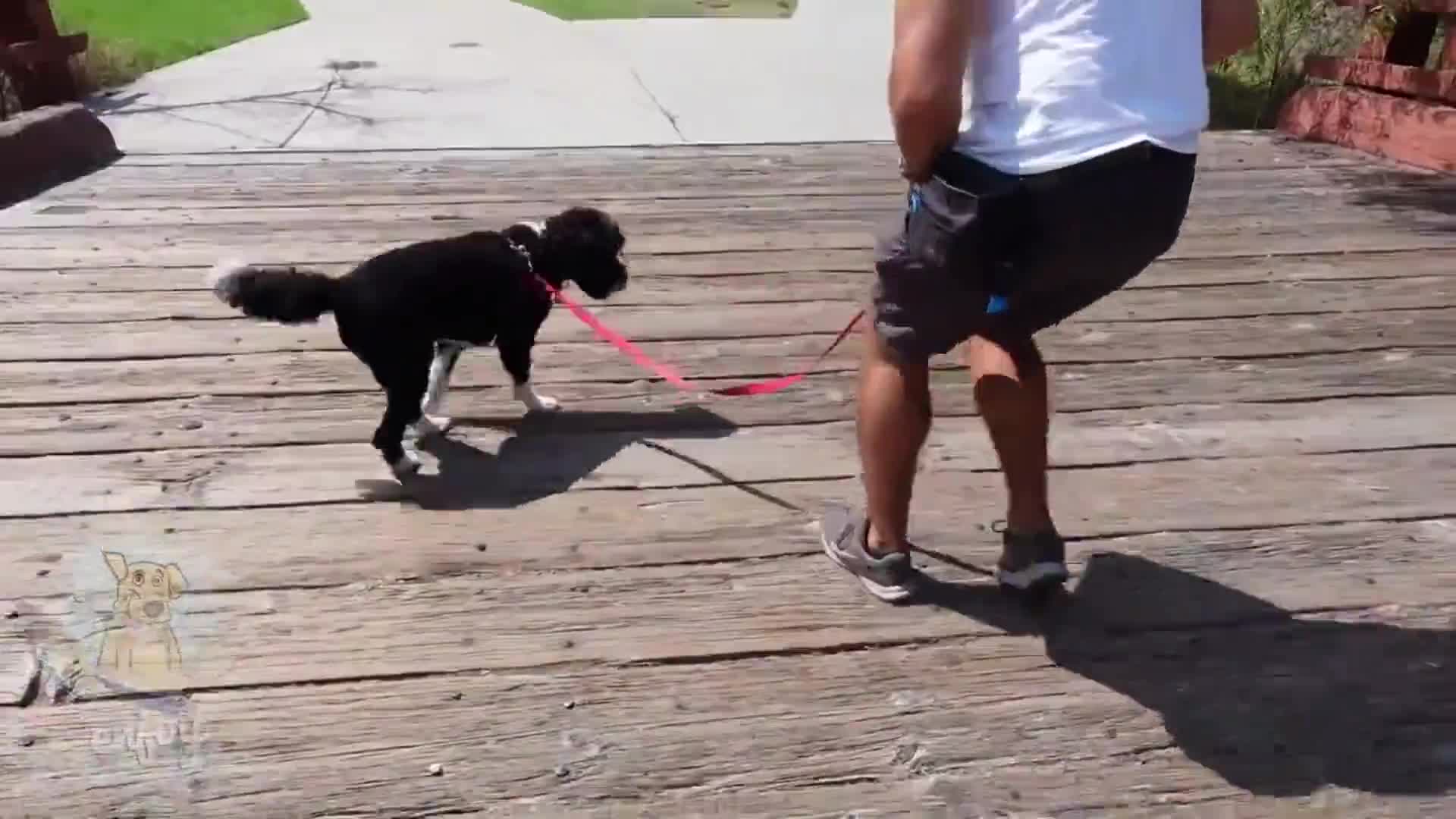
To enhance a dog's focus and recall, unpredictably changing direction during walks and rewarding them when they follow can make training more engaging and effective.
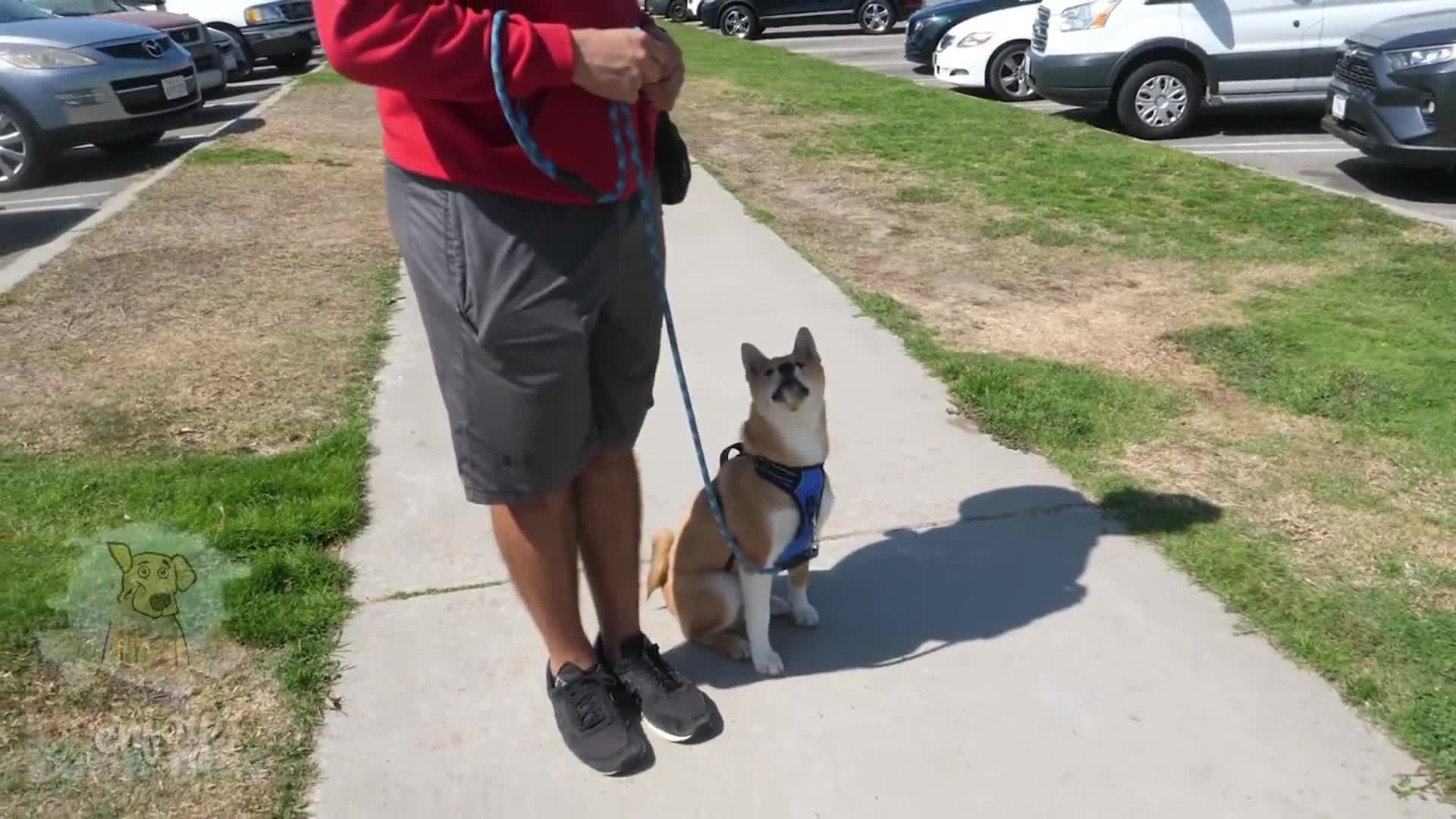
A method to enhance a dog's walking and focus by rewarding them for checking in with their owner during walks.
A dog training technique that focuses on teaching dogs to look at their owner. It involves using an unusual sound to capture attention, marking the behavior, and rewarding the dog with something the dog loves.
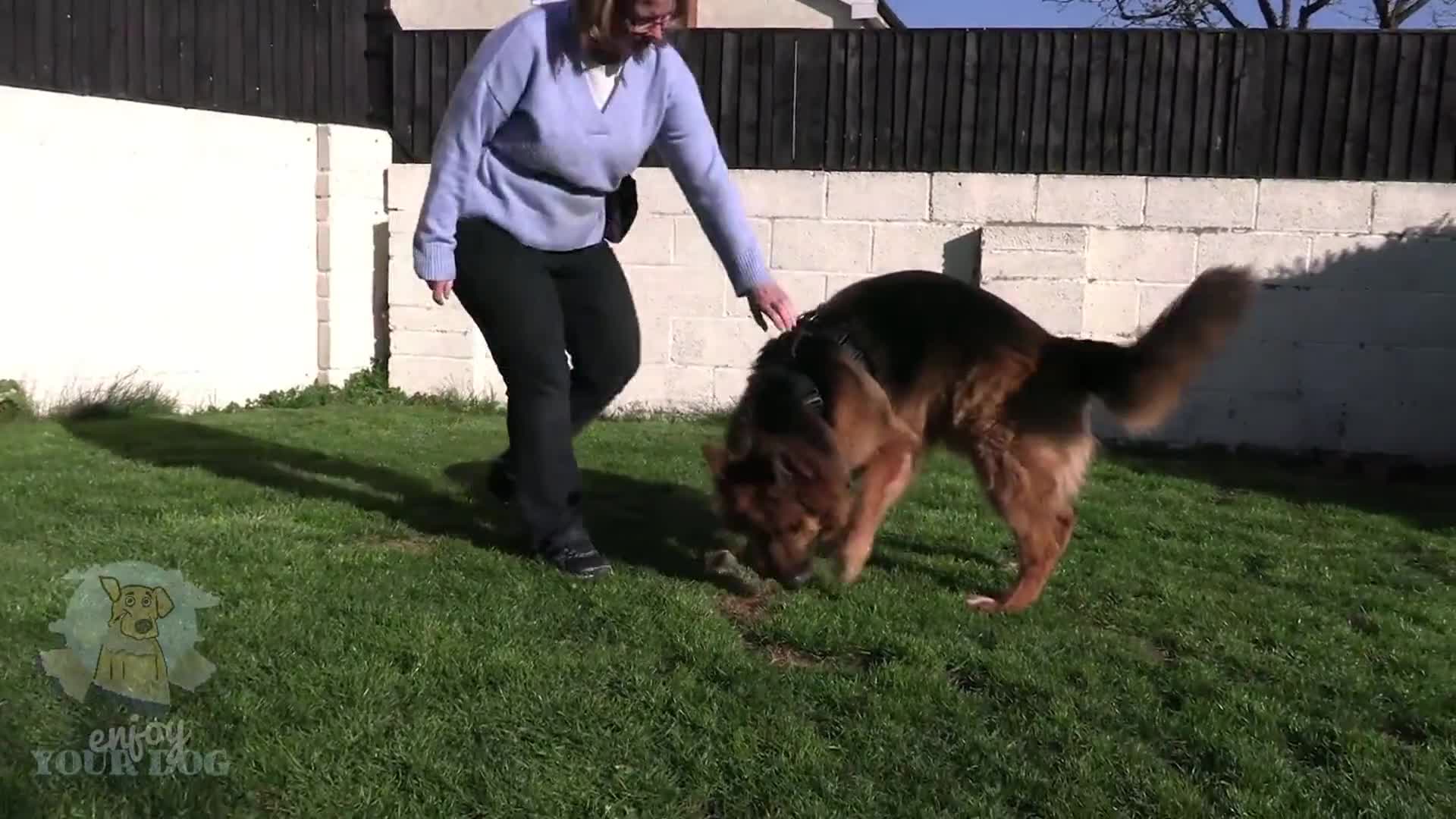
Training dogs to accept collar or harness holds is crucial for safety and managing their interactions, starting with treats during gentle touches and advancing to longer holds for real-world readiness.
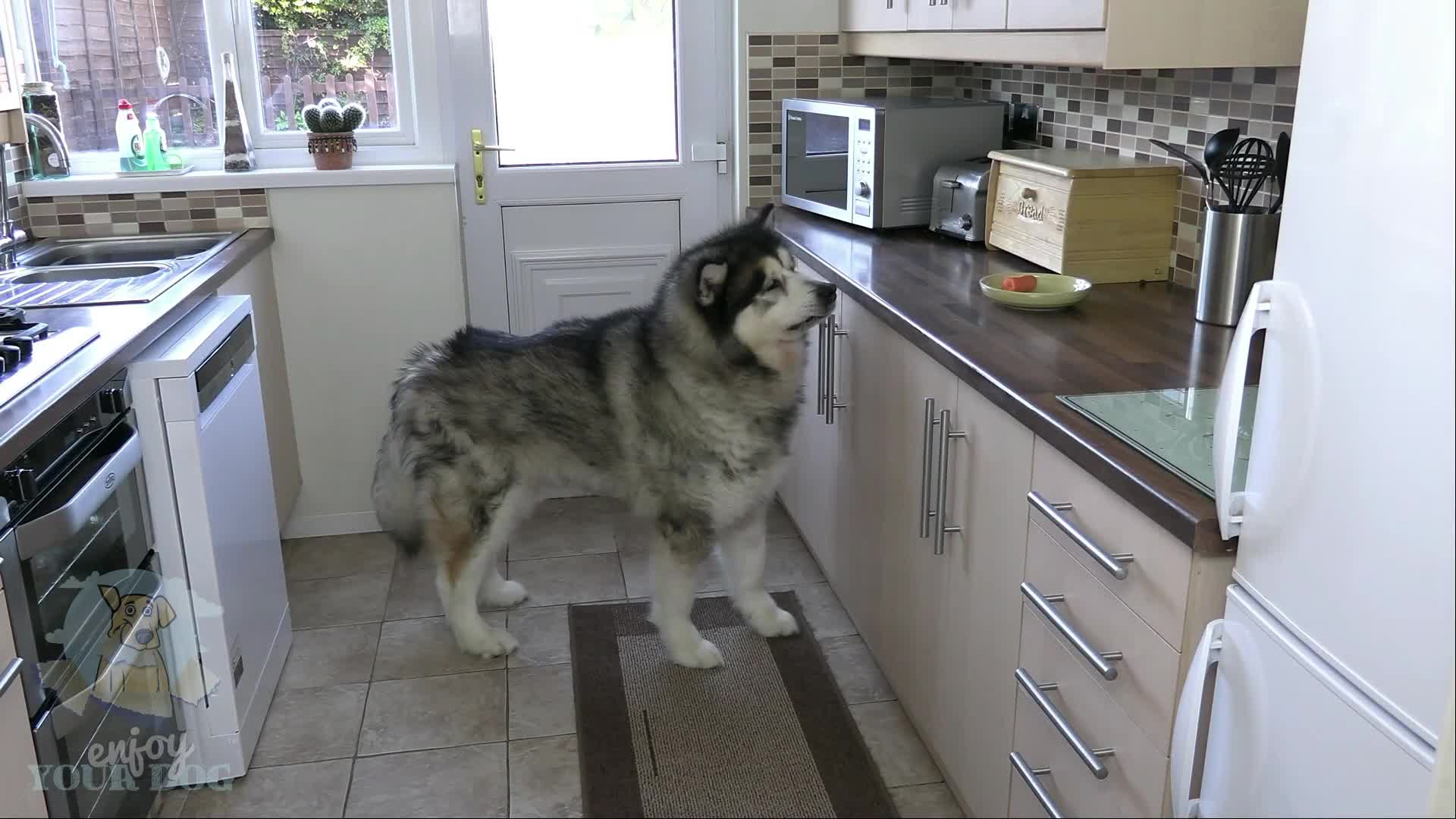
Addressing adolescent dogs' counter surfing, using barriers and a clear counter policy as management strategies.
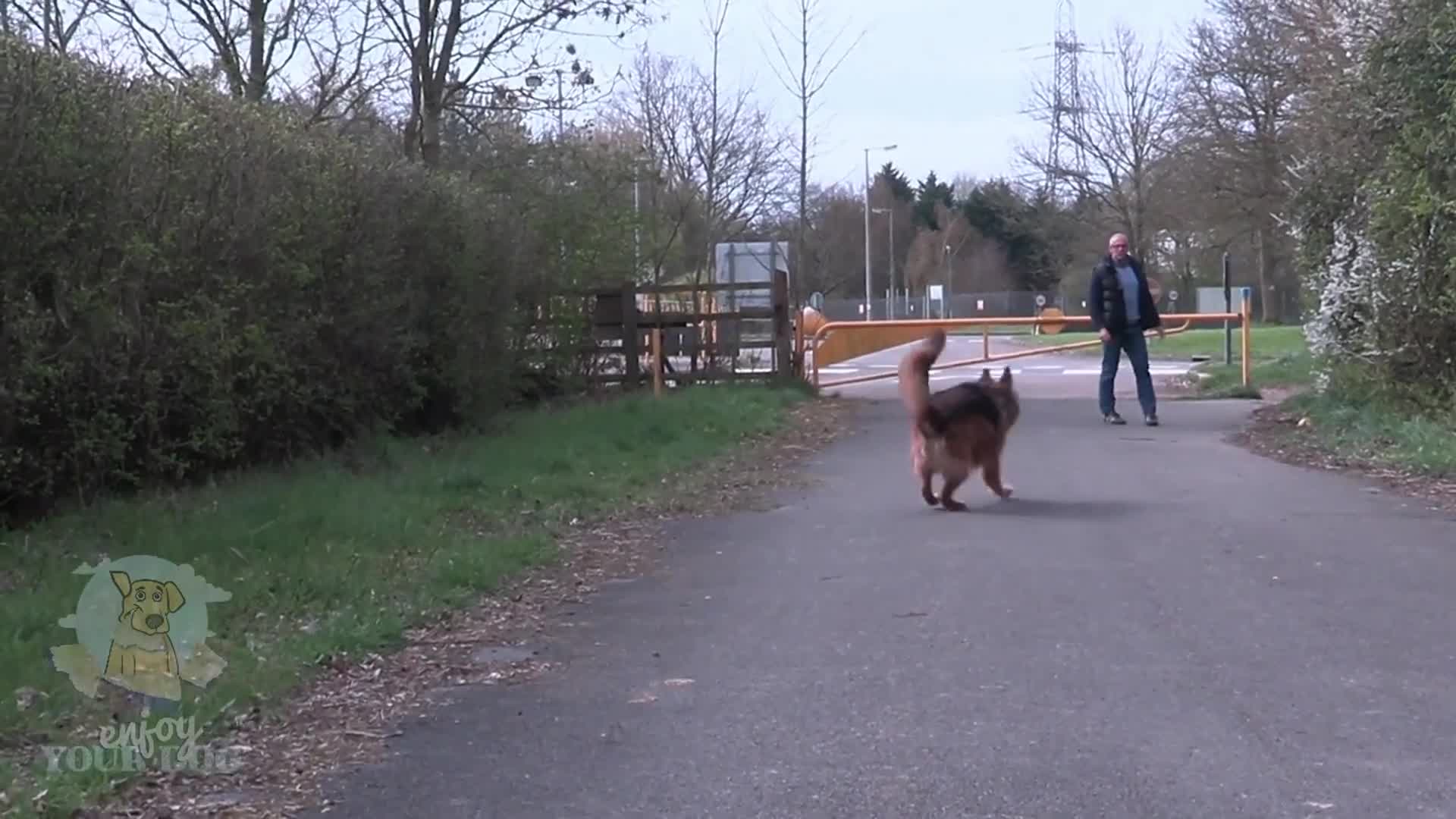
counting recall strategy for dog training, emphasizing the use of treats, practice in various locations, and safety with long lines.
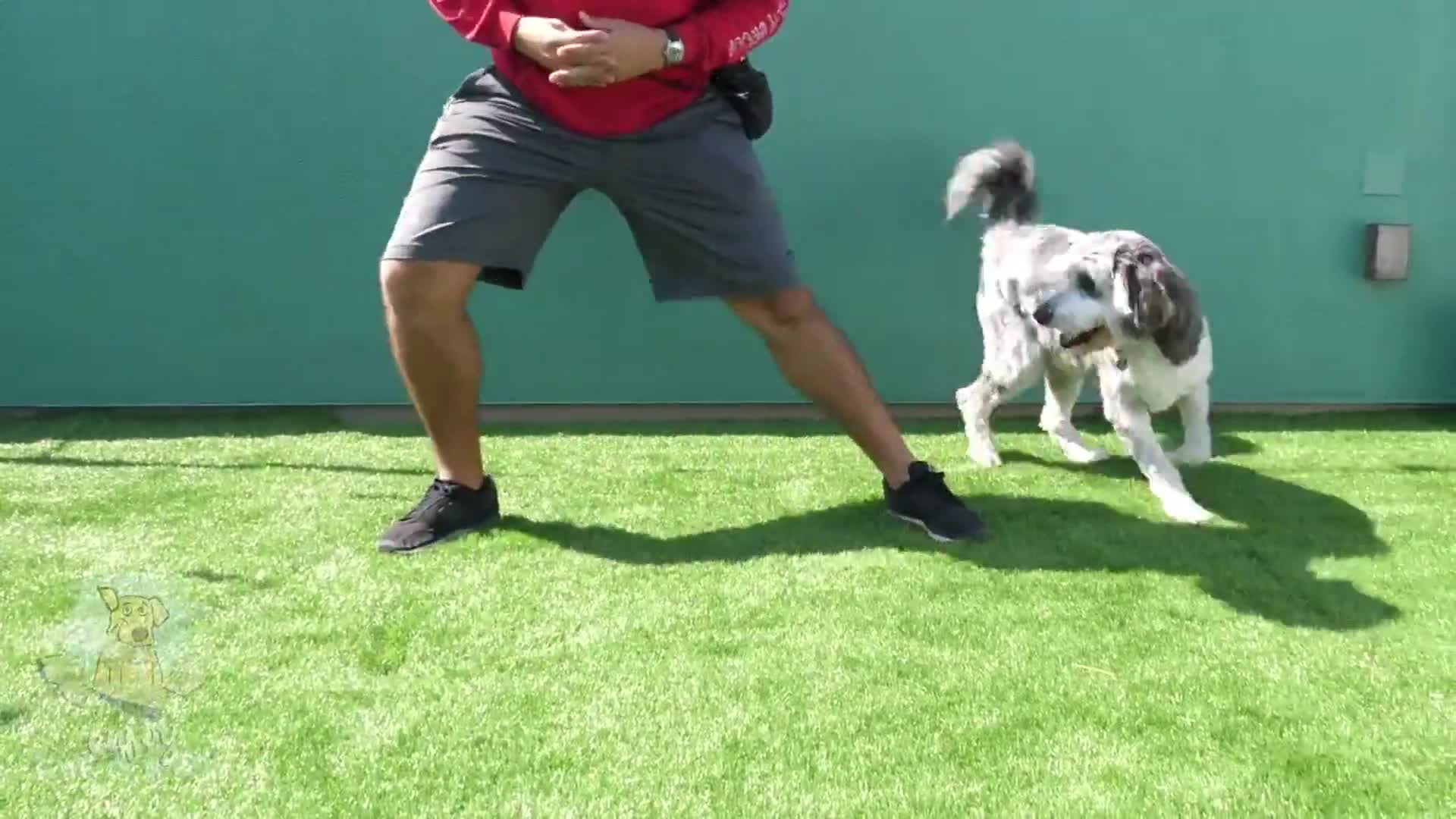
A dog training technique called crazy eights is aimed at enhancing the dog's confidence and focus by weaving around the owner's legs in a figure-eight pattern.
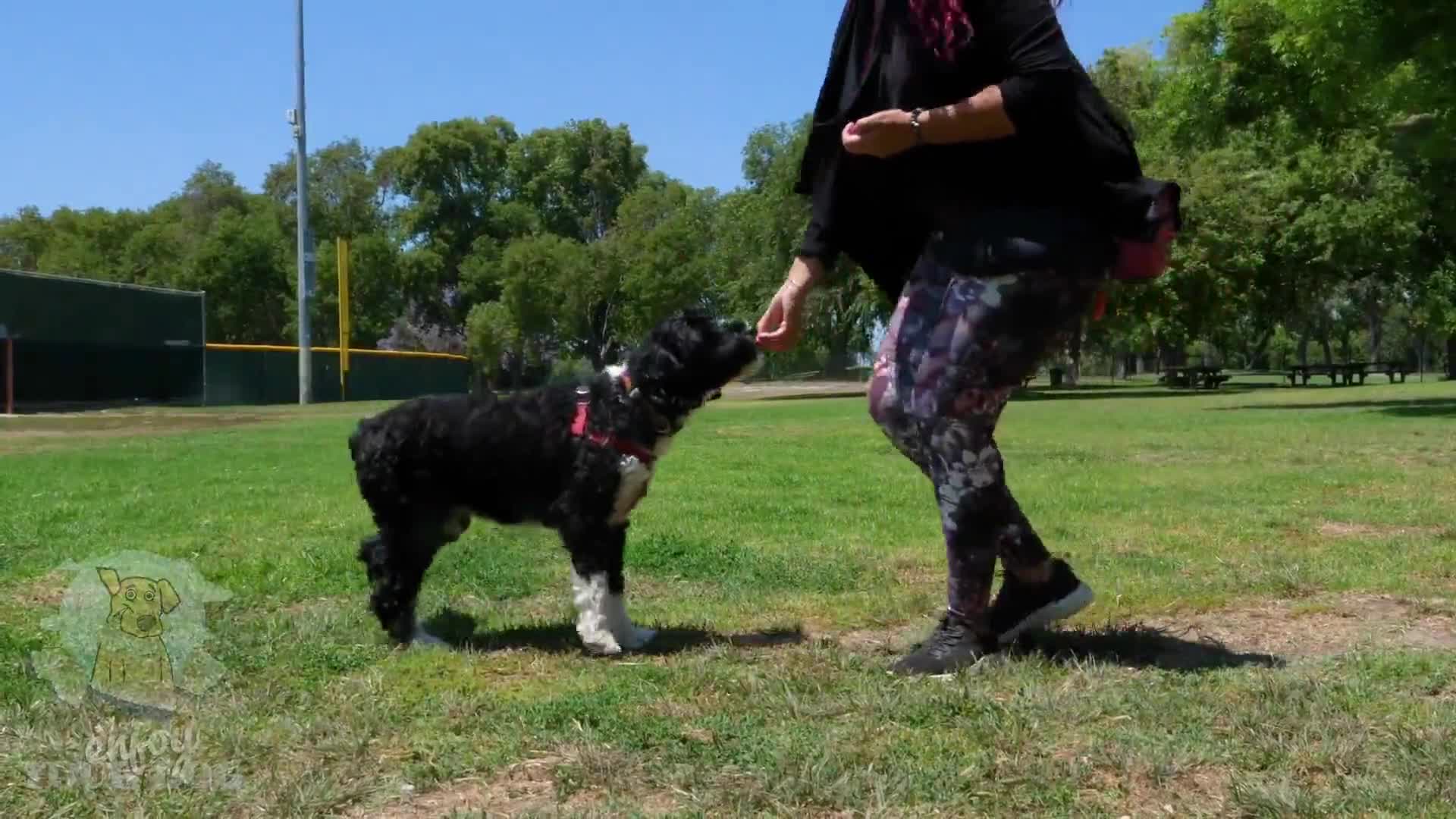
It is important to make training enjoyable for both the dog and the owner by creating a fun routine of tricks.
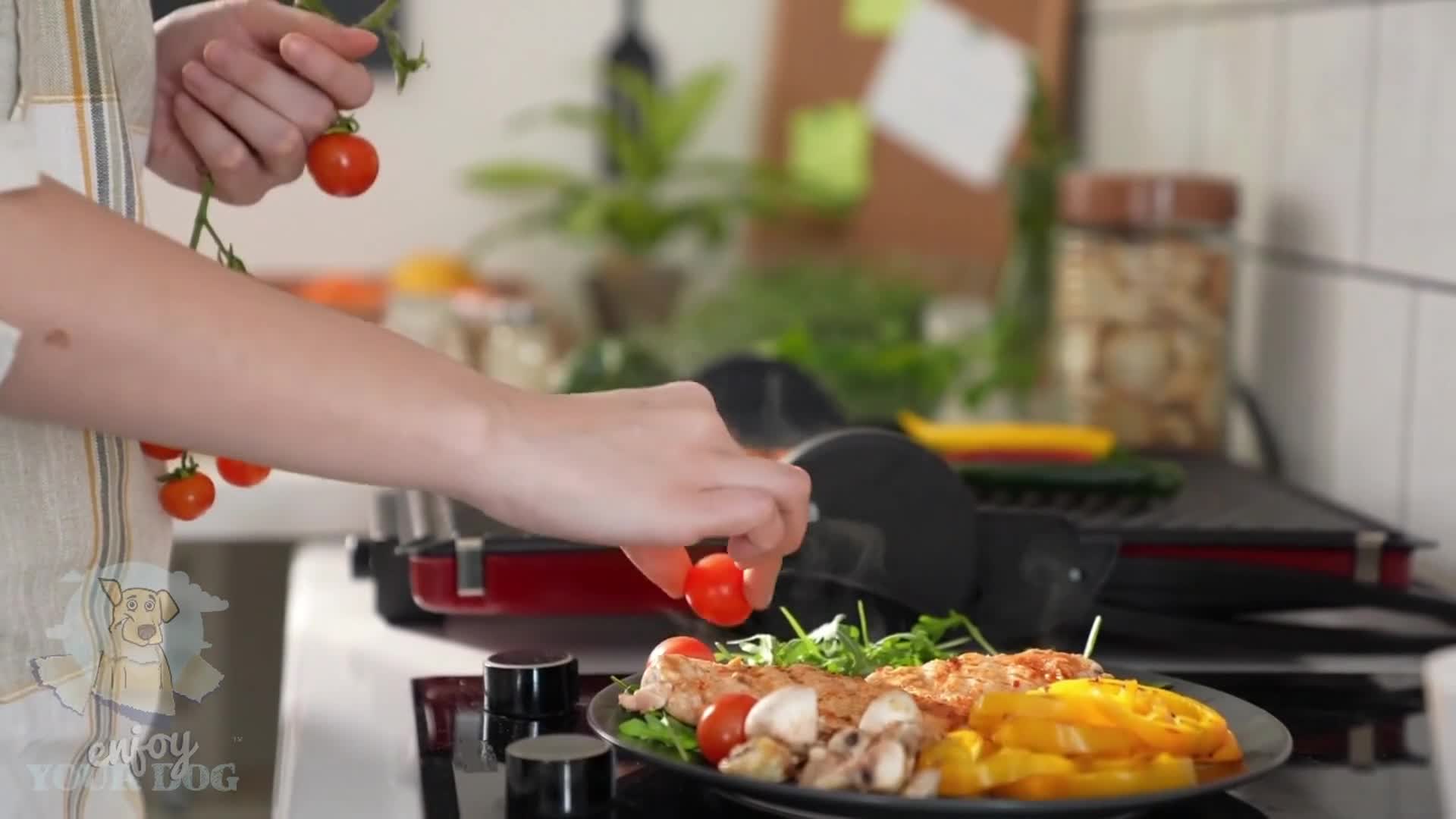
Bonding over preparing a safe, nutritional meal for dogs, highlighting the need to verify ingredient safety and suggesting beef, chicken, and vegetables, among others.
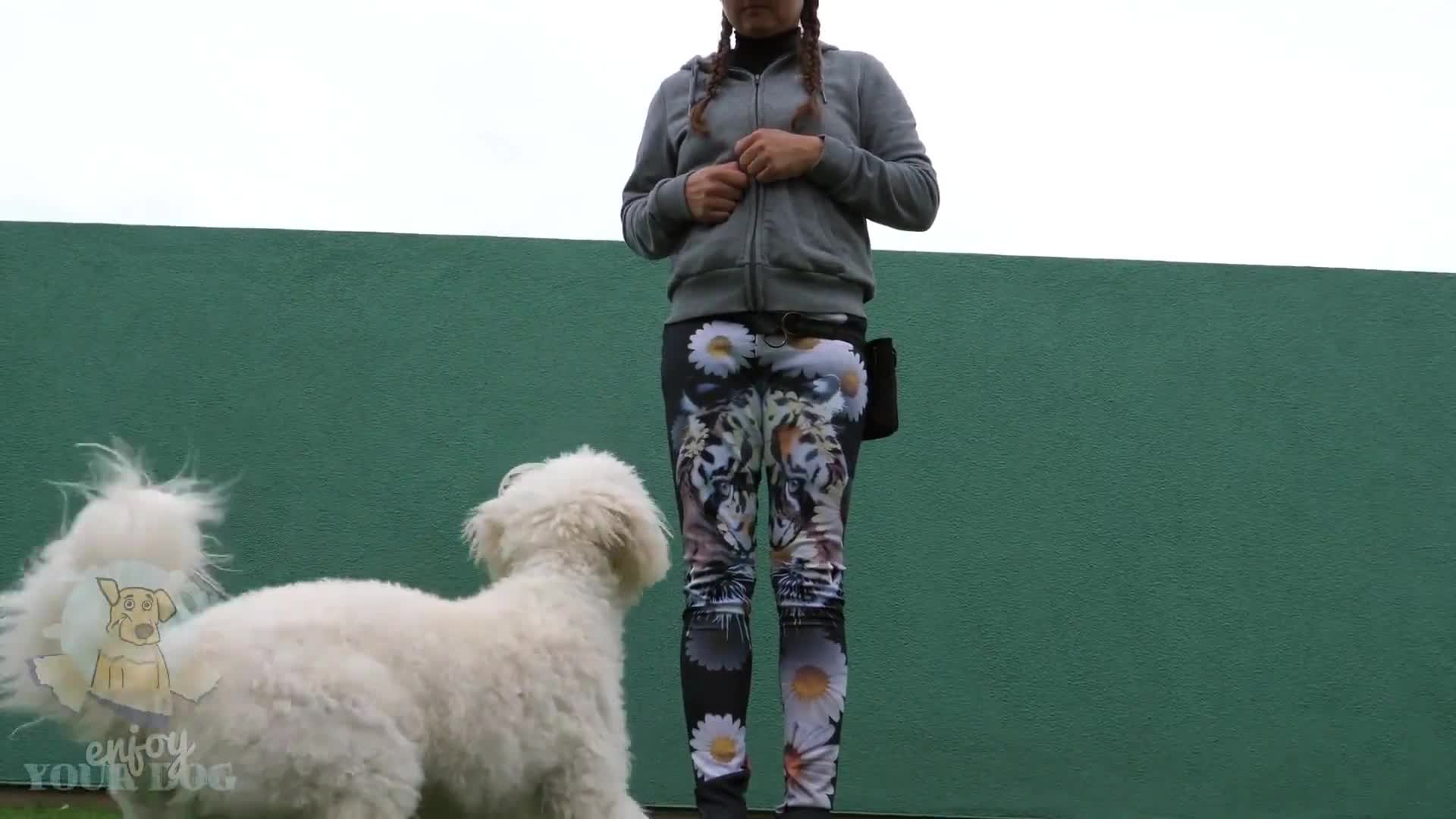
The importance of maintaining consistent hand positions during dog training to minimize distractions and enhance communication.
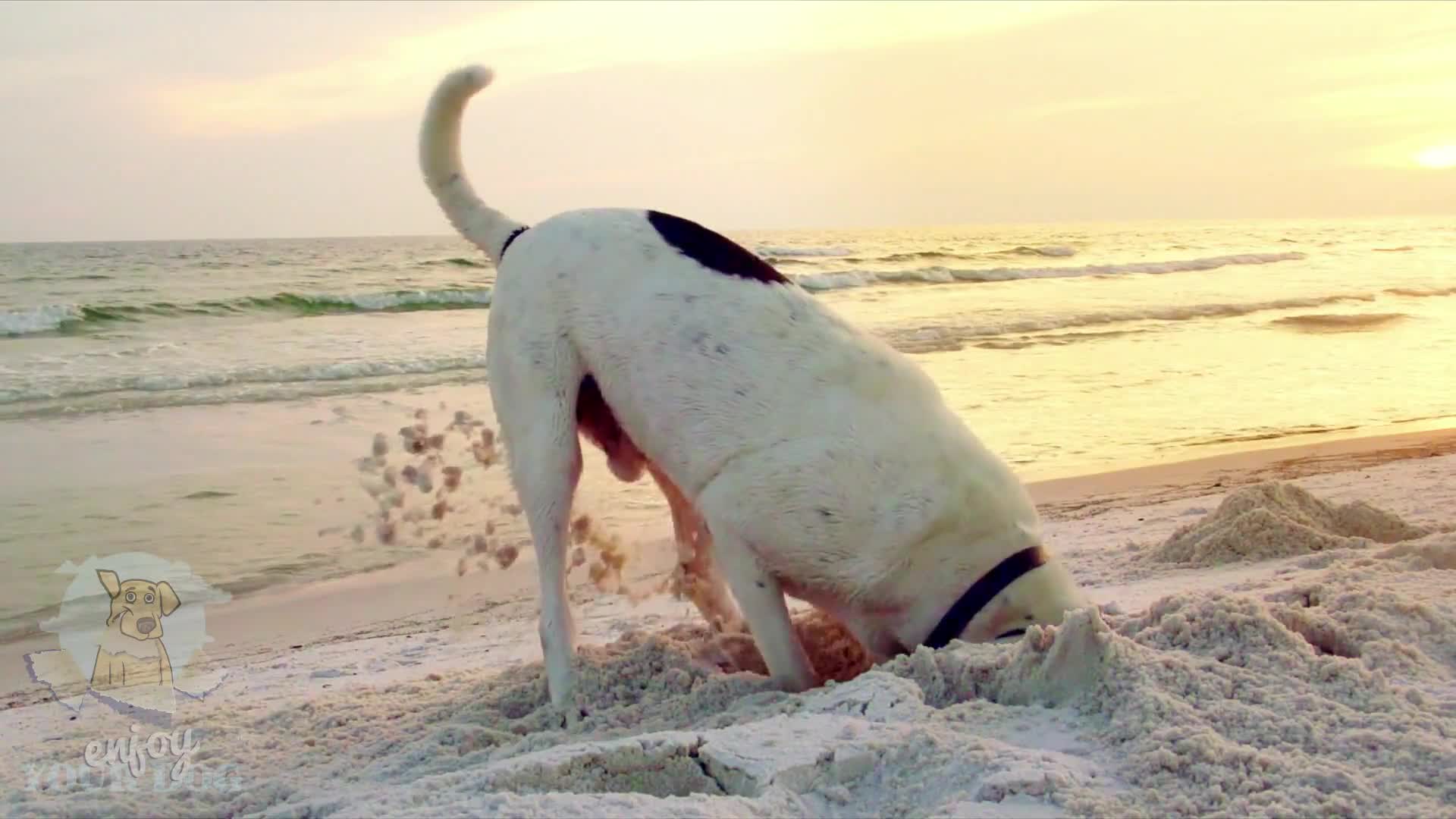
The impact of genetic makeup and life experiences on a dog's behavior, the transcript advises providing breed-specific outlets like flirt poles for sight hounds, sand pits for terriers, herding ball games for herding breeds, and snuffle mats for scent work to address their natural inclinations.
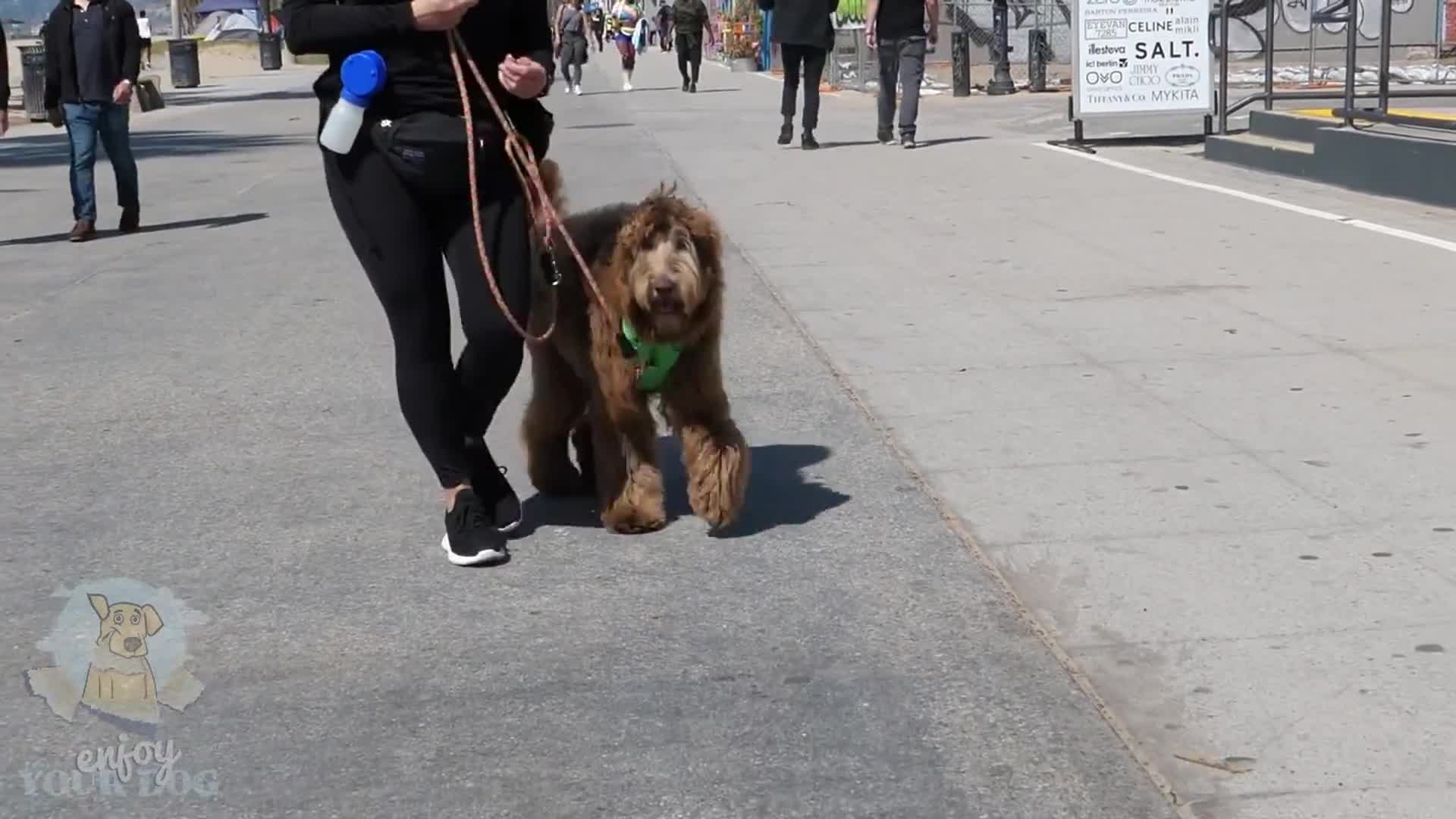
Training dogs to maintain behaviors amidst distractions by focusing on distraction, duration, and distance, noting the importance of observing the dog's body language and adjusting accordingly.
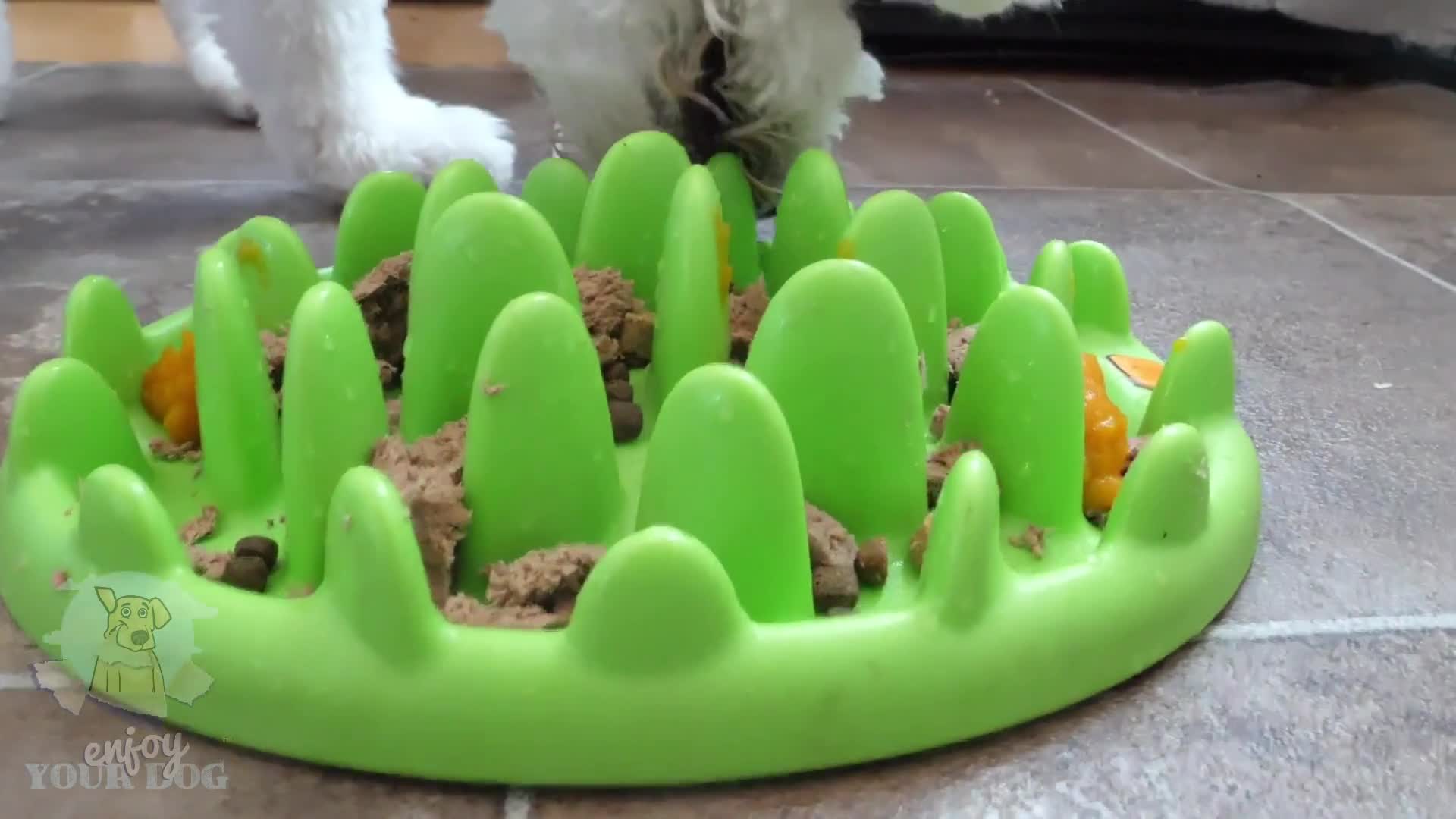
Advocate for enriching dogs' mealtime, by replacing bowls with interactive feeders, like rubber kongs, and employing scatter feeding or snuffle mats to engage dogs' natural foraging instincts.
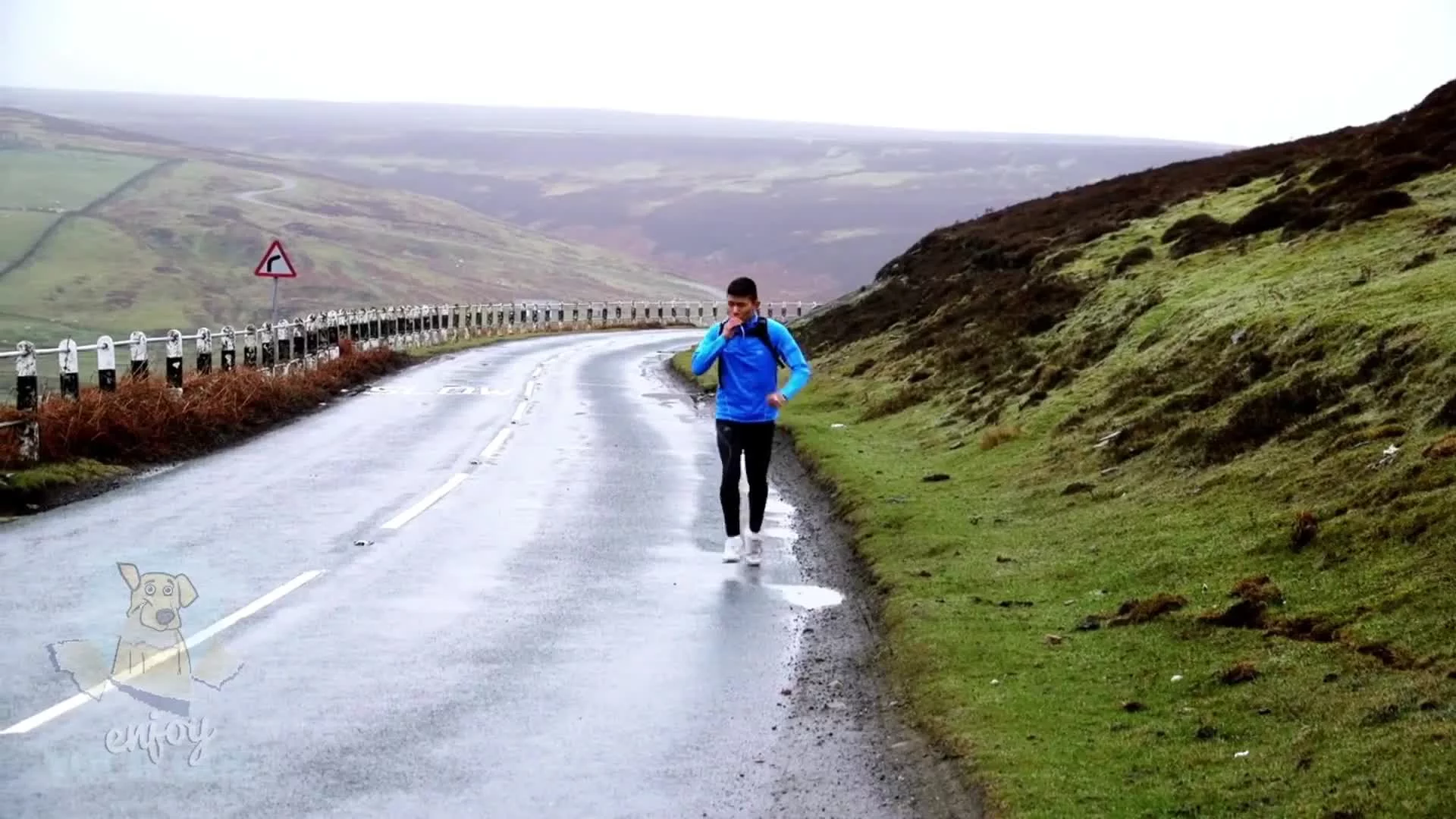
A strategy for dog owners to manage their pets' reactions to stimuli during walks by crossing the street to avoid potential triggers, emphasizing the importance of proactive space creation for the dog's calmness and successful outings.
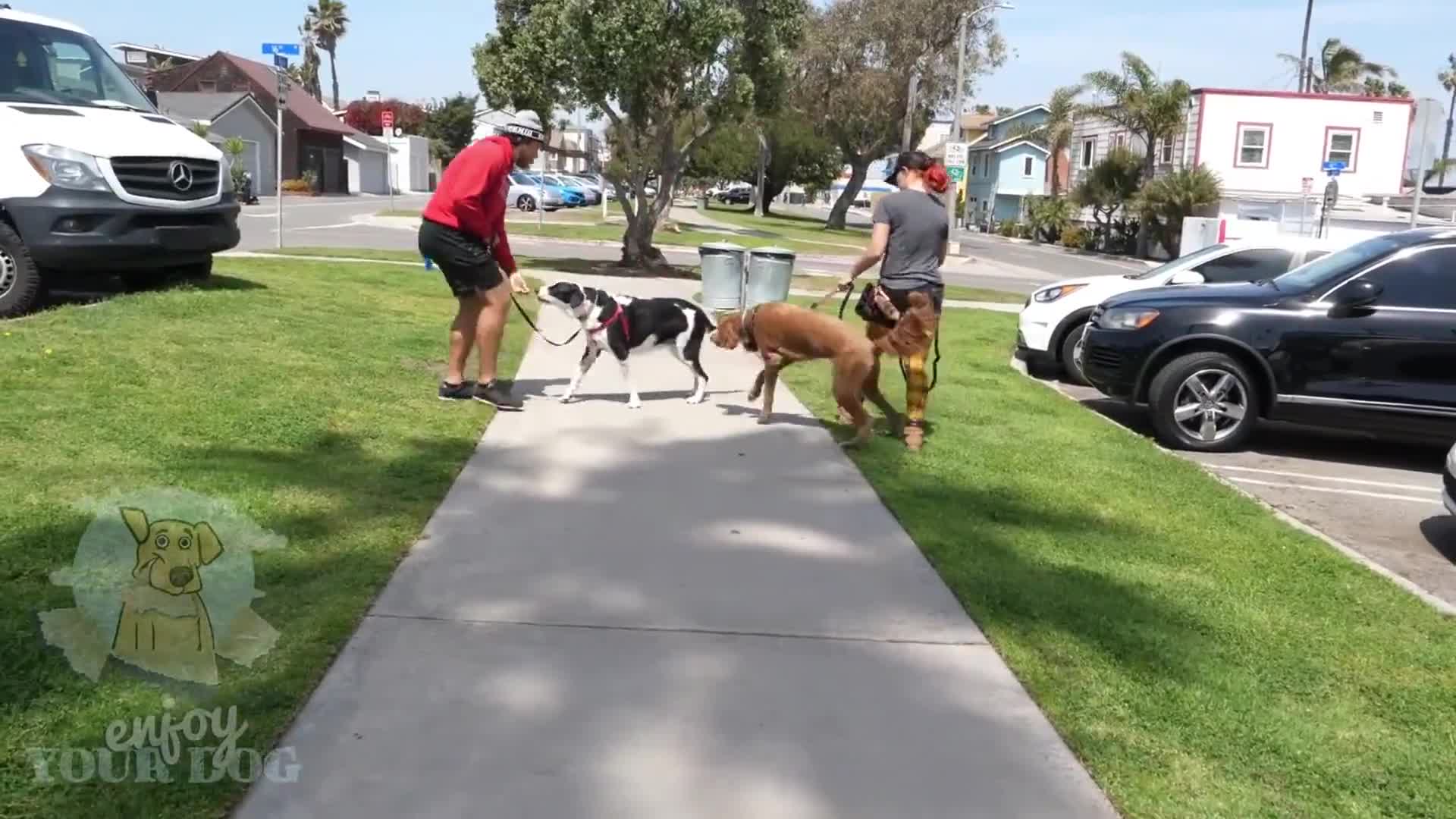
Training a dog to face its owner to avoid distractions on walks, using treats for positive reinforcement.
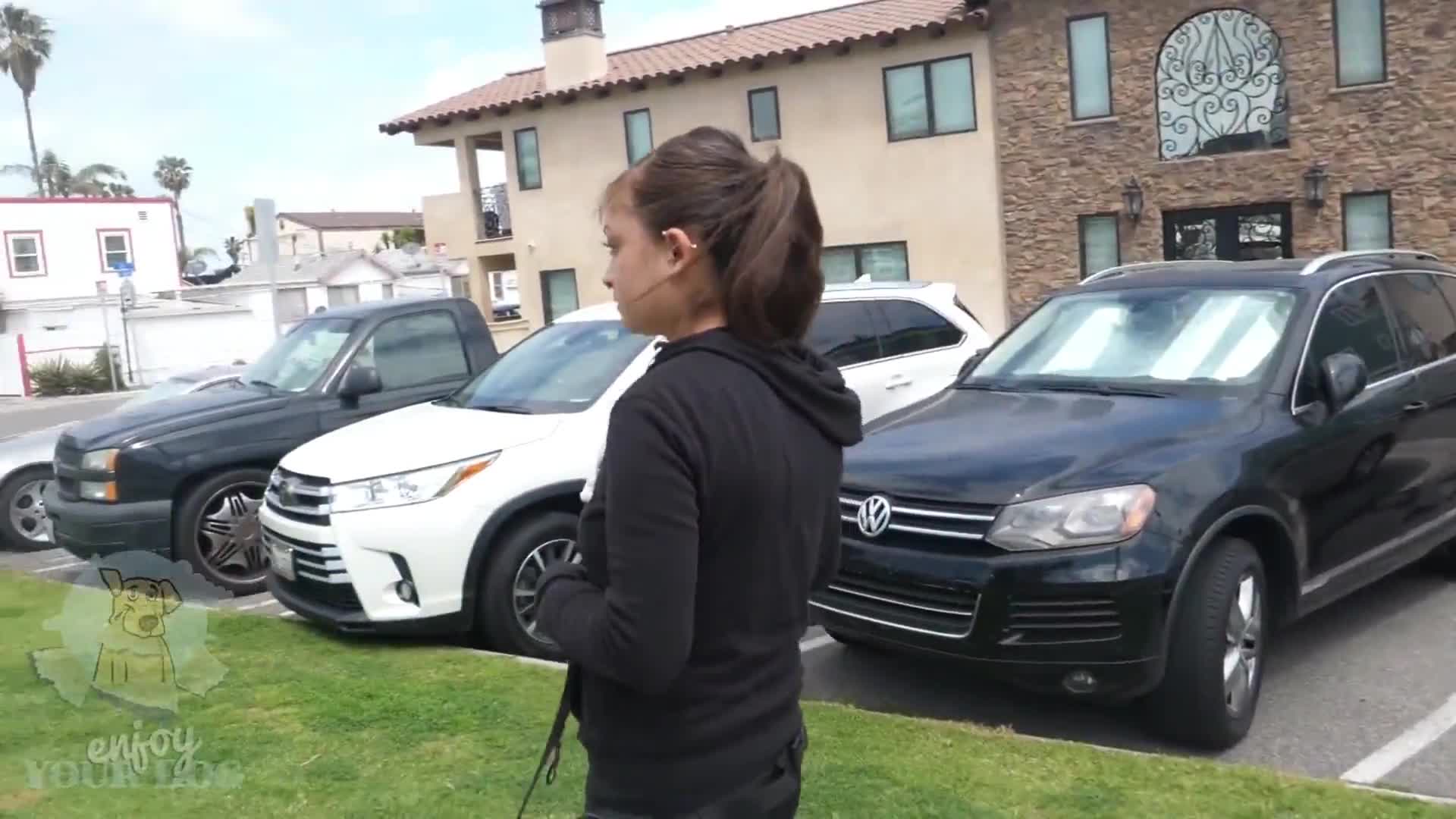
The u-turn is for avoiding distractions or stress, utilizing body language, hand targets, or food lures for a 180-degree turn, and rewarding compliance.
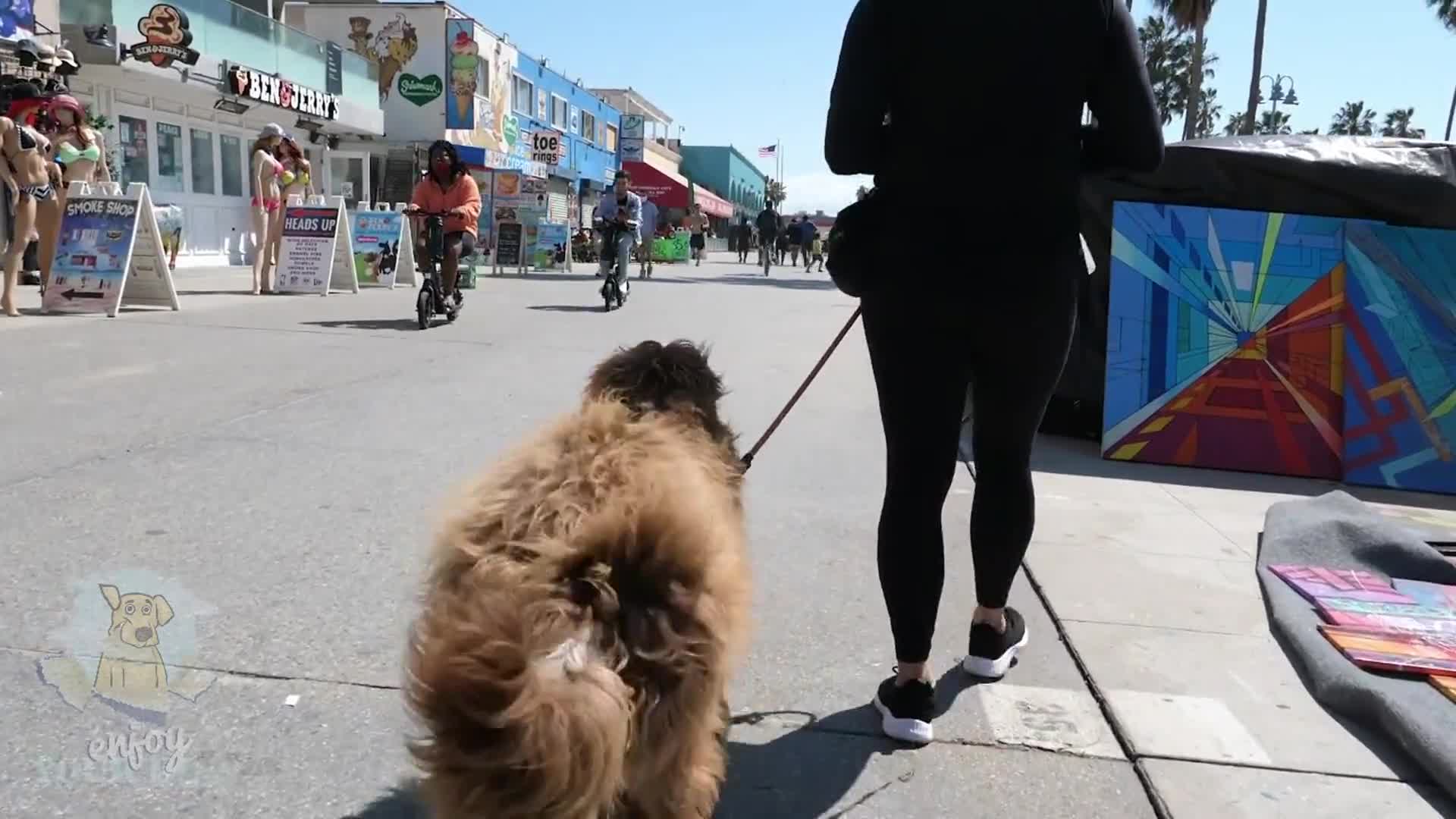
Using a treat magnet and high-value rewards, the technique focuses on taking preventative action to guide dogs past distractions by holding treats at nose height, ensuring their focus remains on the handler. It
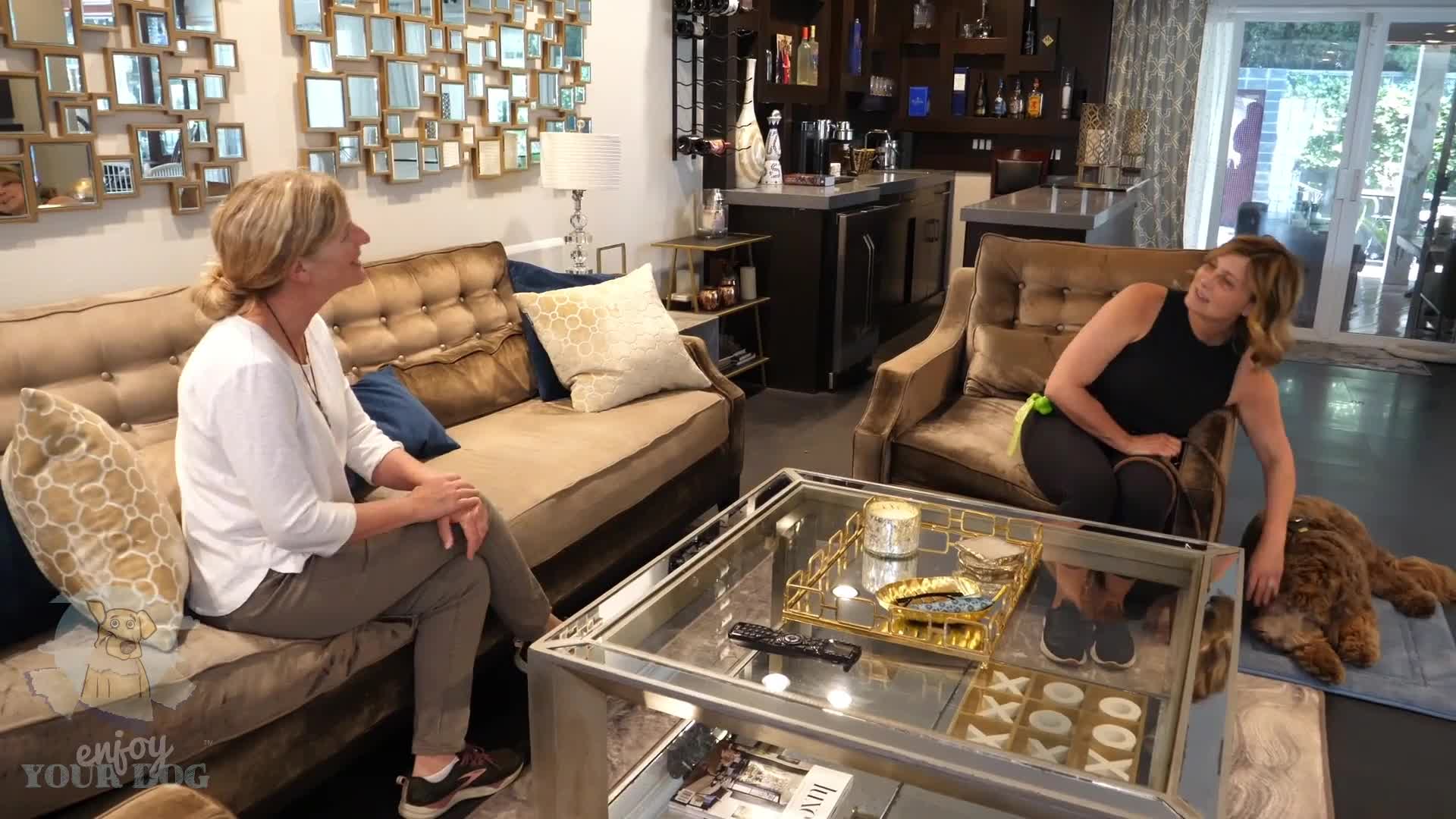
Transition from using barriers and leashes to prevent unwanted behaviors like counter surfing, to teaching dogs to settle on a mat.
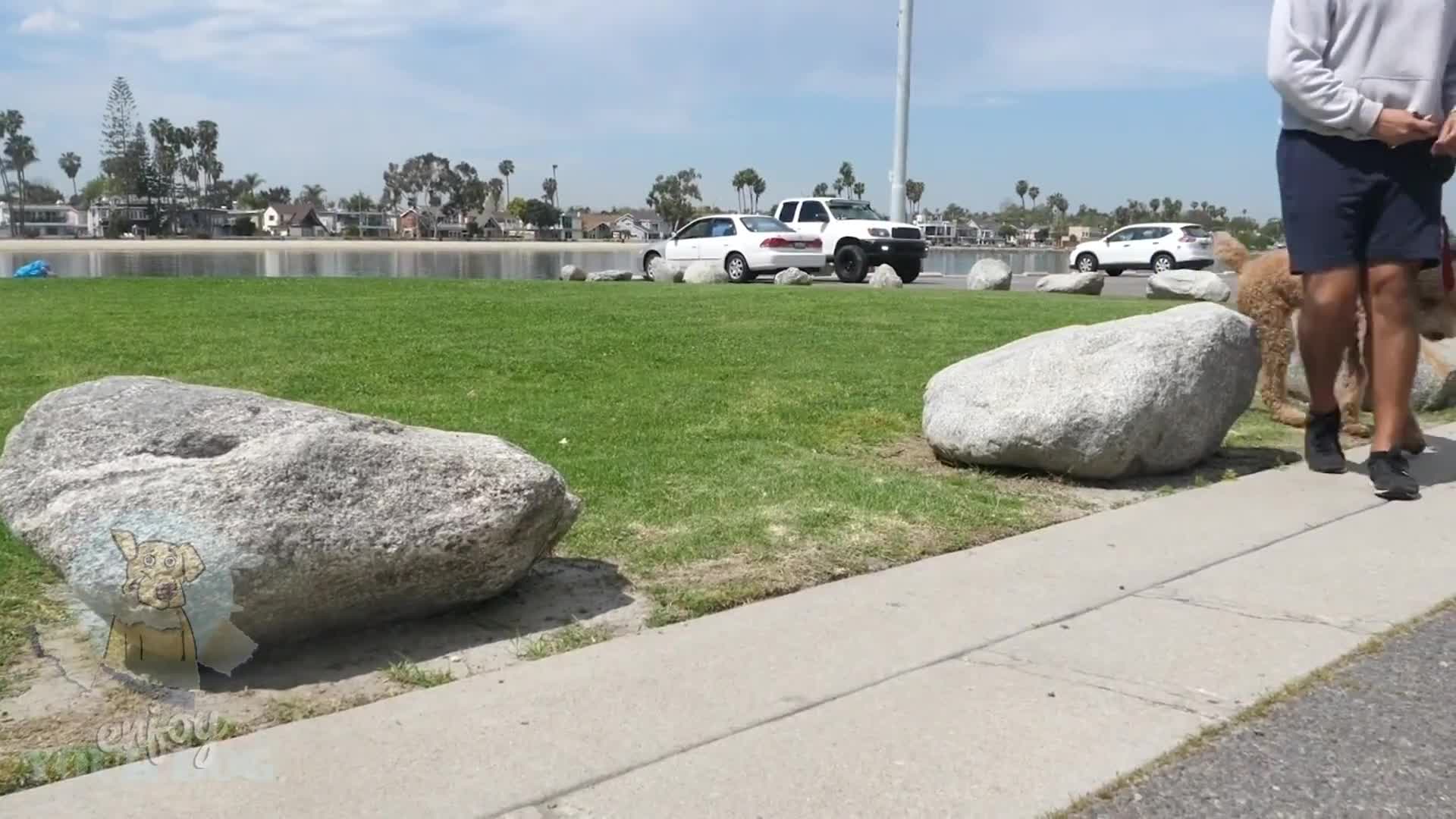
Once you have taught your dog the position you would like them to walk in, you can start to develop their walking skills further. Figure eight can help your dog practice turning while remaining on a loose leash. Throughout as you walk, you can reward your dog by your side. When the leash is slack, start off by setting out two objects to walk around in a quiet area. By walking in figure eight, you will be able to practice turning away from and towards your dog.
If they turn with you, mark and reward them by your side. If they start to pull forward or back, stop moving and encourage them back to your side before continuing. When your dog is getting good at this, you can practice using obstacles you find on your walks, such as planters, trees, or even bike racks.
Not only are you building excellent walking skills, but you are teaching your dog to ignore objects. You are moving around and building up their confidence in novel situations. Happy training.
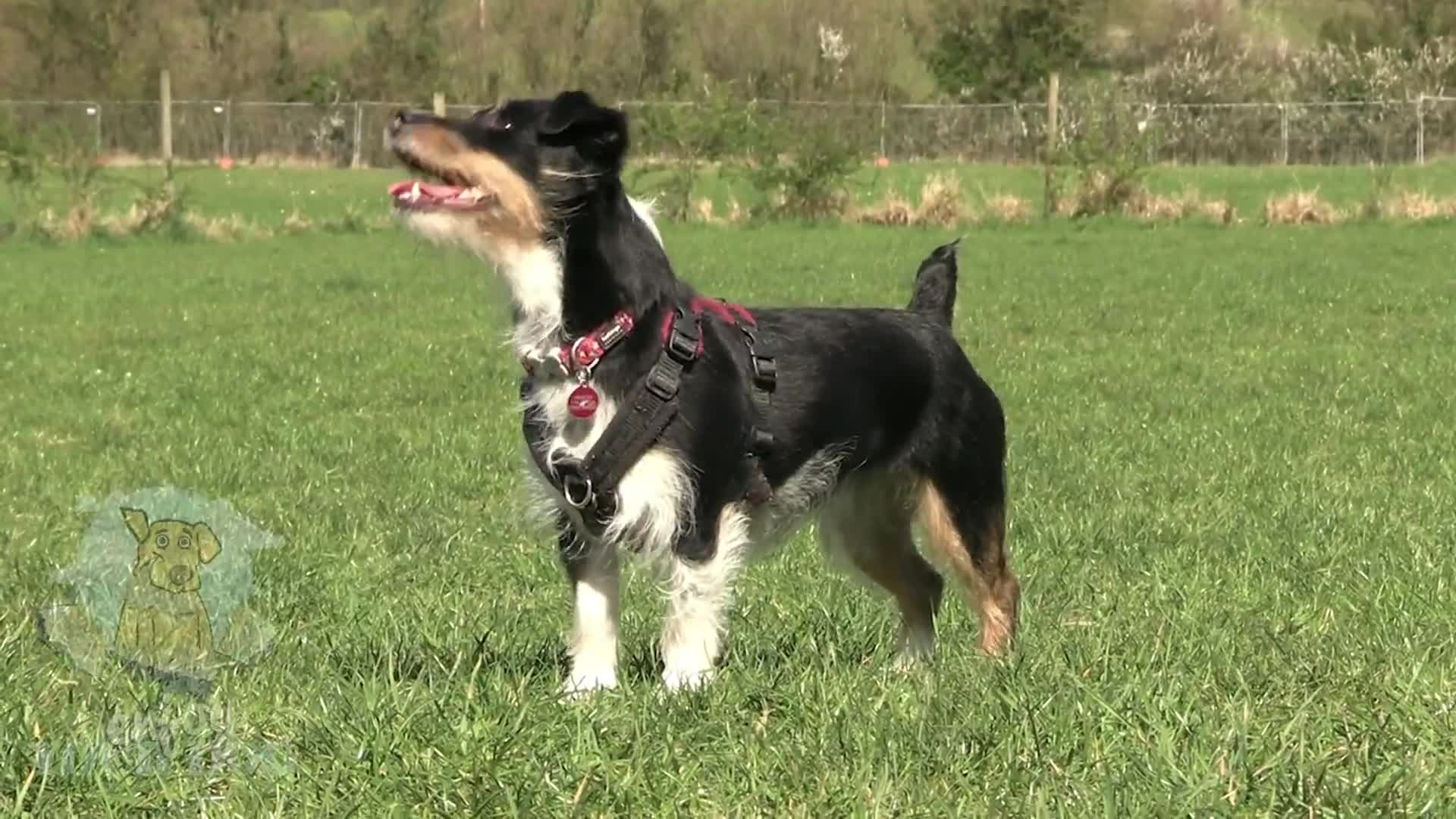
Using a flirt pole to mimic prey, encouraging chase and capture to prevent inappropriate behaviors.
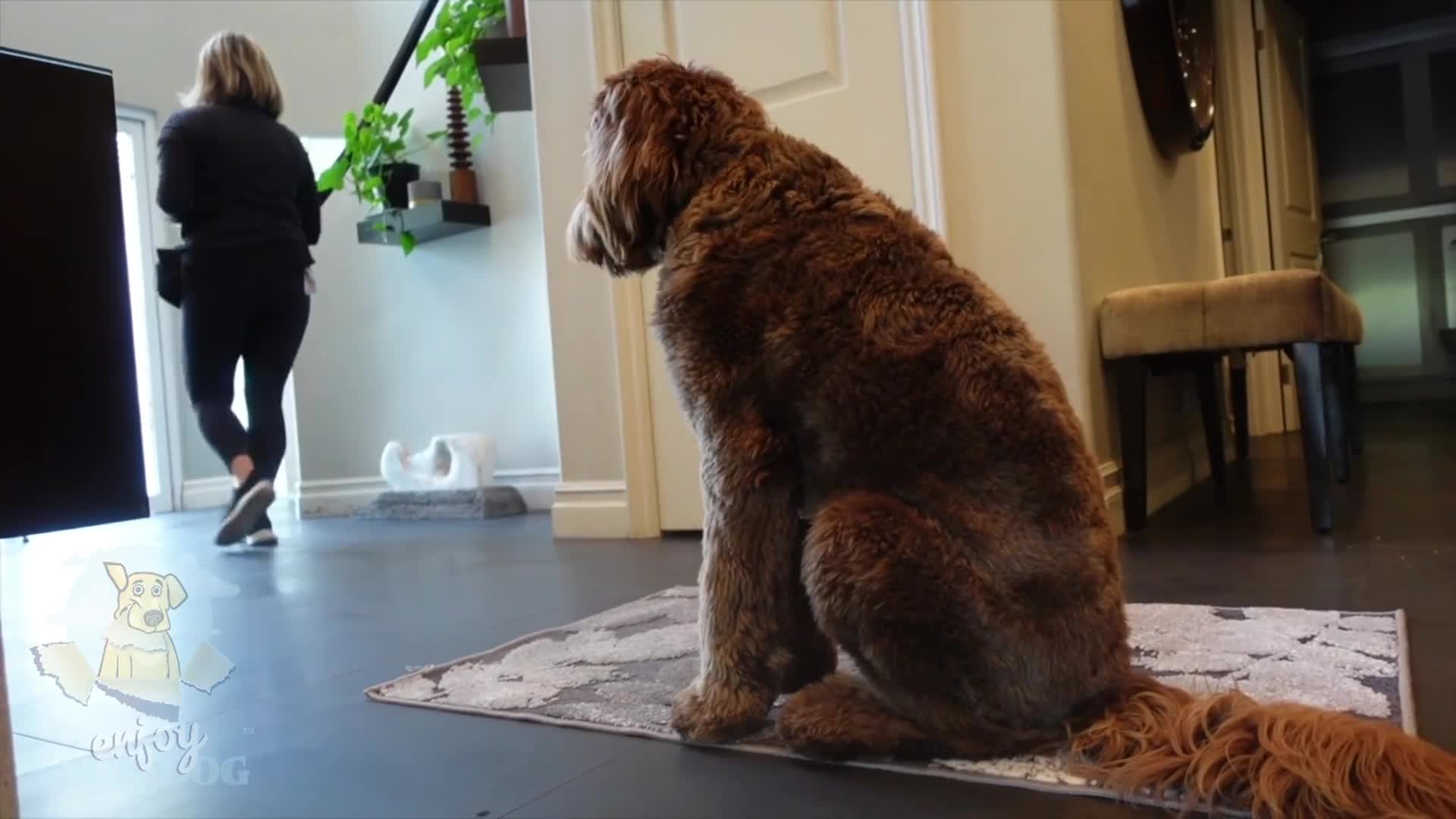
Whether you're welcoming guests into your home, answering the door, or simply need a moment to collect the mail without your dog underfoot, teaching them to move to a specific spot can be a game-changer.
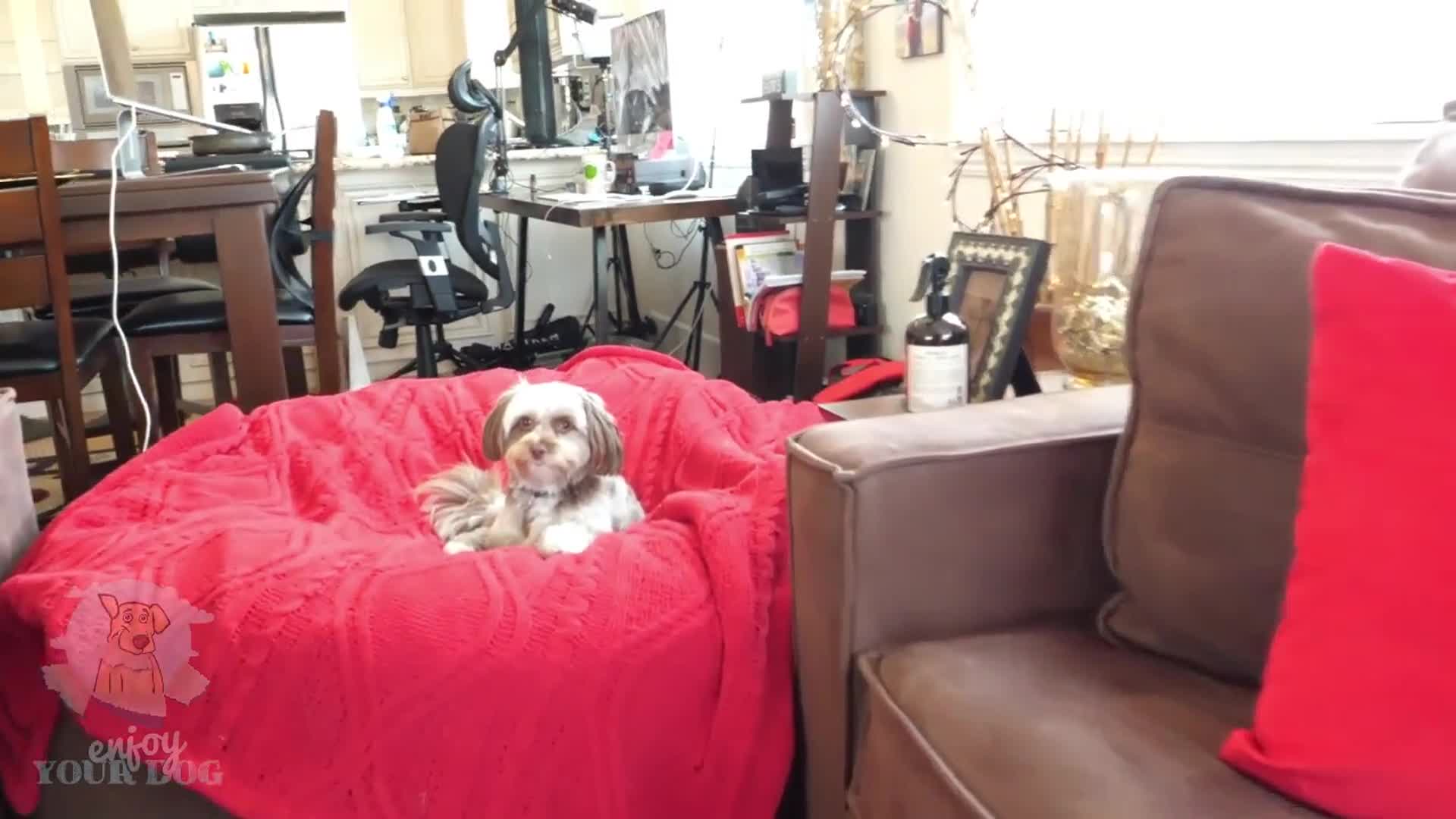
Training a dog to settle in their bed on cue involves building value in the bed through treats and using a safe space like a crate or pen.
One way to supercharge your dog's recall is by playing fun games.
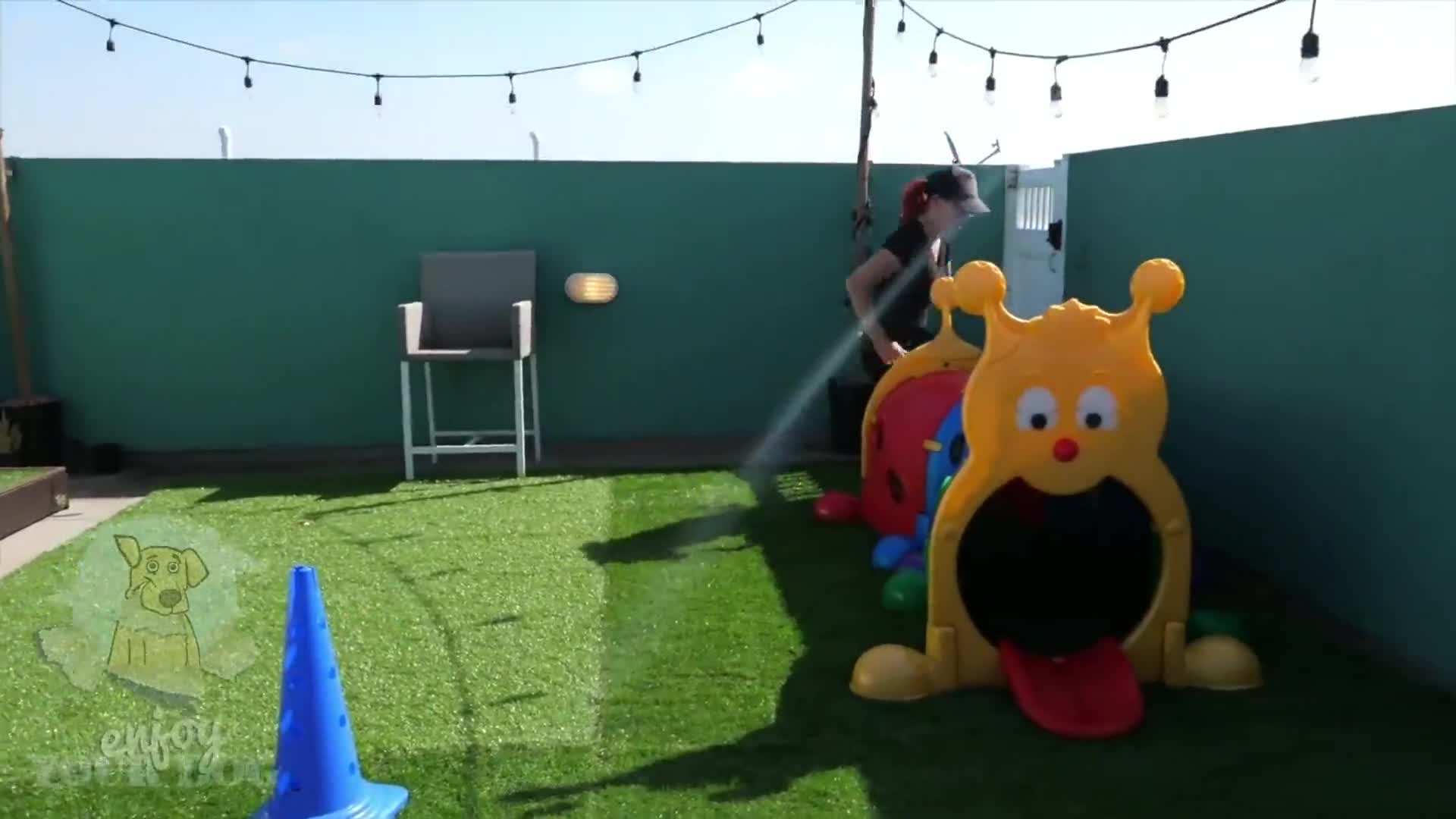
A training game called hide and seek enhances a dog's recall response.
Maintaining a structured routine for dogs during adolescence to mitigate frustration by ensuring predictability amidst their physical and emotional changes.
The significance of olfactory stimulation in enriching dogs' lives, advocating for owners to allow their pets ample sniffing time during walks.
Addressing adolescent dogs' development, choosing suitable playmates, and overseeing interactions to avert inappropriate play and altercations.
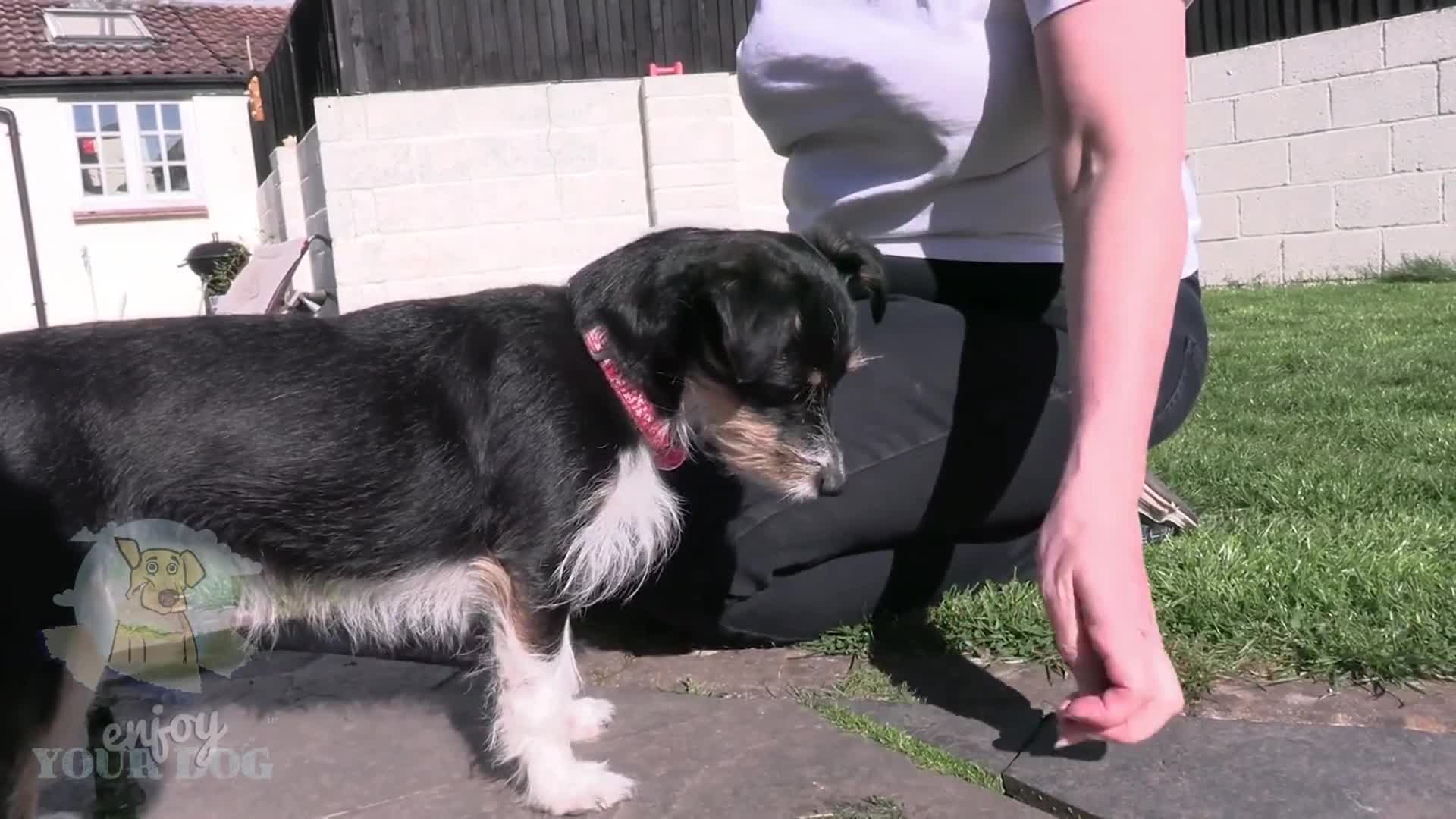
A training strategy for the 'leave it' command incorporates kibble, a superior treat, verbal cues, a mark-and-reward system, and techniques like resetting hands and covering the food to enhance a dog's self-control.
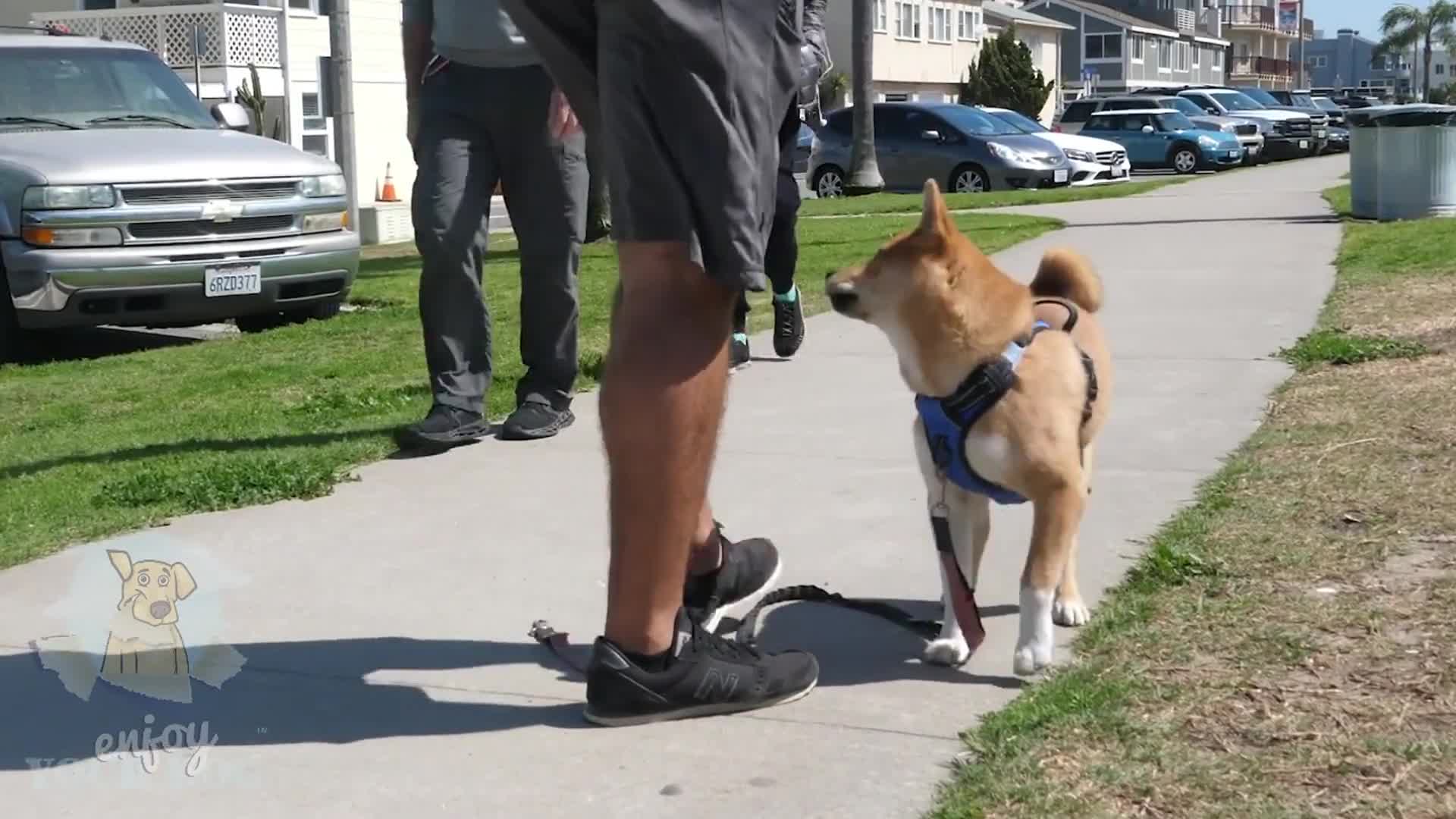
Teaching adolescent dogs to greet people appropriately, focusing on controlled outdoor introductions, using treats, and a designated greeting spot to encourage calm behavior.
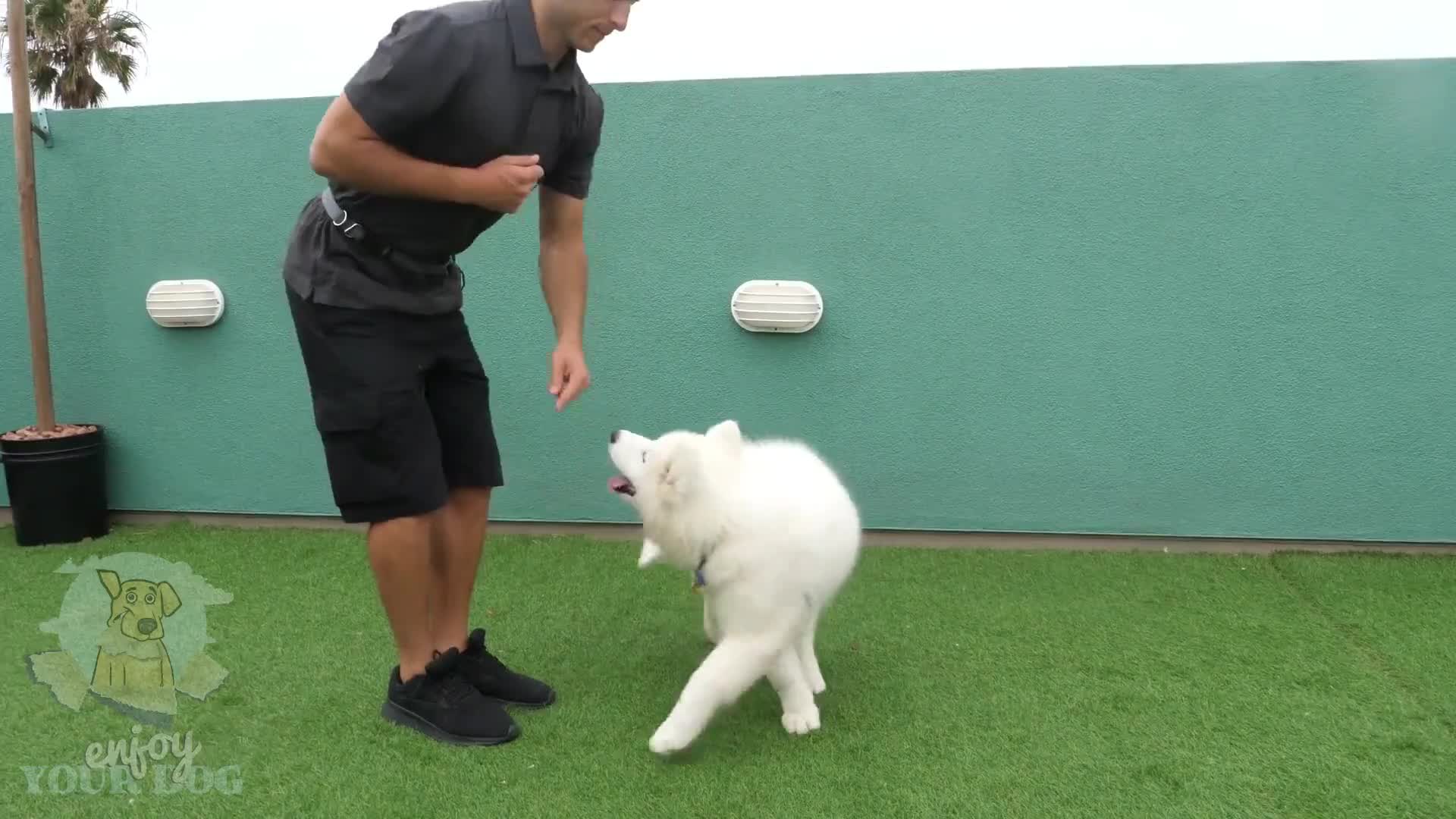
Targeting, using a nose target or paw/rear feet, is detailed as a strategy for teaching dogs new behaviors by rewarding them for moving towards a target and gradually moving the target to guide actions or positions.
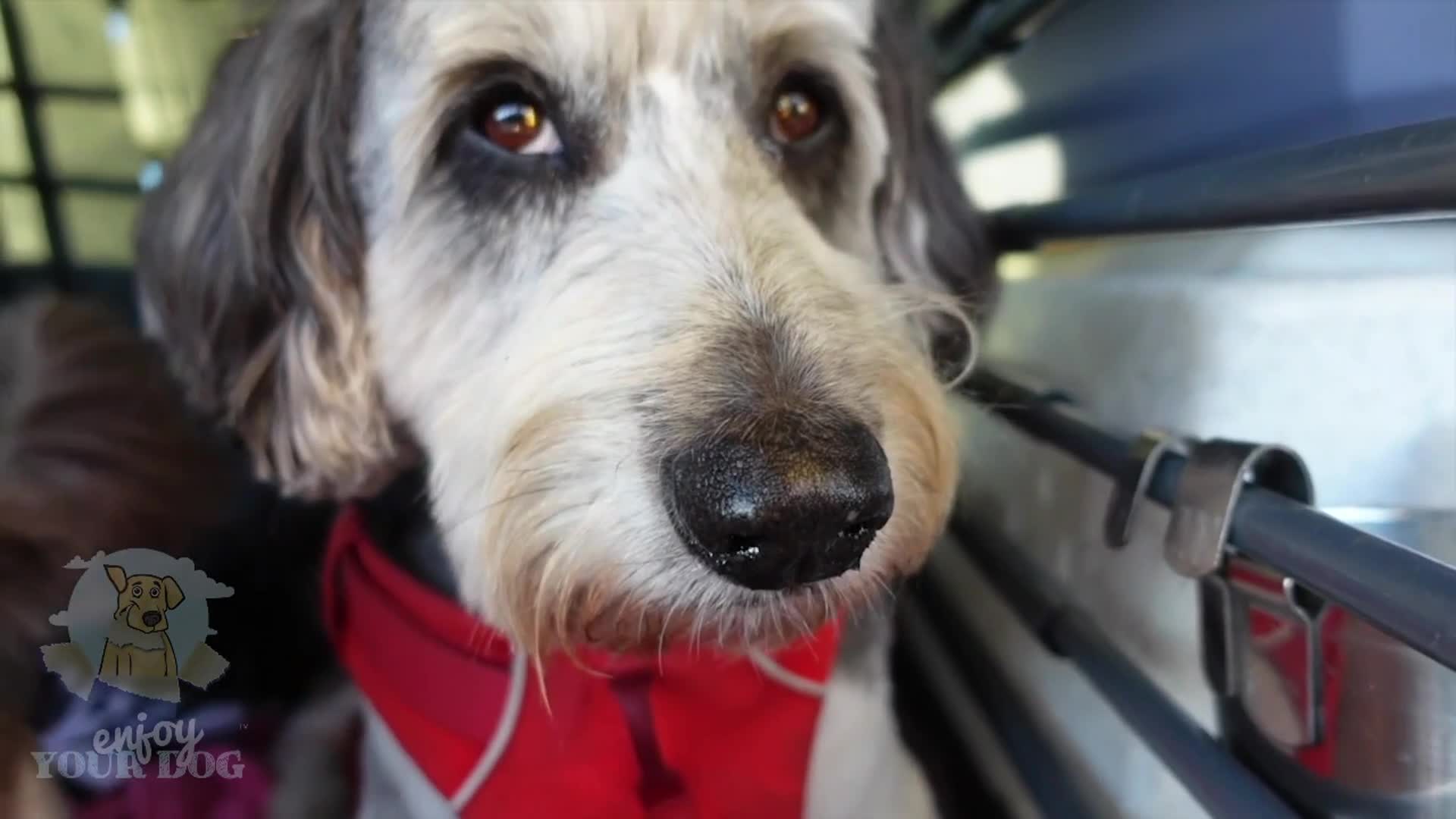
Using a ramp for dogs' safe vehicle transport, highlighting alternatives like crates or harnesses with seat belts for security. It
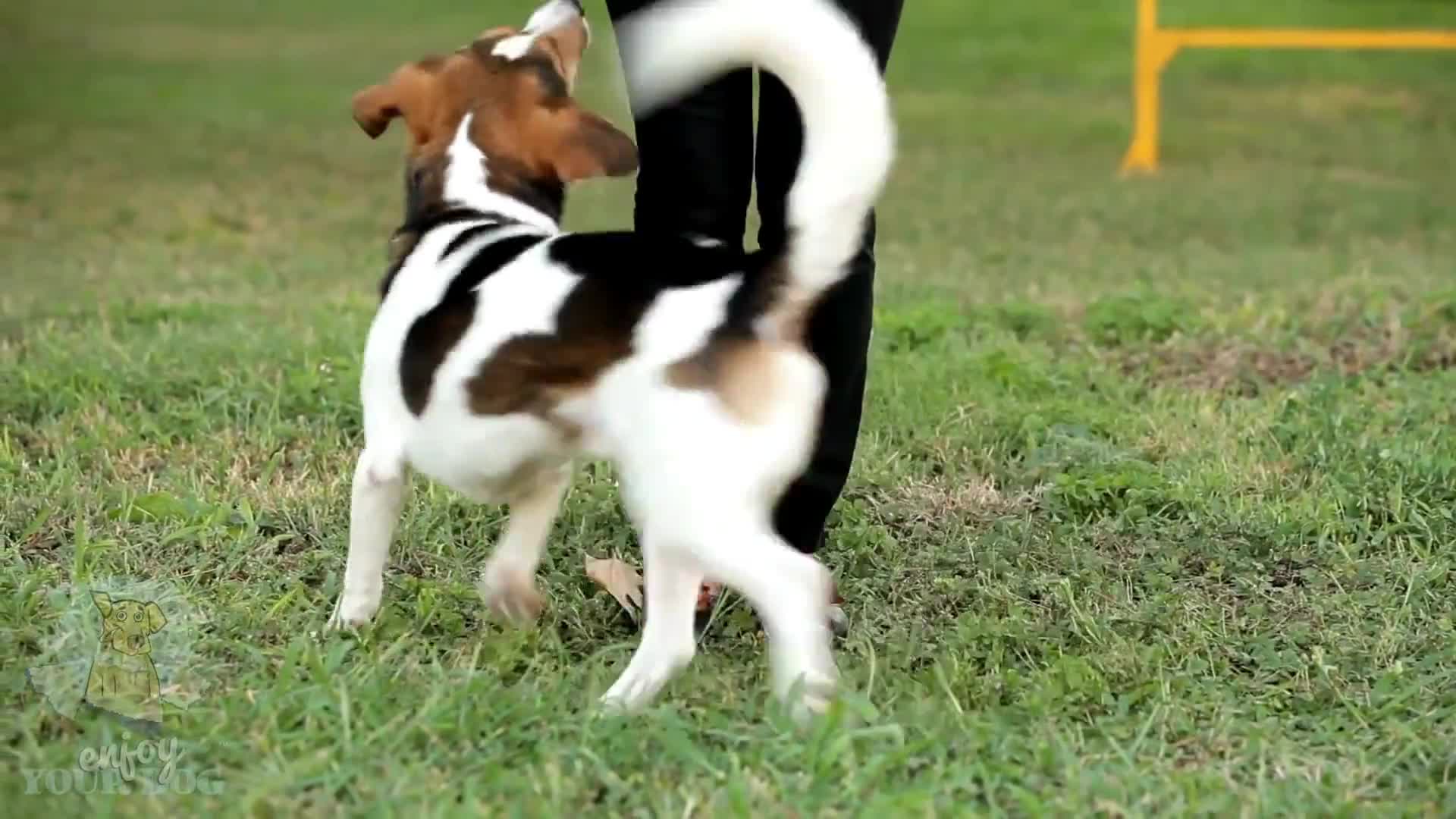
Luring leverages treats to direct dogs towards desired actions, focusing on behavior building, trust, and motivation through marked rewards and reducing treat visibility.
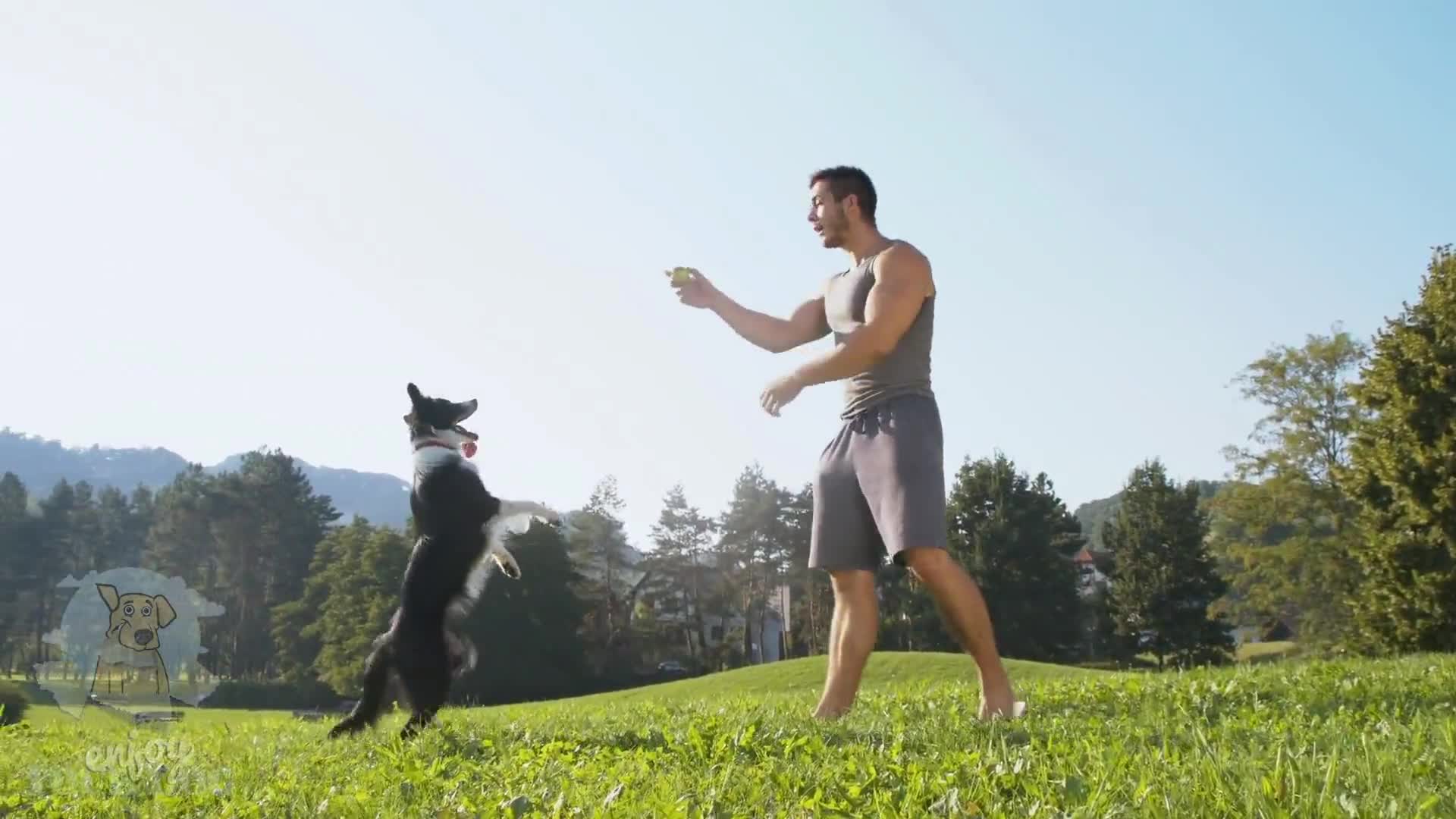
Shaping trains dogs by rewarding steps towards desired behaviors, using objects like cones, and emphasizing natural variation, strategic reward placement, and patience.
To enhance a dog's relaxation and focus, the transcript recommends picnics in quiet locations as training exercises.
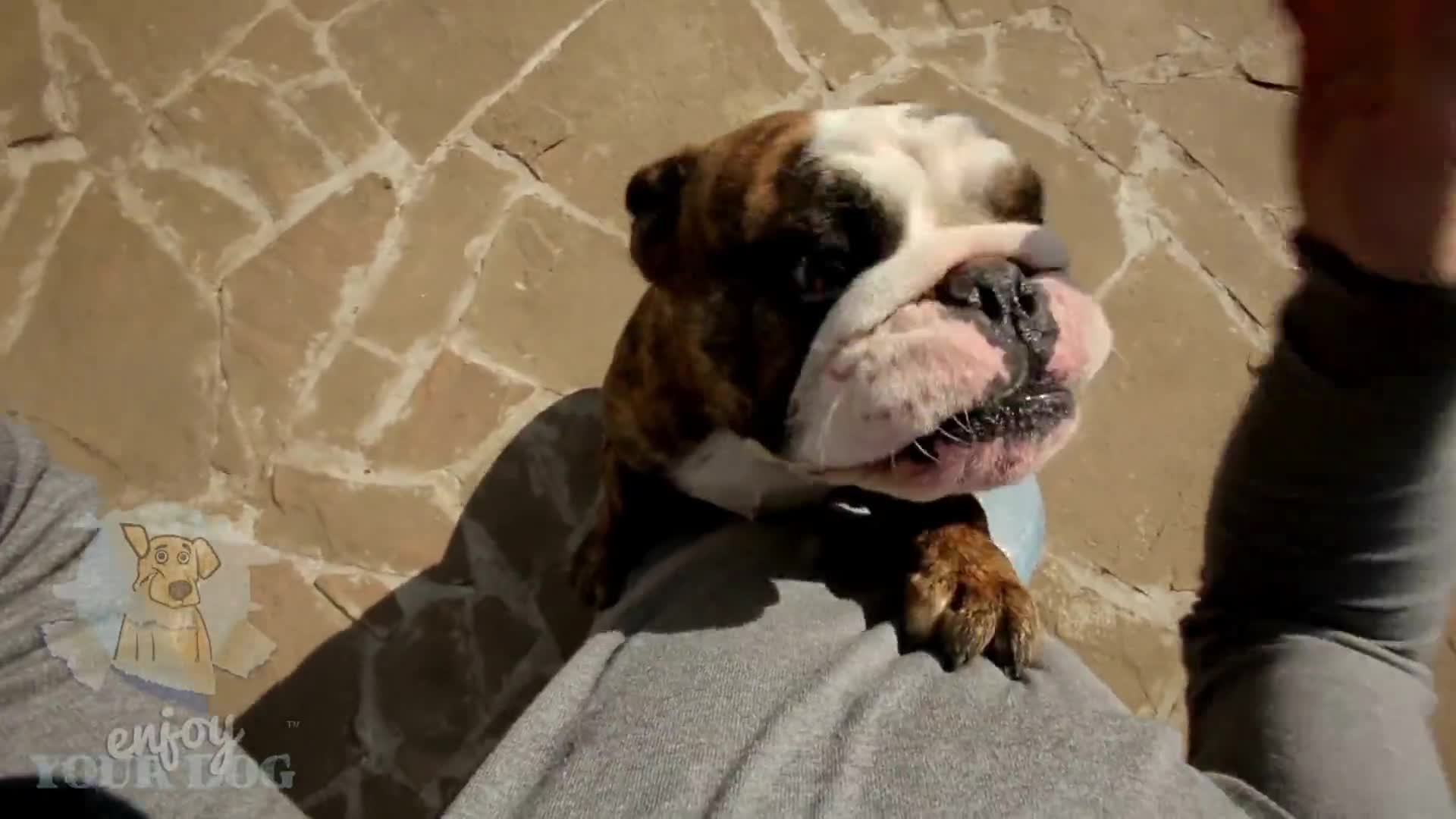
To prevent dogs from jumping up, install a barrier, use attention treats, and reward calm behaviors like sitting.
To boost a dog's confidence, the transcript suggests a training game where dogs knock over items, starting on a carpeted surface and progressing to harder ones, with rewards for success.
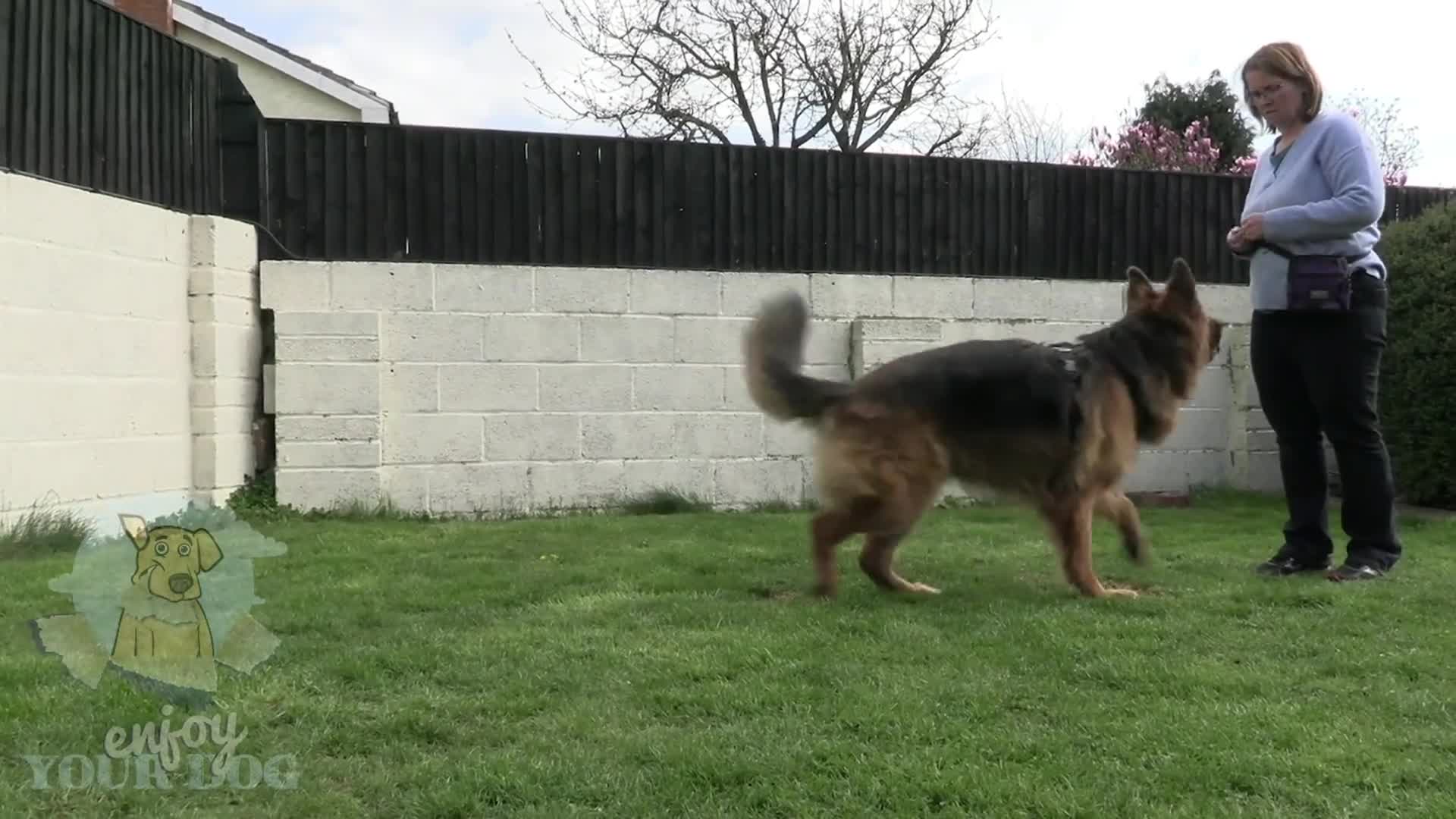
A fun trick and a method to keep their attention, it involves steps from rewarding direct mouth feeds to throwing treats for catches, emphasizing strategic reward placement, and celebrating attempts with a bonus treat.
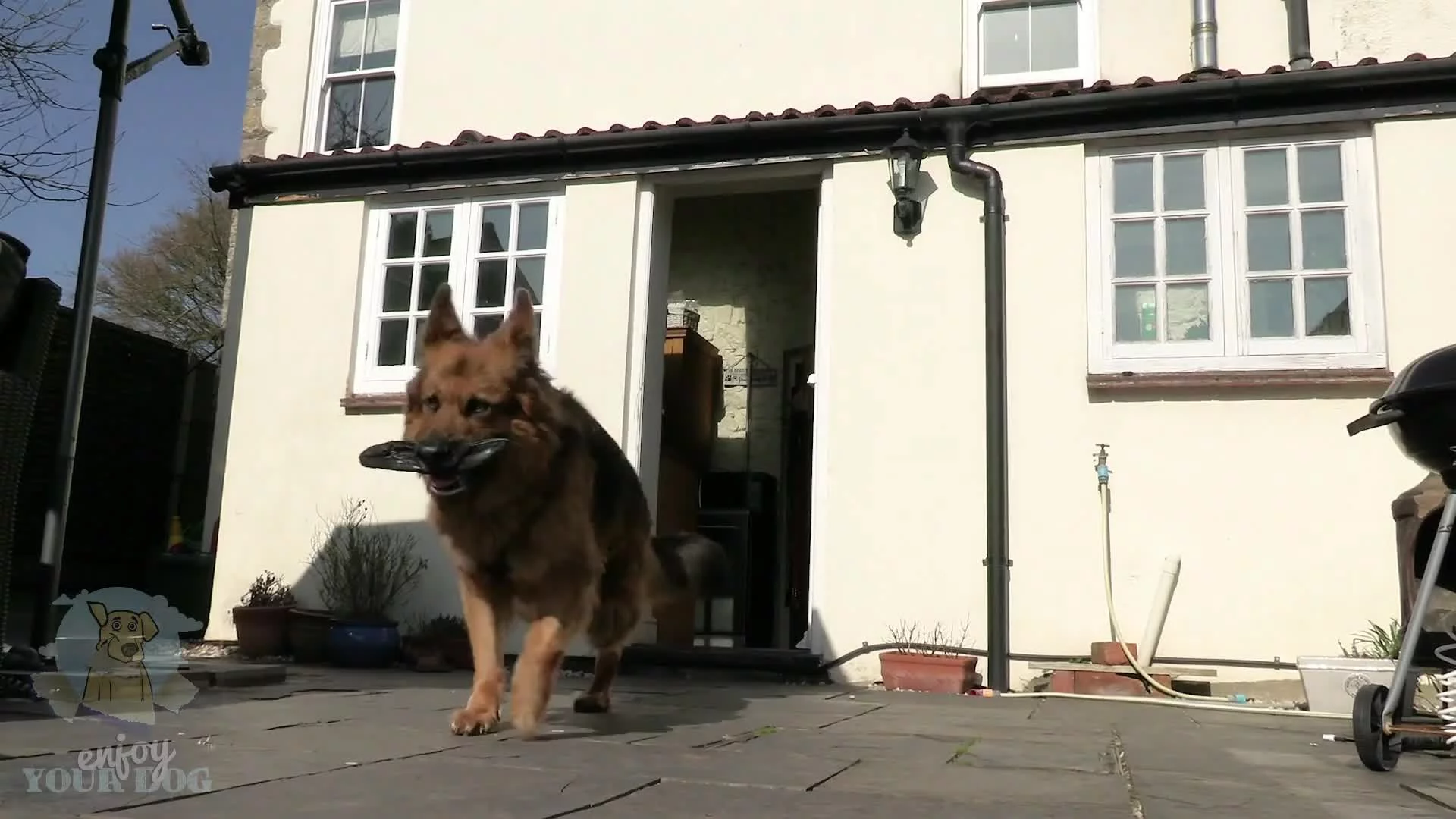
A tug game and a second toy to teach dogs to drop items on cue.
Teaching adolescent dogs who struggle with body awareness to walk backward enhances their controlled movement.
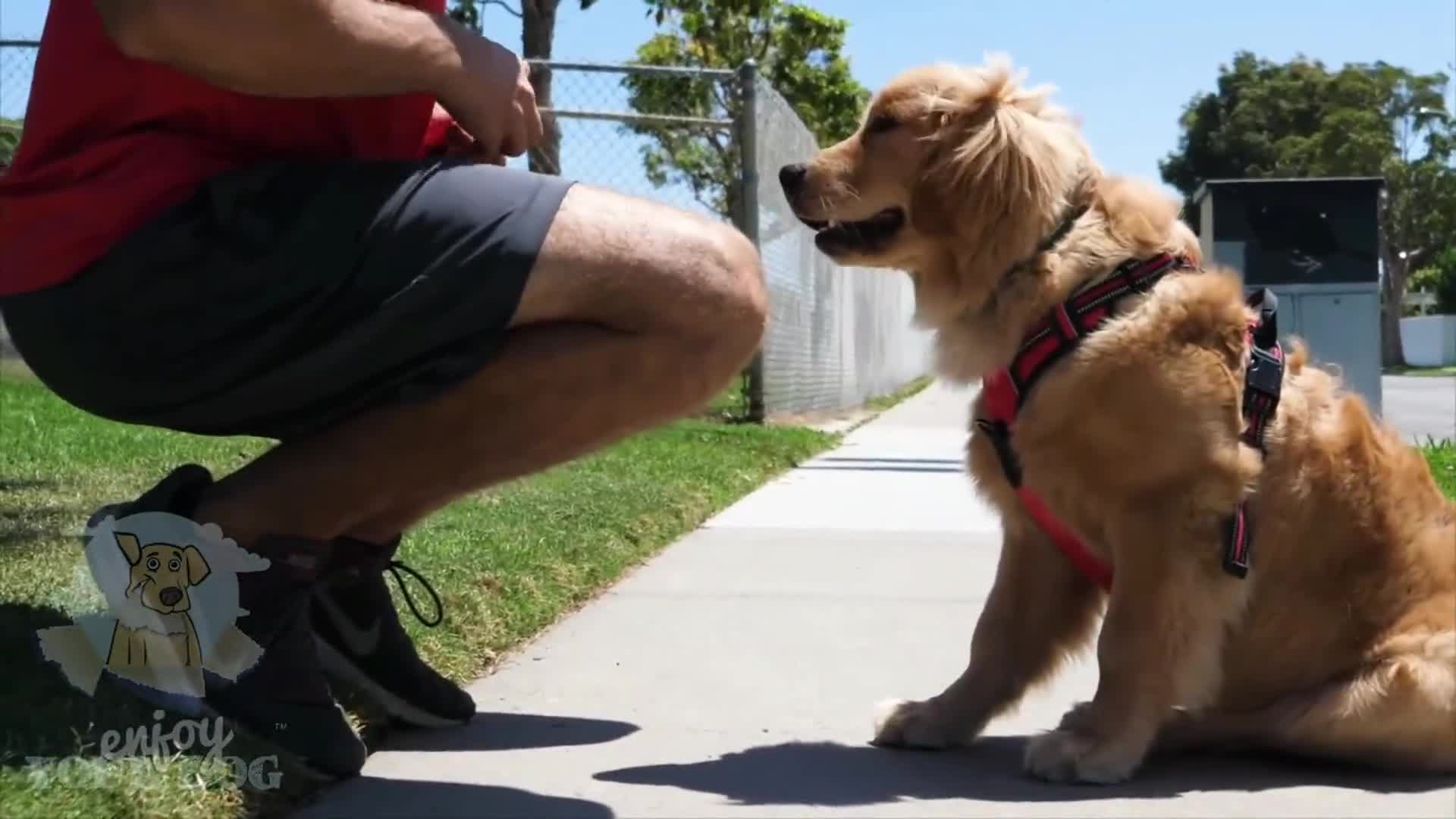
A training method to boost a dog's focus and self-control via a 'leave it' game, emphasizing the 'mark and reward' system to encourage dogs to ignore food on the floor.
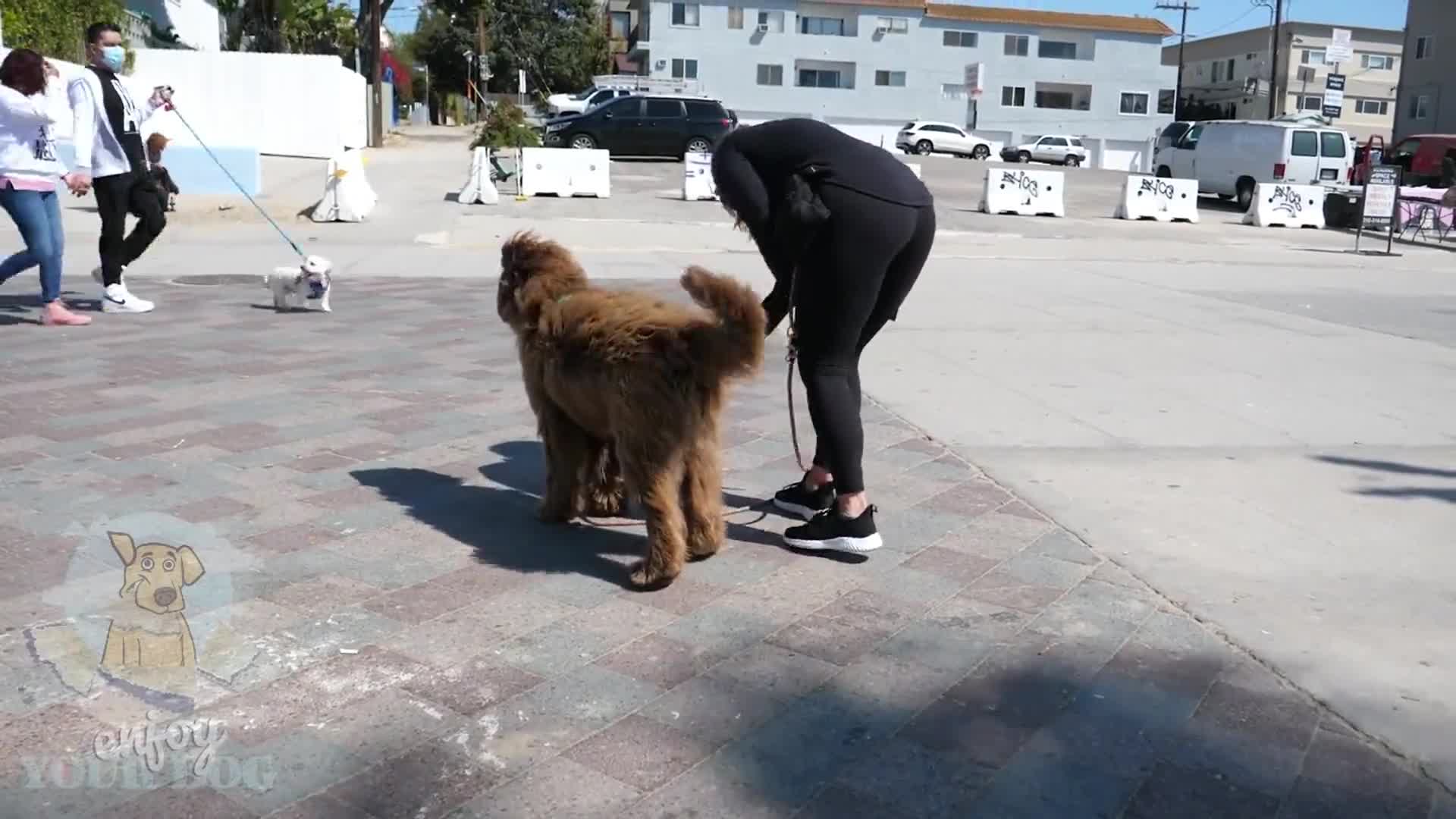
Training adolescent dogs involves using distractions as cues for them to focus on their handler, starting with rewarding them for acknowledging distractions.
To manage an adolescent dog's arousal from environmental stimuli, which causes barking, pulling, or grabbing, it's advised to observe their body language and use sniffing activities, like treat searches, to calm them.
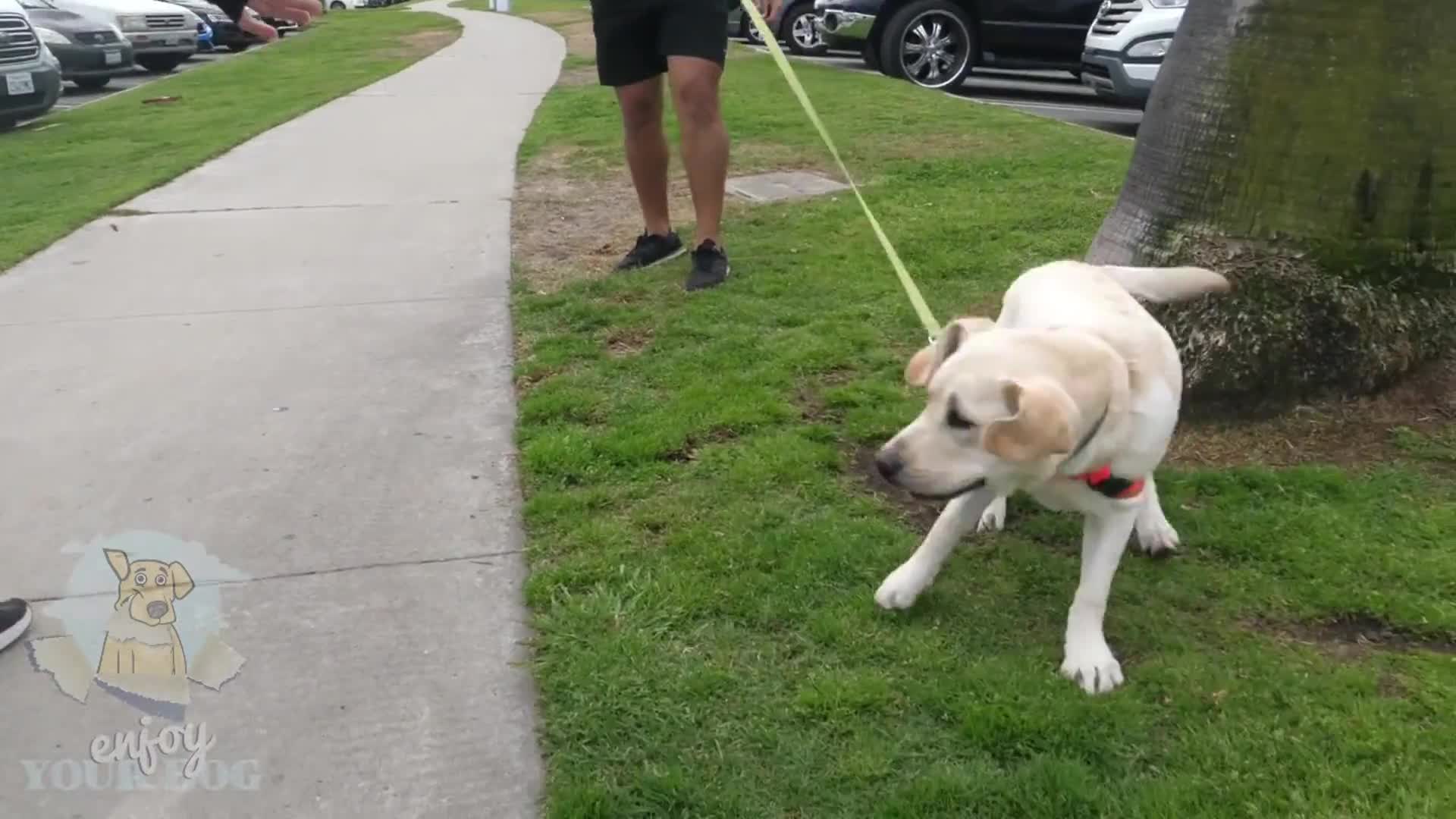
Keeping dogs calm around people, especially during adolescence, by preventing them from jumping up.
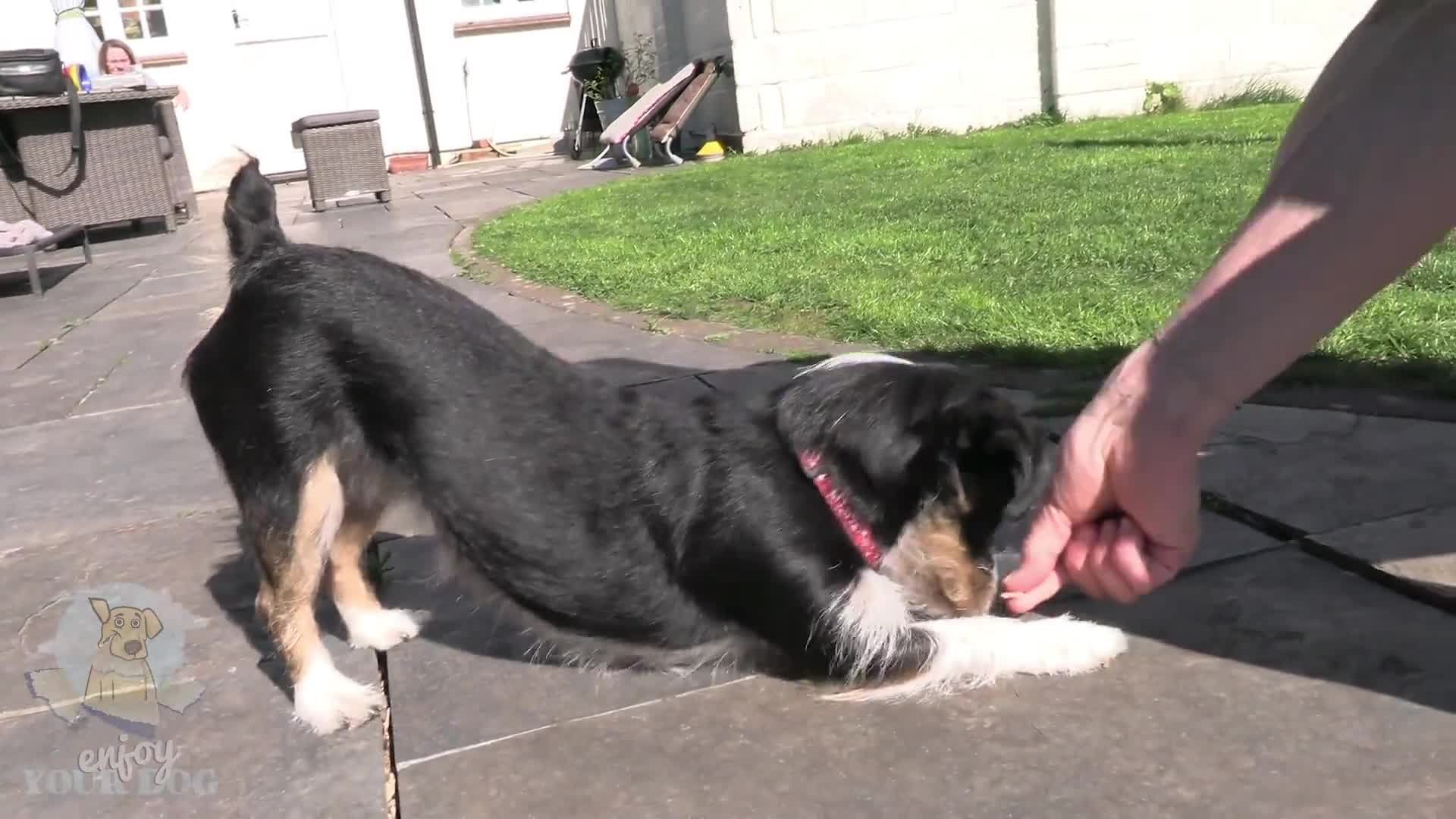
Marker training, utilizing sounds like a clicker, identifies dogs' desirable actions for rewards, emphasizing precise timing for effectiveness.
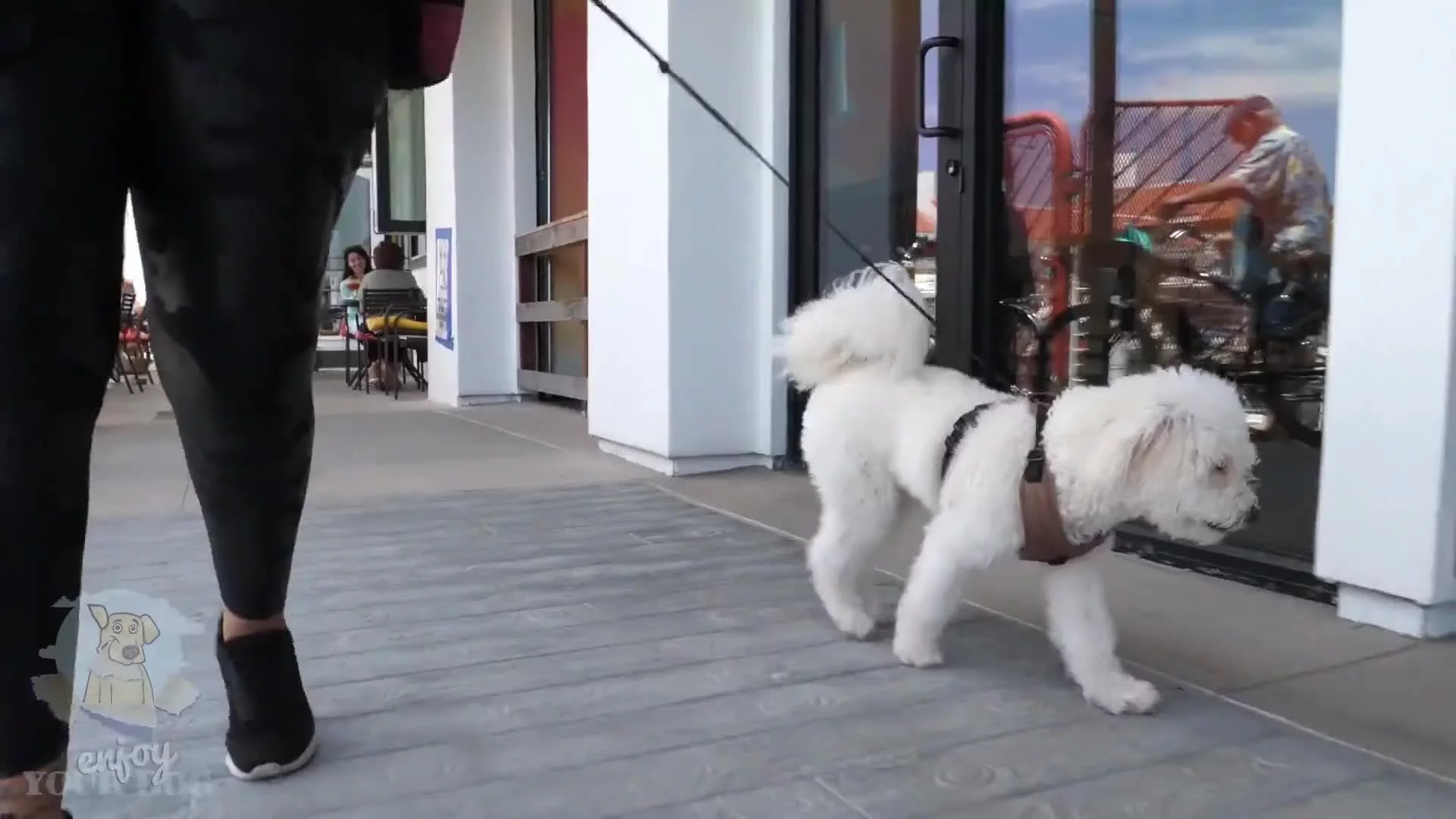
The guide emphasizes calm leash walking, starting with relaxation techniques like 'sniff ari' and monitoring body language for readiness.
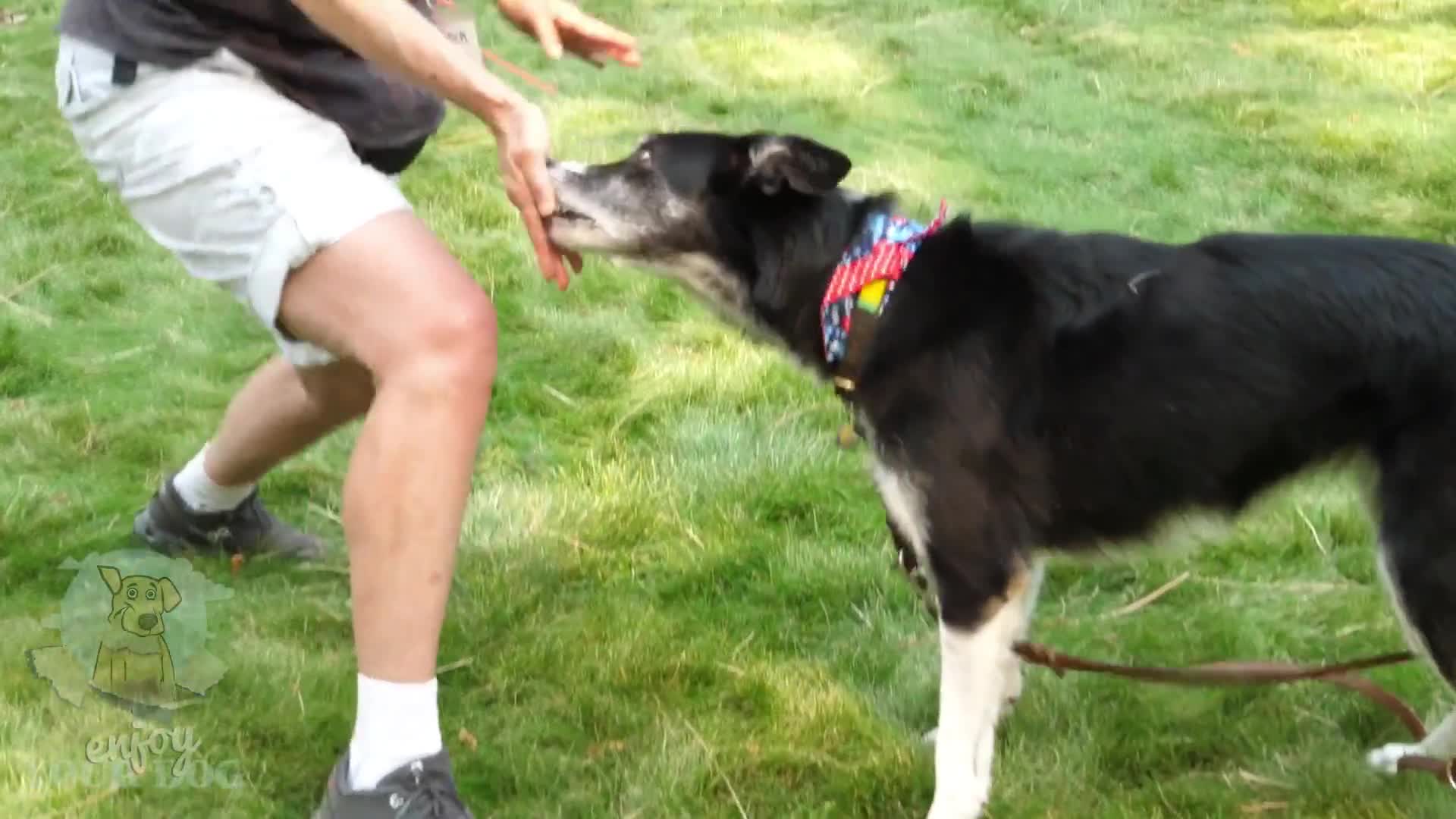
Nose targeting training helps to maintain focus and teach advanced commands.
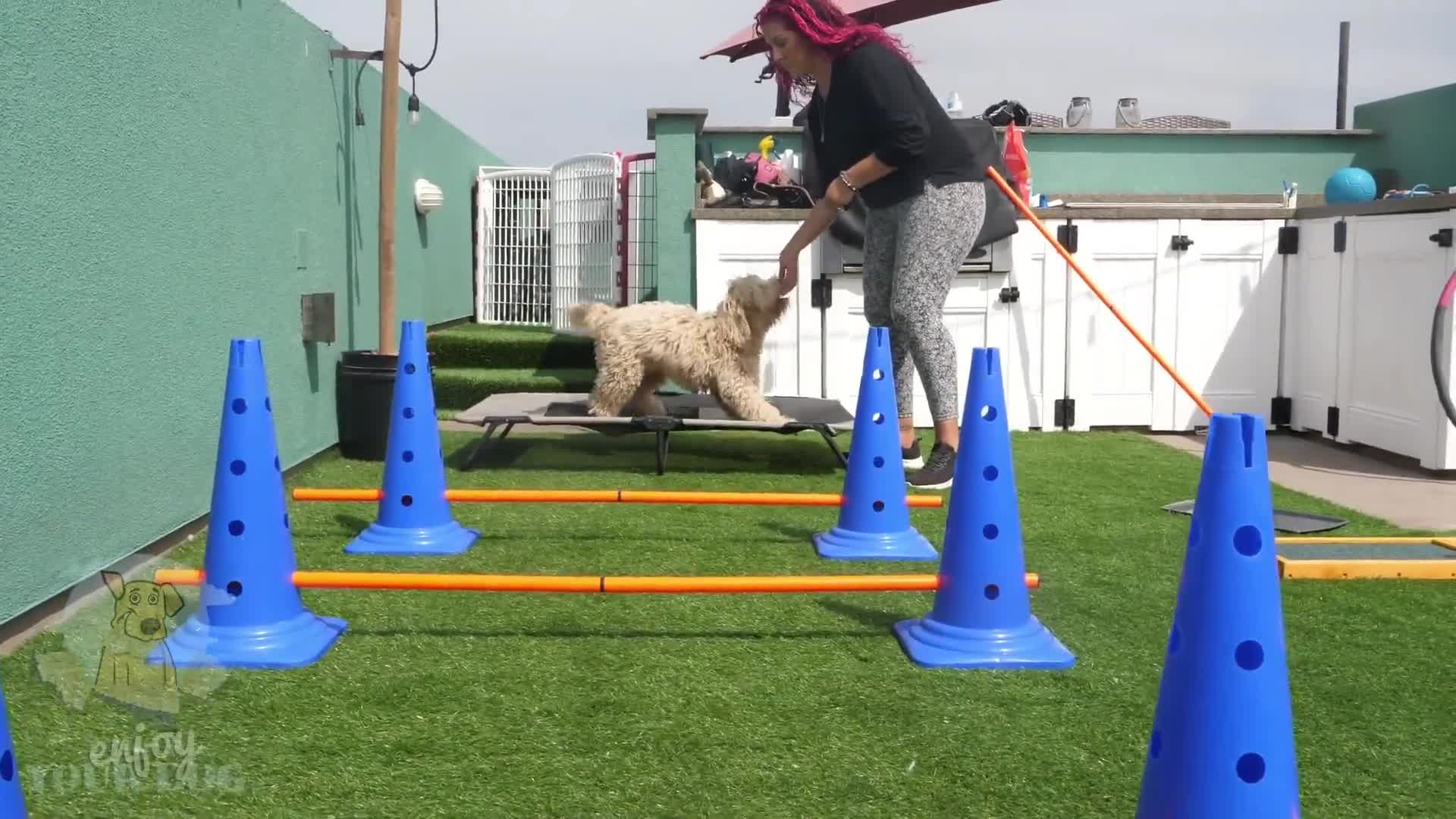
building dog obstacle courses to boost confidence, incorporating varied textures, heights, and observing body language for comfort and interest
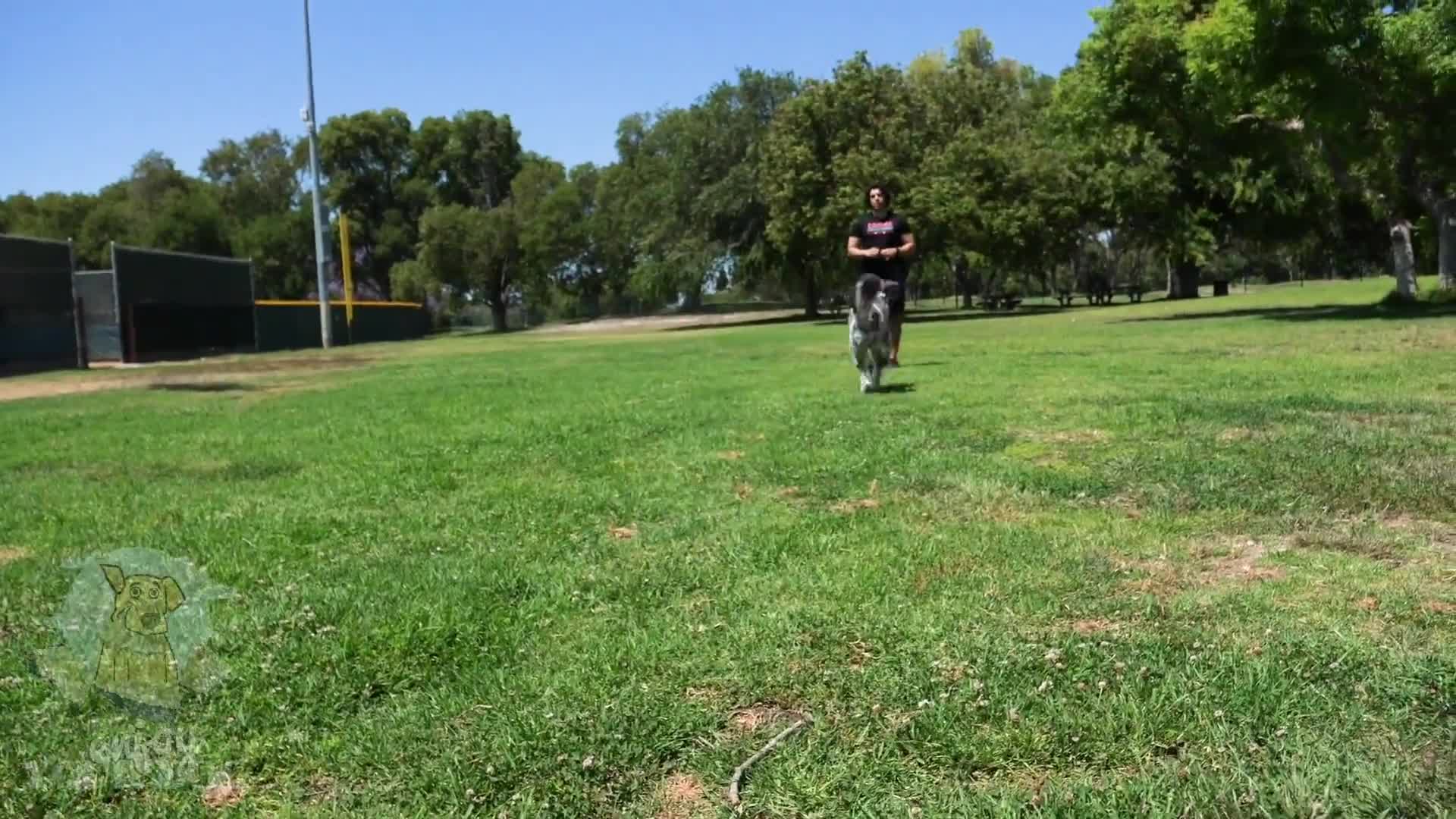
A game for training dogs, emphasizing participation from all family members with treats or toys, using a recall cue, and the importance of marking and rewarding the dog by the caller for successful recall.
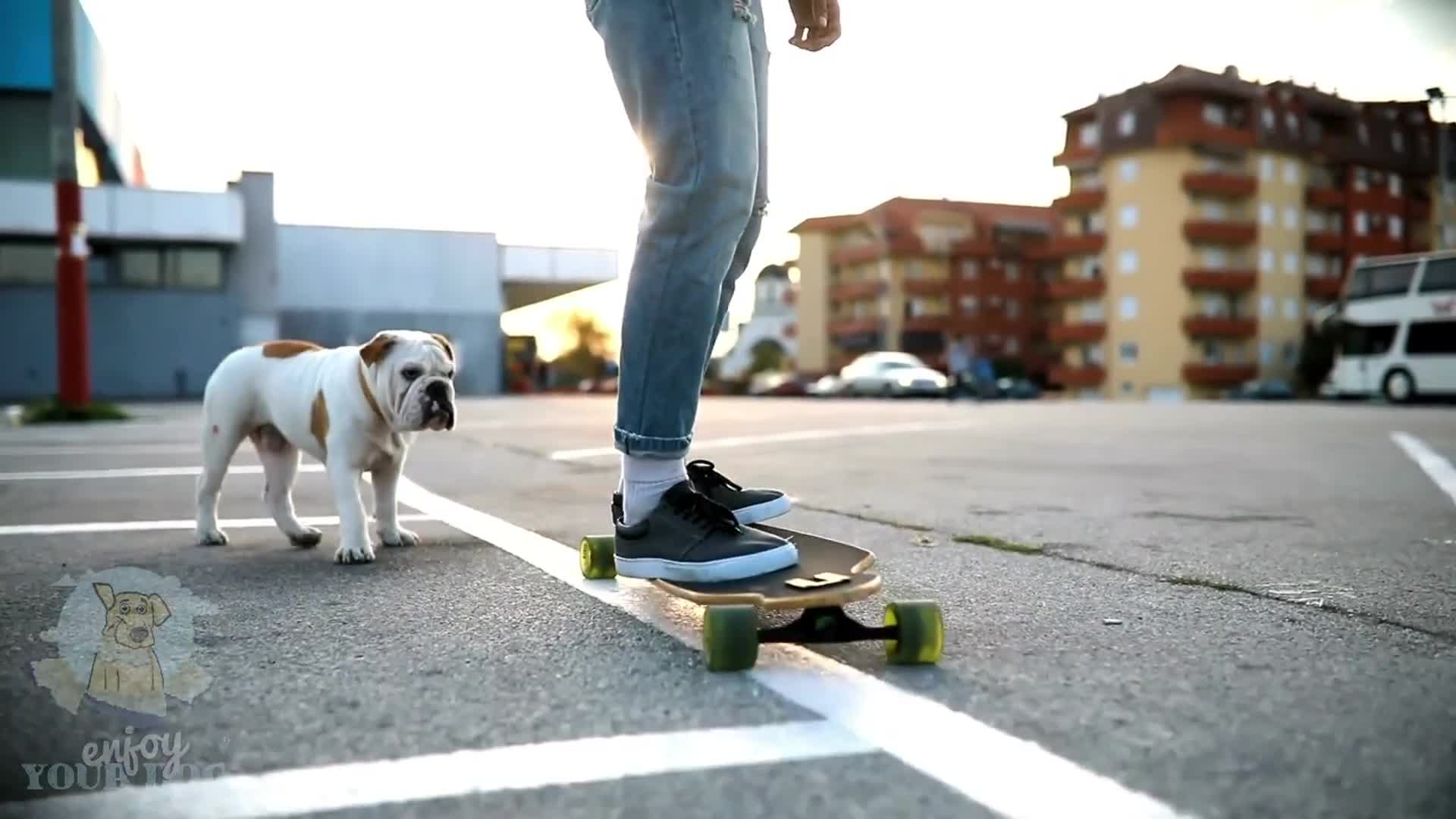
Training dogs to ignore noises like construction and skateboards involves playing them on YouTube at increasing volumes while distracting them with a stuffed Kong or training games, ensuring a gradual volume increase to prevent fear.
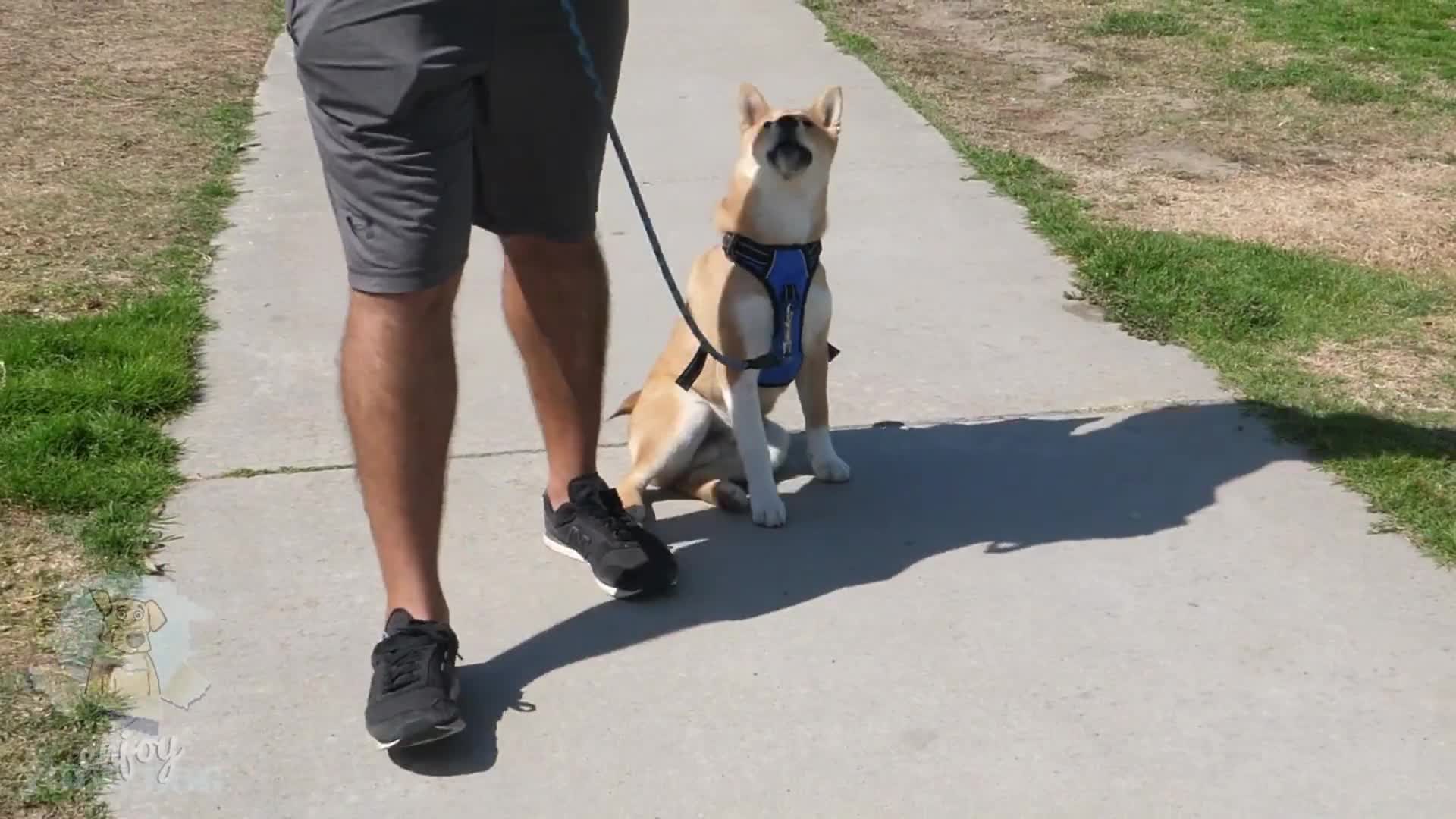
Using body movements for effective dog walking, advocating for practice in a serene setting to foster harmony.
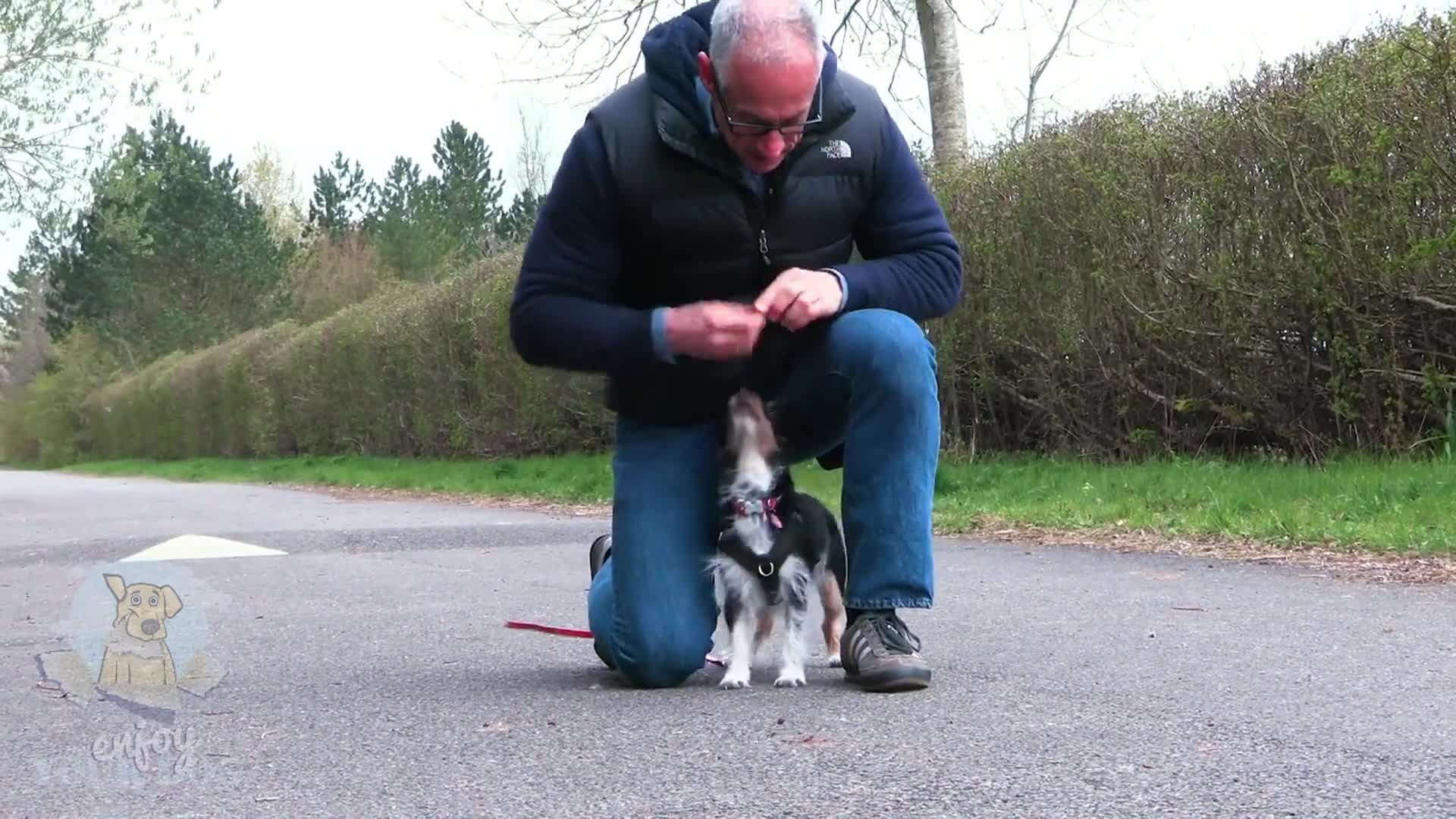
Recall training with methods like using food lures or targets and incorporating commands such as 'peek a boo' for the middle position.
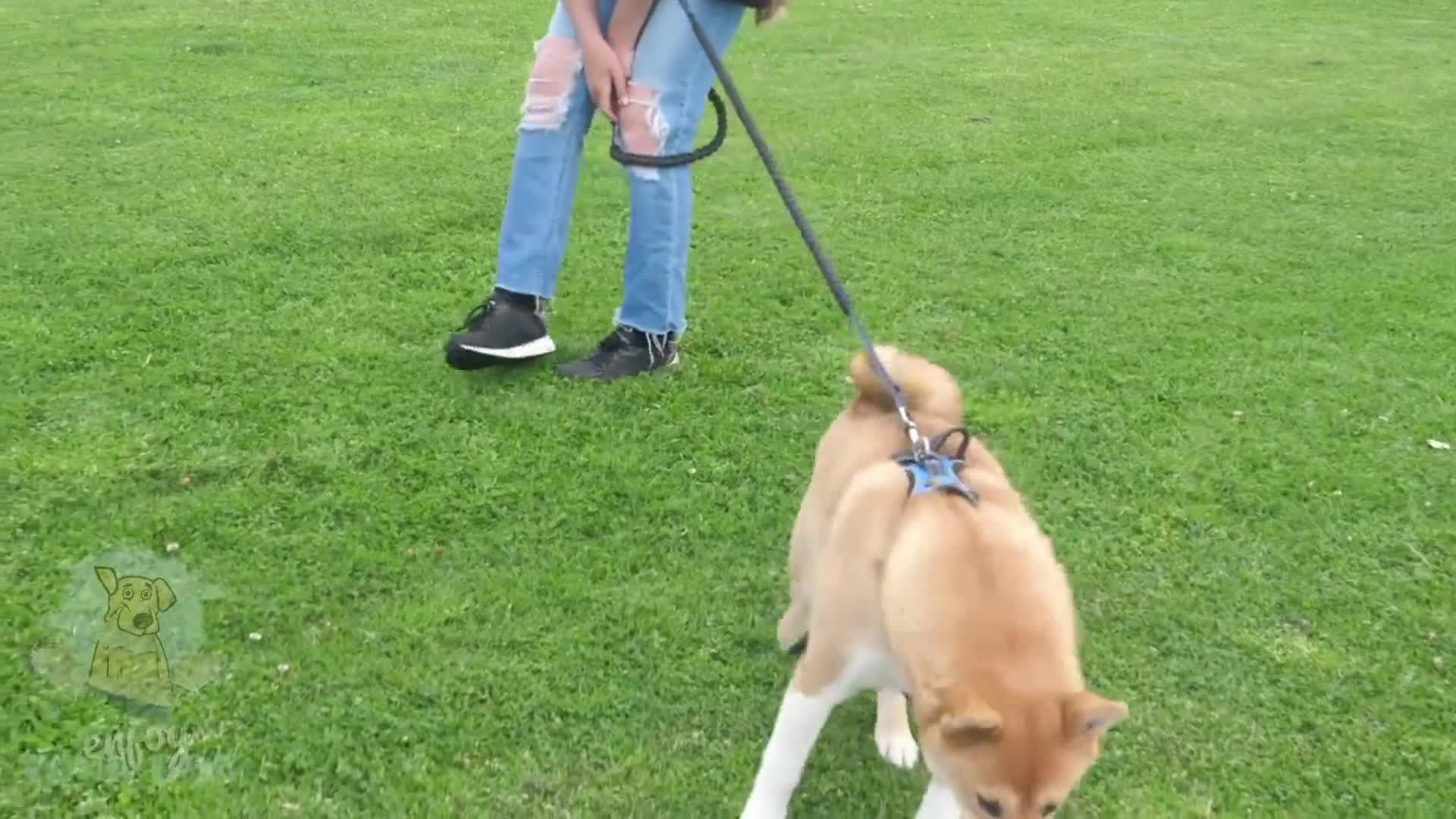
Methods to regain a teenage dog's focus, highlighting the detection of early signs like changes in body language.
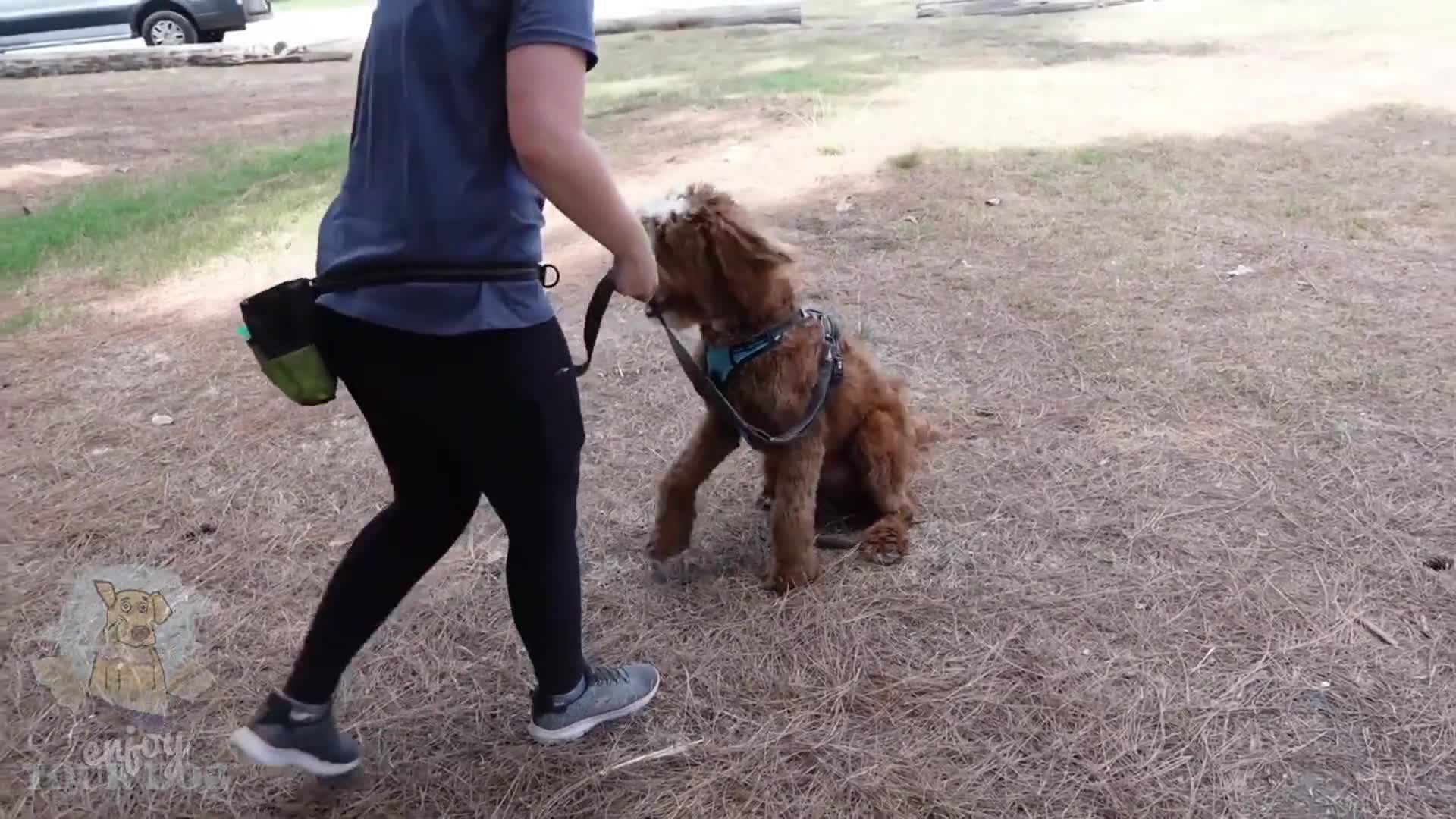
A method to teach dogs to return to the handler's side using luring or targeting, emphasizing the importance of starting with large signals and gradually reducing them.
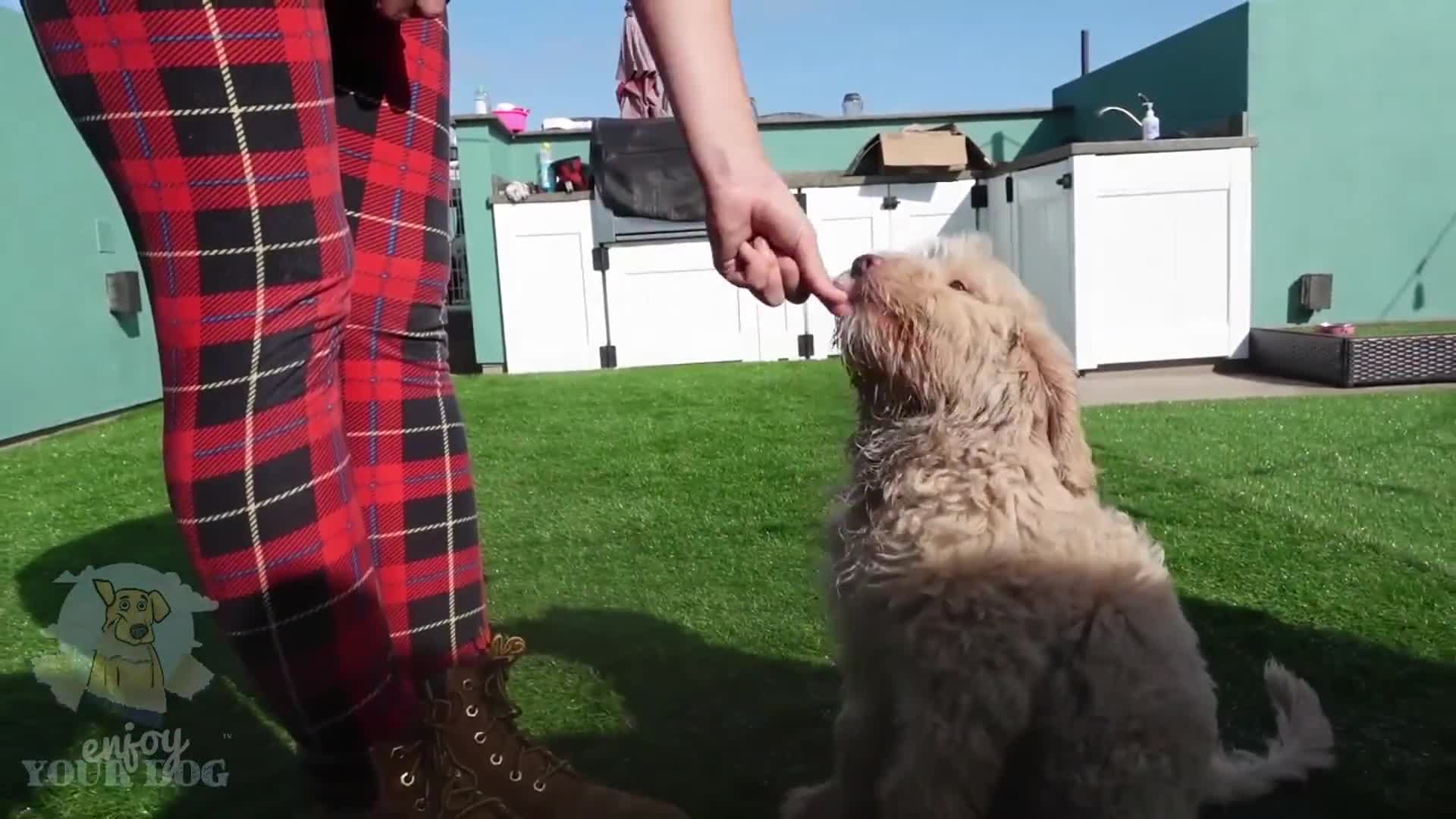
Reward placement is crucial in dog training, affecting behavior like calmness on a bed or energizing for repetition.
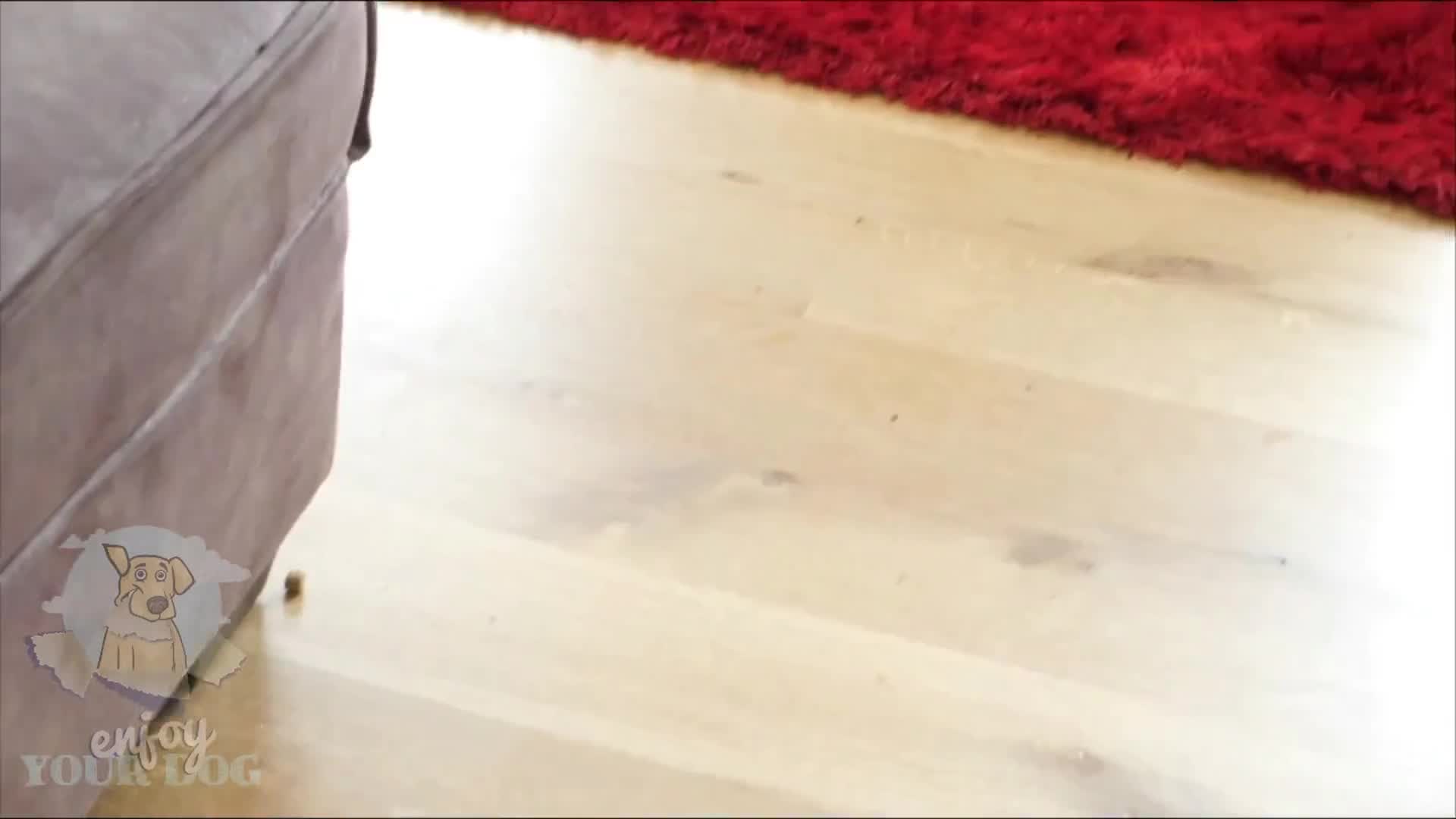
They use their keen smell to find treats hidden at various heights and in containers, starting easily and adding complexity.
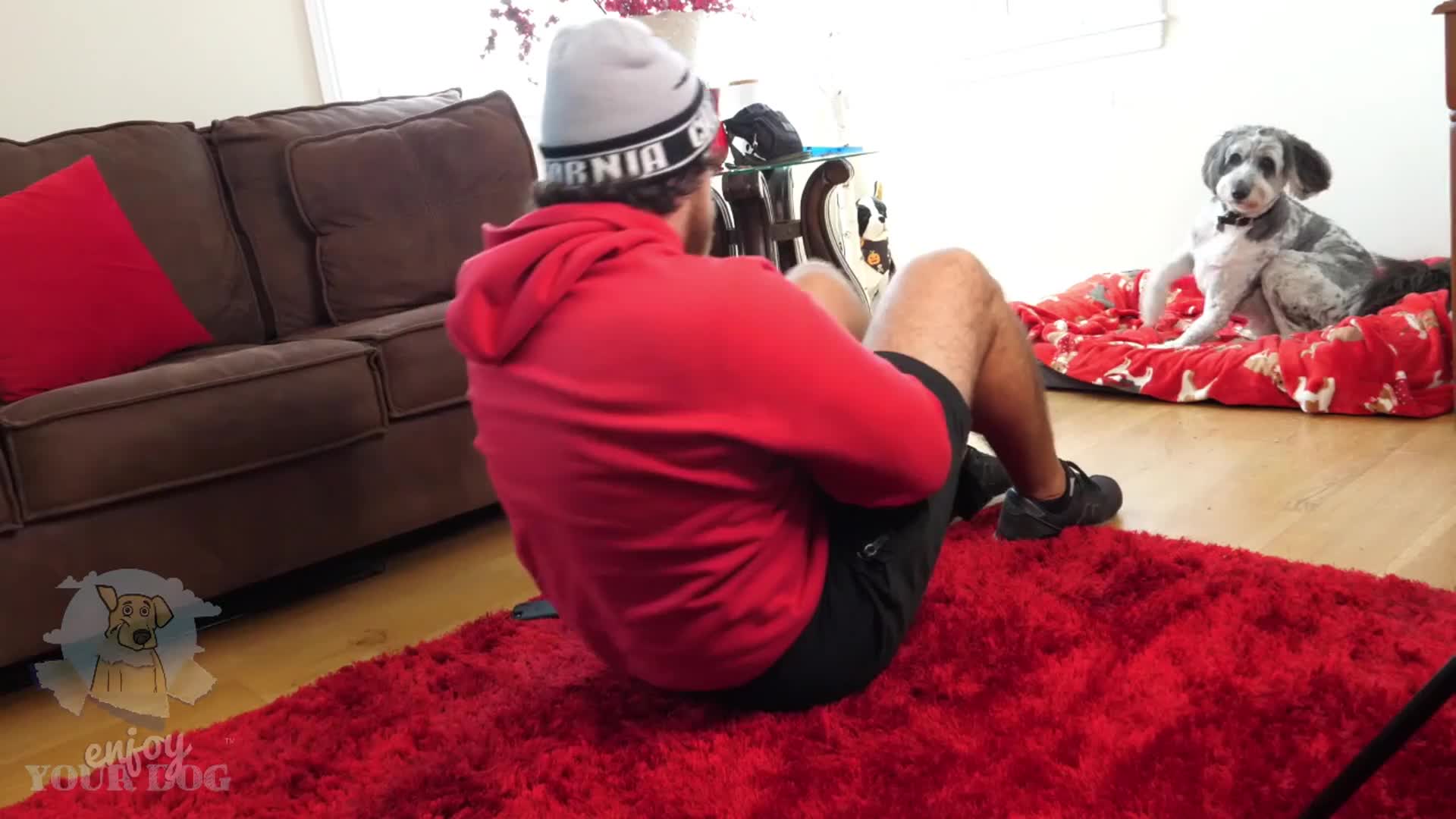
This approach helps dogs get used to their owner's movements and remain relaxed.
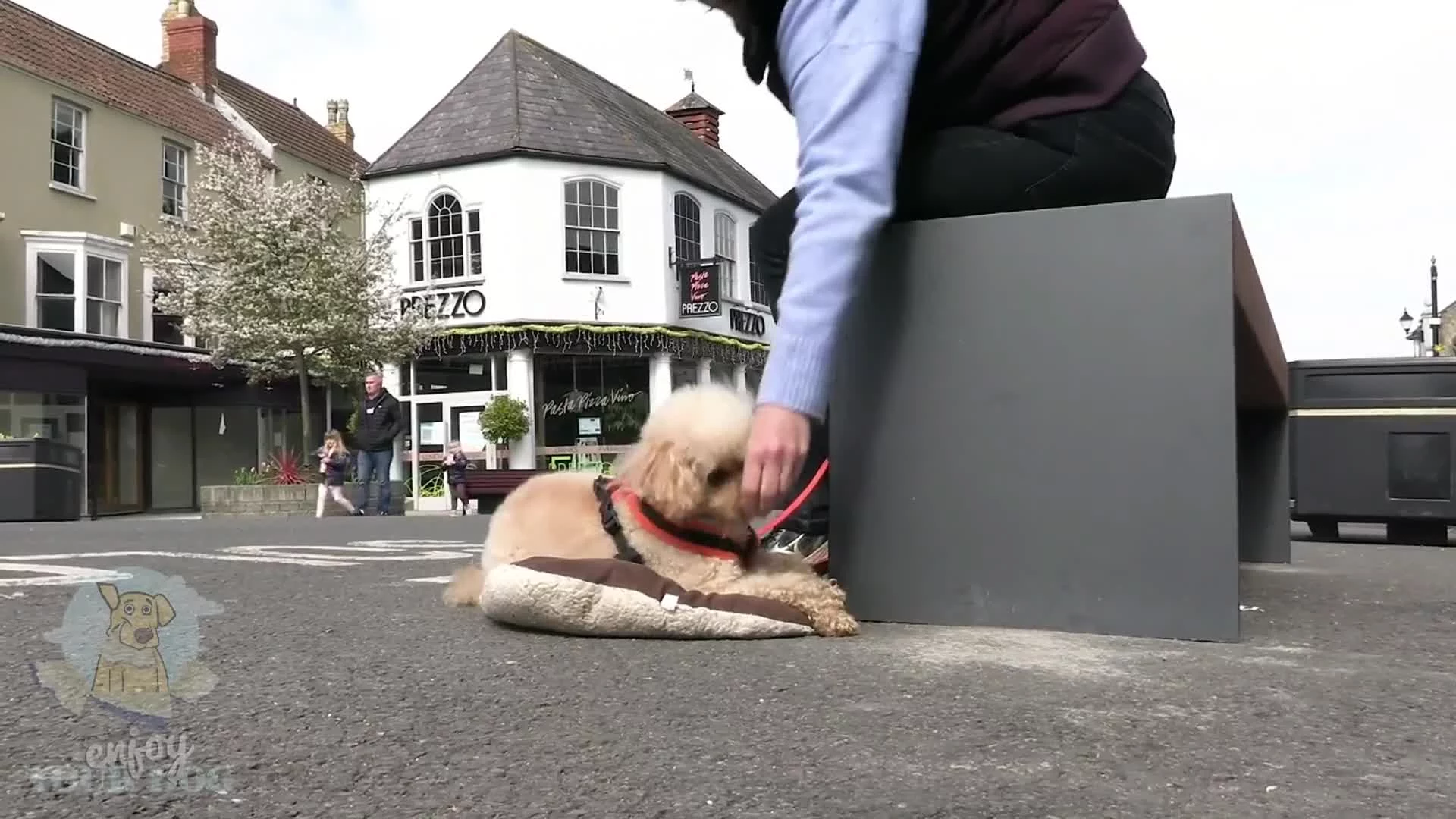
It is important to train dogs to settle in various environments, starting from quiet places and moving gradually to busier areas.
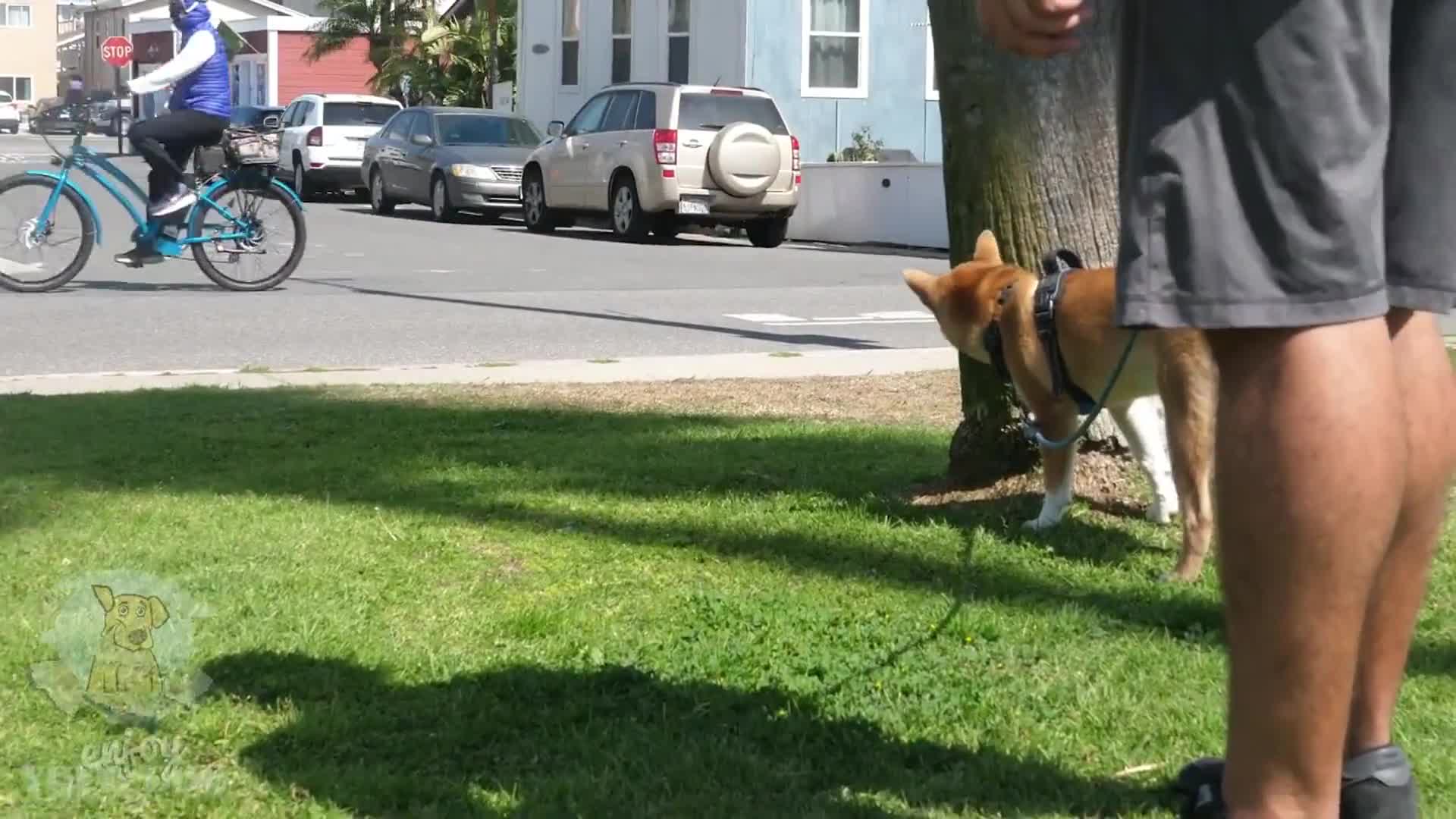
Using a dog's sniffing as a reward for walking nicely on a leash emphasizes sniffing's role in exploration and socialization.
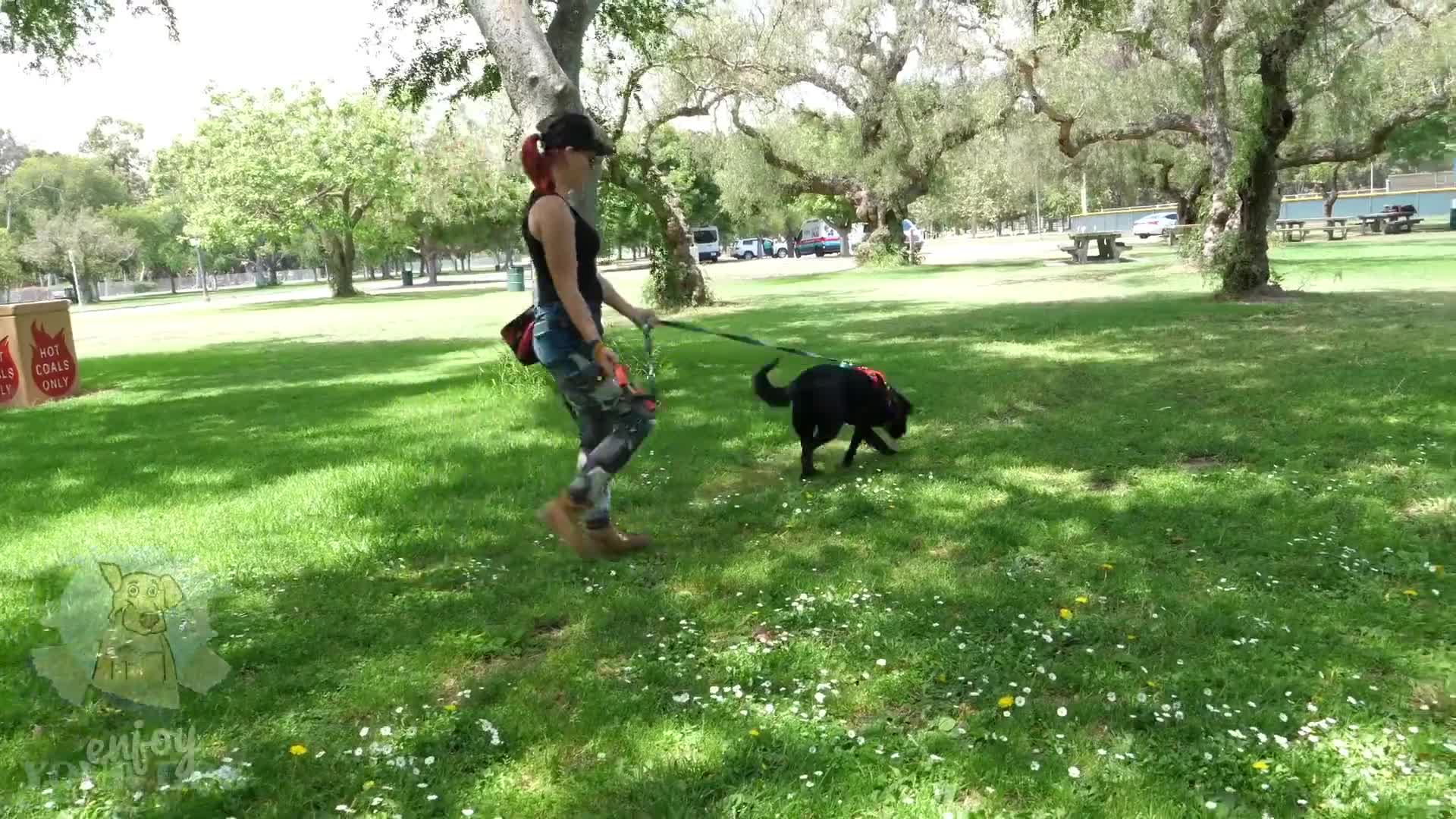
SNRI, a sniff-focused dog walk, empowers dogs, enhancing their confidence and relaxation, contrasting with exercise walks.
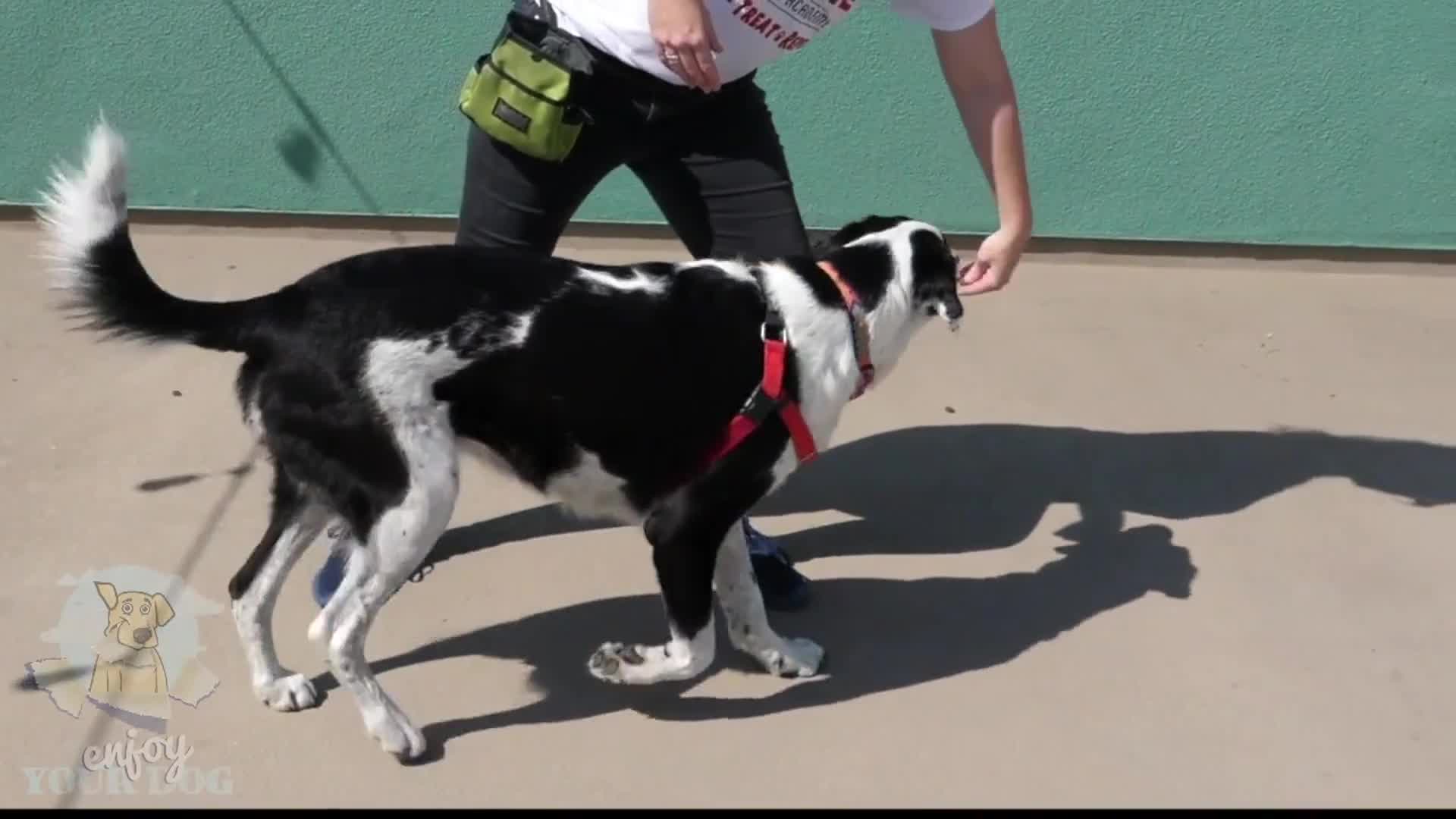
Enhancing a dog's flexibility and muscle strength through spinning, targeting, or luring with a food lure, hand target, or target stick.
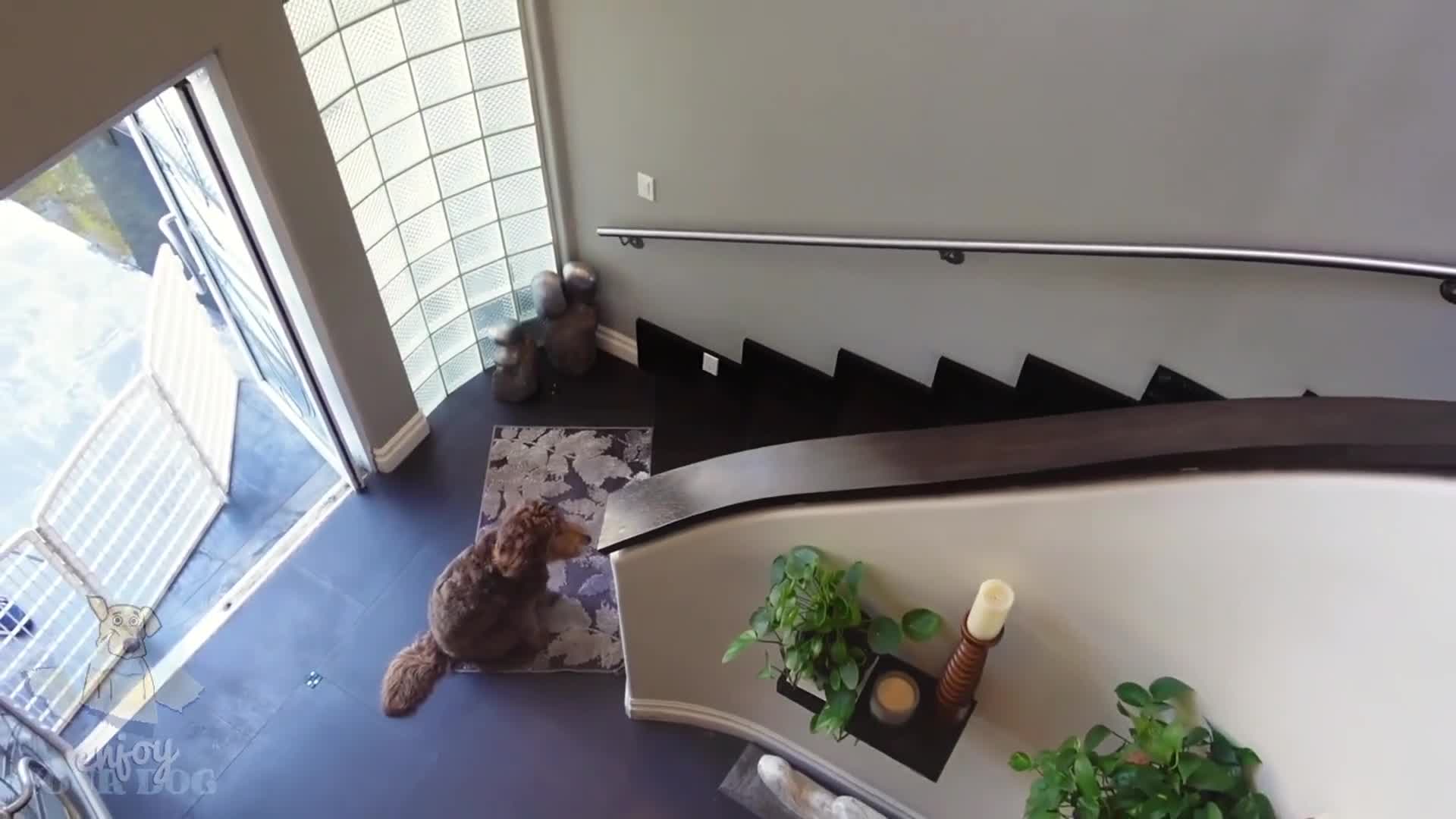
The importance of teaching dogs stair etiquette to prevent accidents, suggesting training them to stay in position while the owner ascends or descends before calling them.
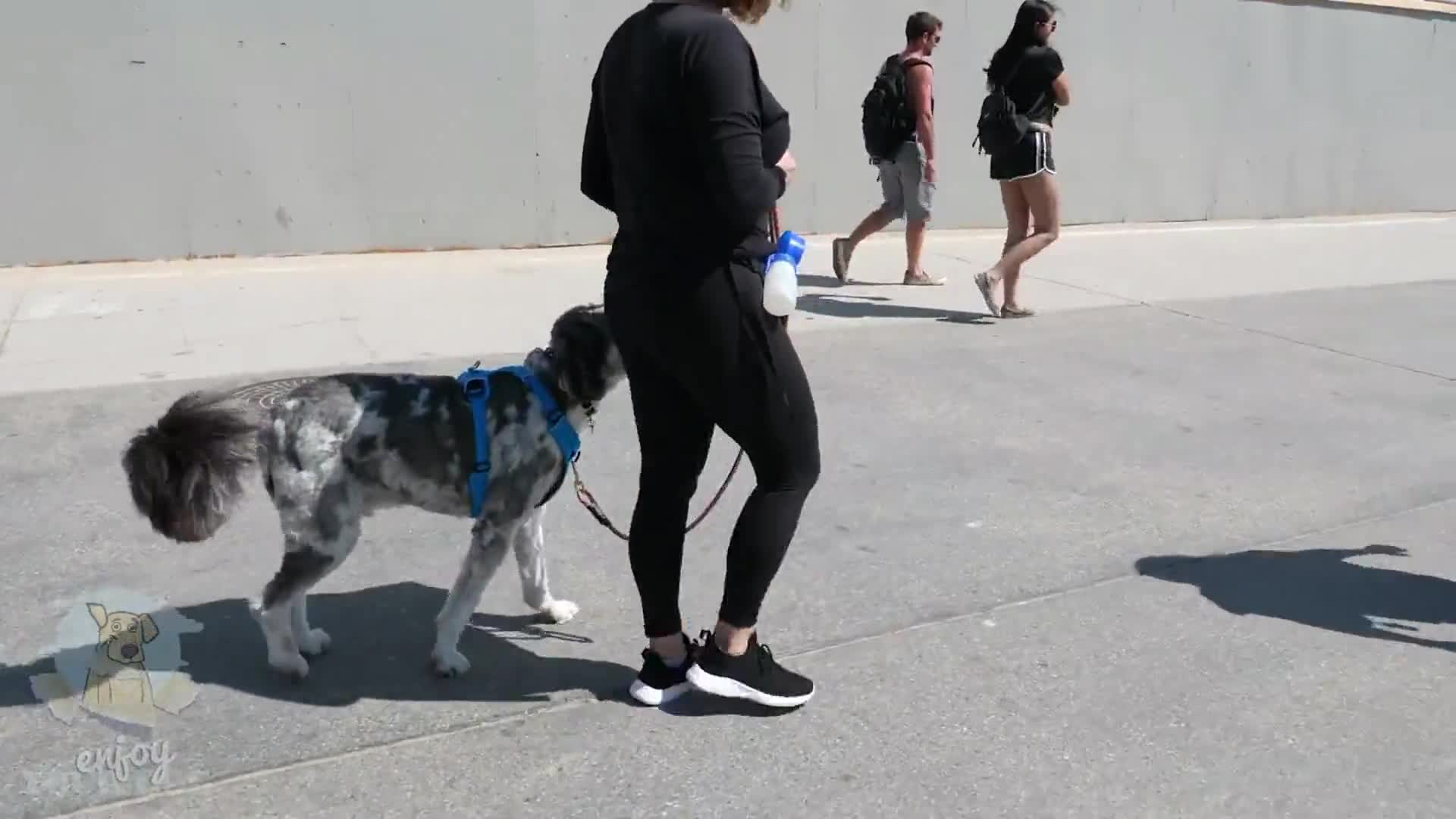
A training exercise called the start-and-stop game is designed to improve leash behavior in dogs.
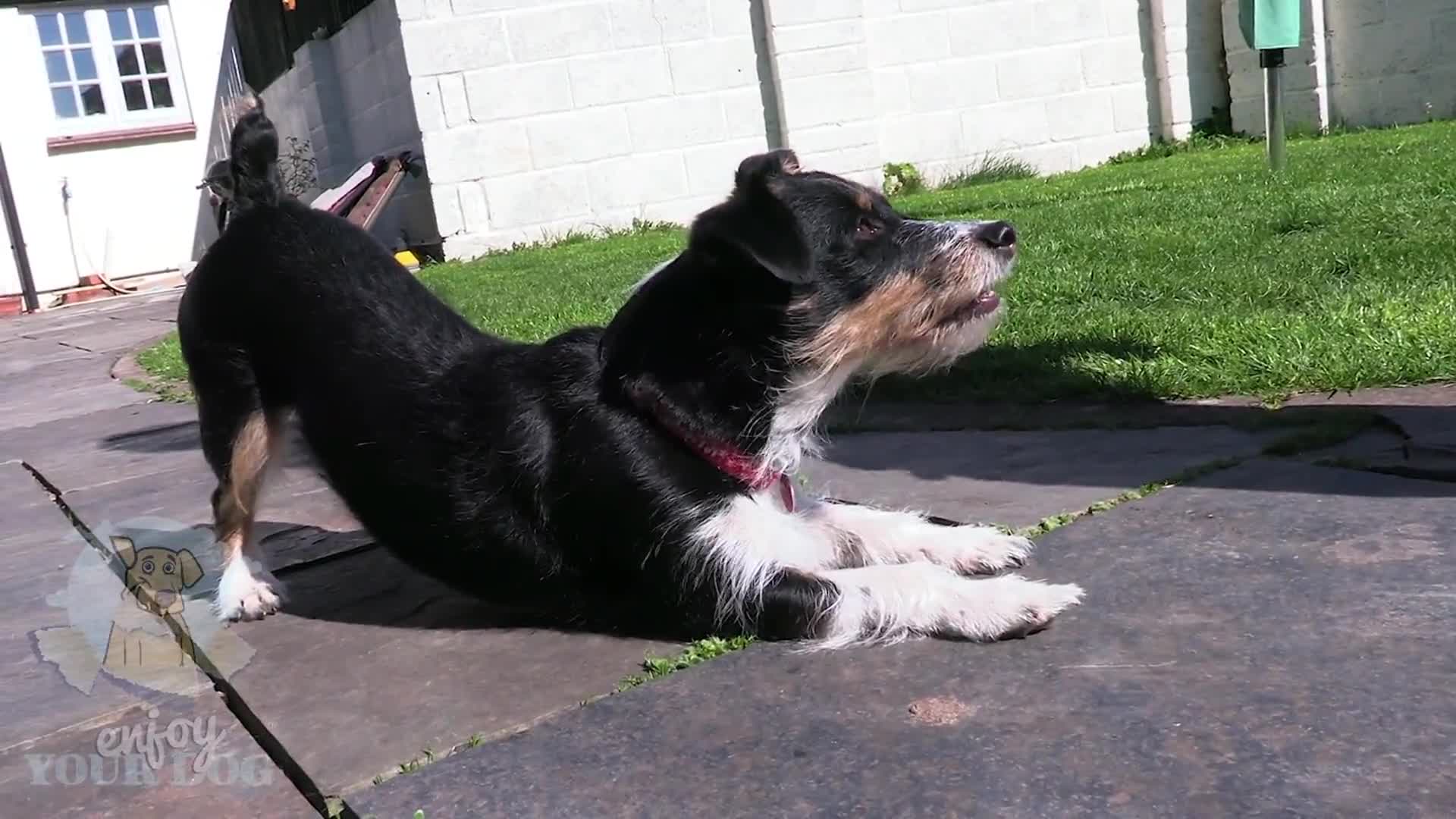
Teaching a dog to bow on a nonslip surface to enhance flexibility and core strength, starting from a stand and using treats from a pouch.
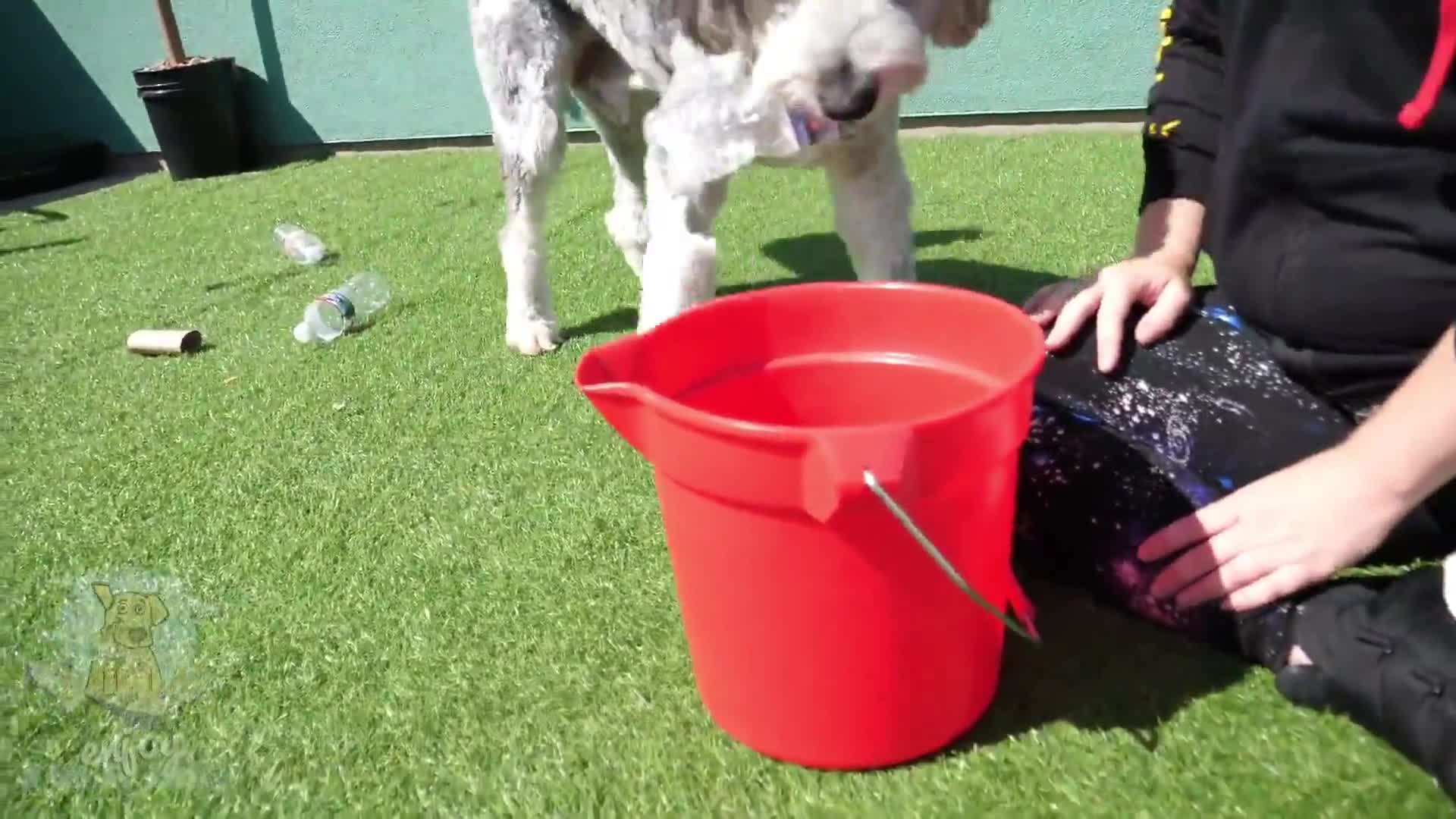
Training a dog to recycle involves fetching items and dropping them into a bucket, starting with hand delivery and progressing to bucket drops.
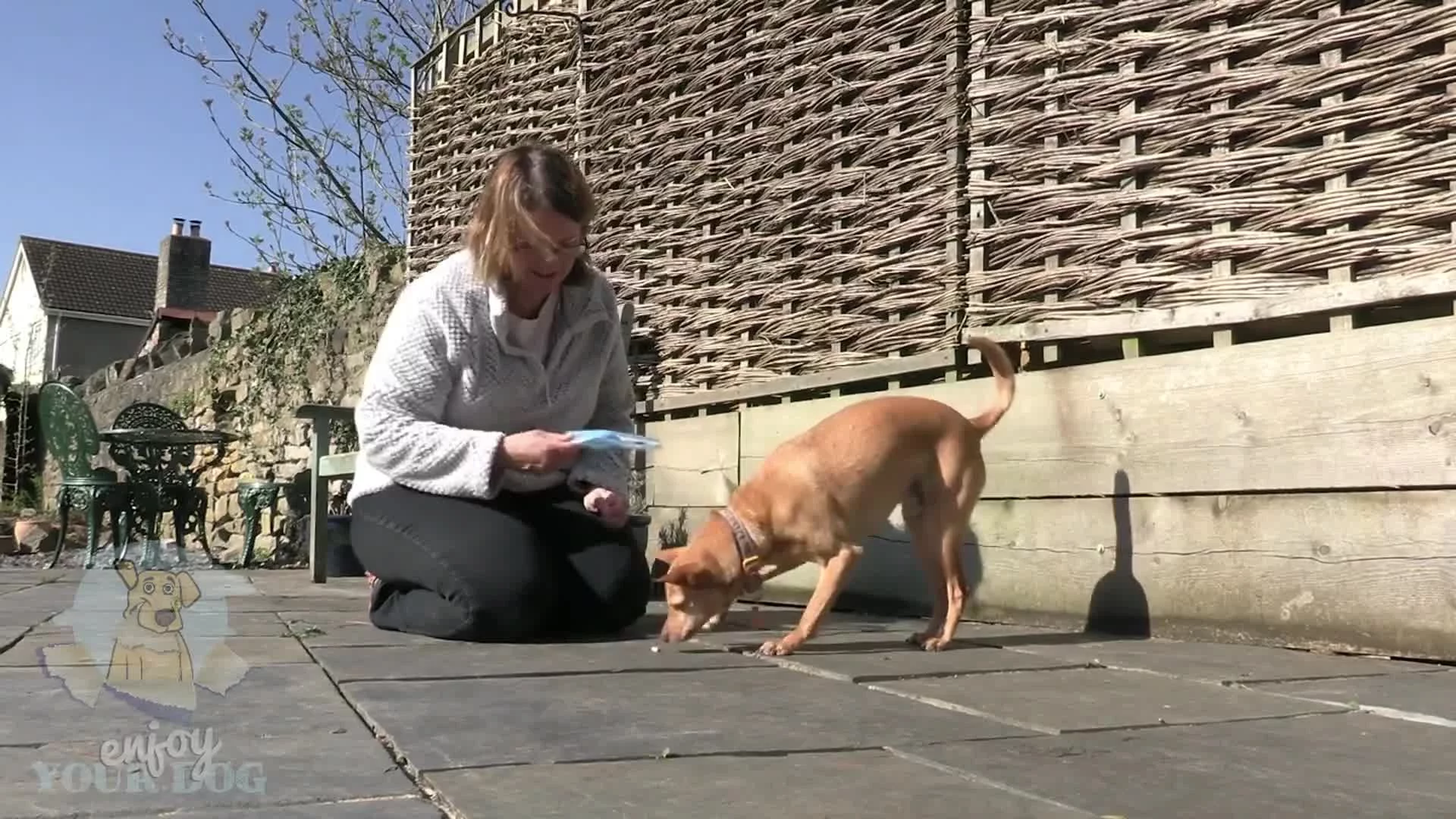
Training a dog to paw at a transparent lid for treats is a stepping stone to advanced tricks.
Teaching a dog a release cue signals task completion through commands like sit or down, followed by the cue 'free' and a treat toss.
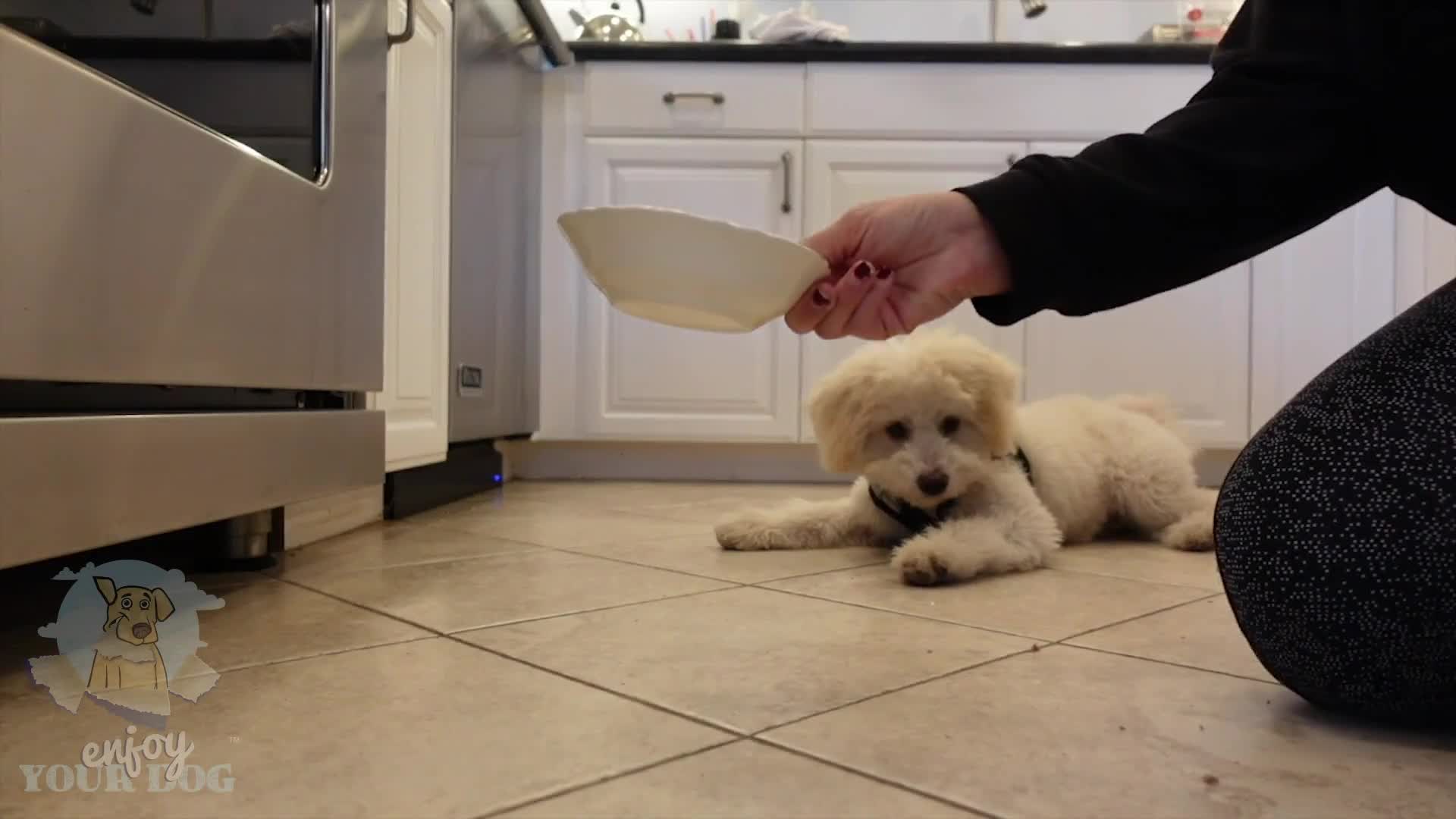
Signaling task completion through commands like sit or down, followed by the cue 'free' and a treat toss.
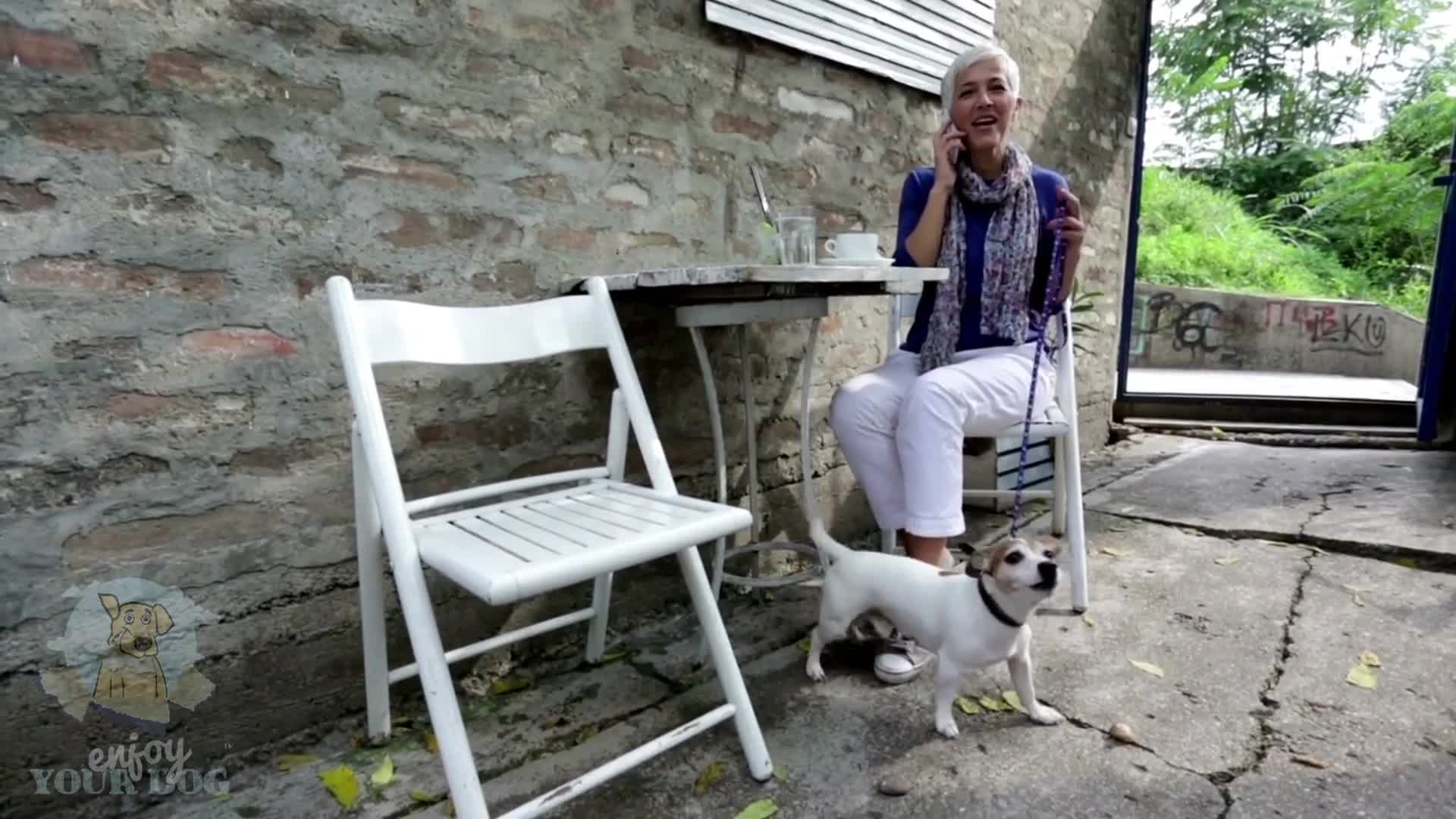
Teaching dogs to settle involves using a mat, treats, and rewards to train them to relax at home before facing new environments.
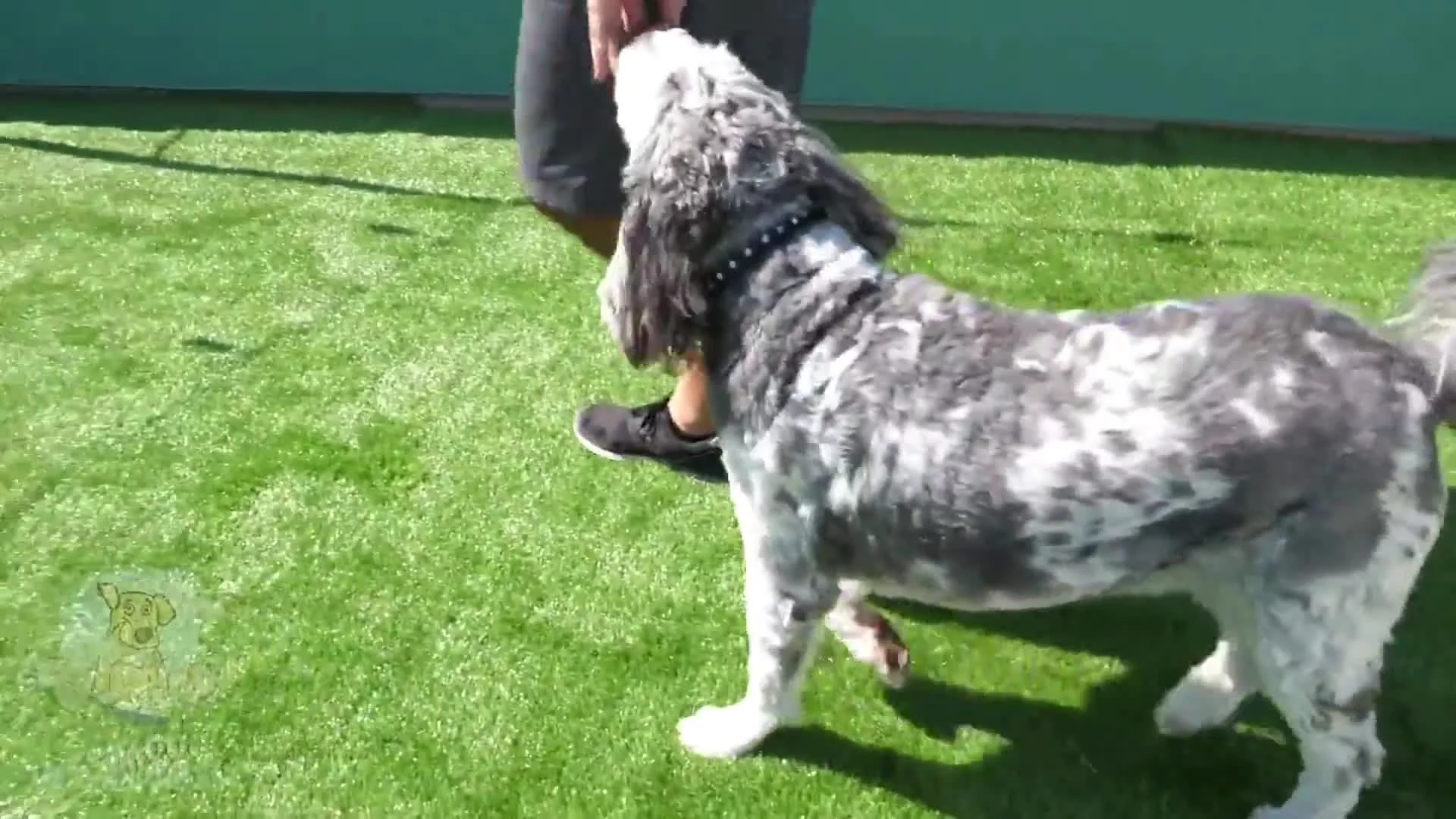
Teaching a dog the desired walking position involves using treats to reward the dog by your side, practicing moving away, and rewarding them for staying close without a leash.
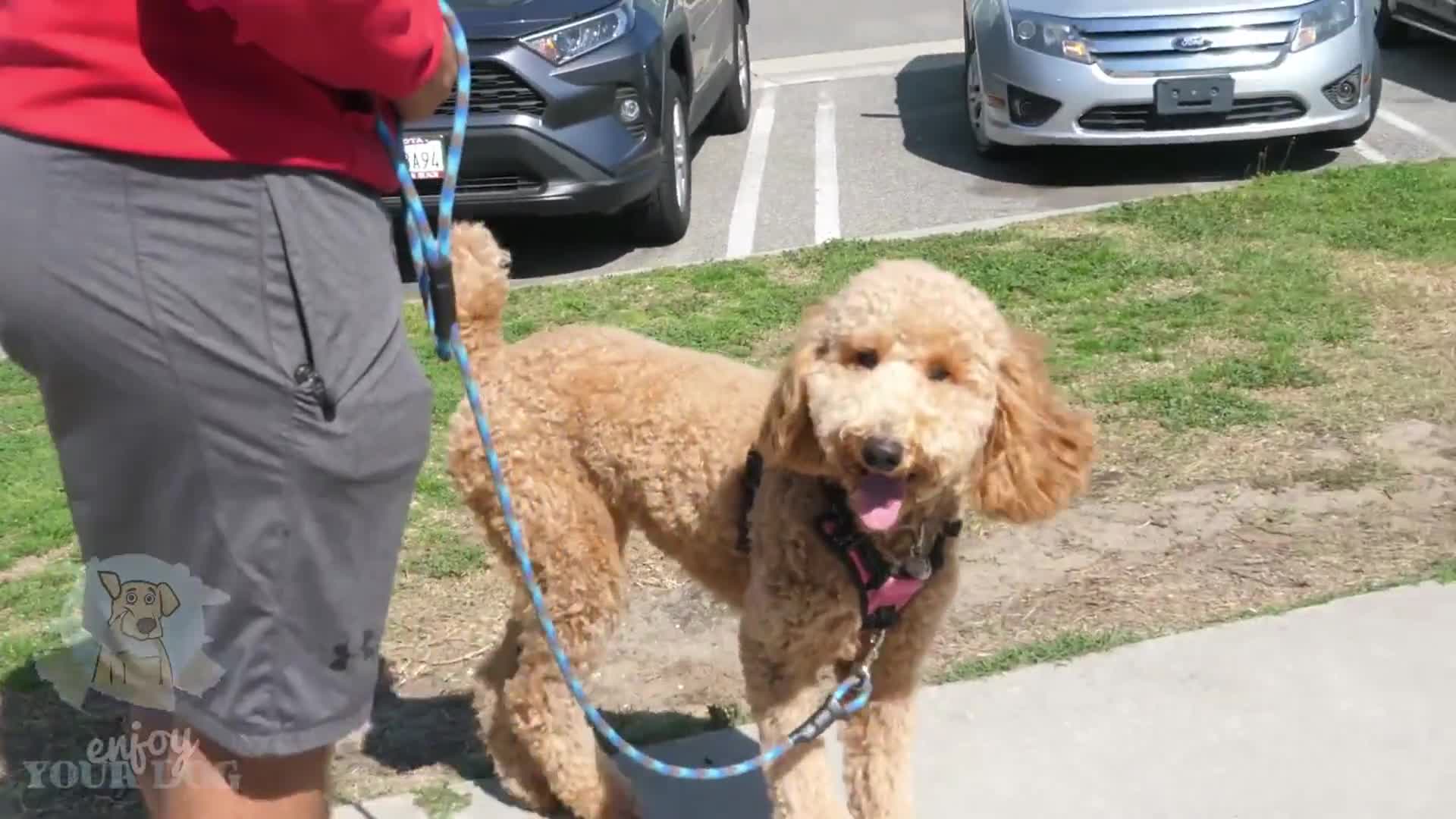
Training dogs to auto-stop on walks is crucial for navigating busy areas and safely crossing roads.
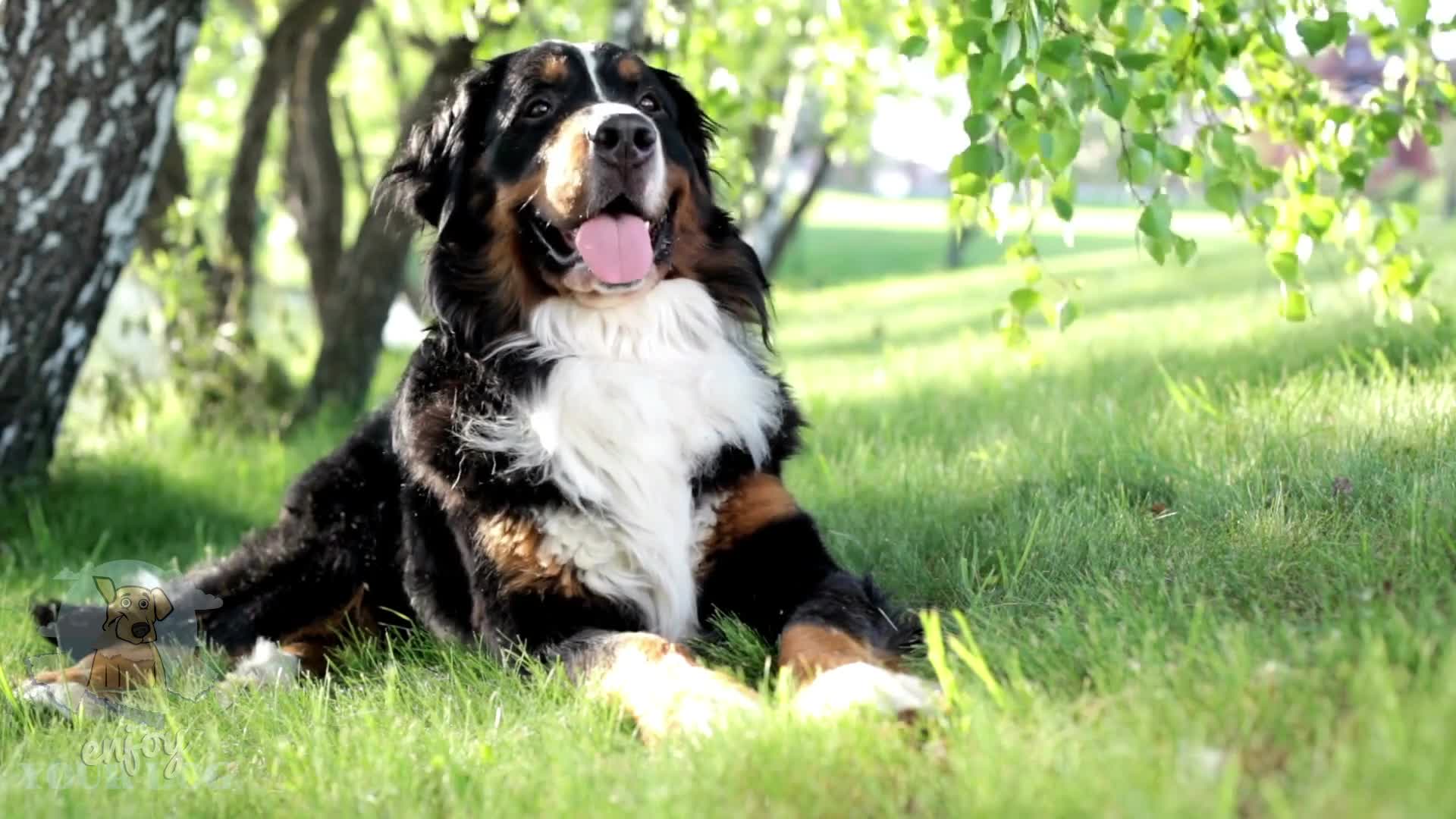
Teaching a dog to lie down involves luring it with a treat, marking and rewarding the behavior, and gradually introducing a hand signal and verbal cue.
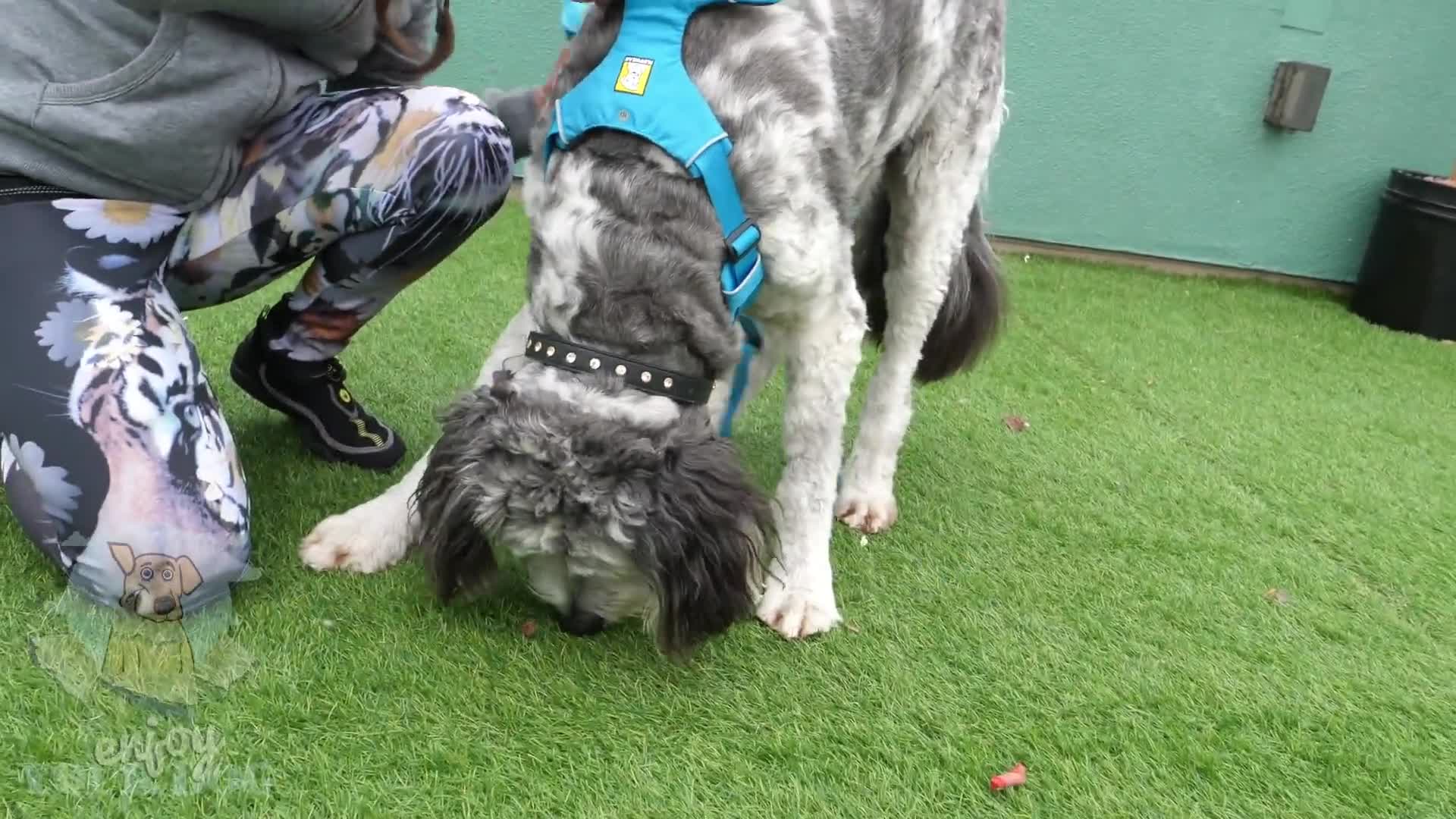
The method for teaching a dog to lie down involves luring the dog with a treat, marking and rewarding the behavior, and gradually introducing a hand signal and verbal cue.
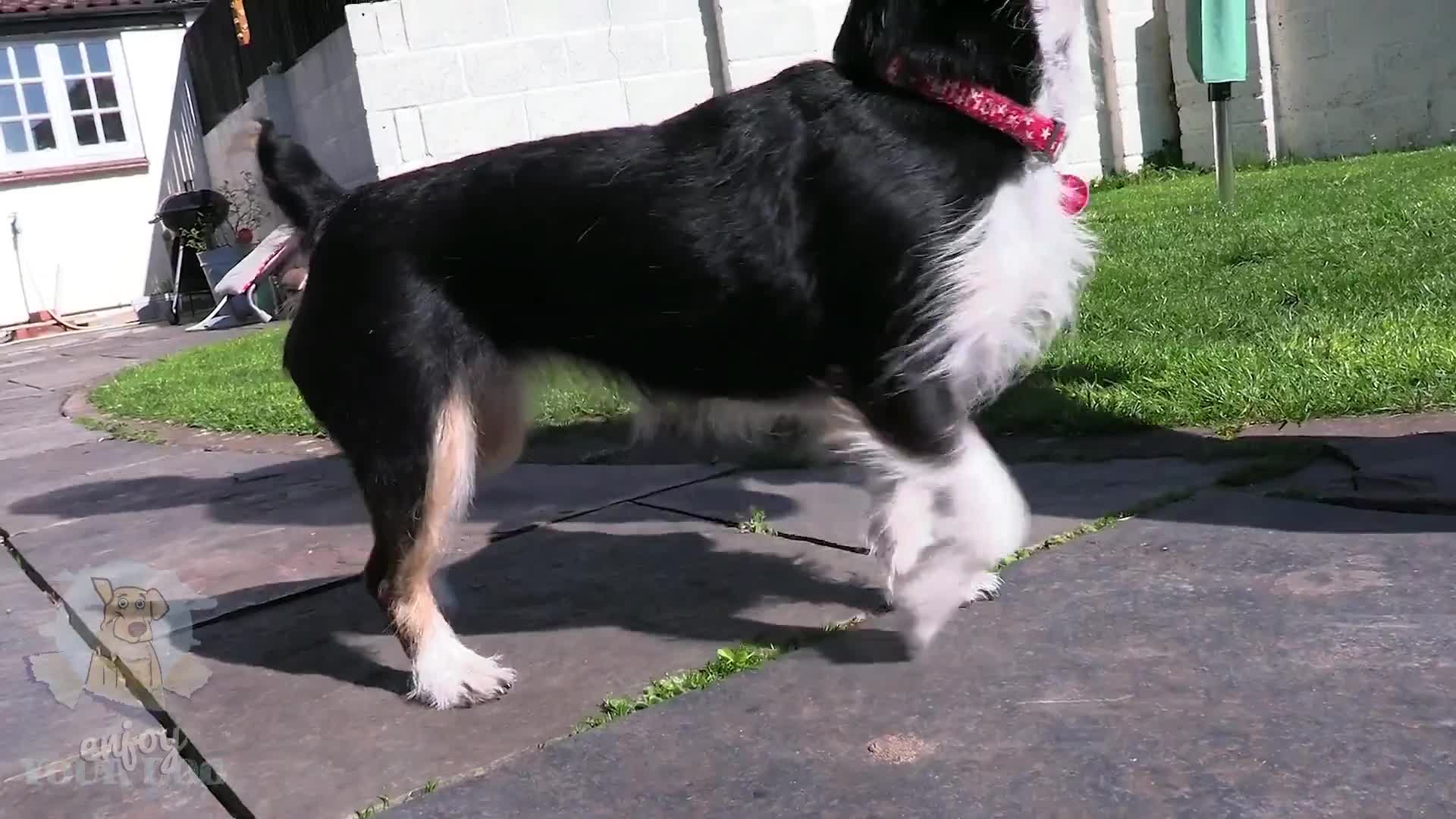
The bucket game trains dogs to handle stress in grooming and vet situations through a treat-based consent mechanism.
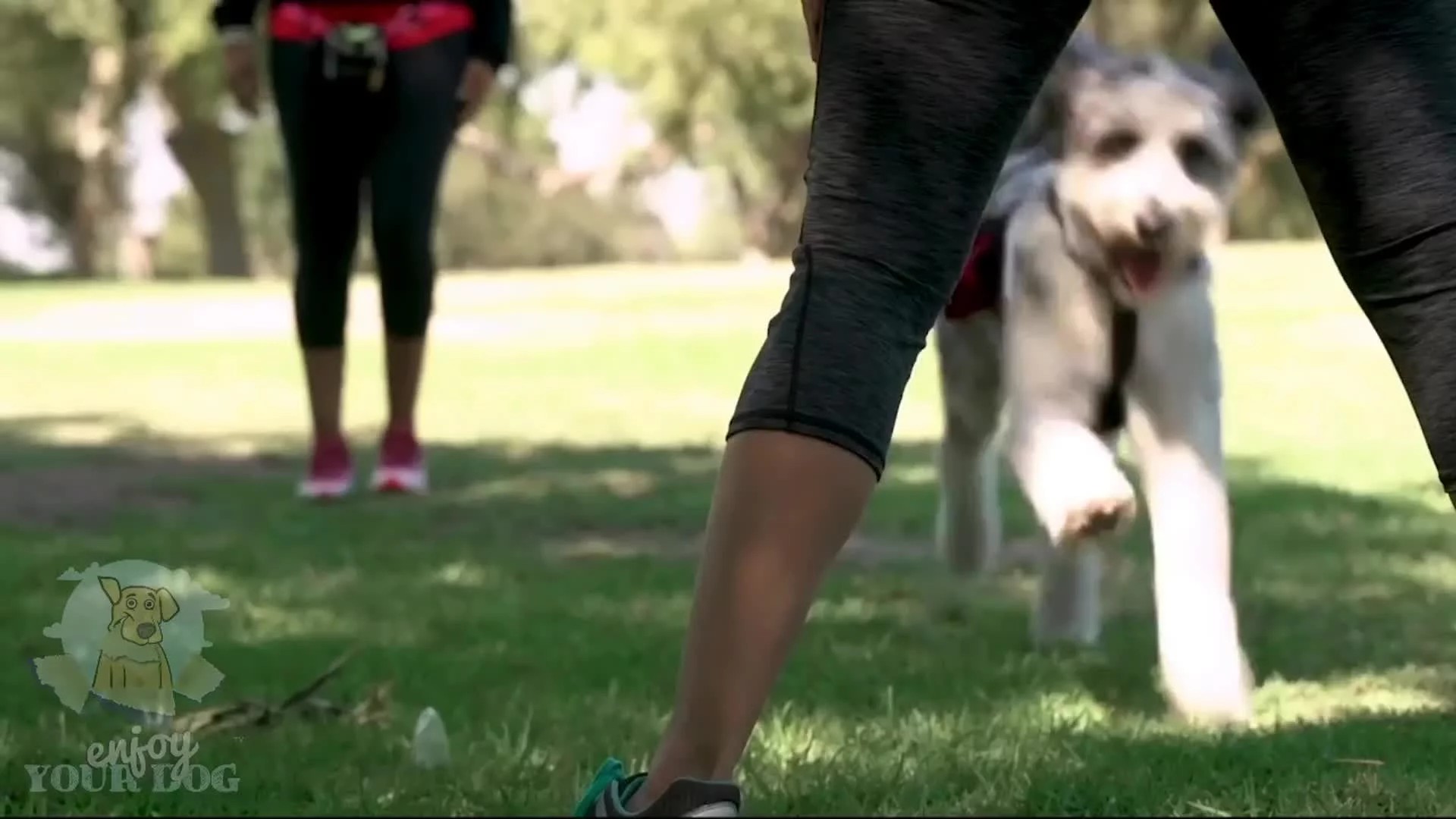
Details training a dog to 'tunnel' by running between legs using treats for motivation and as a recall alternative.
During adolescence, dogs may become touch sensitive due to growth discomfort, showing subtle signs of unease like turning away or panting.
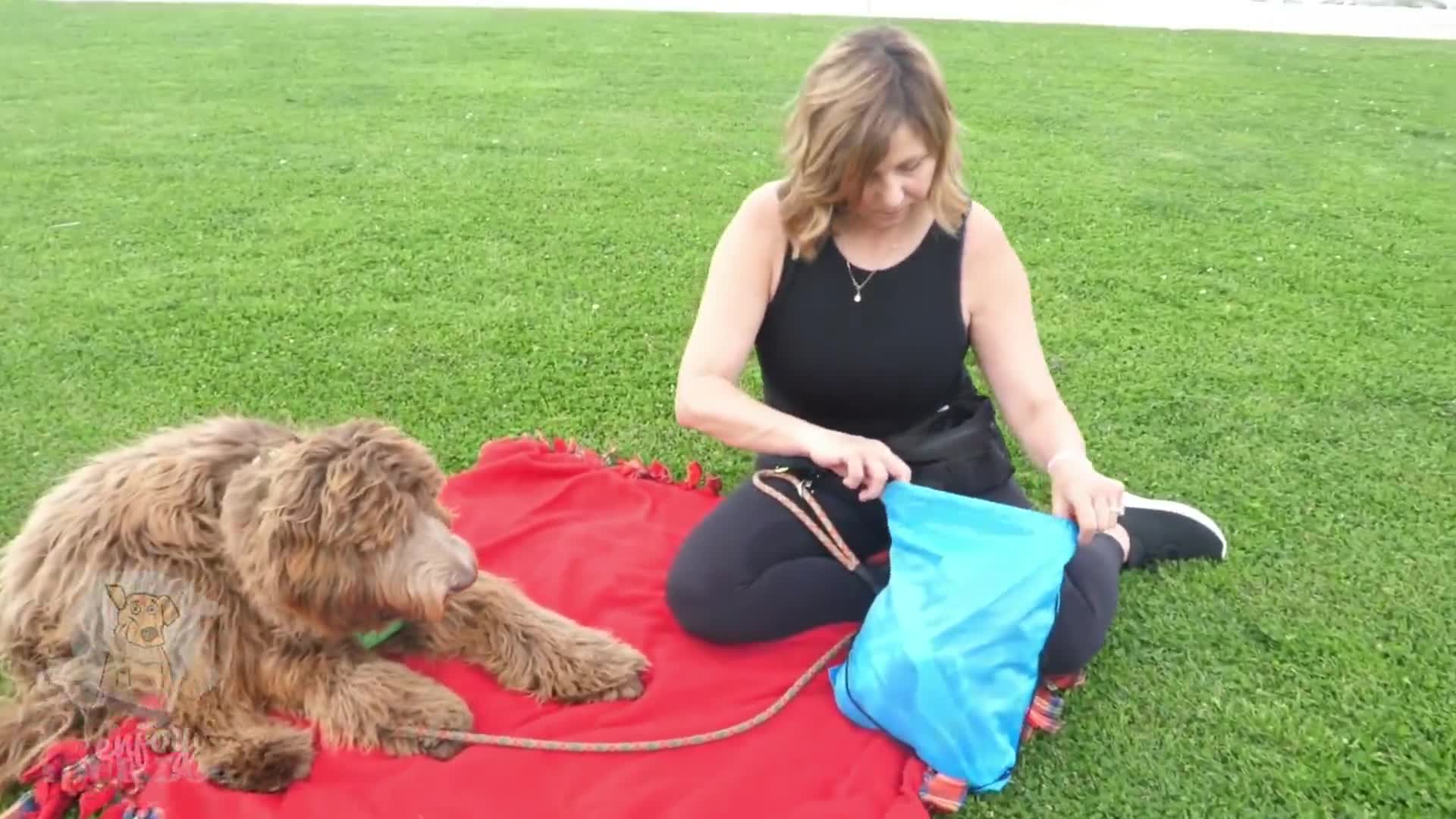
Enhancing the dog-owner bond, advocating for walks with a backpack of objects and a blanket for rest, offering novel treats, and playing with toys.
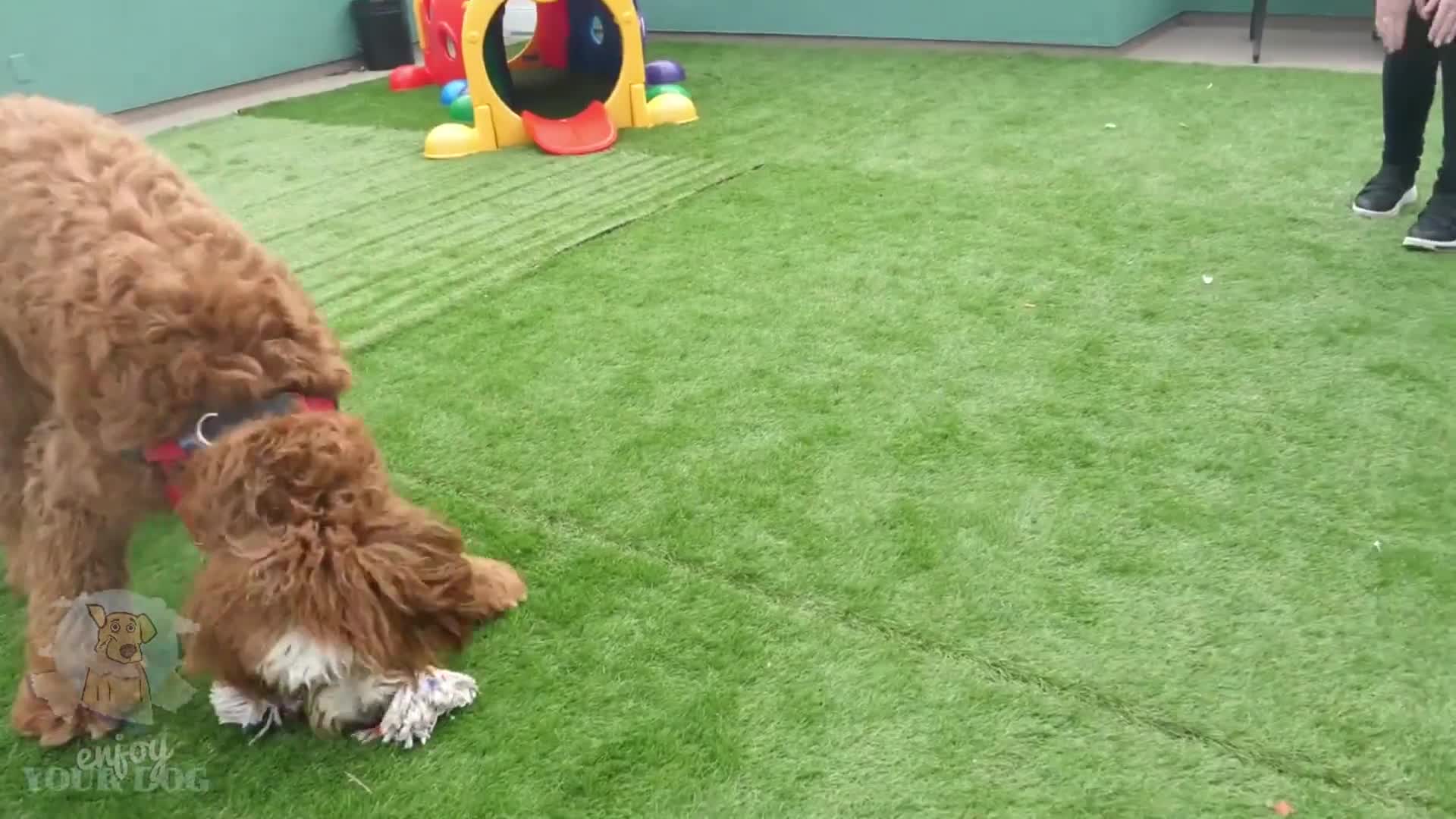
Training dogs to fetch by encouraging them to play tug, letting them win, rewarding them with more tug, emphasizing progression at the dog's pace, and using the game to teach retrieval.
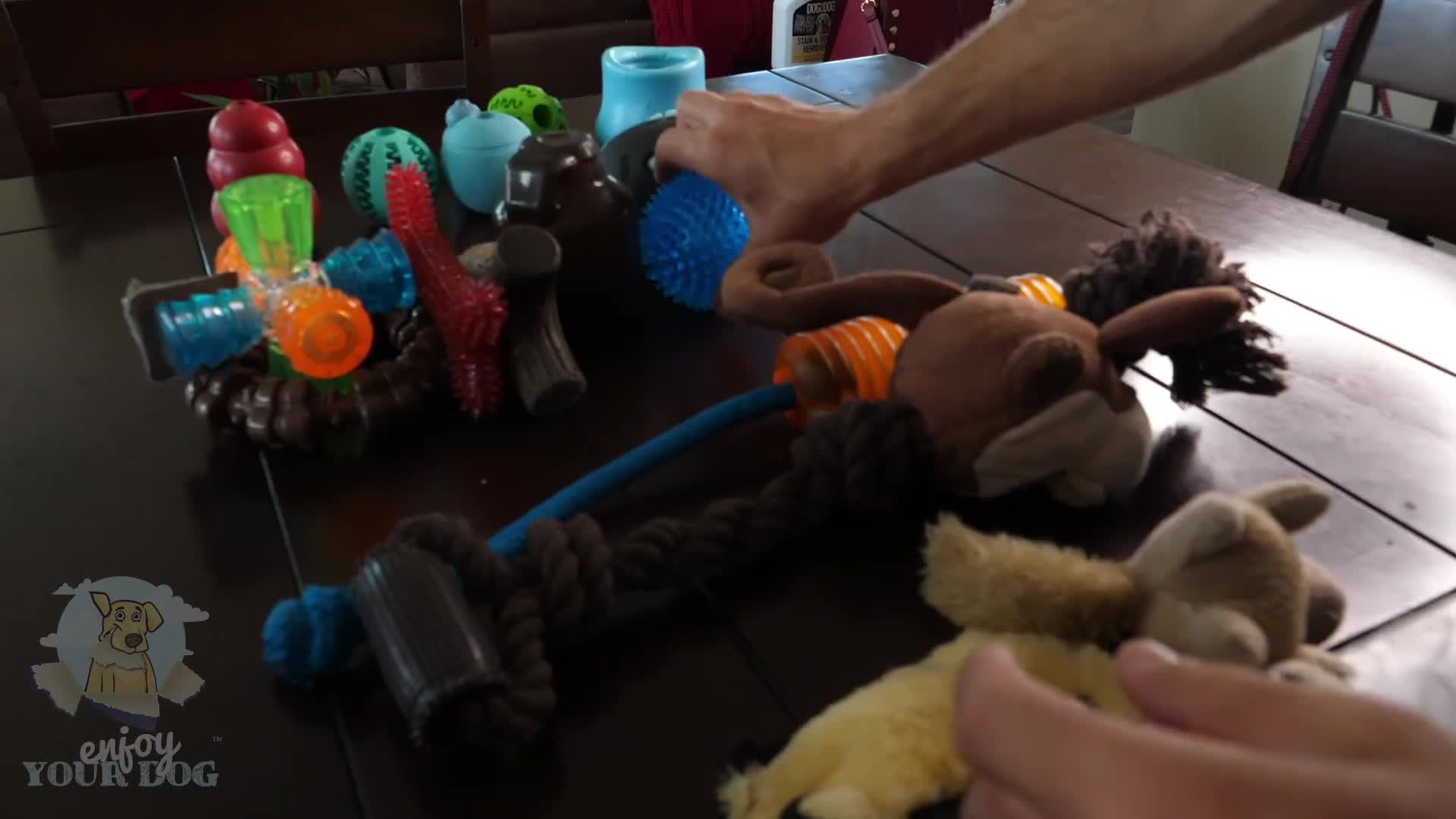
Choose dog toys, highlight treat dispensers for stimulation, use interactive toys like fetch items for bonding, use durable self-amusement toys like Kong for solo play, and use plush comfort toys.
Cumulative stress without adequate relaxation leads to atypical behaviors like barking or leash pulling.
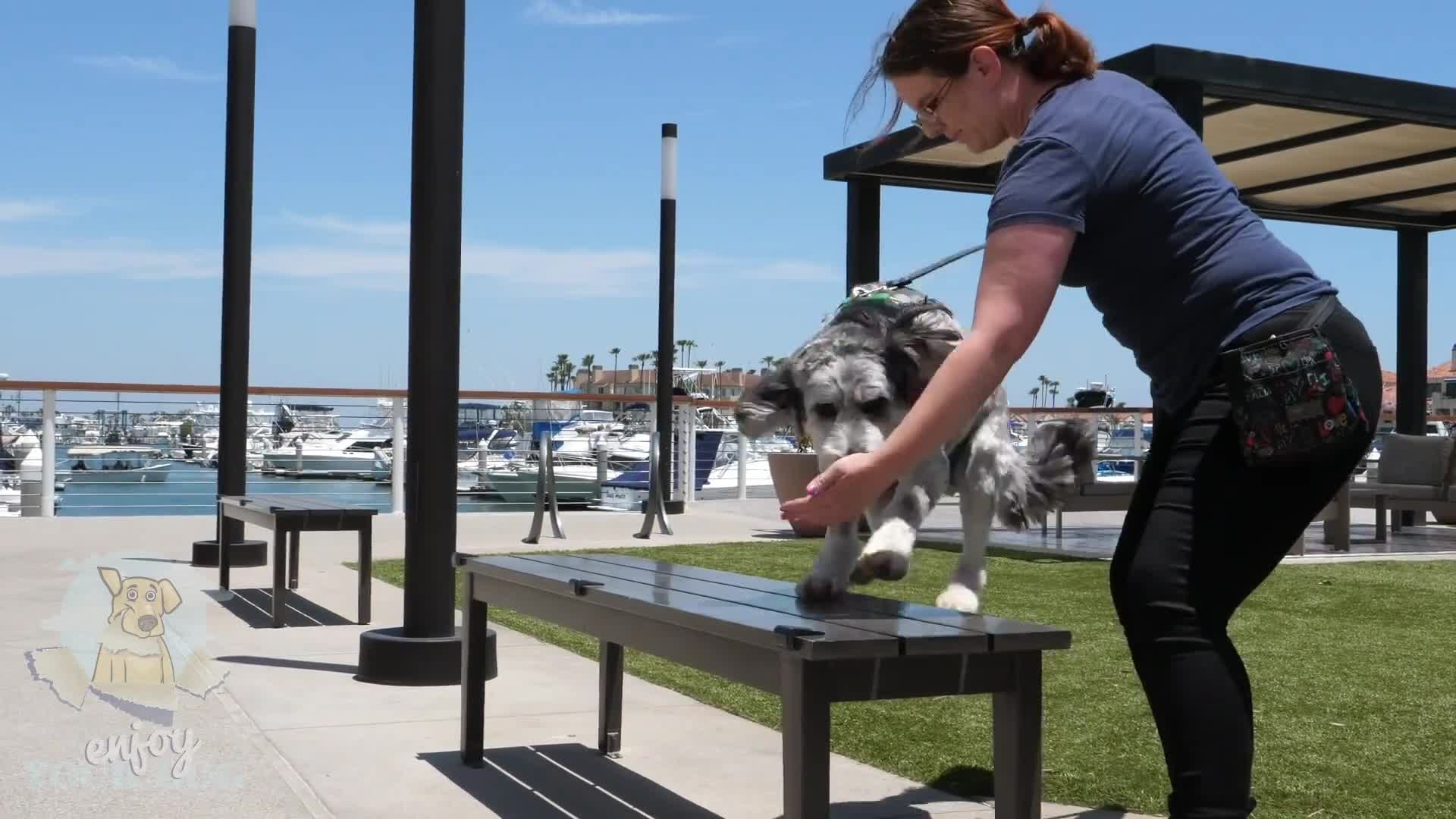
During adolescence, engaging dogs in urban agility strengthens bonds by teaching them to navigate obstacles on walks, fostering creativity.
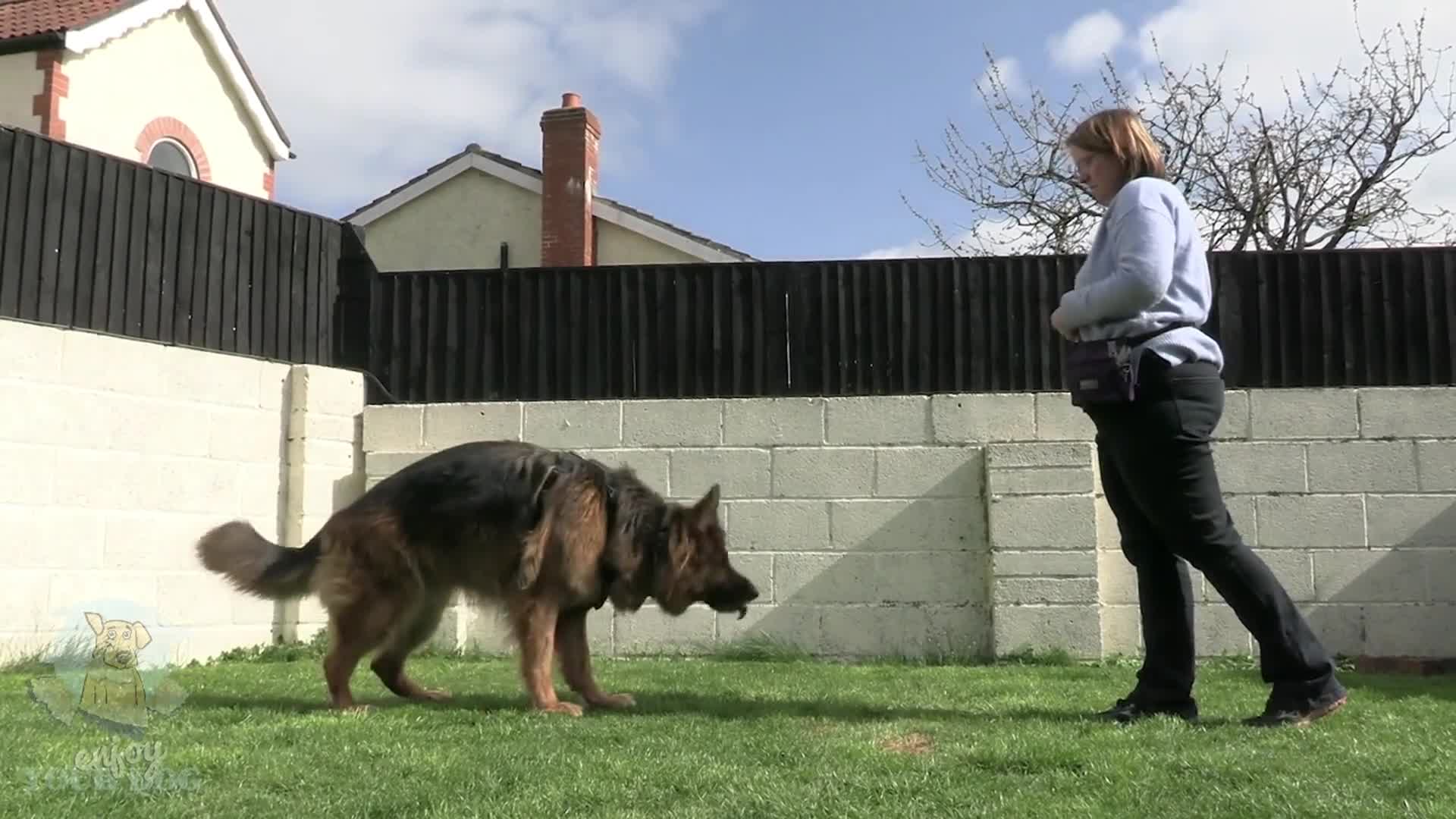
Teaching dogs involves starting with stationary treat catching, progressing to movement, and practicing in diverse locations to improve focused walking.
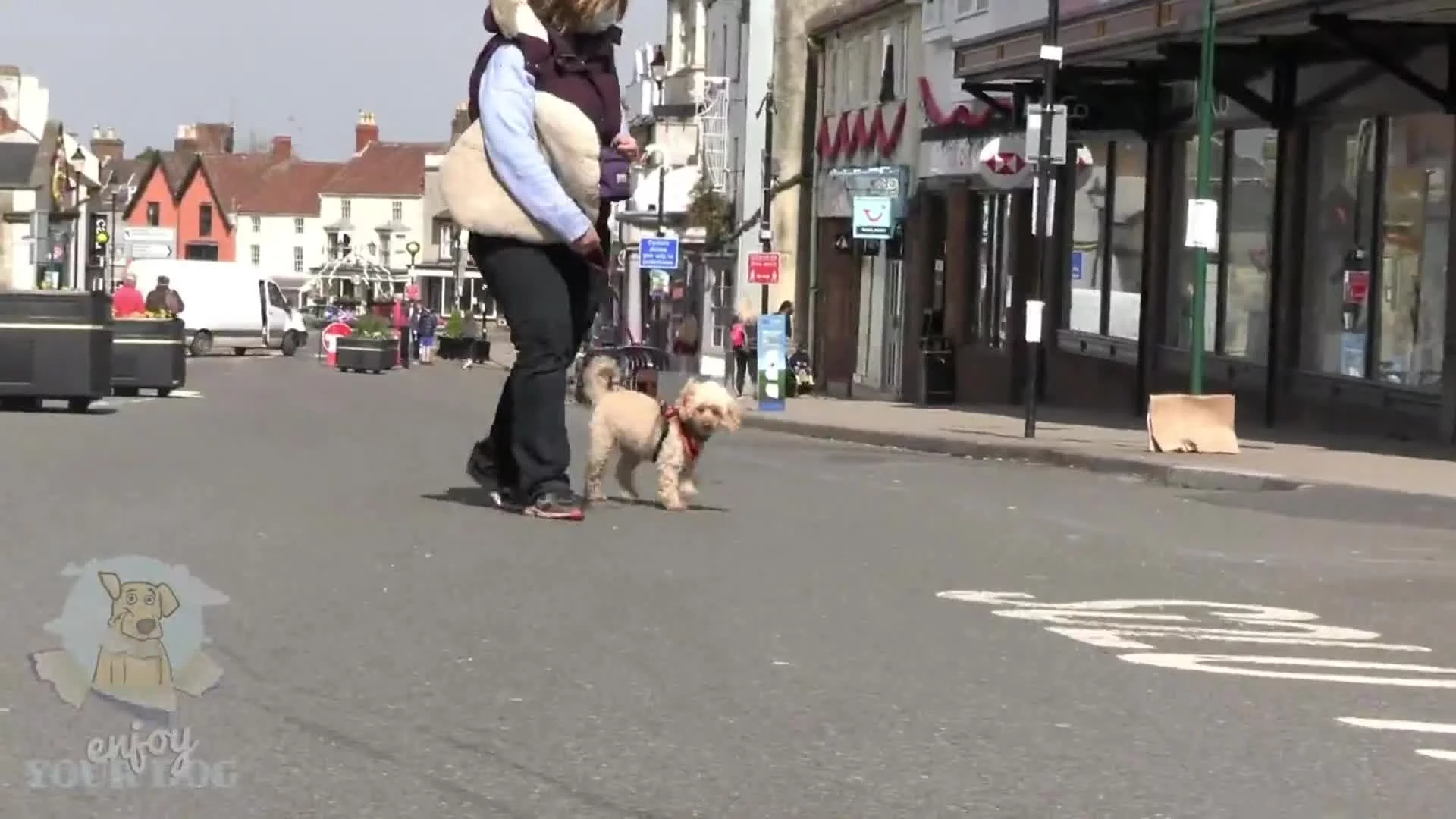
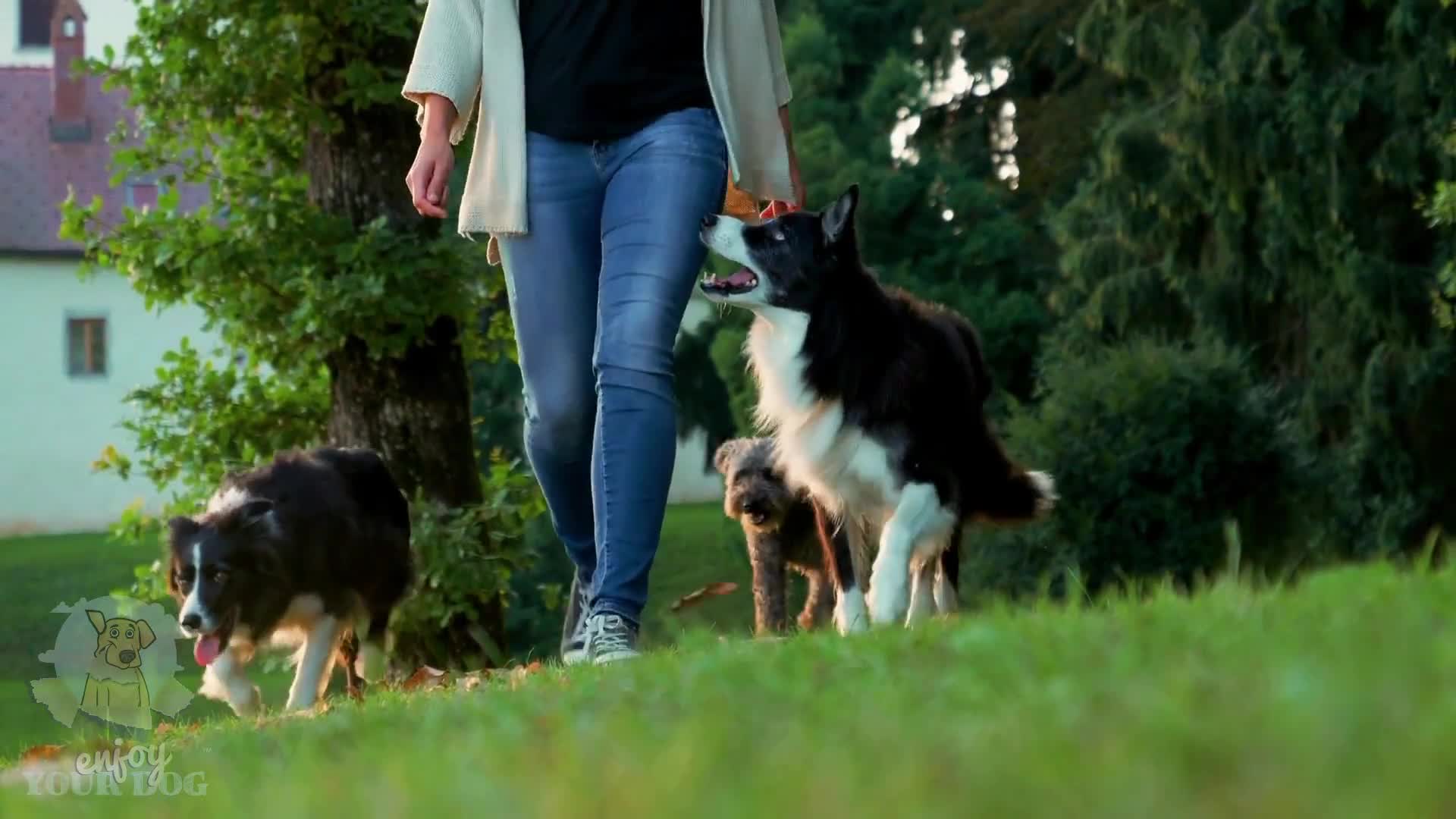
Training dogs to match their walking pace with their owners, from slow to fast, and using rewards when the leash is loose enhances walks.
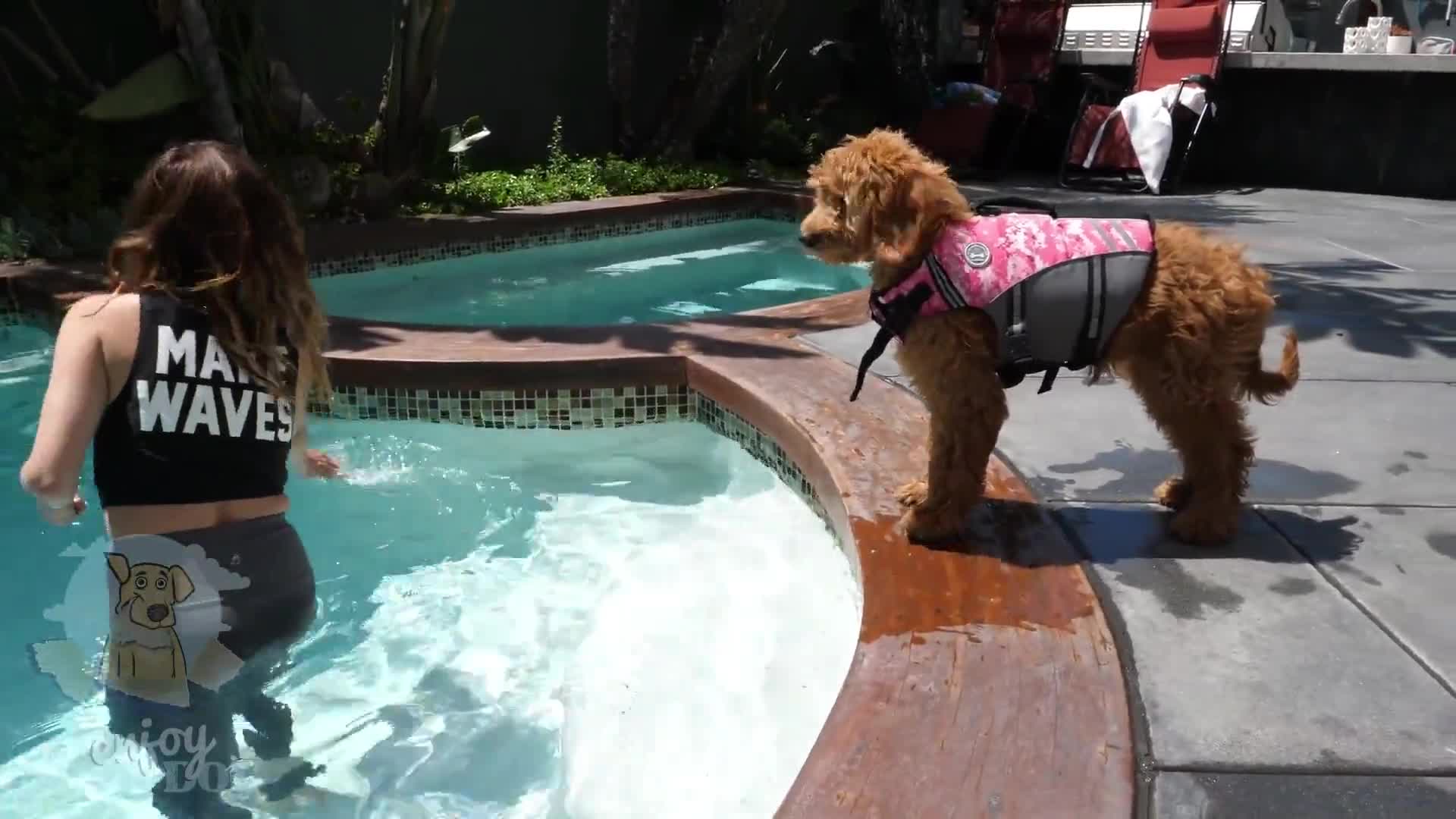
Introducing dogs to water involves starting with damp surfaces, progressing to shallow paddling pools or beaches, and playing with toys.
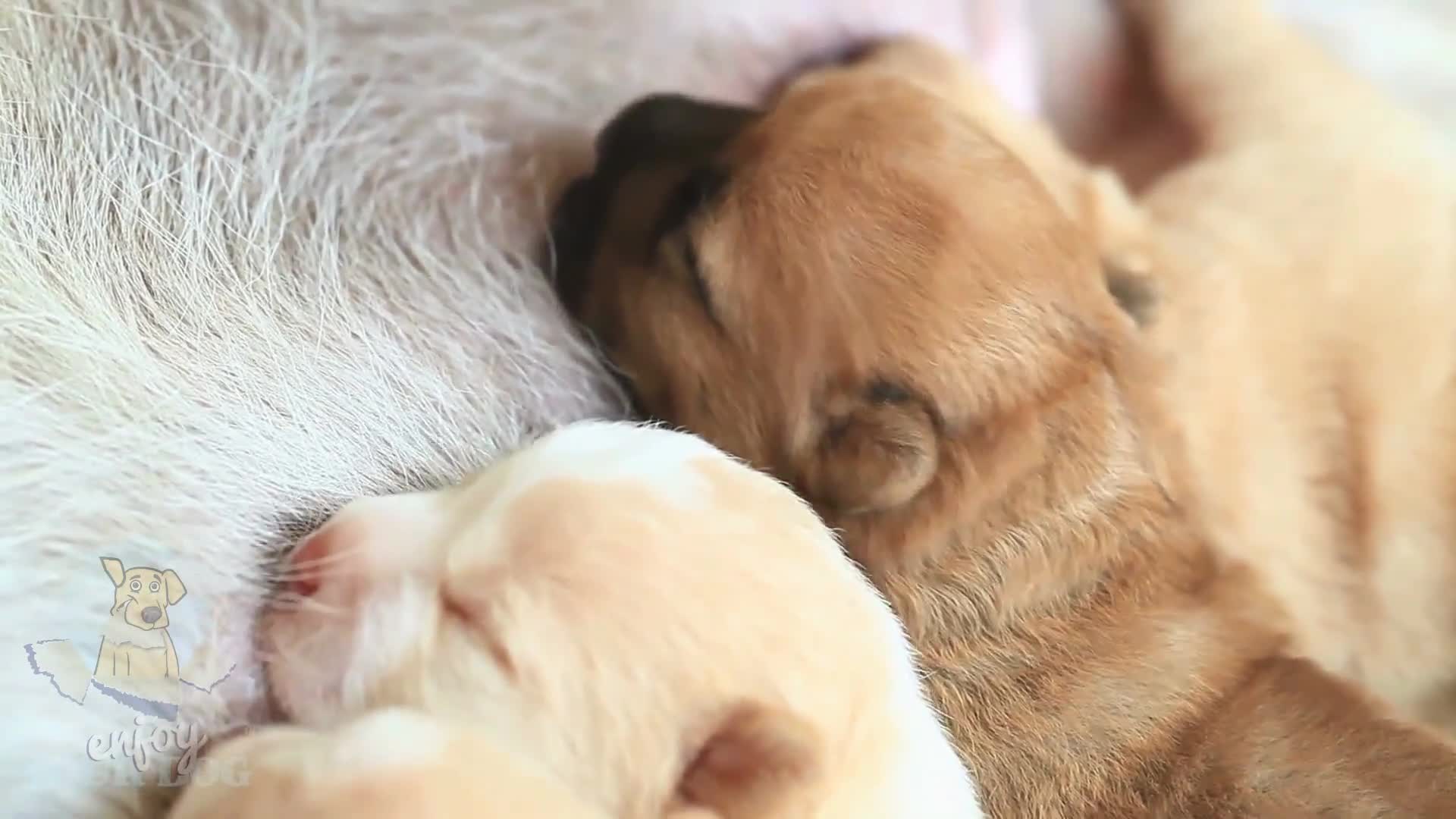
Adolescence in dogs is a period between sexual and social maturity from 4 to 24 months.
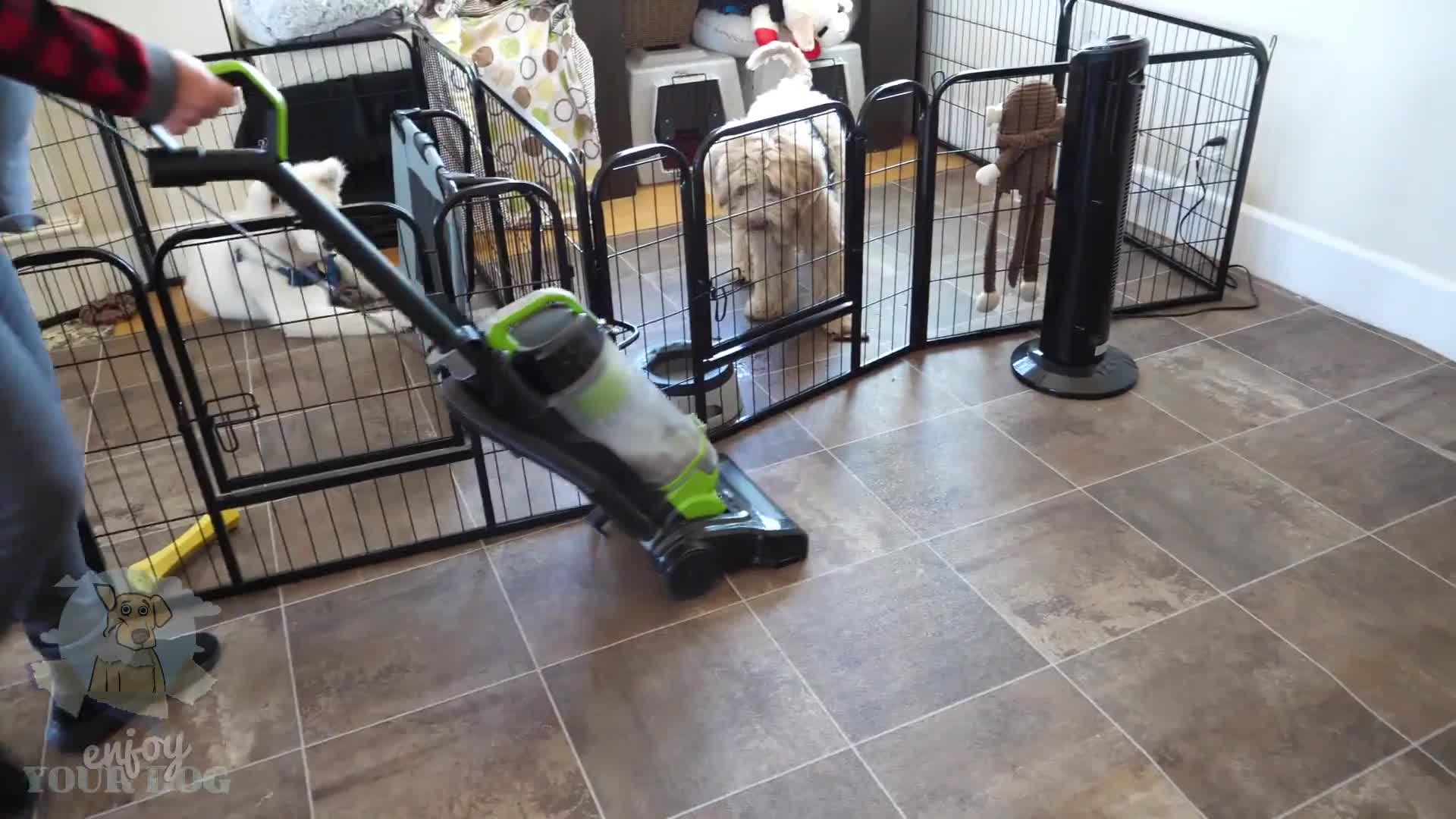
Management prevents dogs from undesirable behaviors like counter surfing, bolting, and jumping at people, emphasizing early intervention and tools like pens, crates, gates, and leashes for easier training.
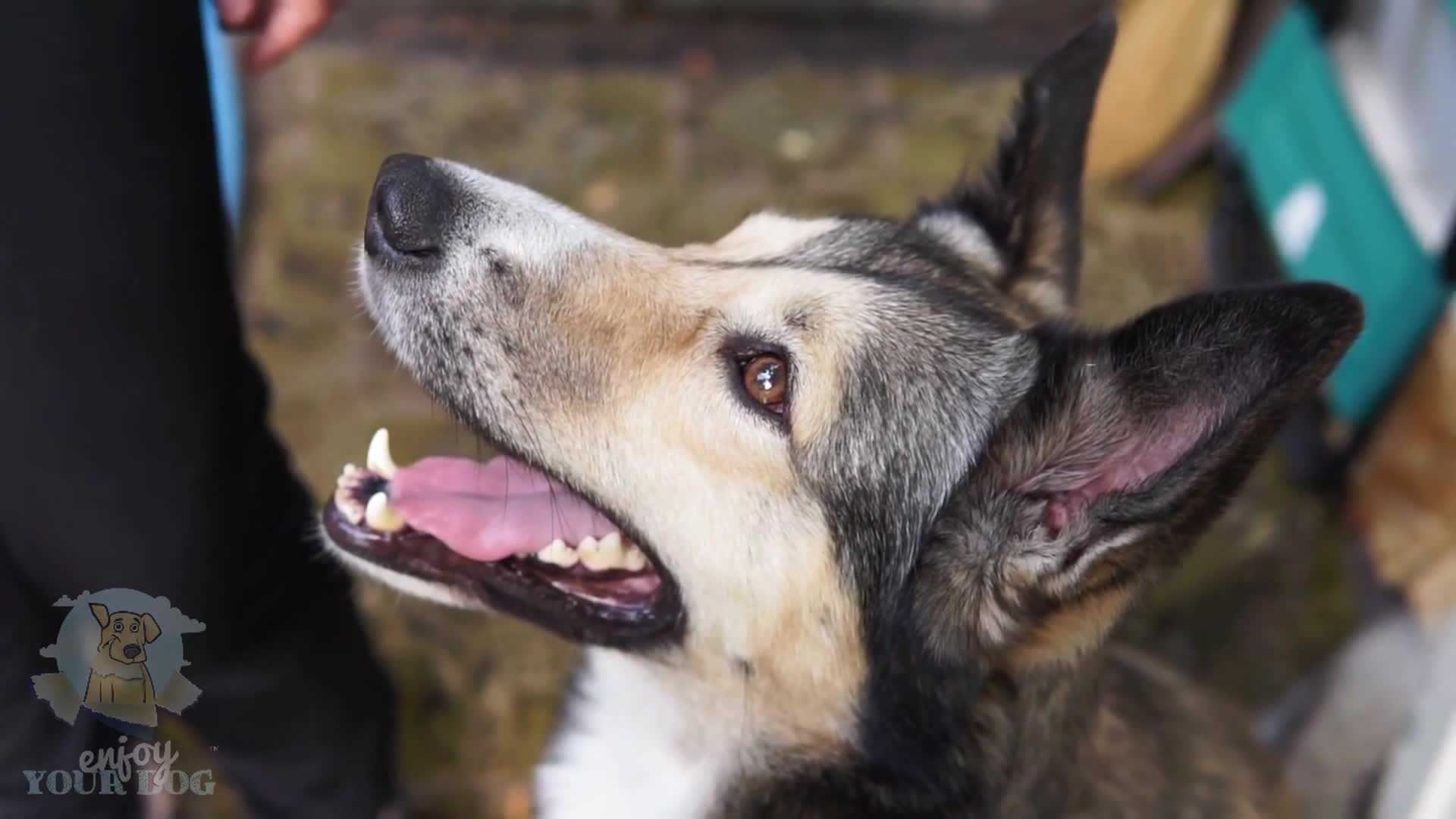
A focus-enhancing game, 'Where's my face?', for adolescent dogs, teaching them to make and maintain eye contact with rewards.
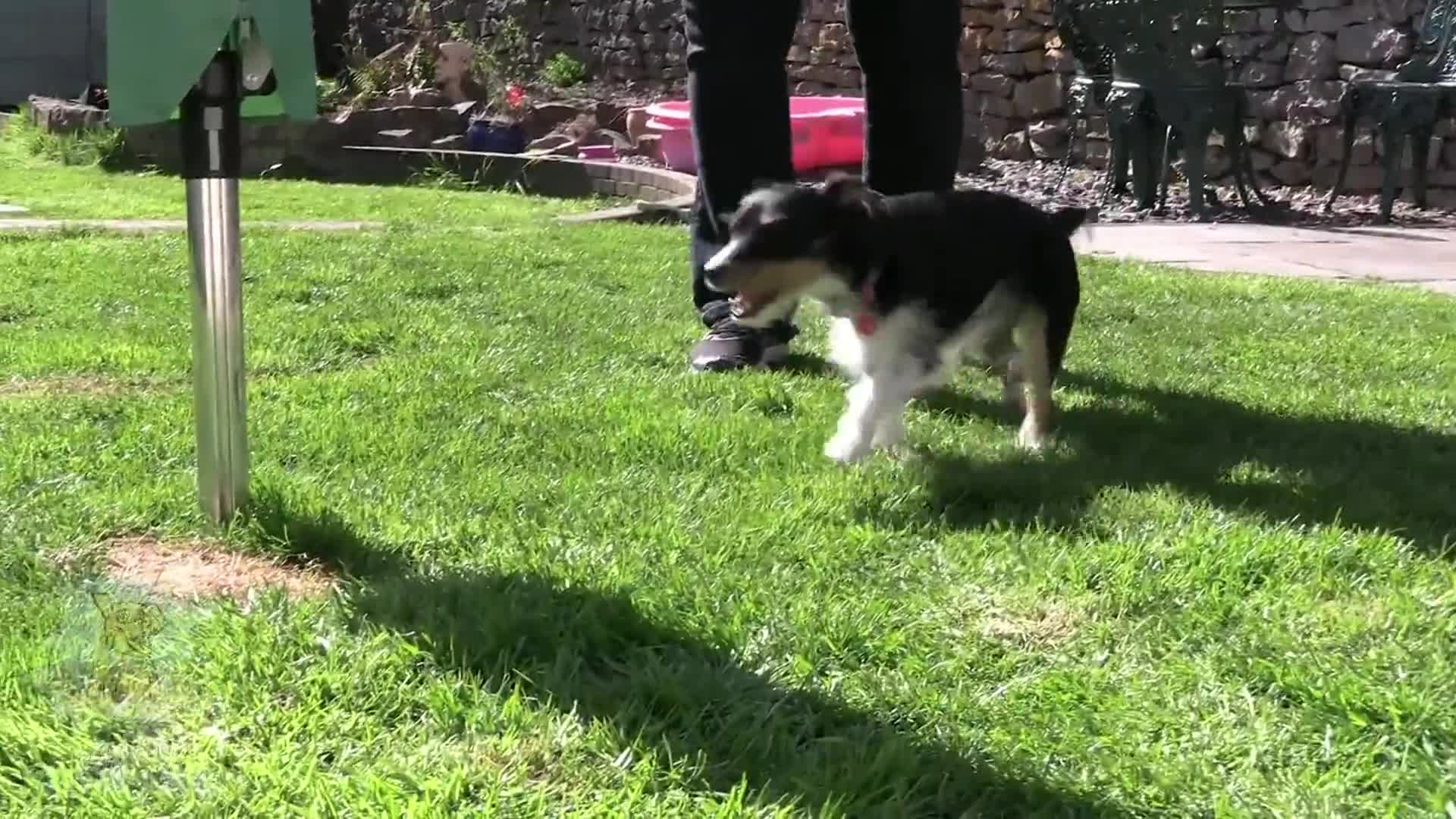
A method to teach dogs the wrap around, a confidence-building exercise involving guiding the dog around an object and rewarding them.
During adolescence, dogs learn self-control through Zen Cookie, a game that enhances their ability to wait for treats calmly.