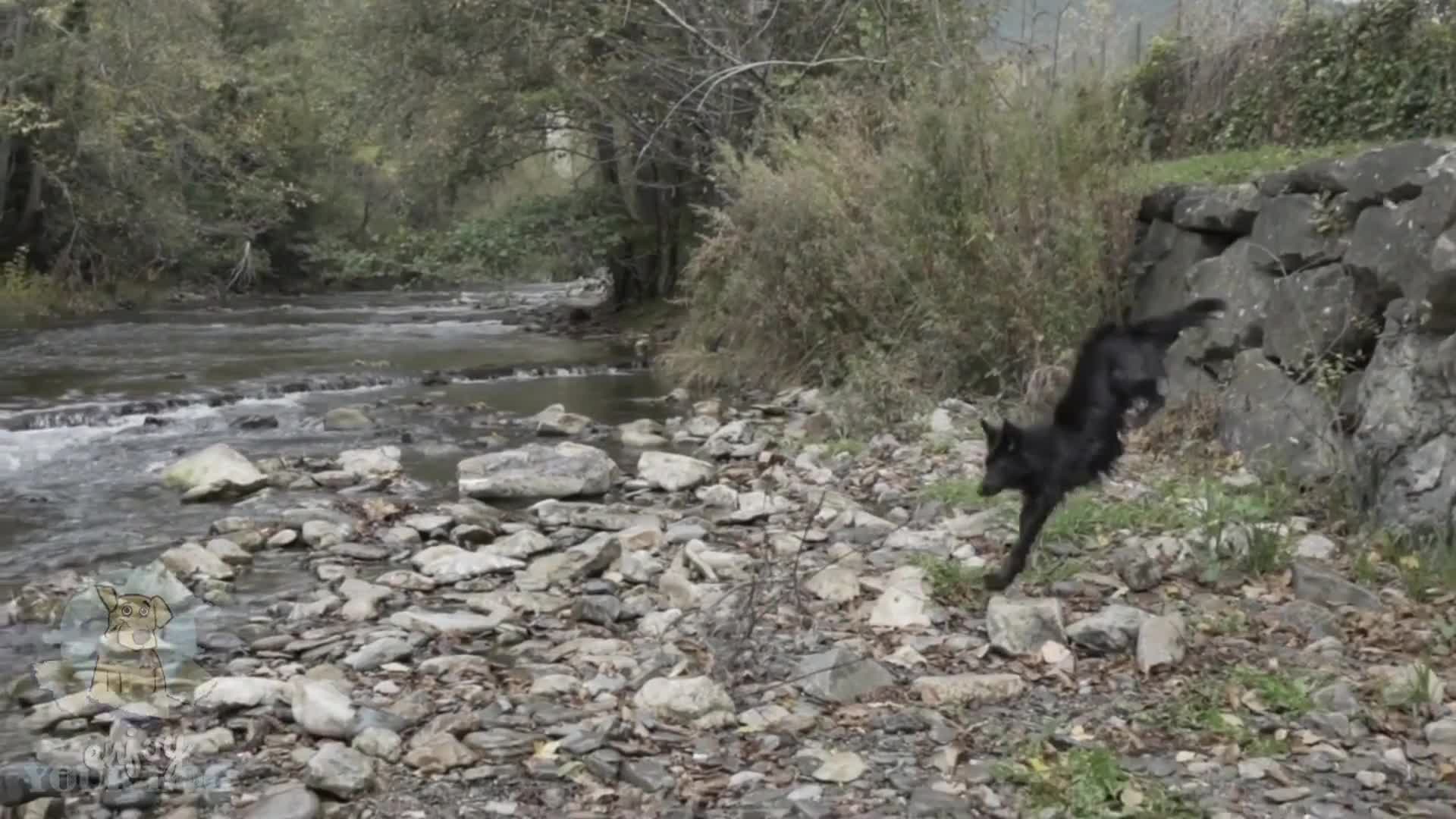
During adolescence, dogs learn self-control through Zen Cookie, a game that enhances their ability to wait for treats calmly.
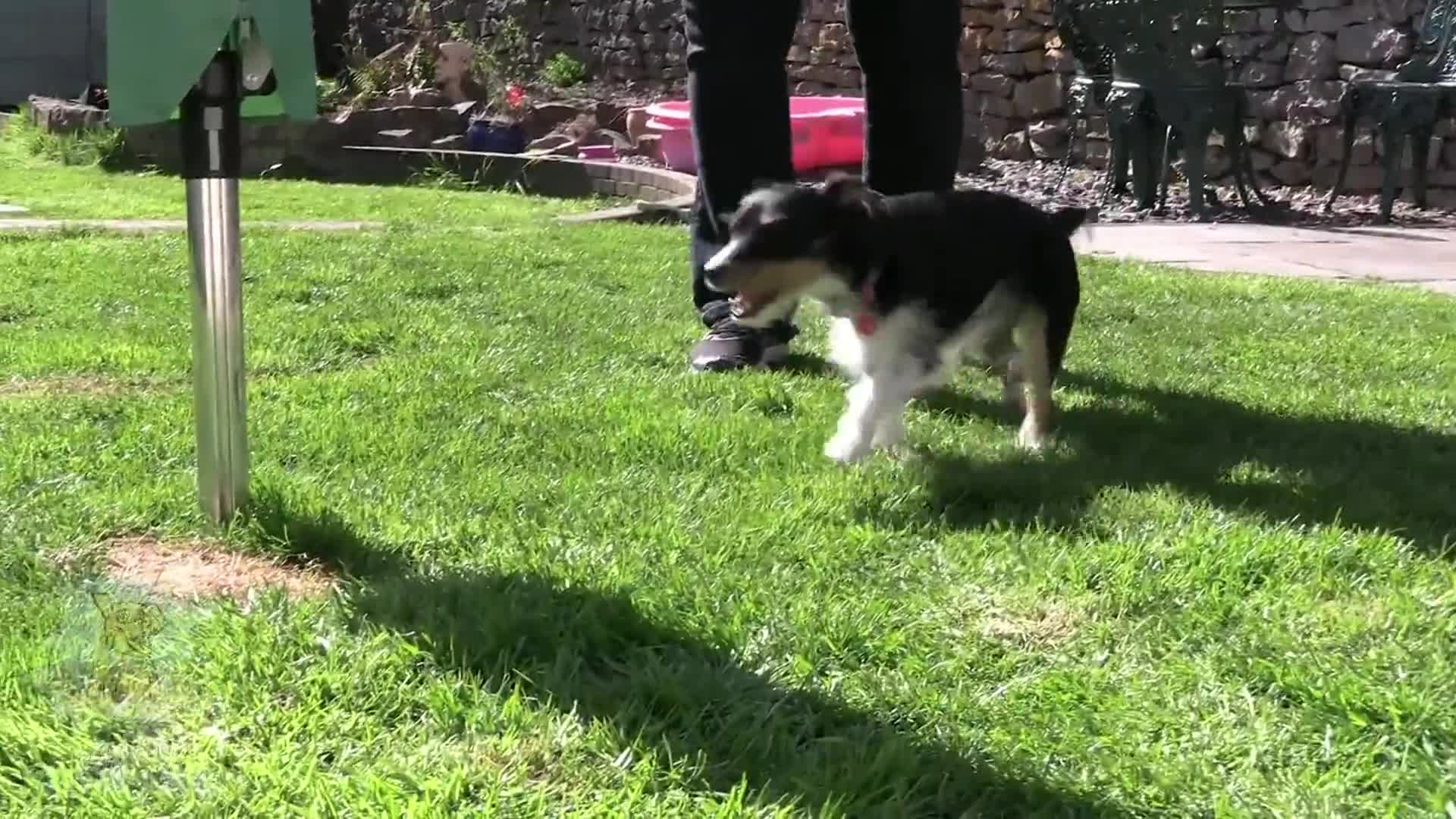
A method to teach dogs the wrap around, a confidence-building exercise involving guiding the dog around an object and rewarding them.
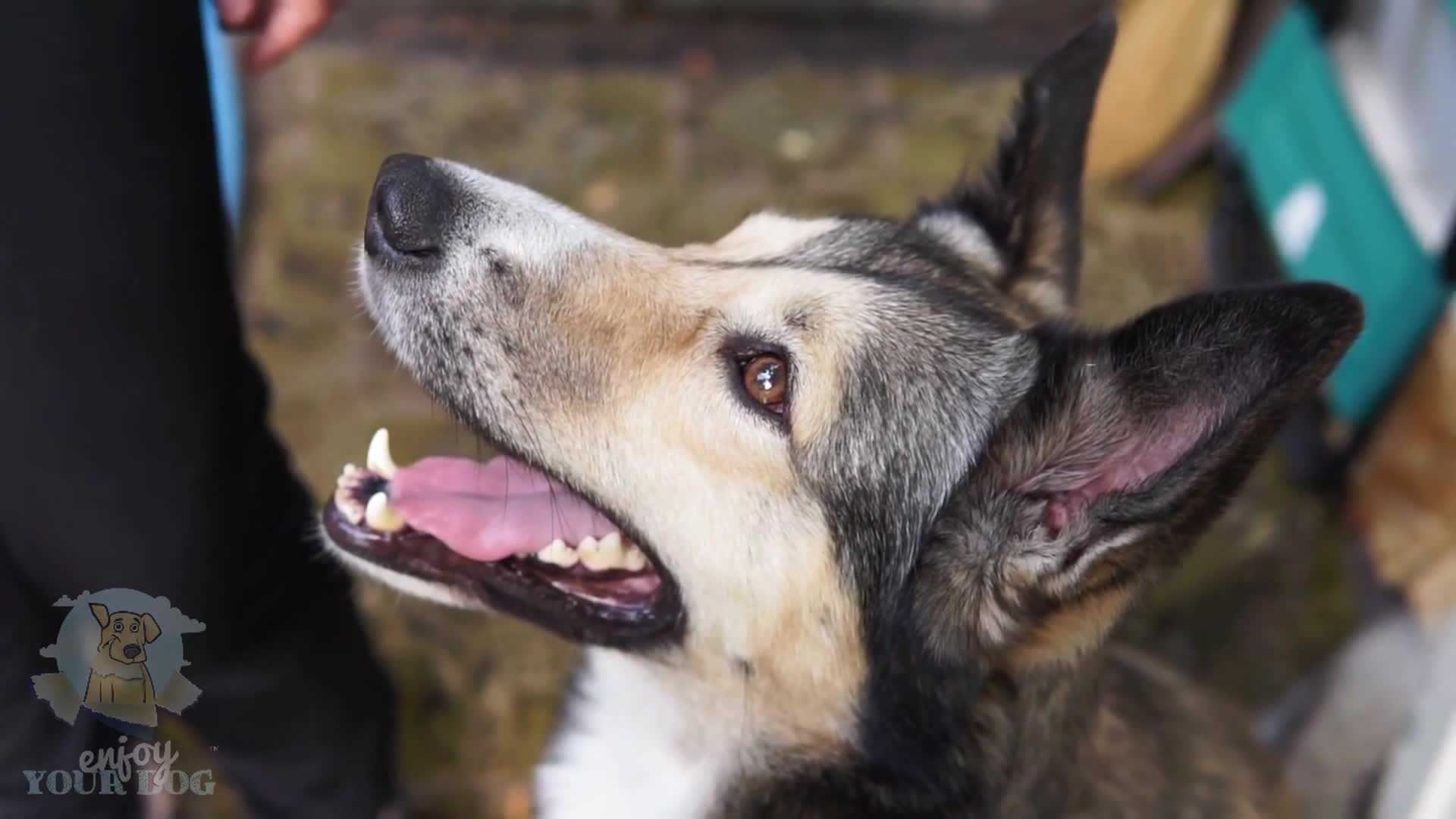
A focus-enhancing game, 'Where's my face?', for adolescent dogs, teaching them to make and maintain eye contact with rewards.
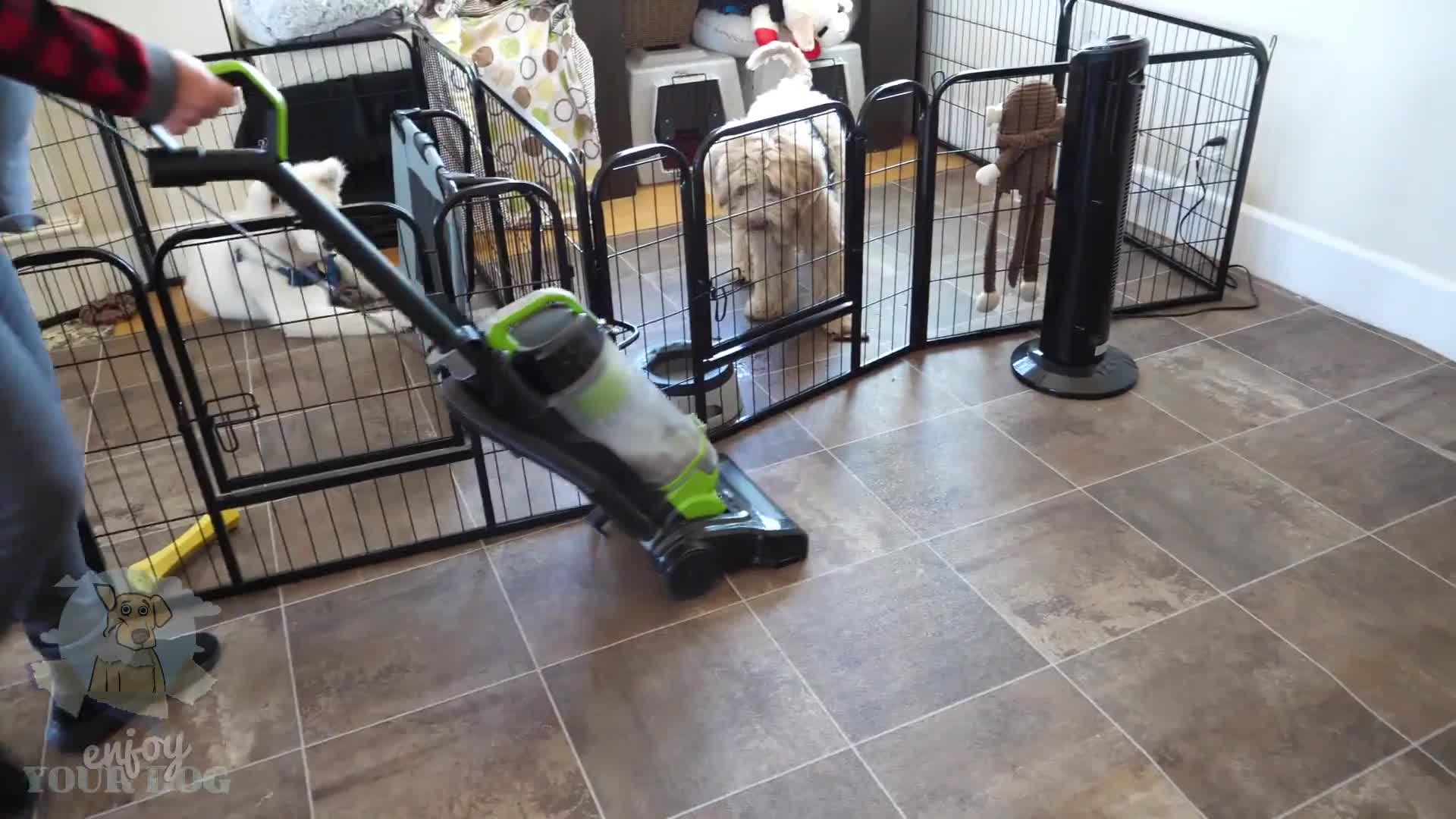
Management prevents dogs from undesirable behaviors like counter surfing, bolting, and jumping at people, emphasizing early intervention and tools like pens, crates, gates, and leashes for easier training.

Adolescence in dogs is a period between sexual and social maturity from 4 to 24 months.
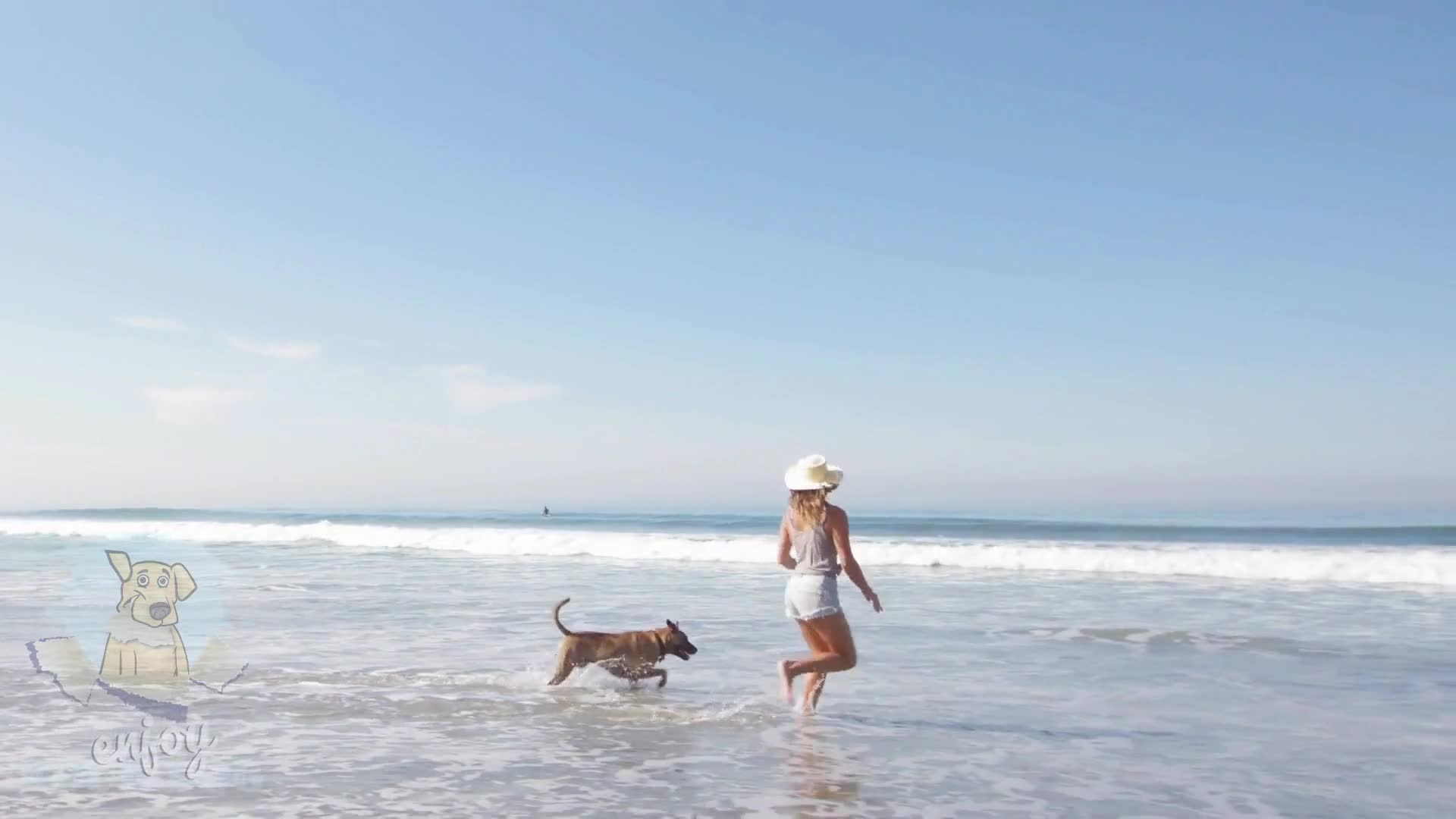
Cumulative stress without adequate relaxation leads to atypical behaviors like barking or leash pulling.
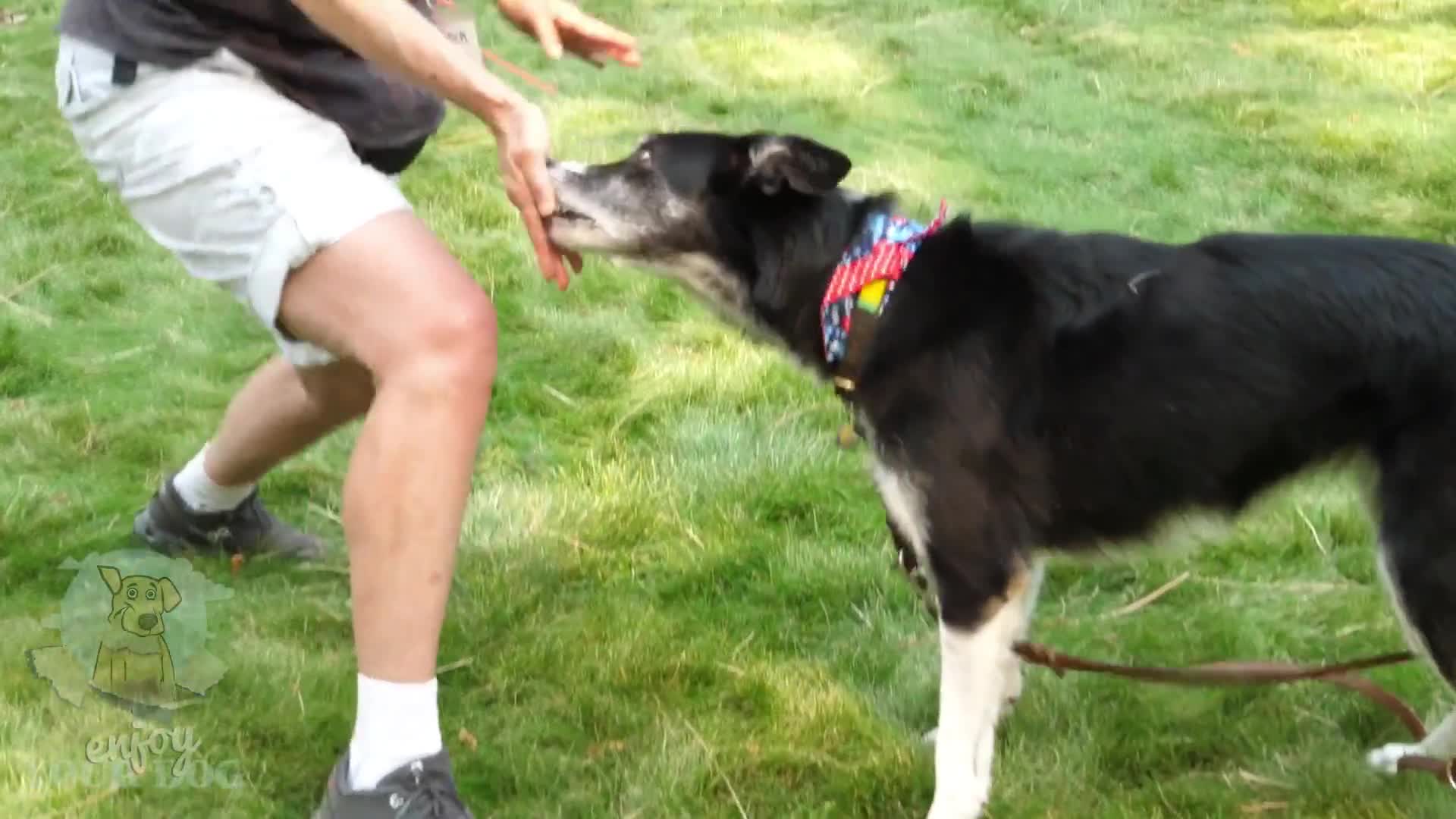
Nose targeting training helps to maintain focus and teach advanced commands.
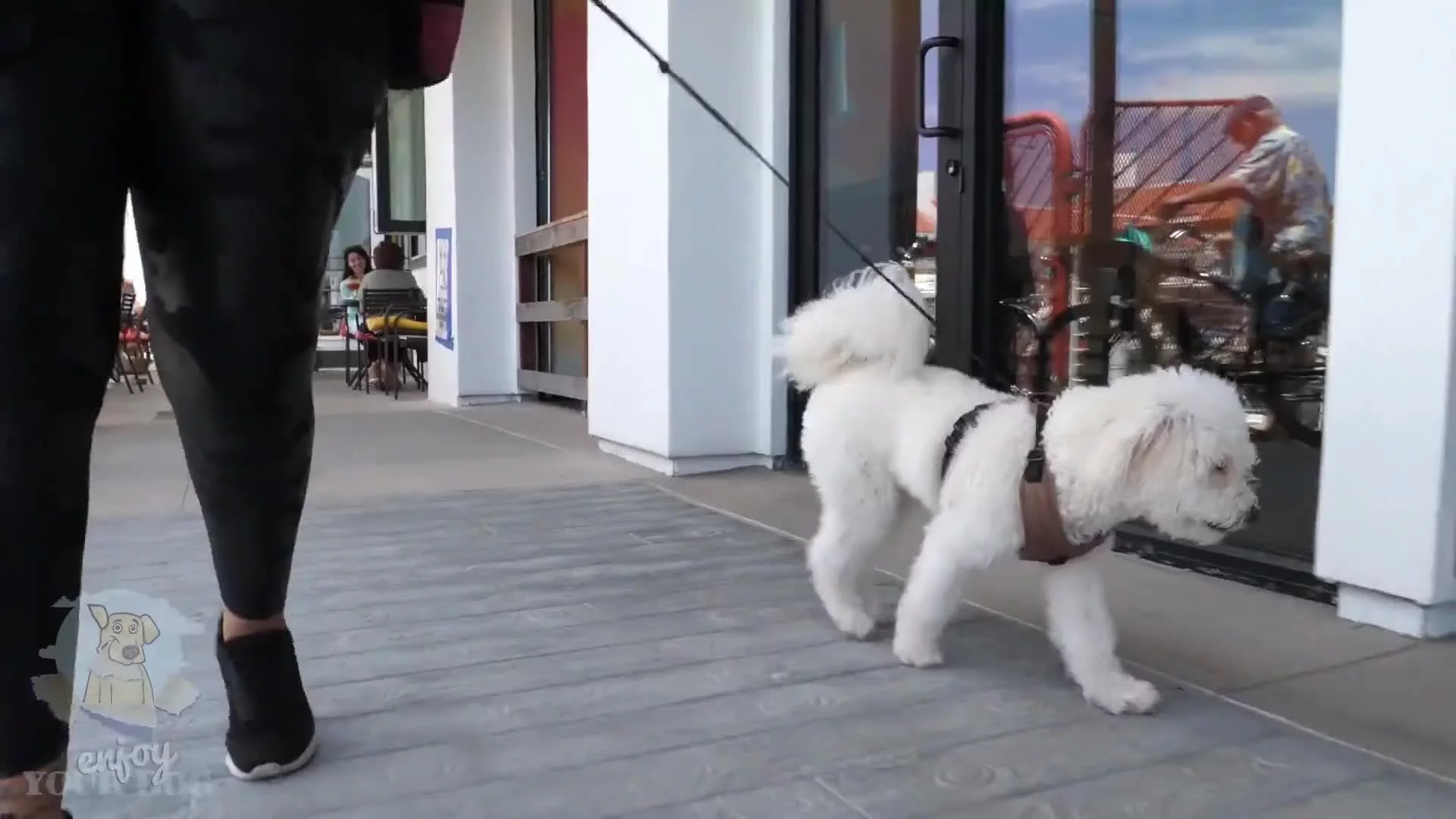
The guide emphasizes calm leash walking, starting with relaxation techniques like 'sniff ari' and monitoring body language for readiness.
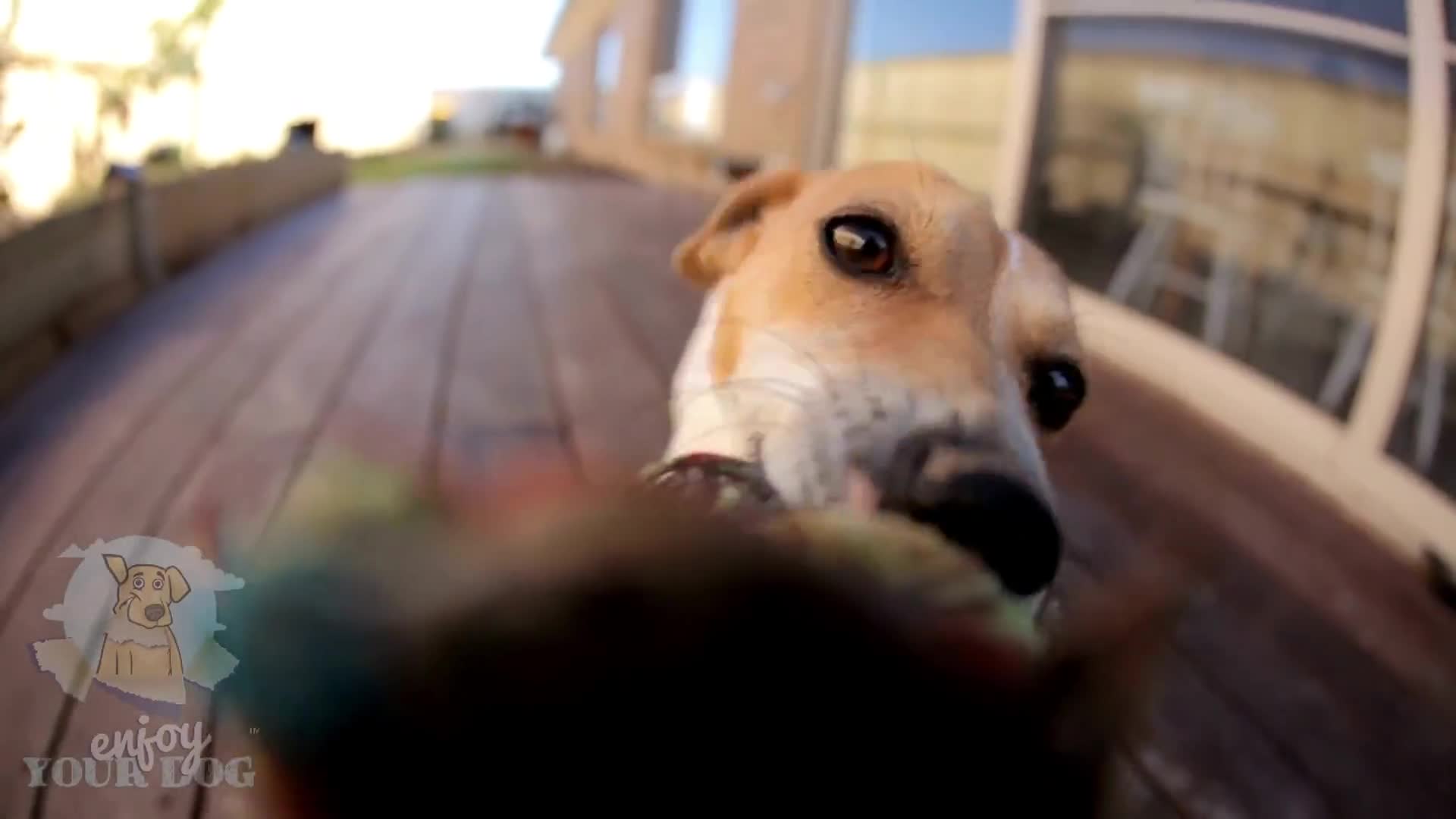
To manage an adolescent dog's arousal from environmental stimuli, which causes barking, pulling, or grabbing, it's advised to observe their body language and use sniffing activities, like treat searches, to calm them.
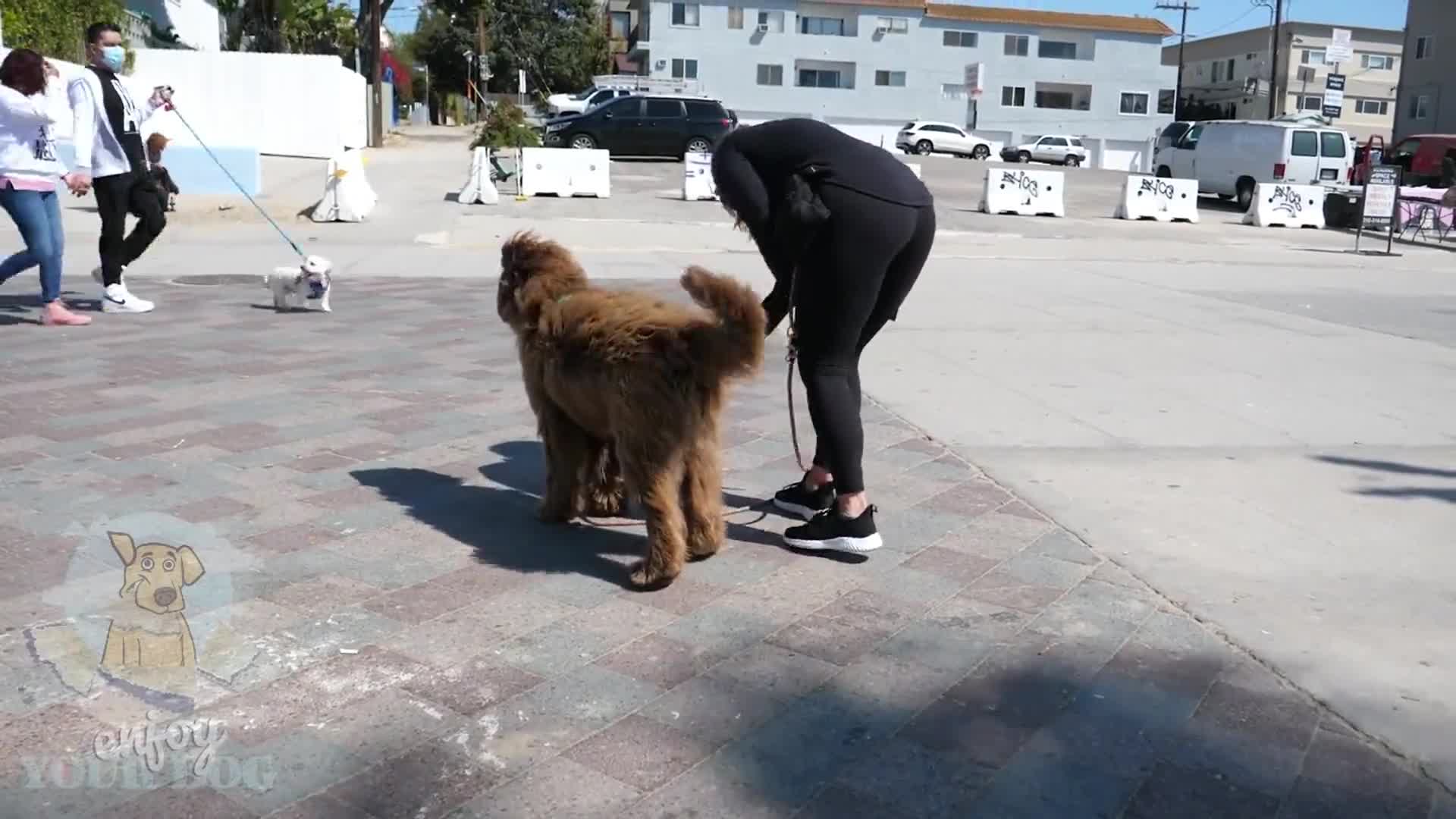
Training adolescent dogs involves using distractions as cues for them to focus on their handler, starting with rewarding them for acknowledging distractions.
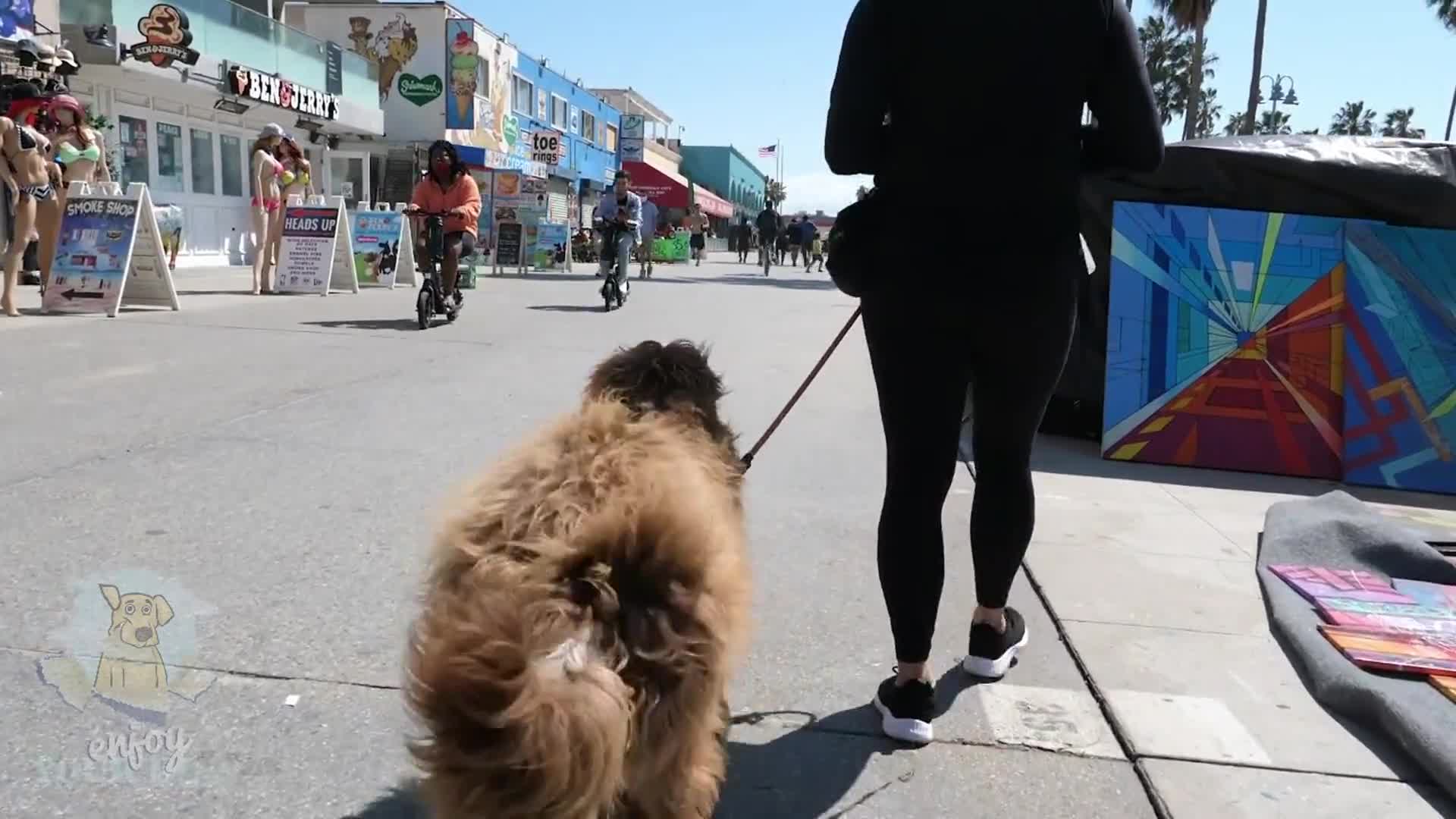
Using a treat magnet and high-value rewards, the technique focuses on taking preventative action to guide dogs past distractions by holding treats at nose height, ensuring their focus remains on the handler. It

The u-turn is for avoiding distractions or stress, utilizing body language, hand targets, or food lures for a 180-degree turn, and rewarding compliance.
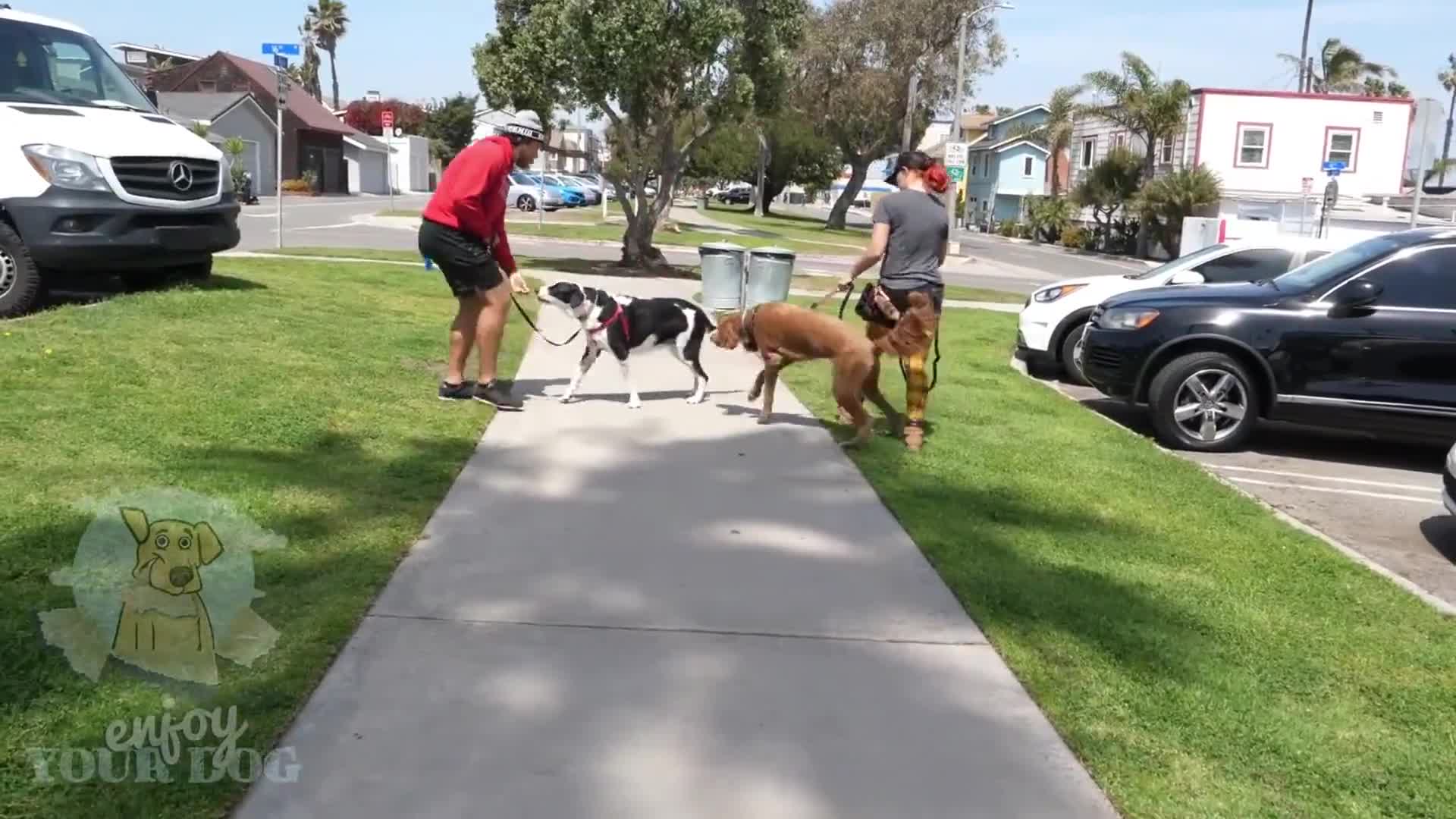
Training a dog to face its owner to avoid distractions on walks, using treats for positive reinforcement.

A strategy for dog owners to manage their pets' reactions to stimuli during walks by crossing the street to avoid potential triggers, emphasizing the importance of proactive space creation for the dog's calmness and successful outings.
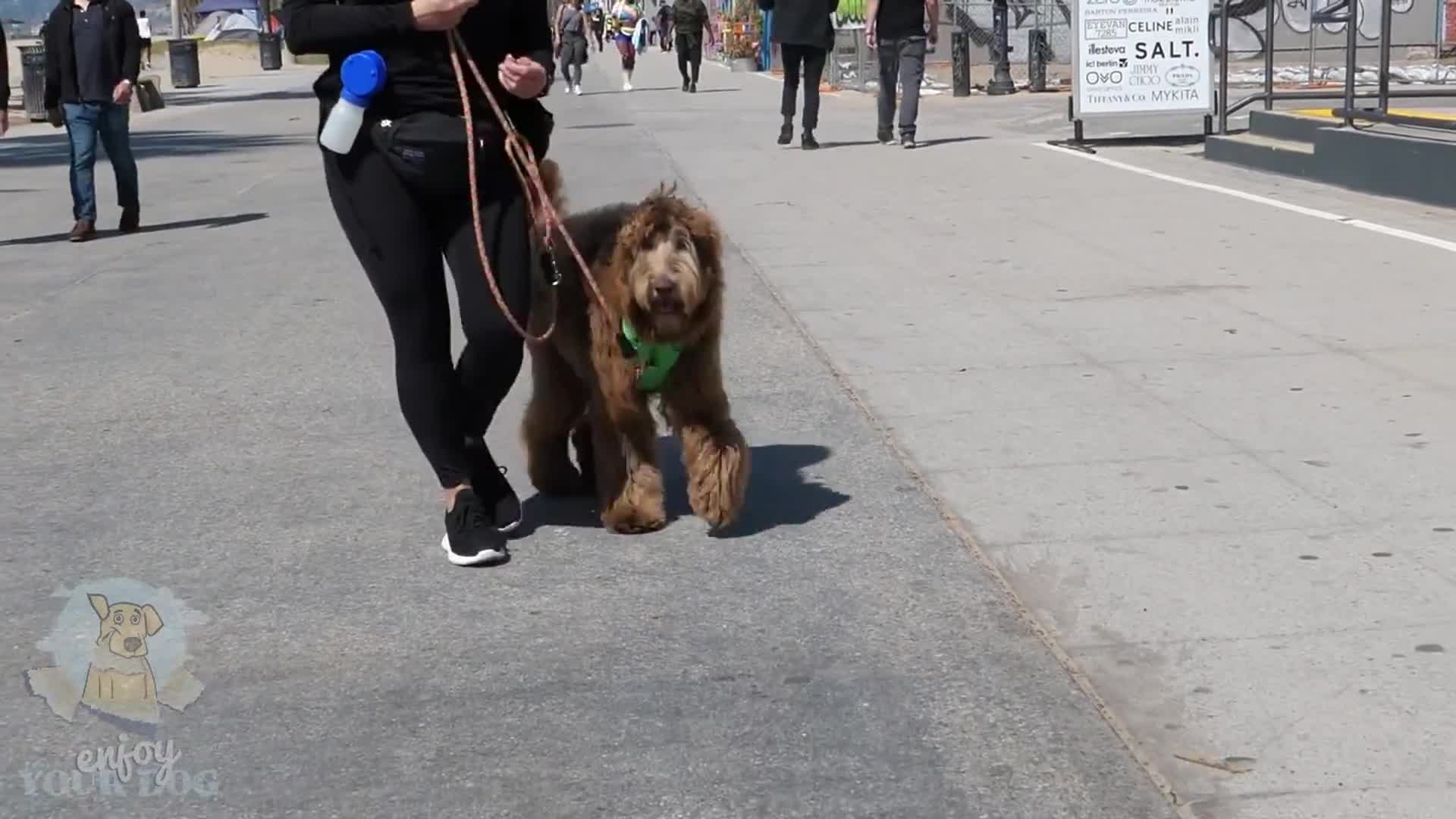
Training dogs to maintain behaviors amidst distractions by focusing on distraction, duration, and distance, noting the importance of observing the dog's body language and adjusting accordingly.
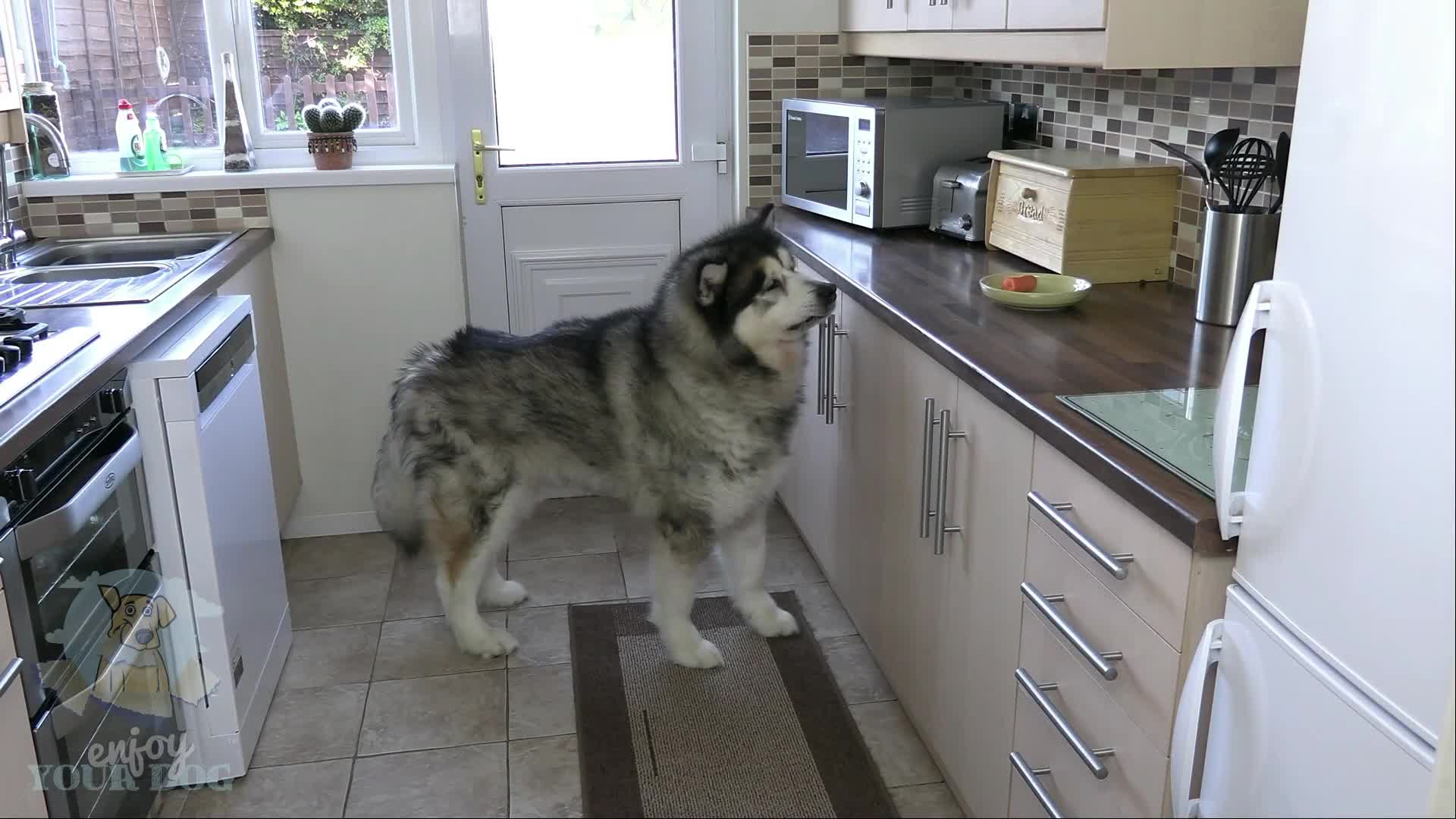
Addressing adolescent dogs' counter surfing, using barriers and a clear counter policy as management strategies.
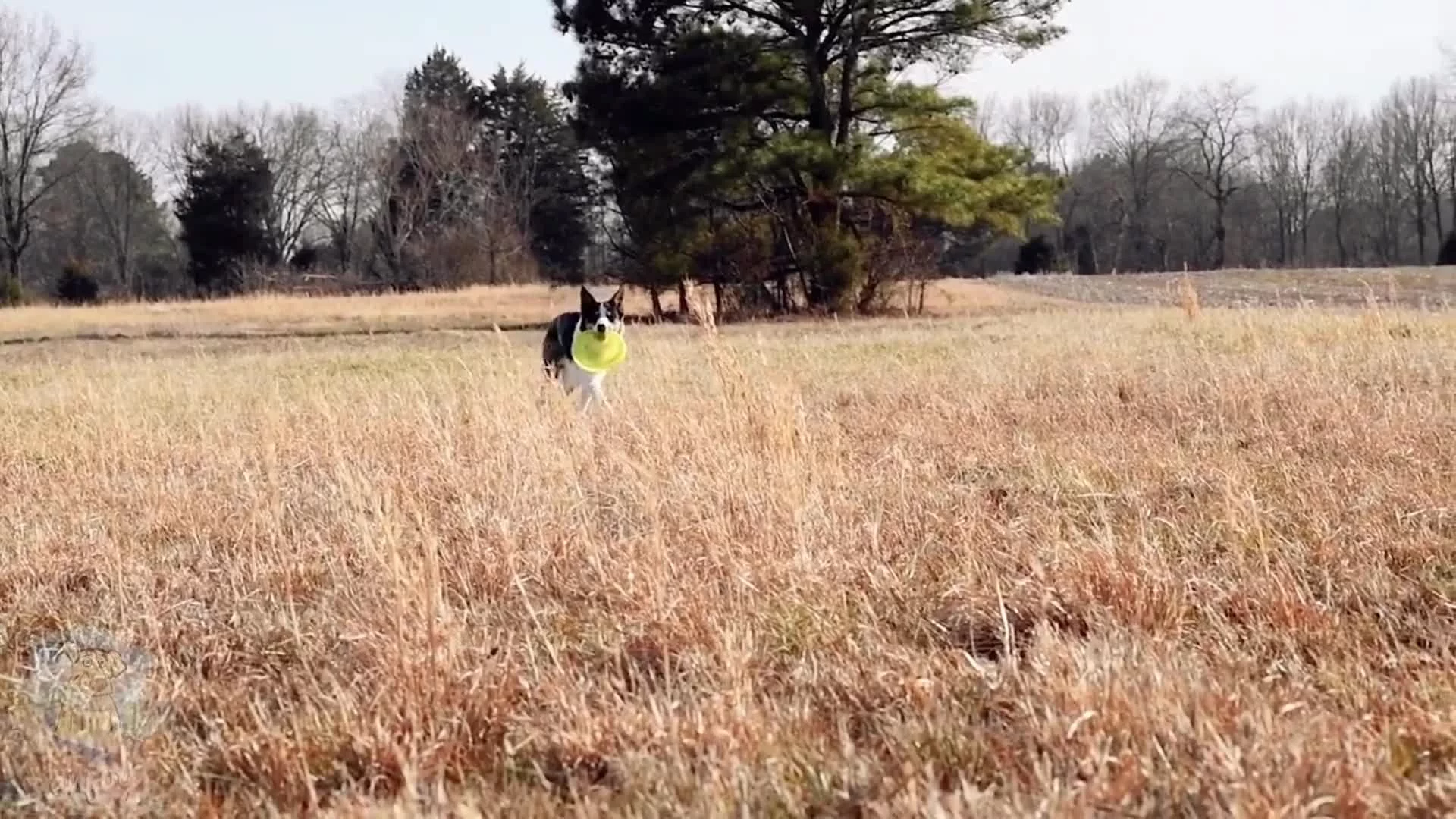
It is important to teach dogs, especially adolescents, to manage arousal by alternating between energetic play and calming activities like sniffing for treats, licking food off mats, or chewing treats.
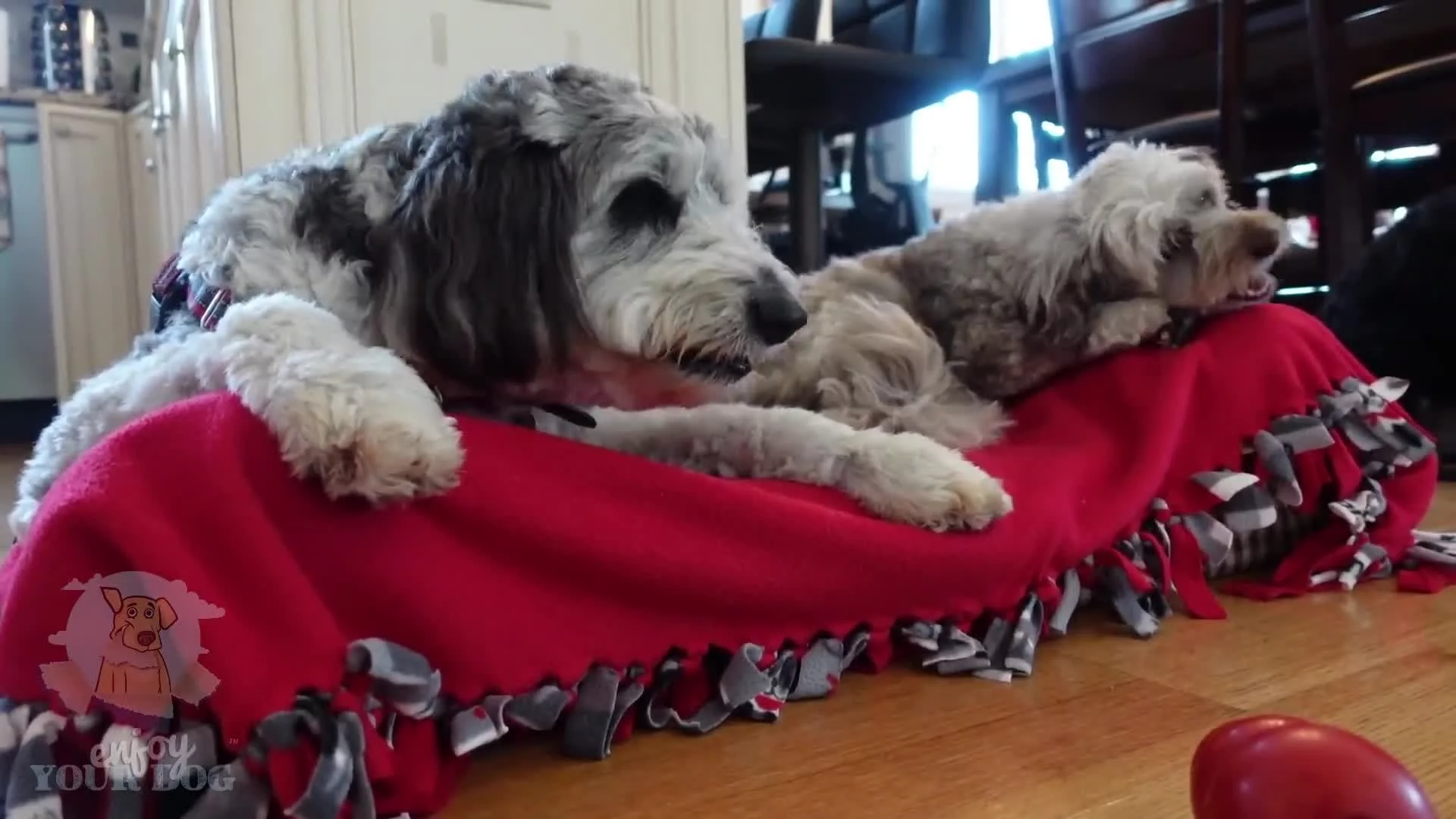
The importance of providing adolescent dogs with various chew items to support jaw muscle development and ensure the effective use of adult teeth.

Transition from using barriers and leashes to prevent unwanted behaviors like counter surfing, to teaching dogs to settle on a mat.