Training dogs in door manners involves waiting on a mat or rug for them to wait on, rewarding them, and employing a trailing leash or tether for management.
The method for teaching a dog to lie down involves luring the dog with a treat, marking and rewarding the behavior, and gradually introducing a hand signal and verbal cue.
Teaching a dog to lie down involves luring it with a treat, marking and rewarding the behavior, and gradually introducing a hand signal and verbal cue.
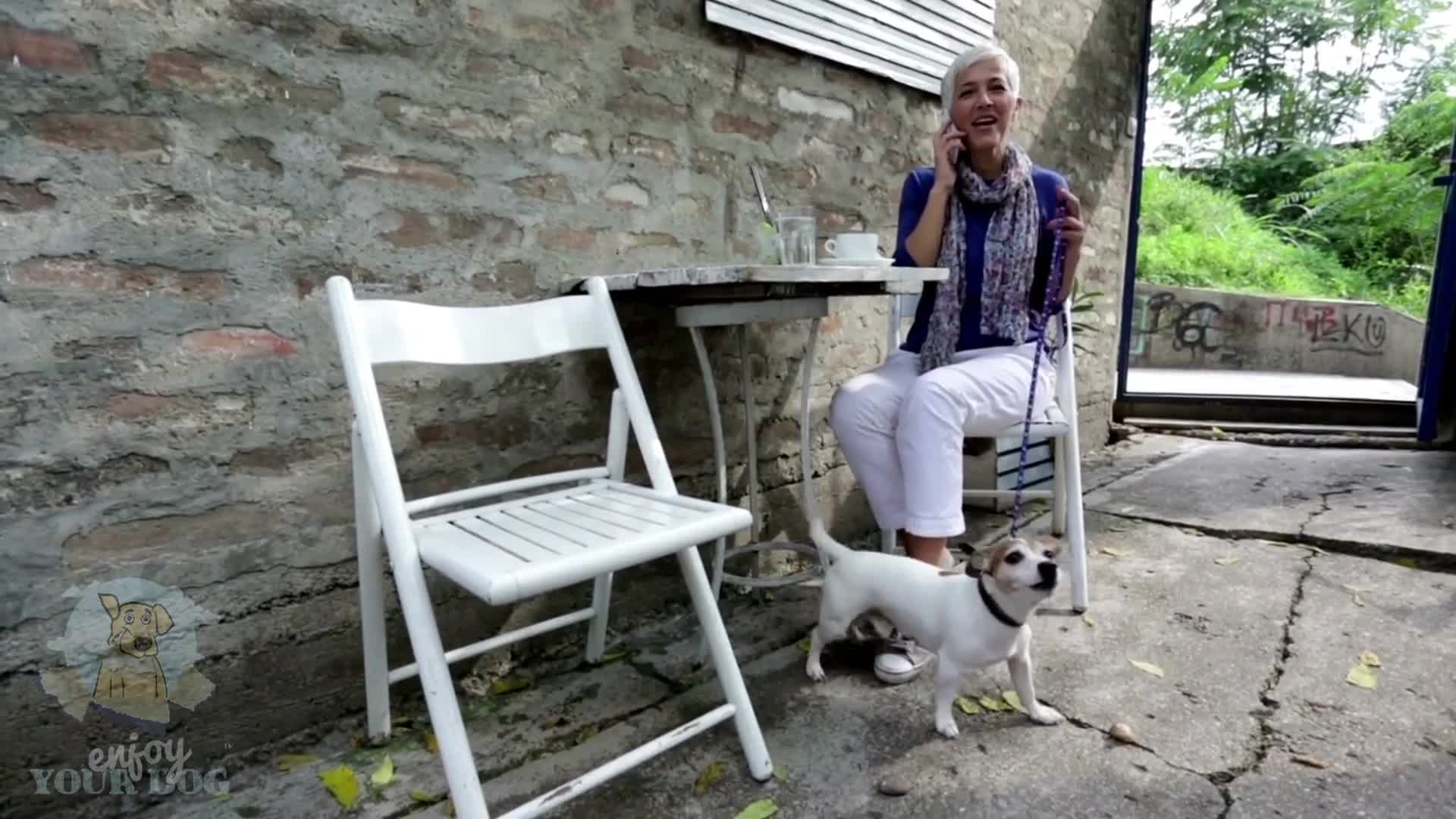
Teaching dogs to settle involves using a mat, treats, and rewards to train them to relax at home before facing new environments.
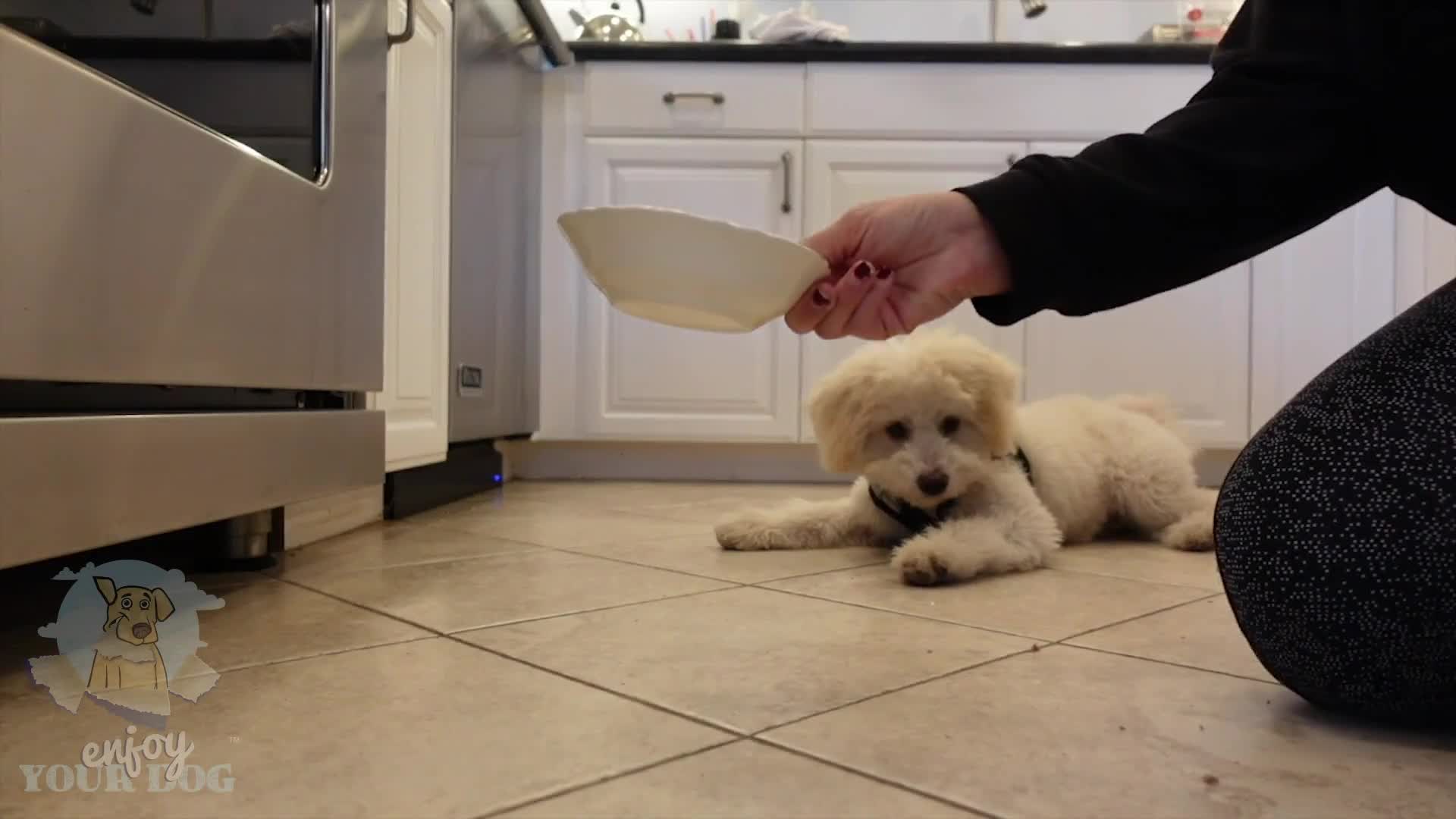
Signaling task completion through commands like sit or down, followed by the cue 'free' and a treat toss.
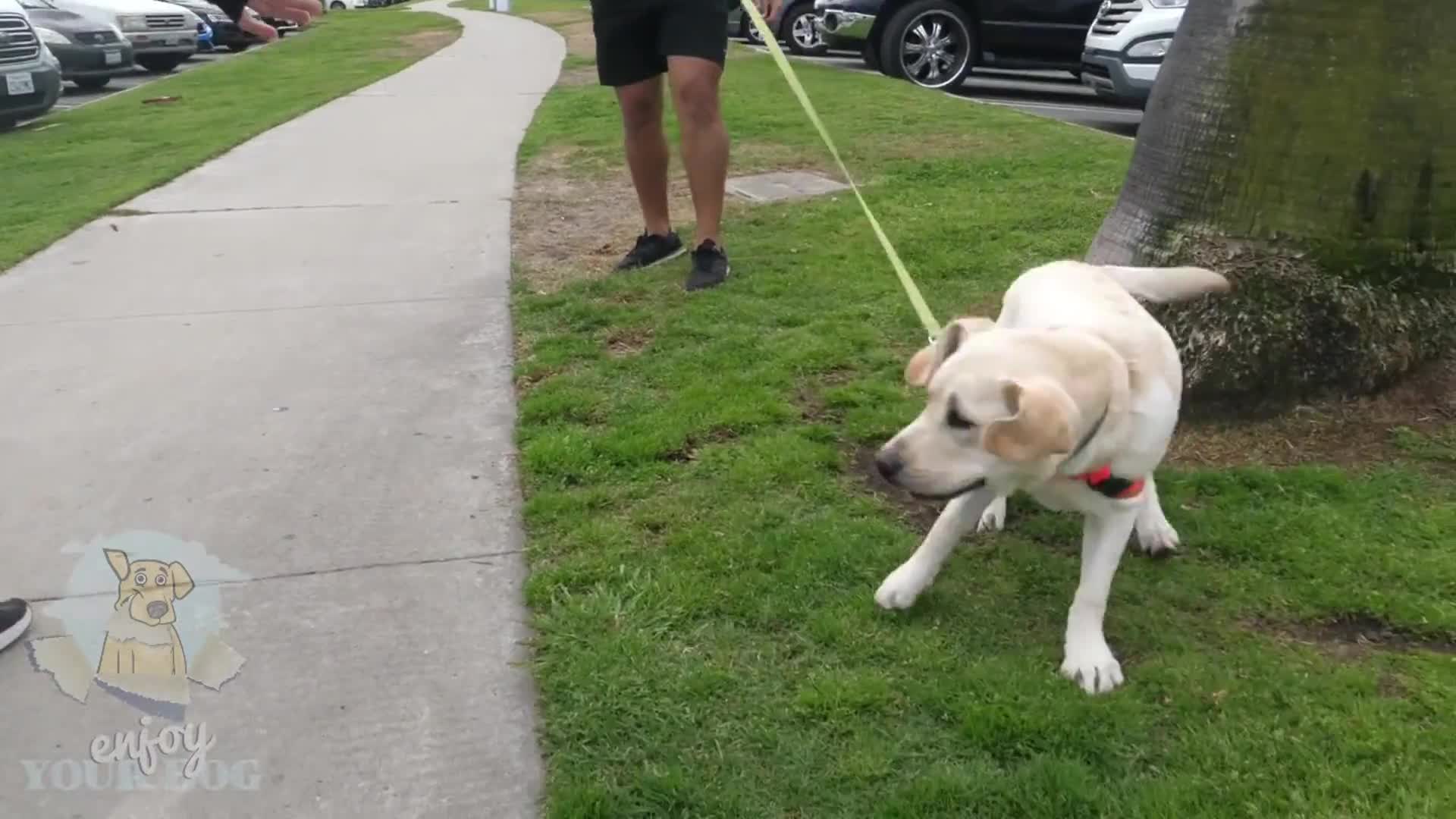
Keeping dogs calm around people, especially during adolescence, by preventing them from jumping up.
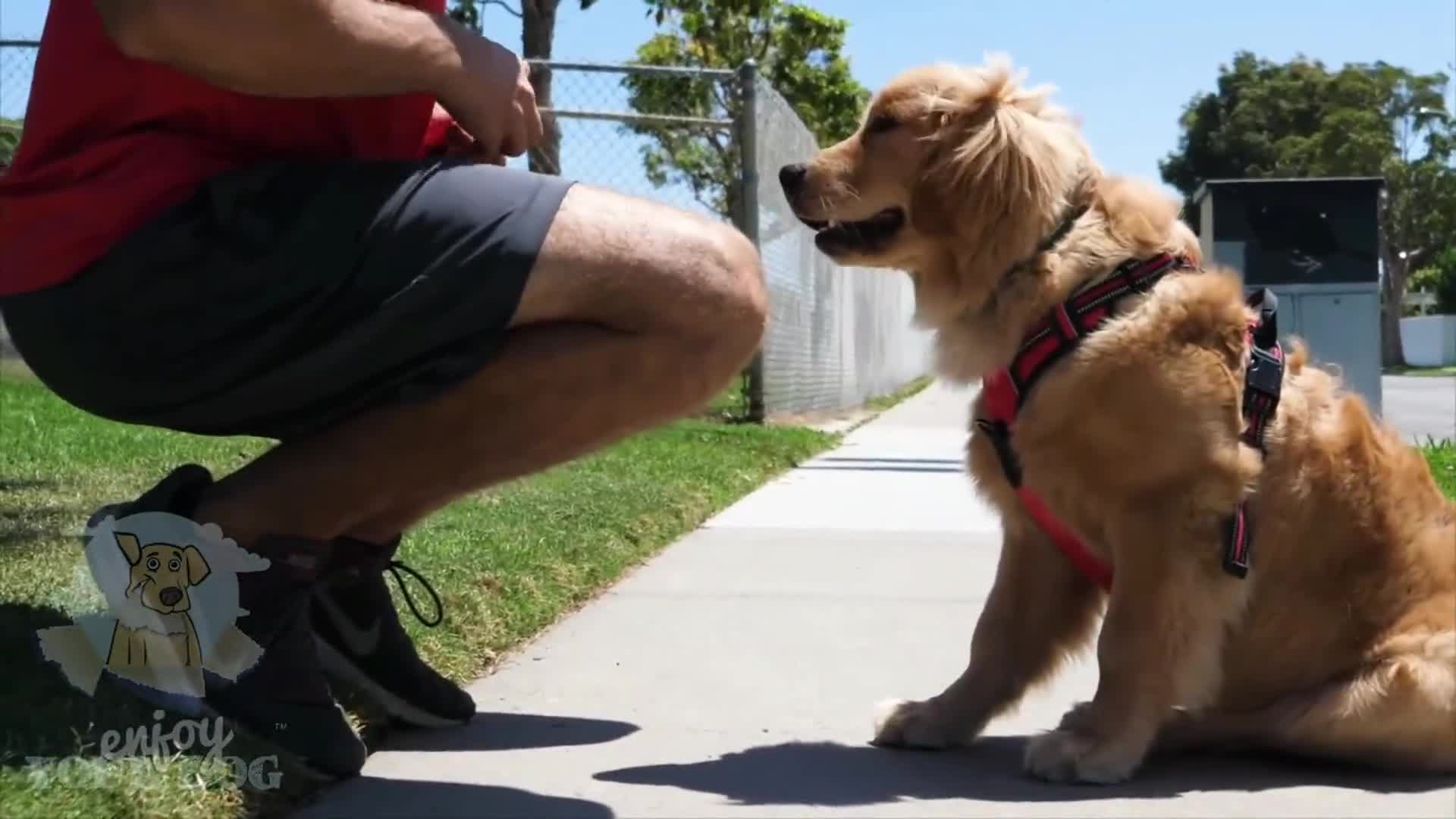
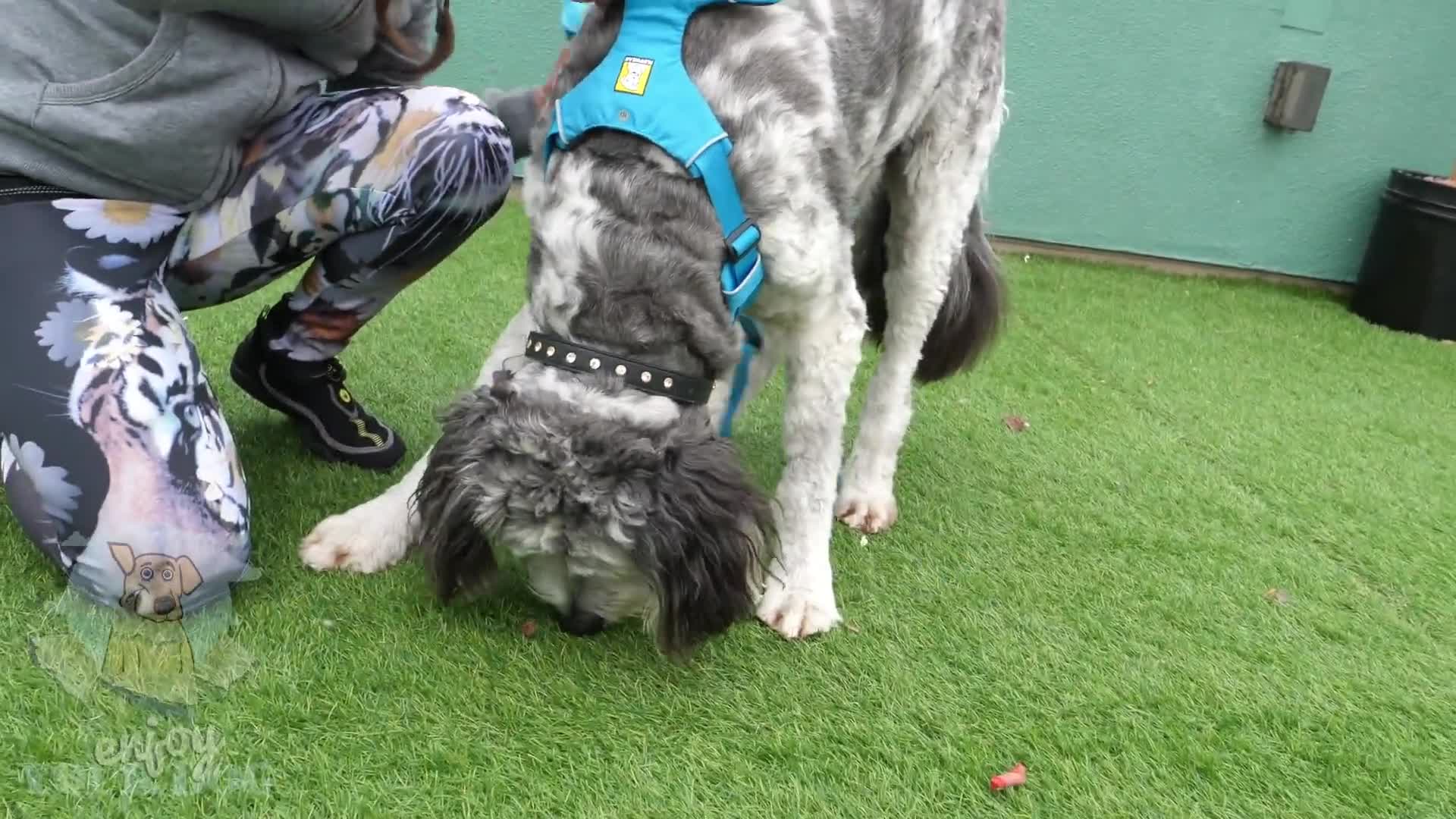
A training method to boost a dog's focus and self-control via a 'leave it' game, emphasizing the 'mark and reward' system to encourage dogs to ignore food on the floor.
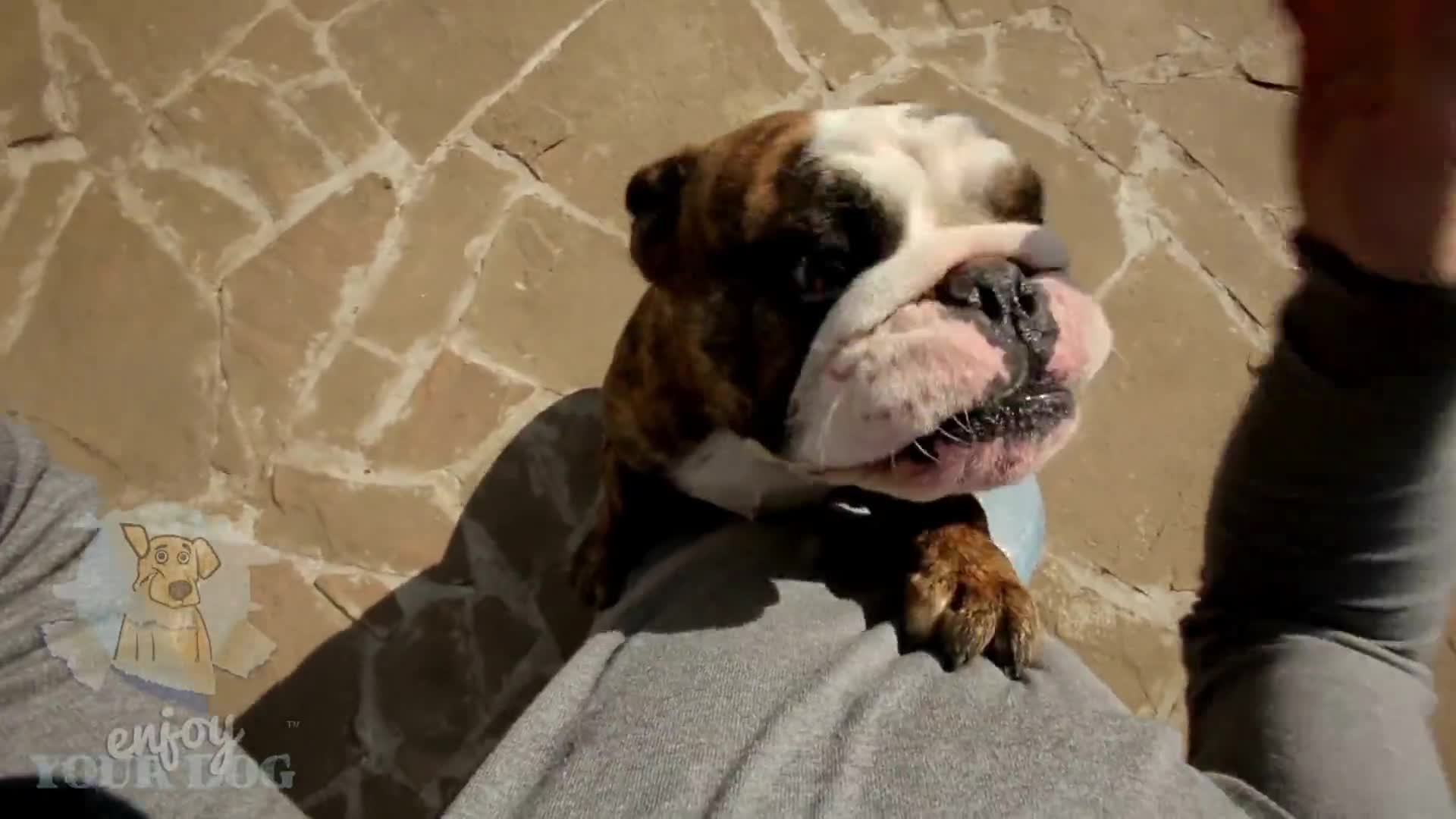
To prevent dogs from jumping up, install a barrier, use attention treats, and reward calm behaviors like sitting.
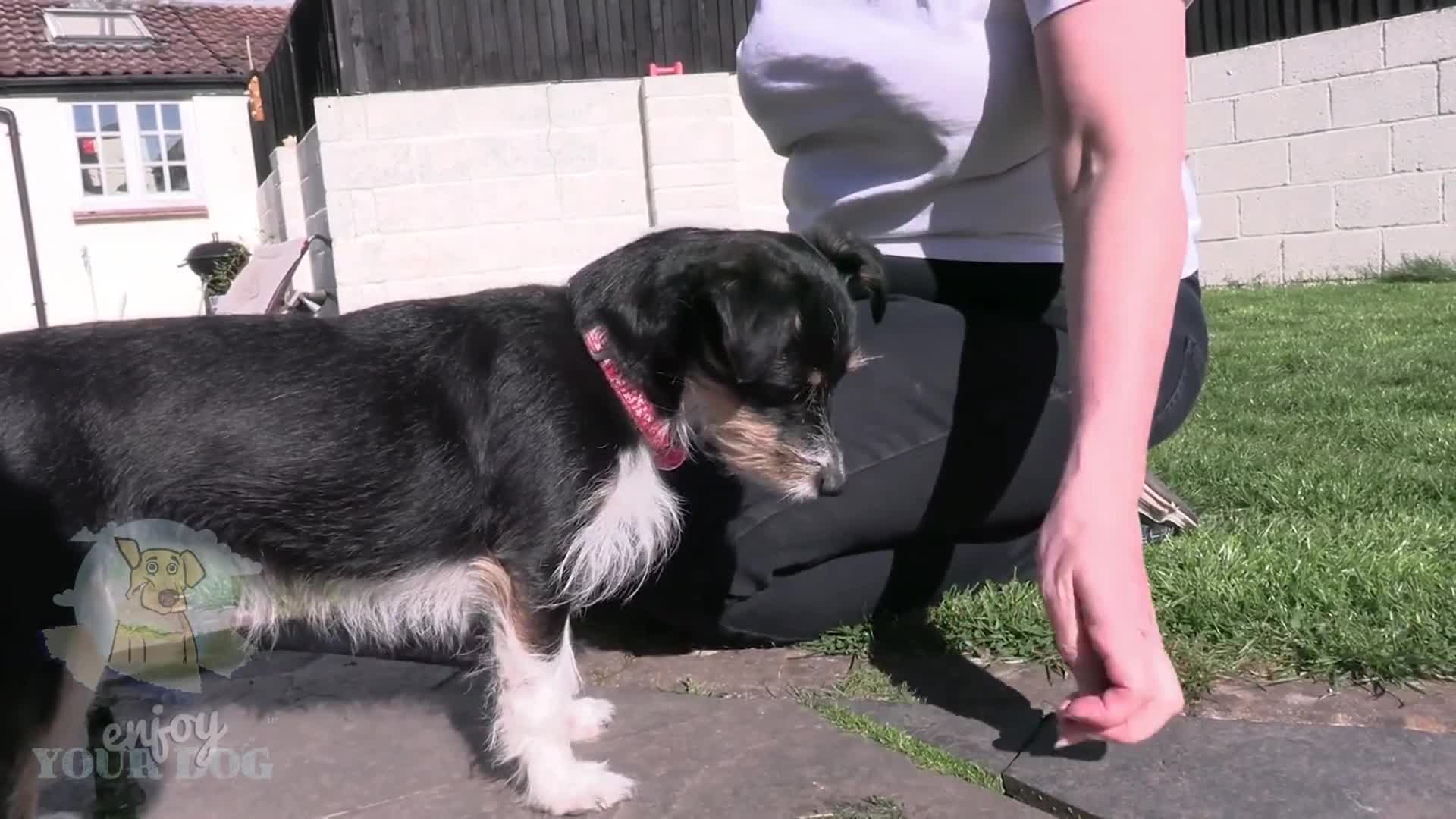
A training strategy for the 'leave it' command incorporates kibble, a superior treat, verbal cues, a mark-and-reward system, and techniques like resetting hands and covering the food to enhance a dog's self-control.
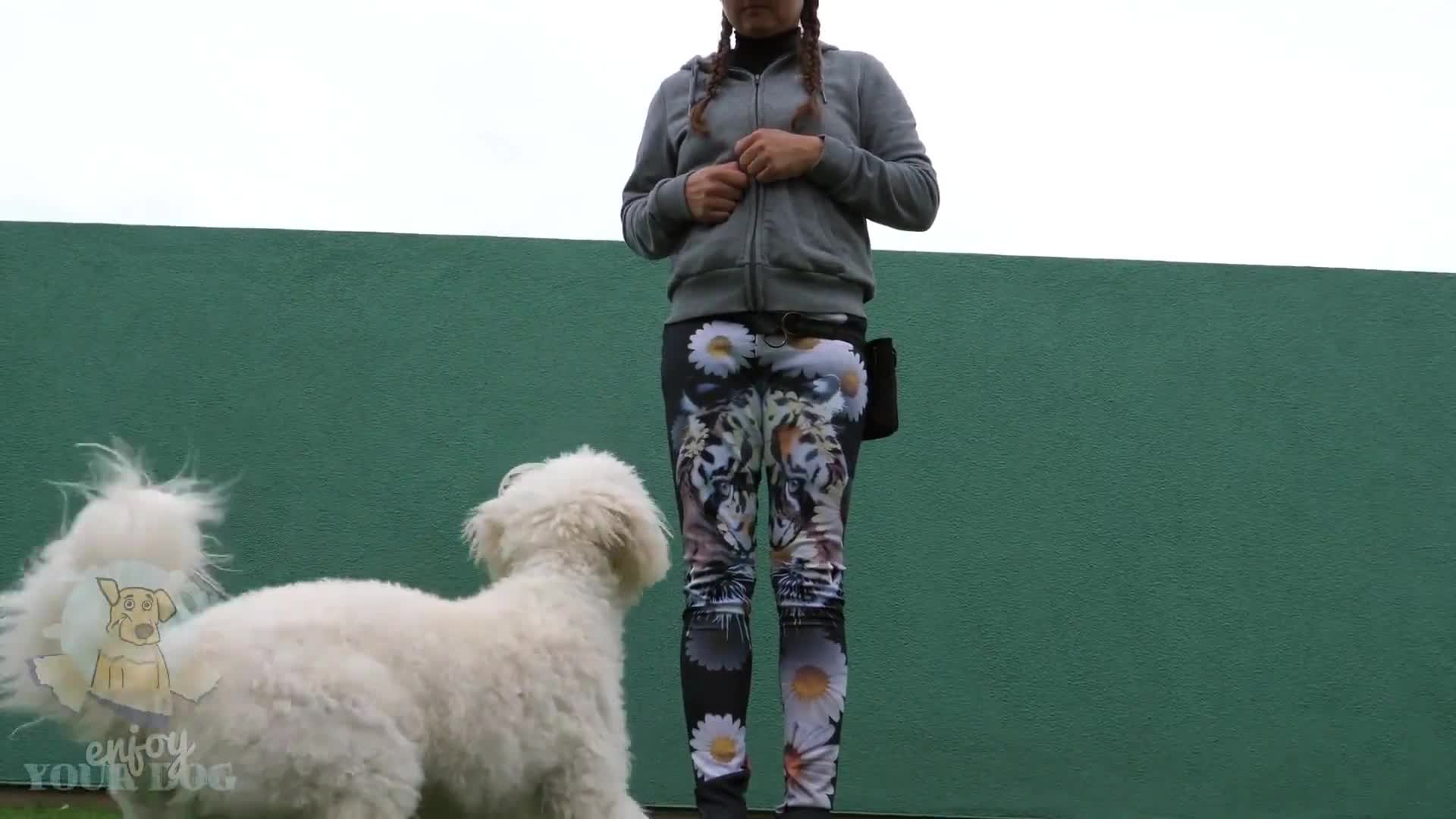
The importance of maintaining consistent hand positions during dog training to minimize distractions and enhance communication.
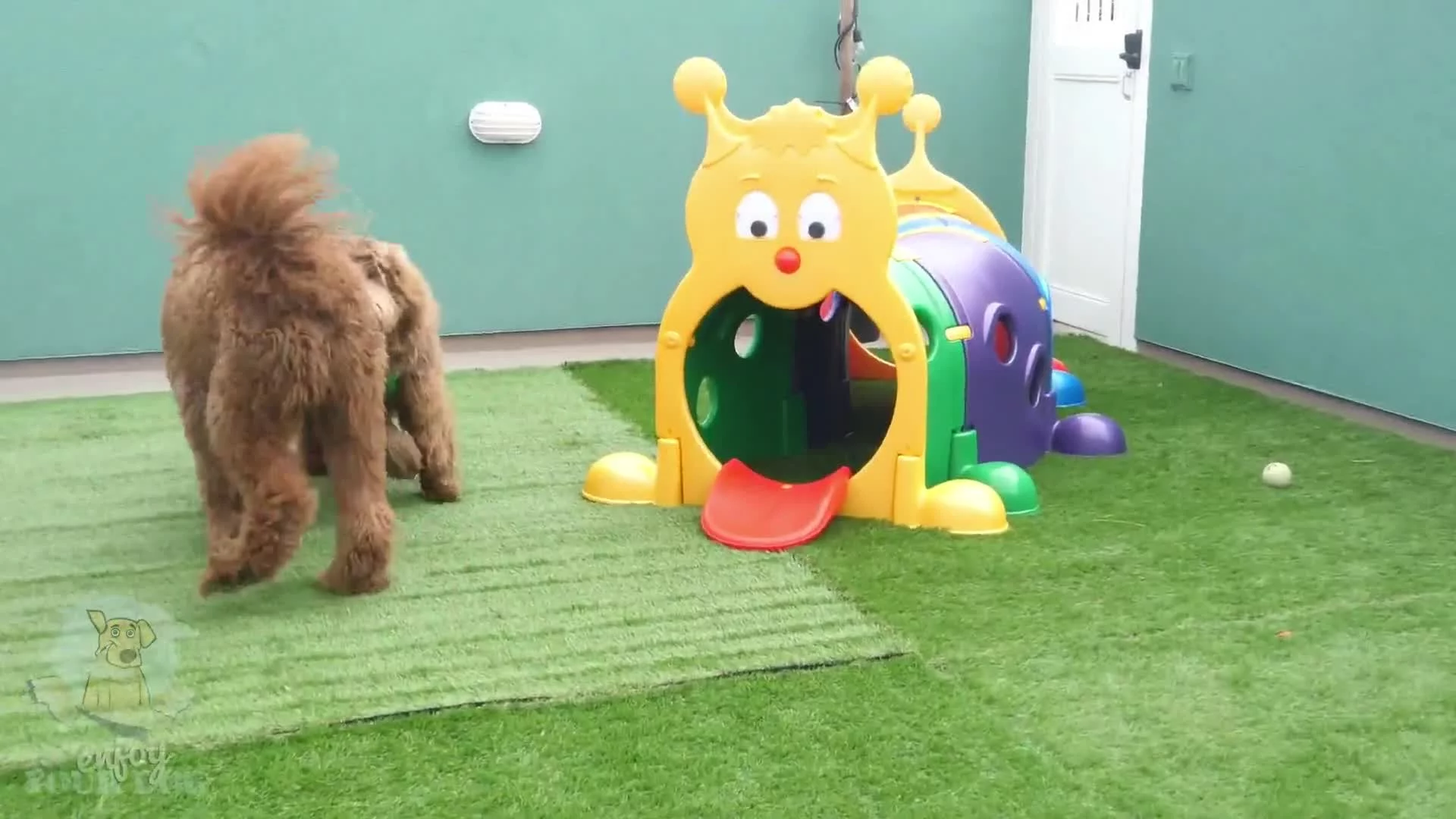
To prevent physical injury and negative social experiences among adolescent dogs, we recommend using a treat magnet.
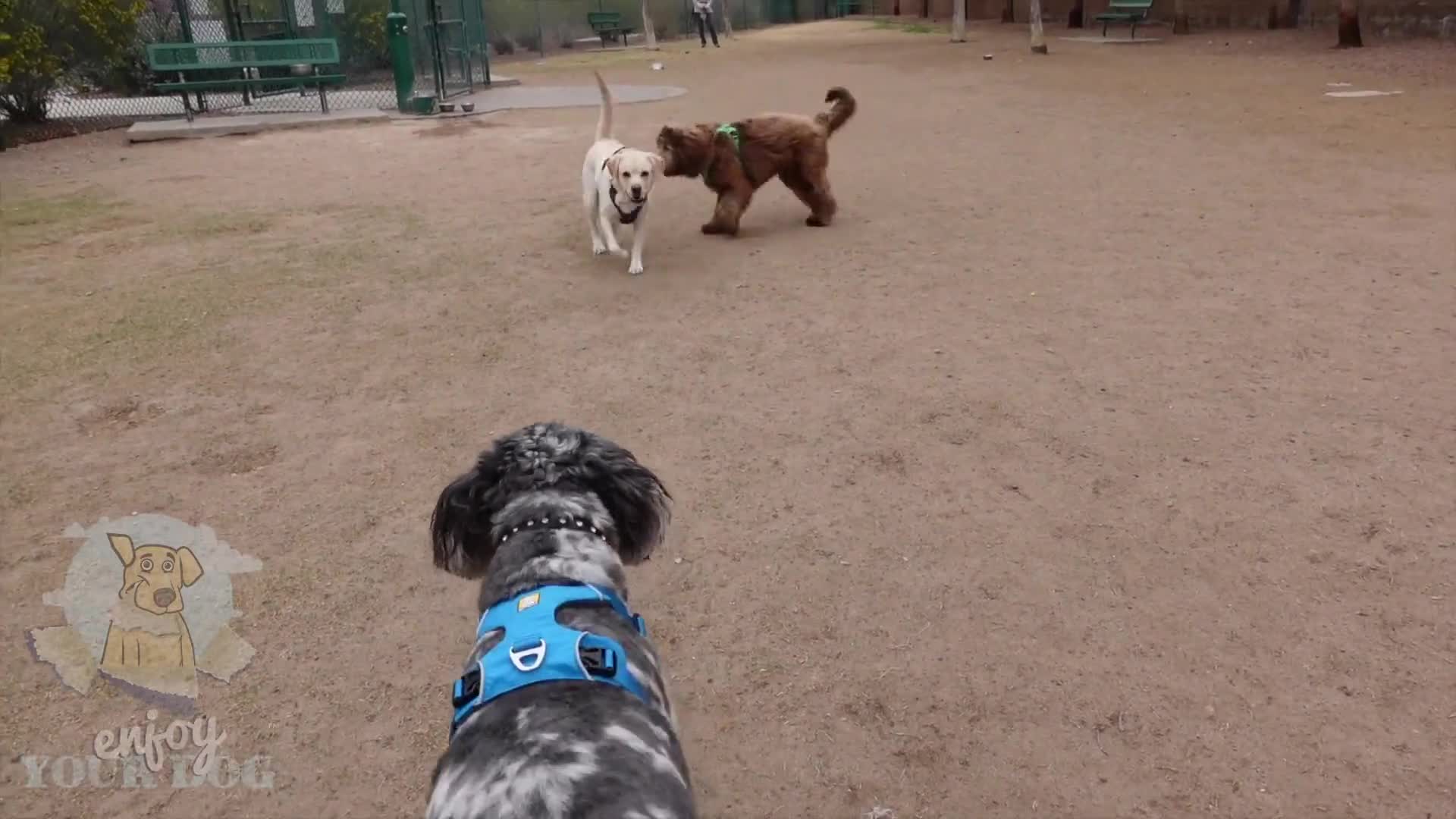
details the nuances of ensuring adolescent dogs engage in appropriate play tailored to their size, play style, energy level, breed, social history, and character. It
Addressing adolescent dogs' development, choosing suitable playmates, and overseeing interactions to avert inappropriate play and altercations.
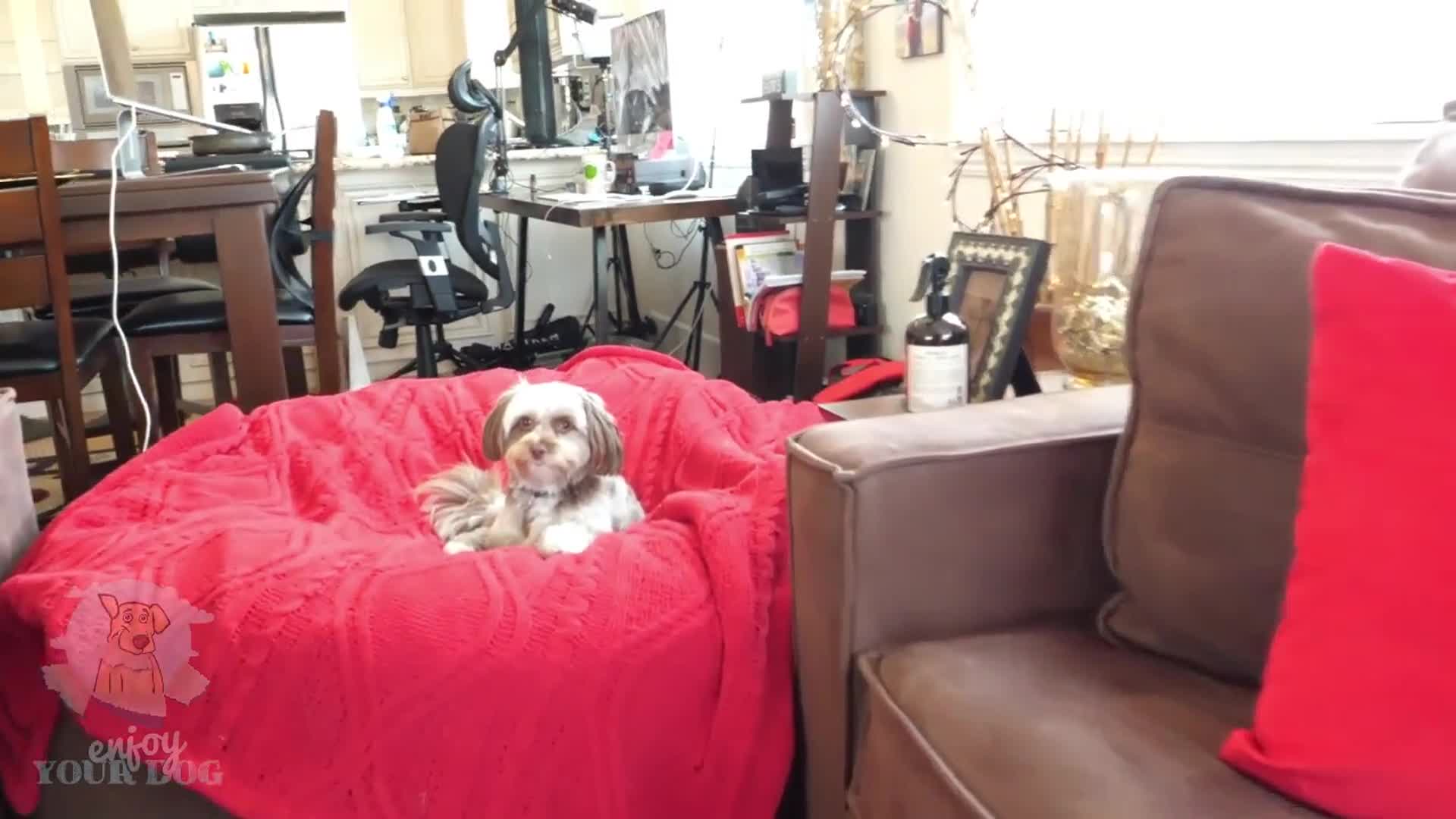
Training a dog to settle in their bed on cue involves building value in the bed through treats and using a safe space like a crate or pen.