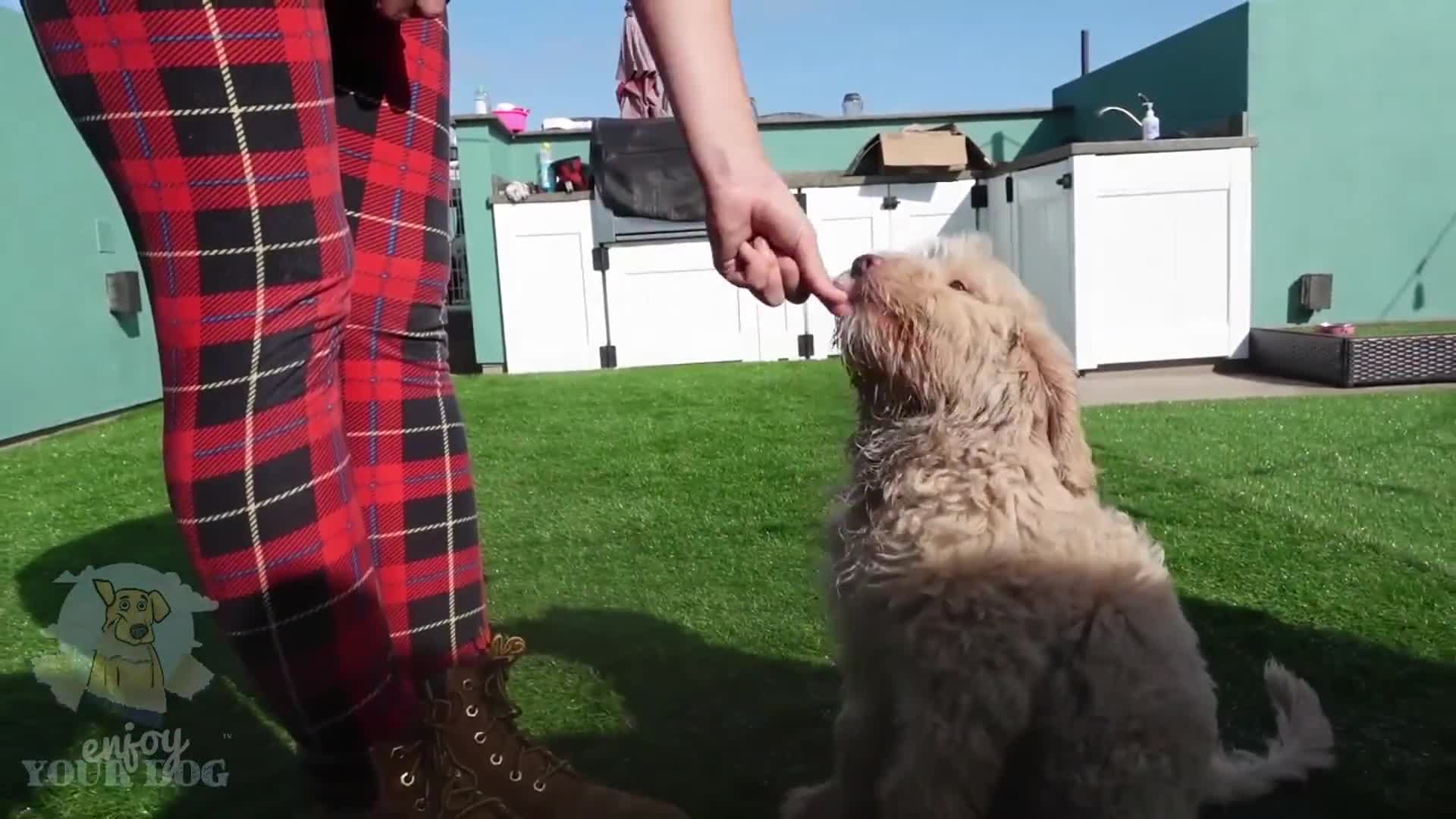
Reward placement is crucial in dog training, affecting behavior like calmness on a bed or energizing for repetition.
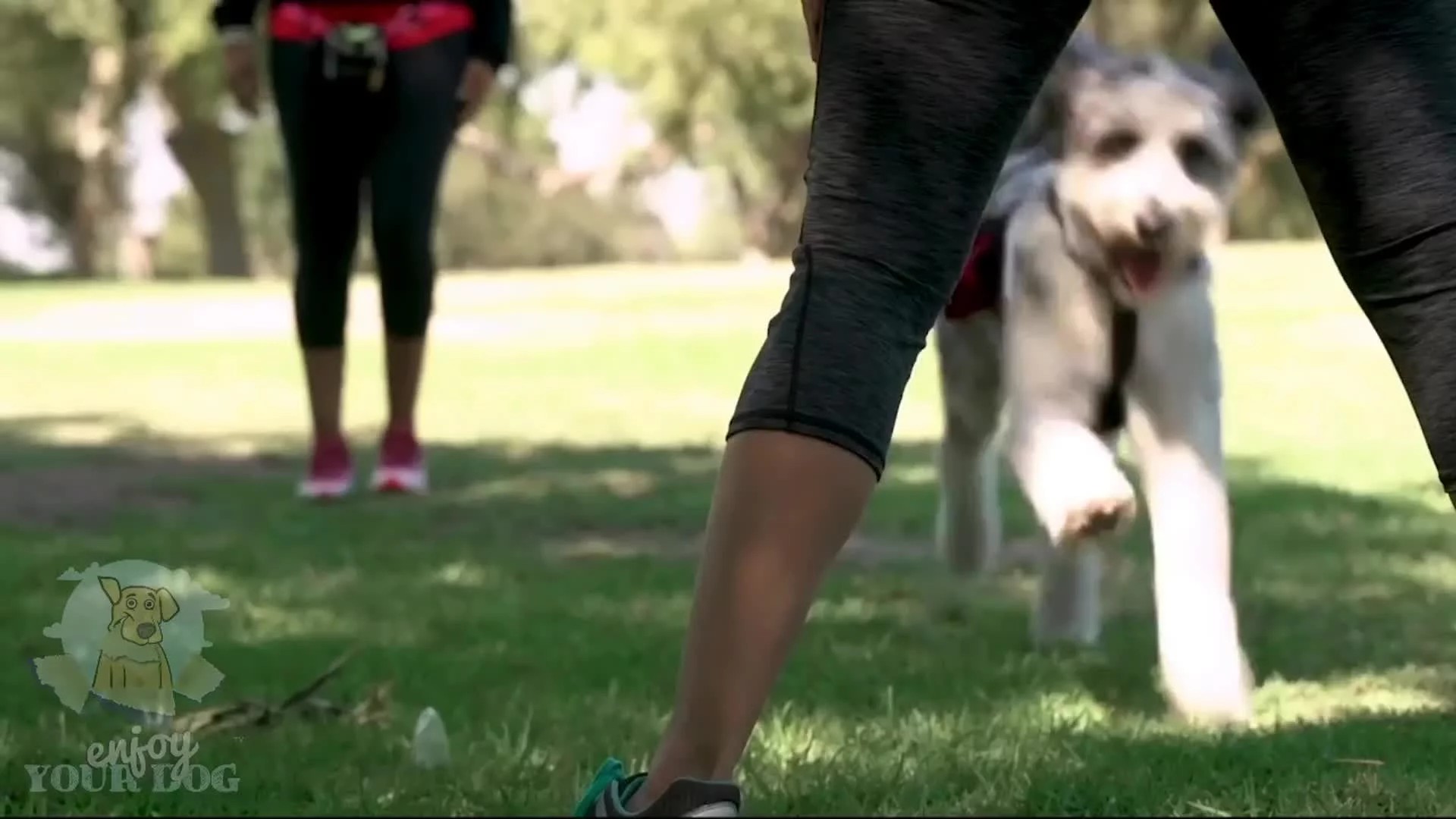
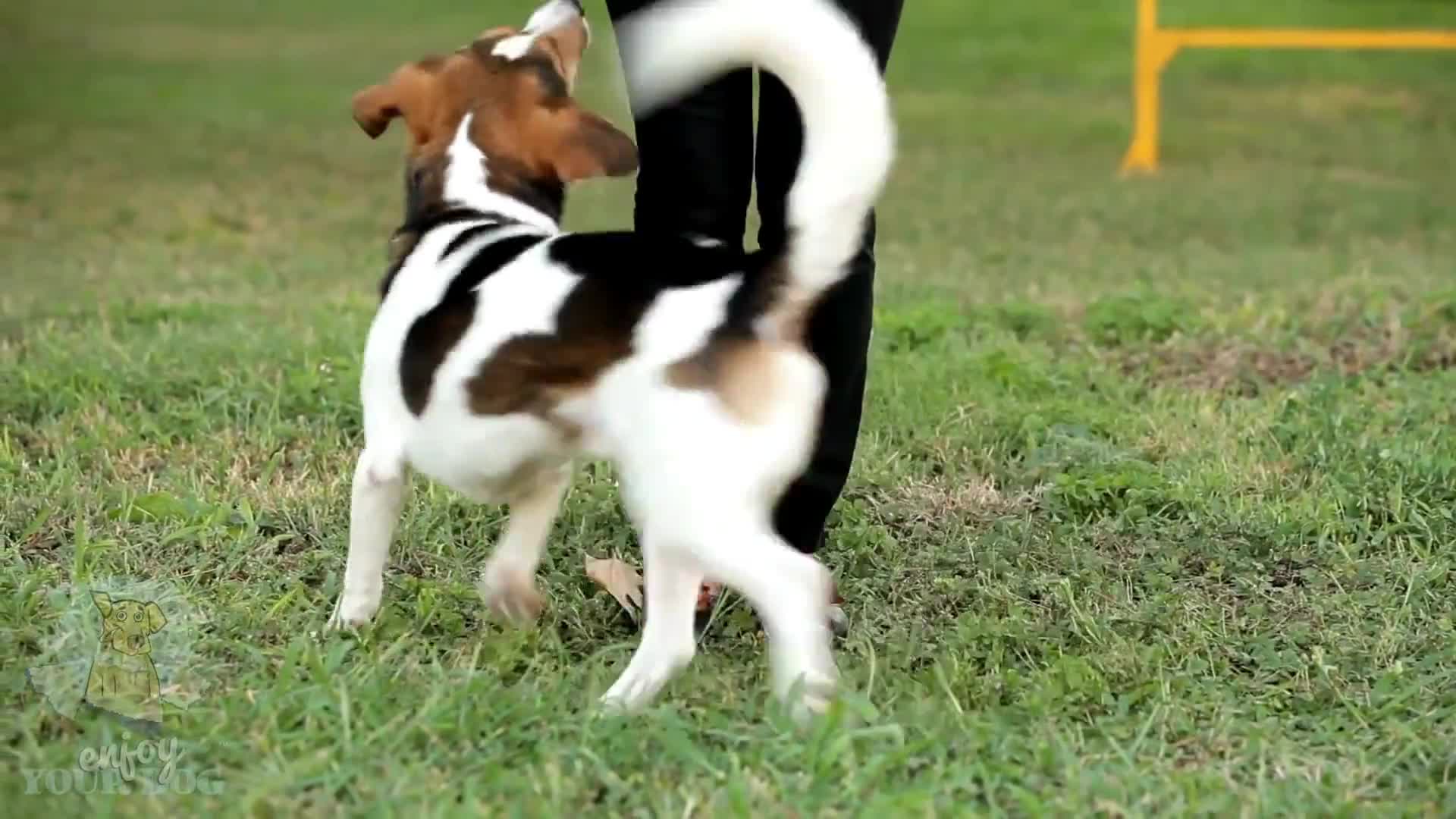
Details training a dog to 'tunnel' by running between legs using treats for motivation and as a recall alternative.
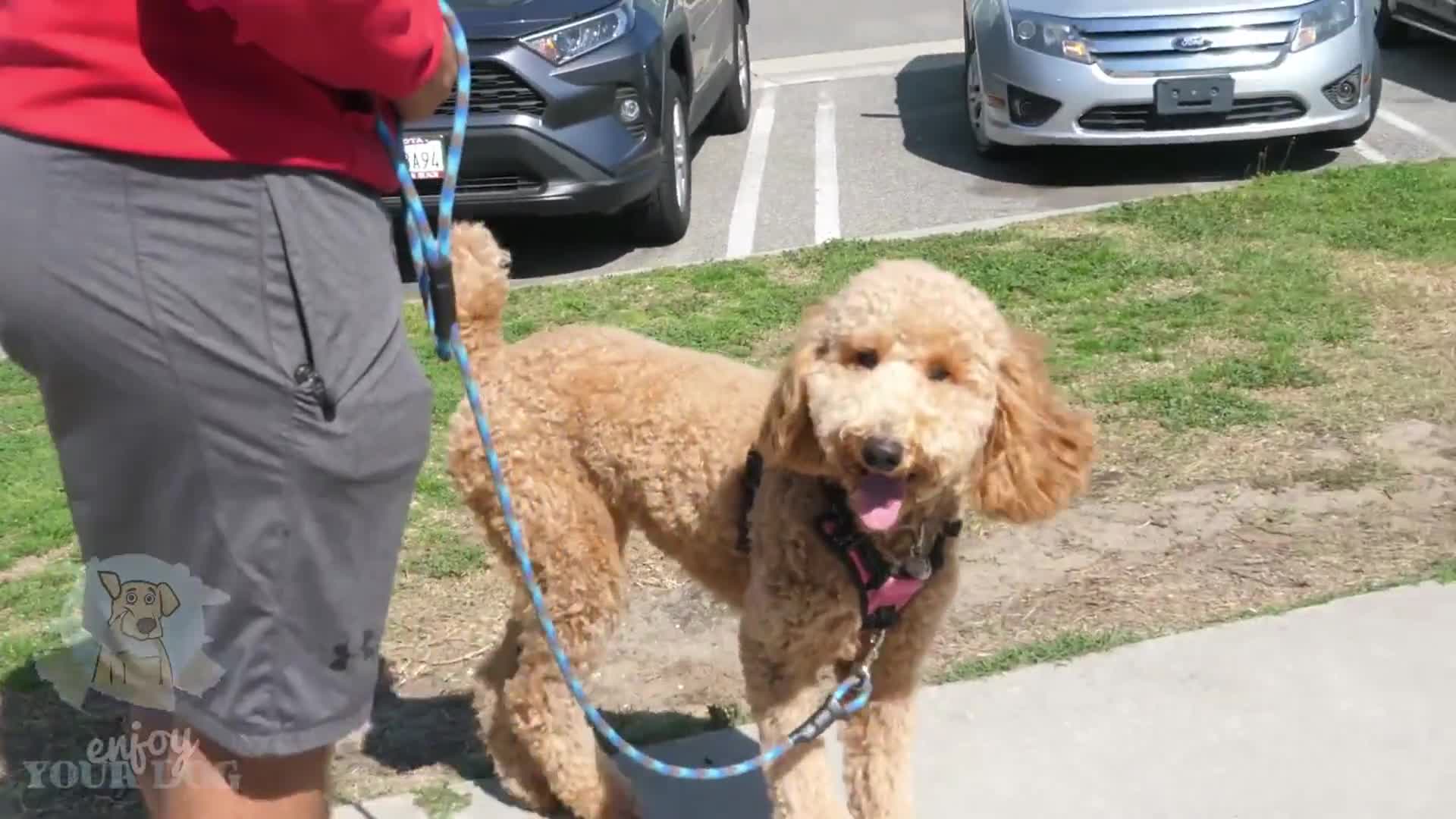
Training dogs to auto-stop on walks is crucial for navigating busy areas and safely crossing roads.
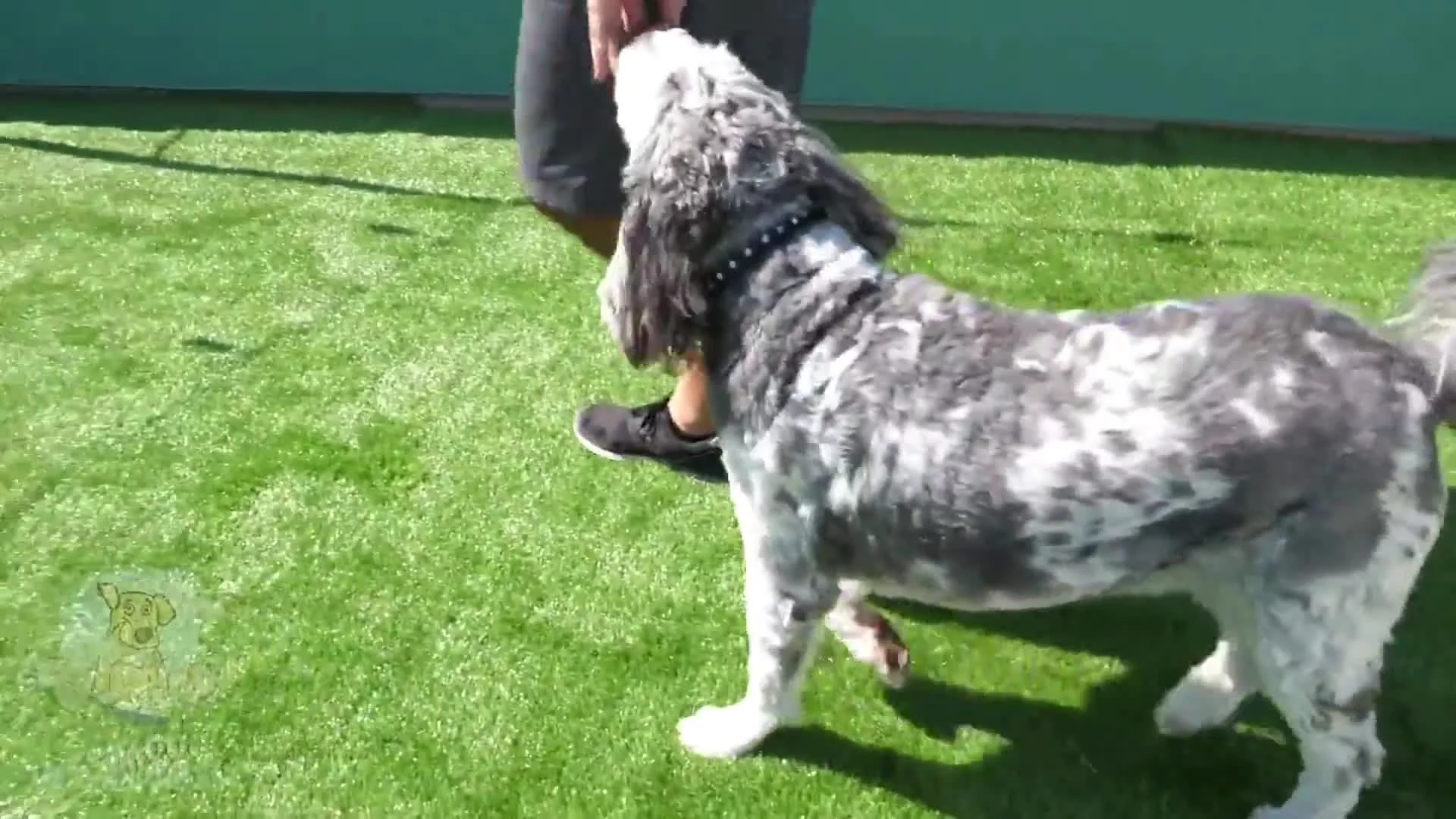
Teaching a dog the desired walking position involves using treats to reward the dog by your side, practicing moving away, and rewarding them for staying close without a leash.
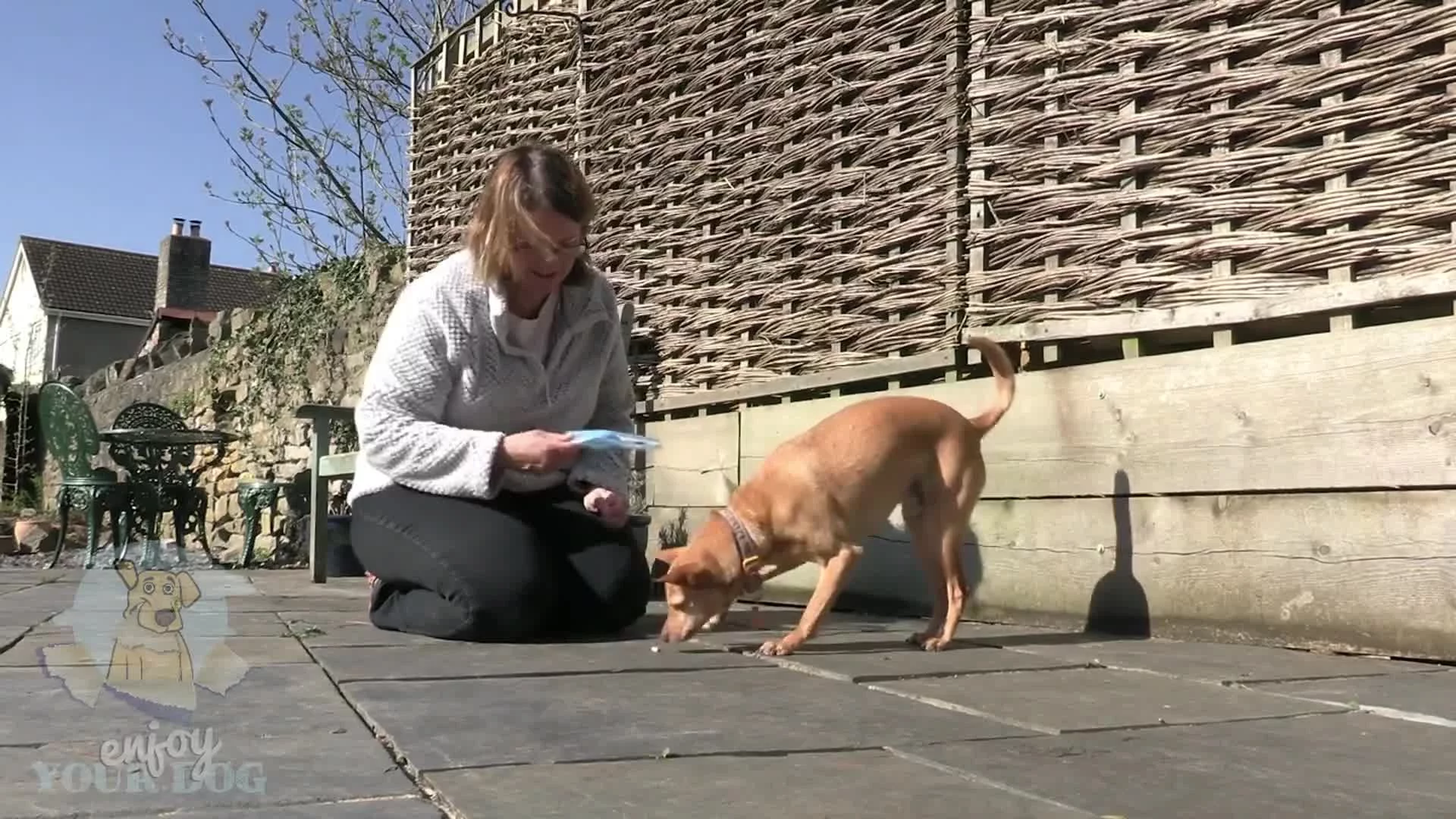
Training a dog to paw at a transparent lid for treats is a stepping stone to advanced tricks.
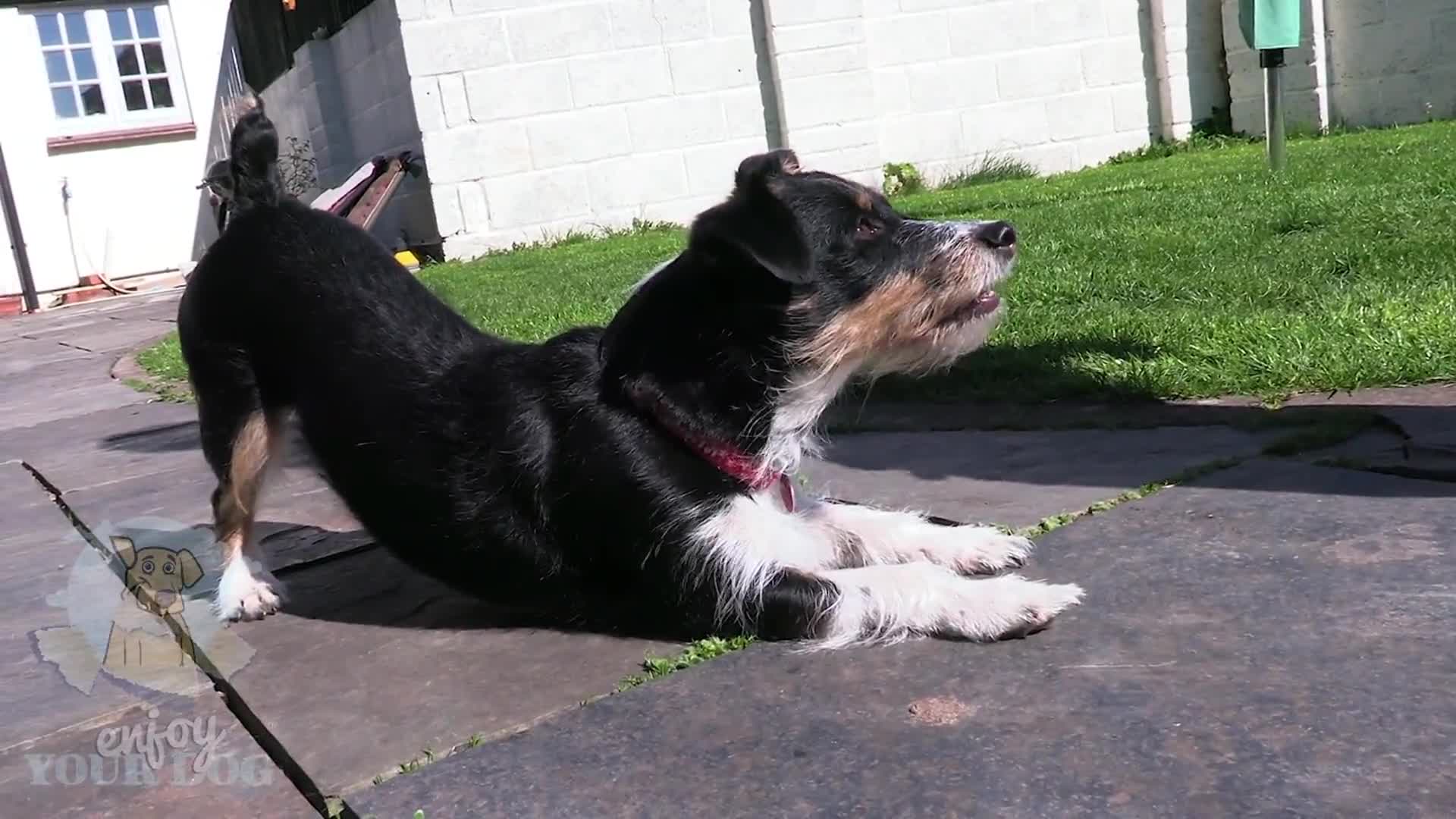
Teaching a dog to bow on a nonslip surface to enhance flexibility and core strength, starting from a stand and using treats from a pouch.
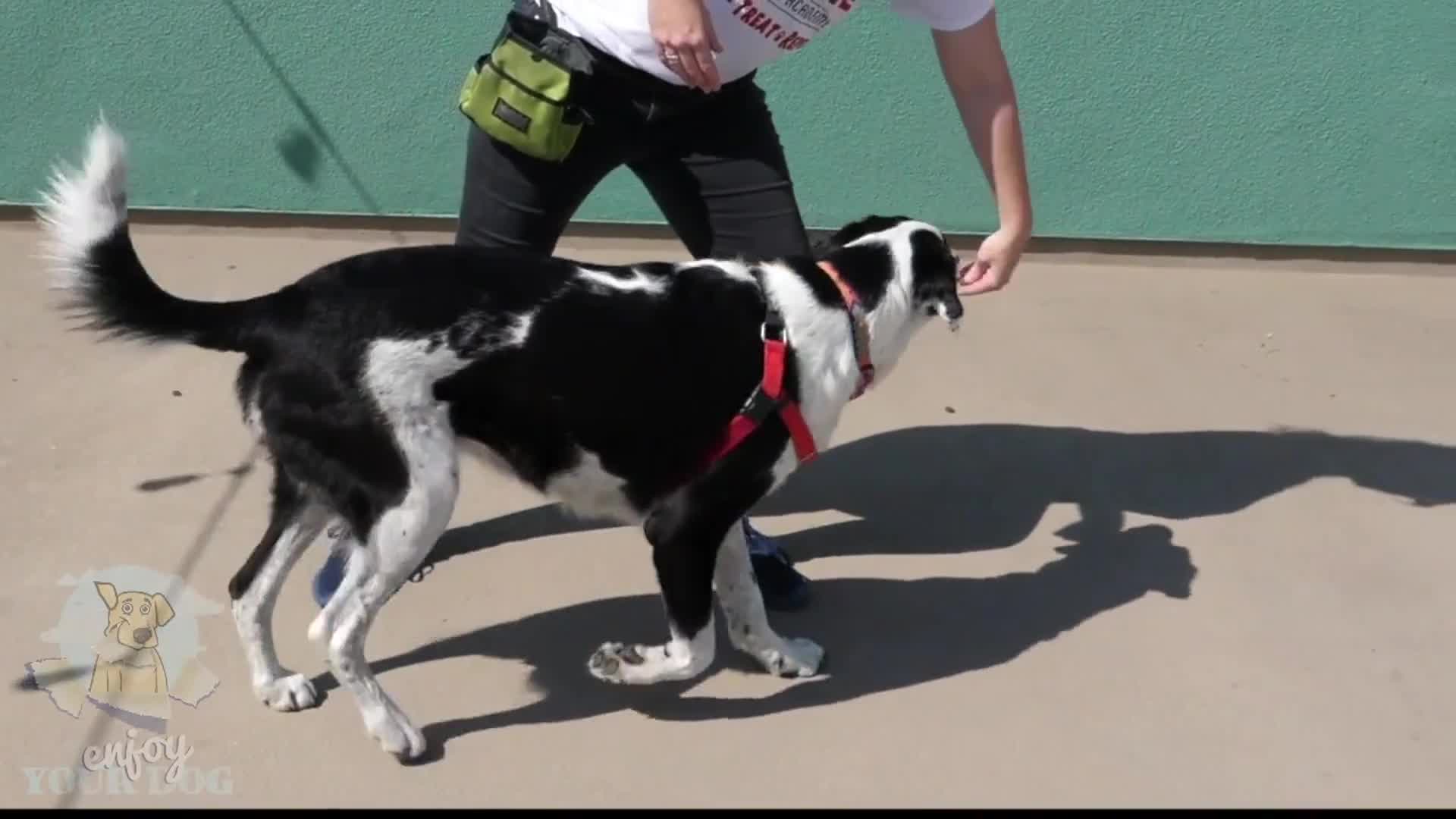
Enhancing a dog's flexibility and muscle strength through spinning, targeting, or luring with a food lure, hand target, or target stick.
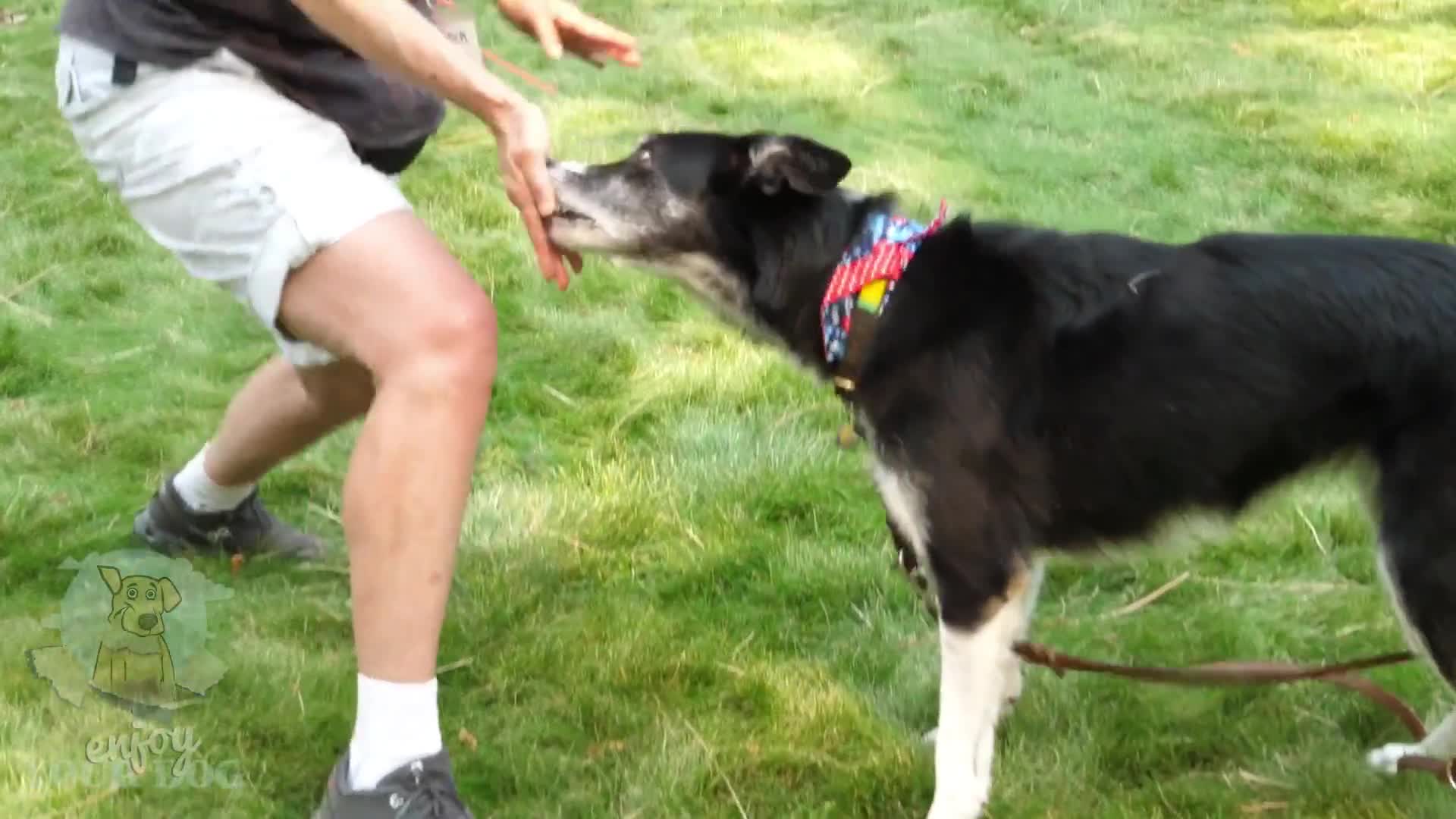
Nose targeting training helps to maintain focus and teach advanced commands.
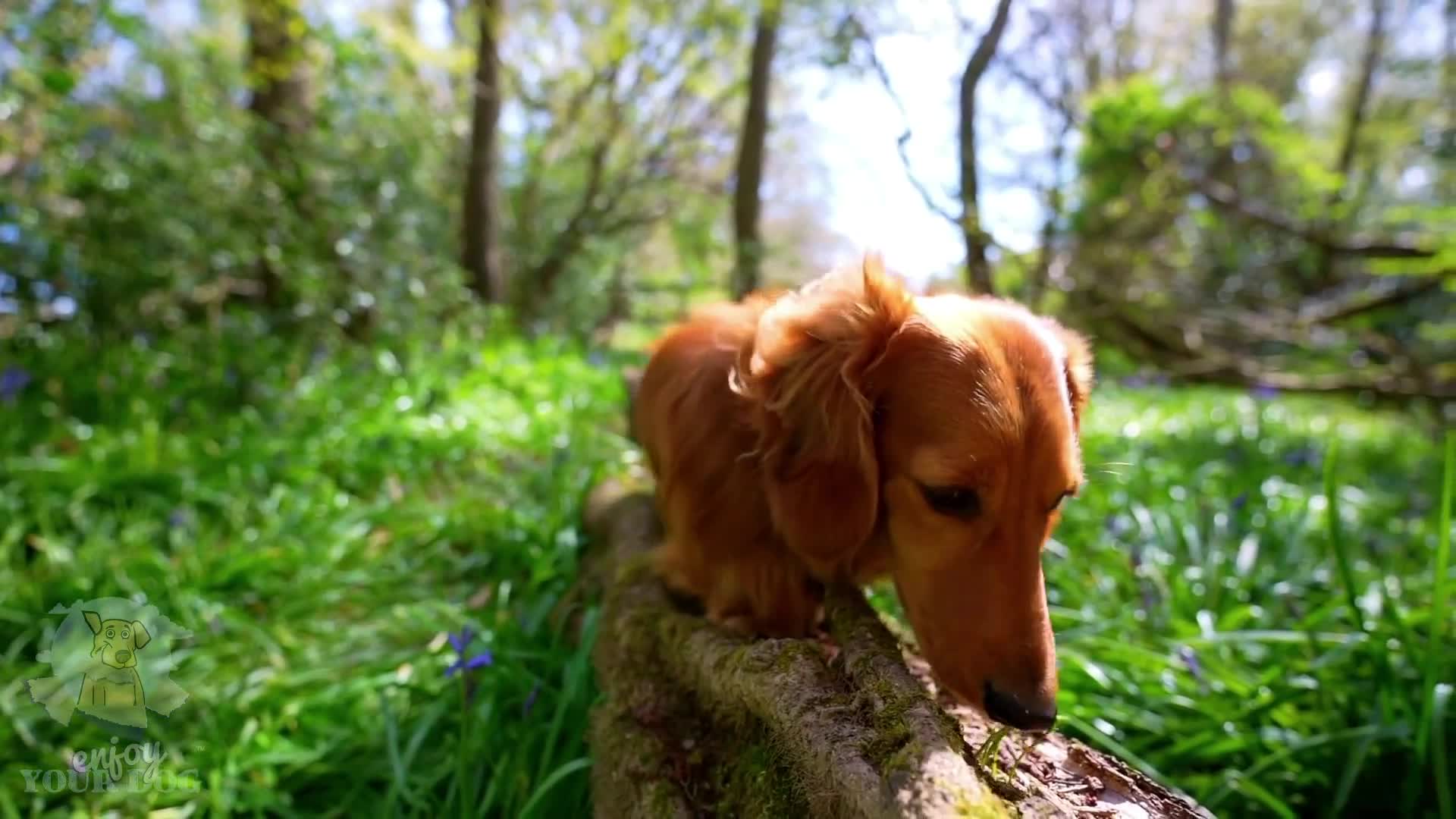
Teaching adolescent dogs who struggle with body awareness to walk backward enhances their controlled movement.
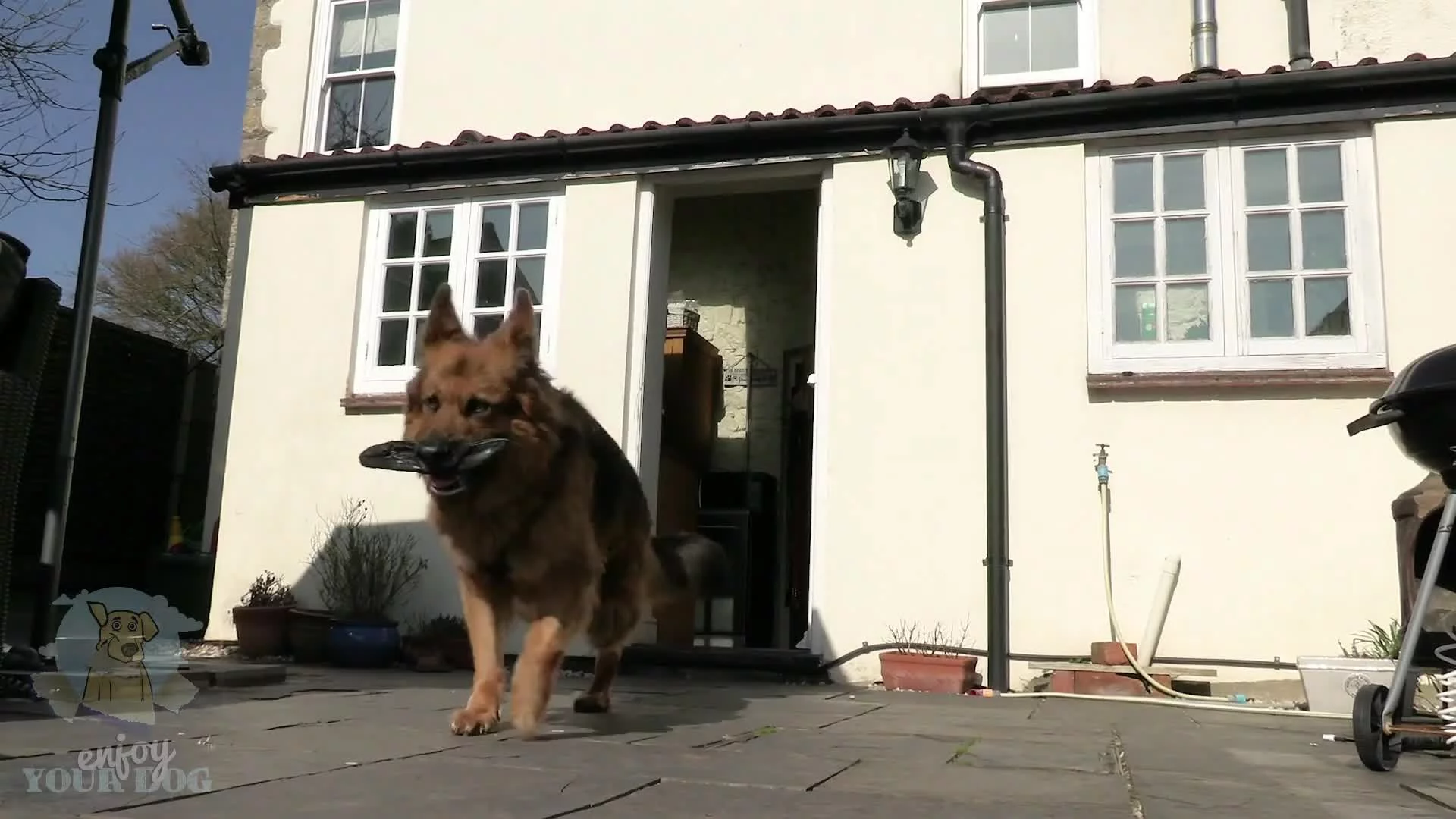
A tug game and a second toy to teach dogs to drop items on cue.
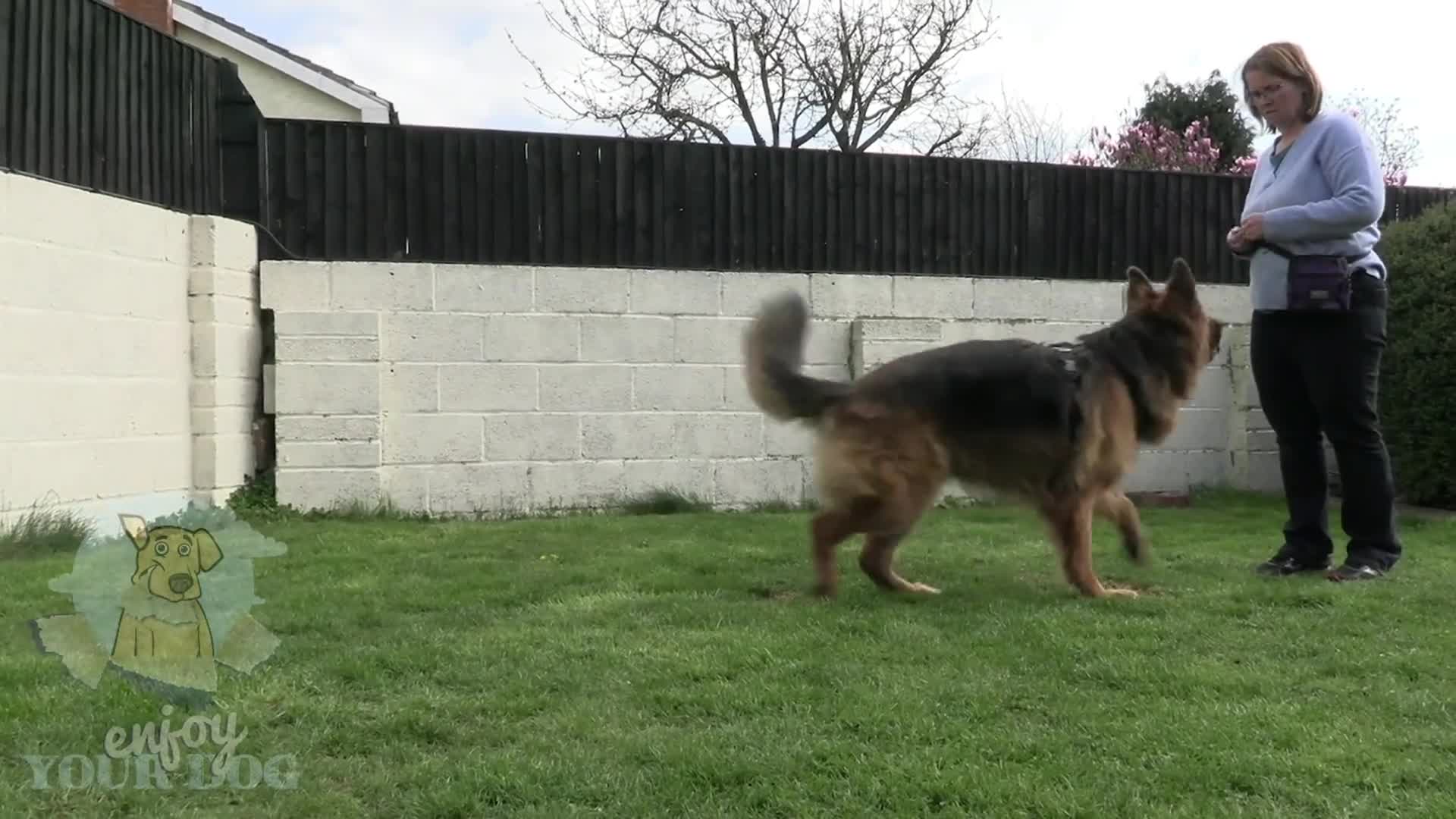
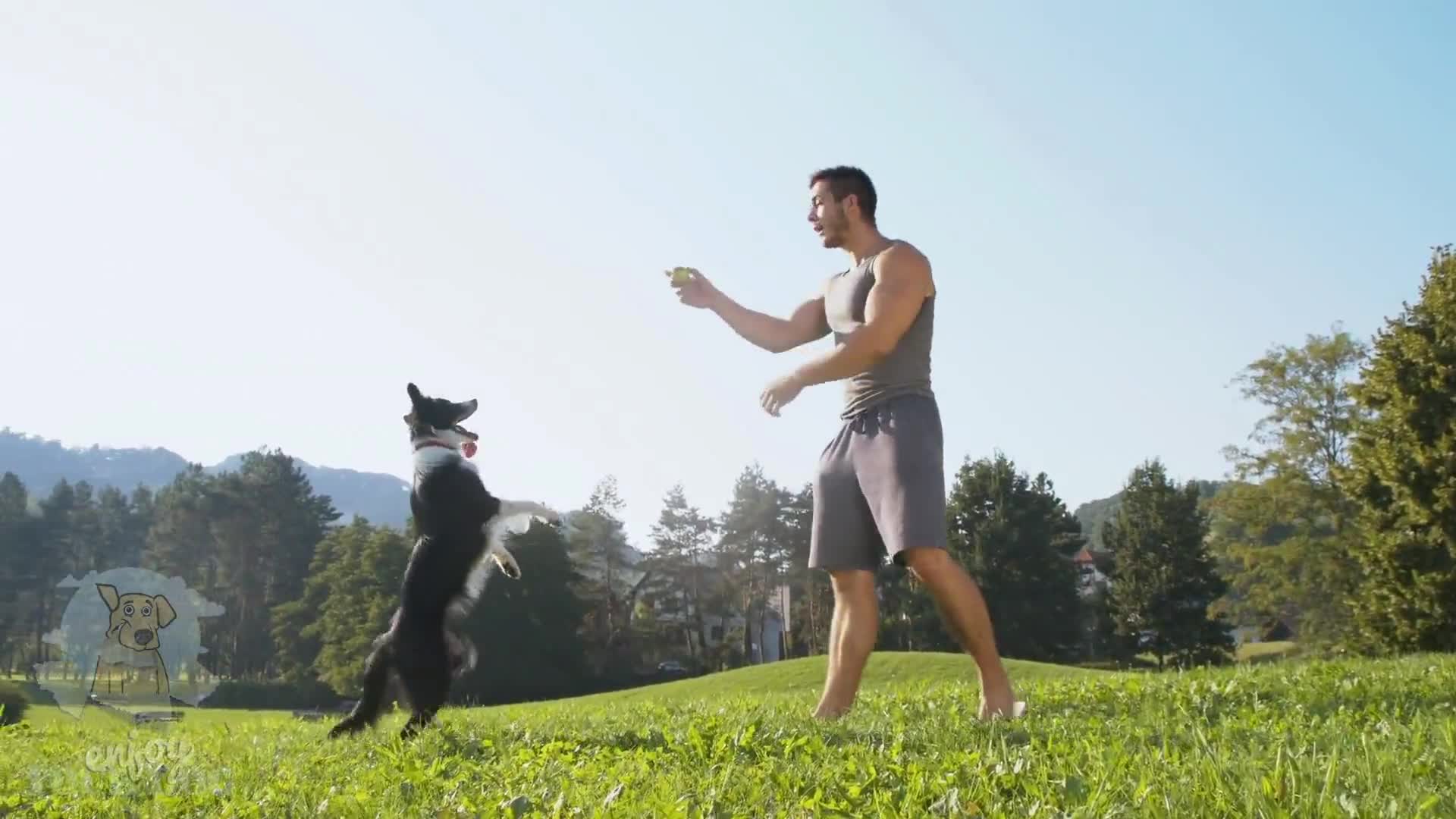
A fun trick and a method to keep their attention, it involves steps from rewarding direct mouth feeds to throwing treats for catches, emphasizing strategic reward placement, and celebrating attempts with a bonus treat.
Shaping trains dogs by rewarding steps towards desired behaviors, using objects like cones, and emphasizing natural variation, strategic reward placement, and patience.
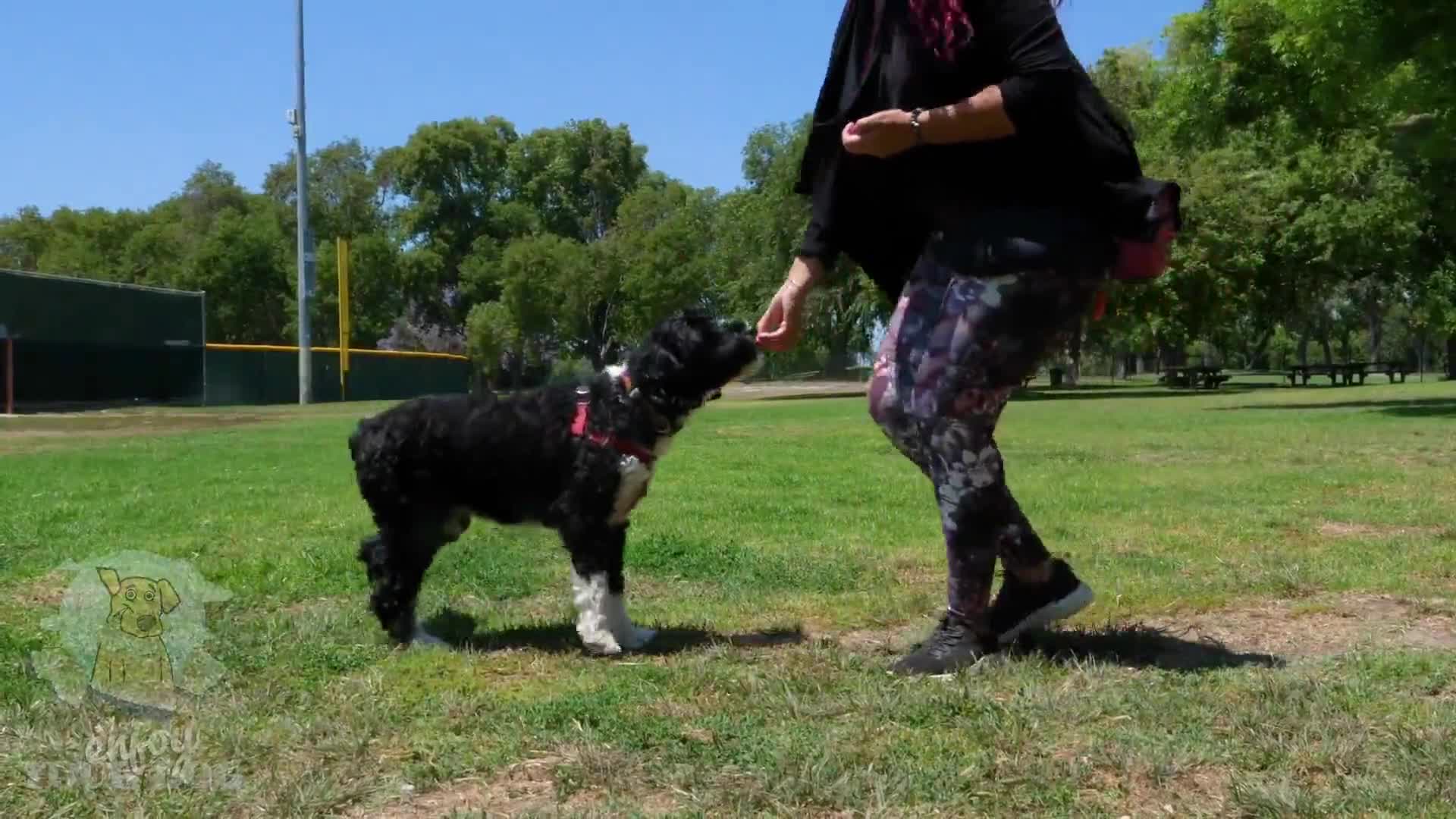
Luring leverages treats to direct dogs towards desired actions, focusing on behavior building, trust, and motivation through marked rewards and reducing treat visibility.
It is important to make training enjoyable for both the dog and the owner by creating a fun routine of tricks.
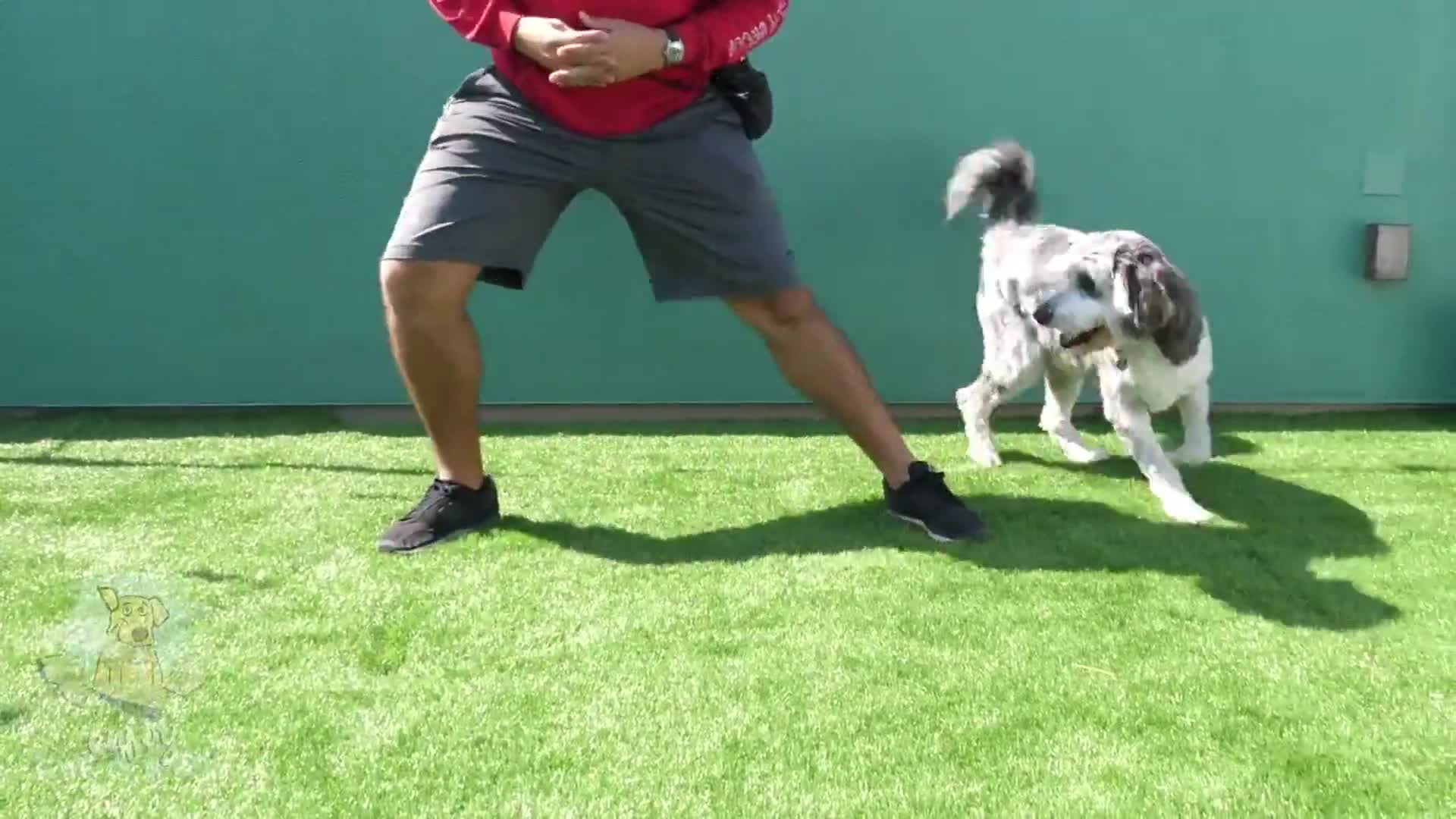
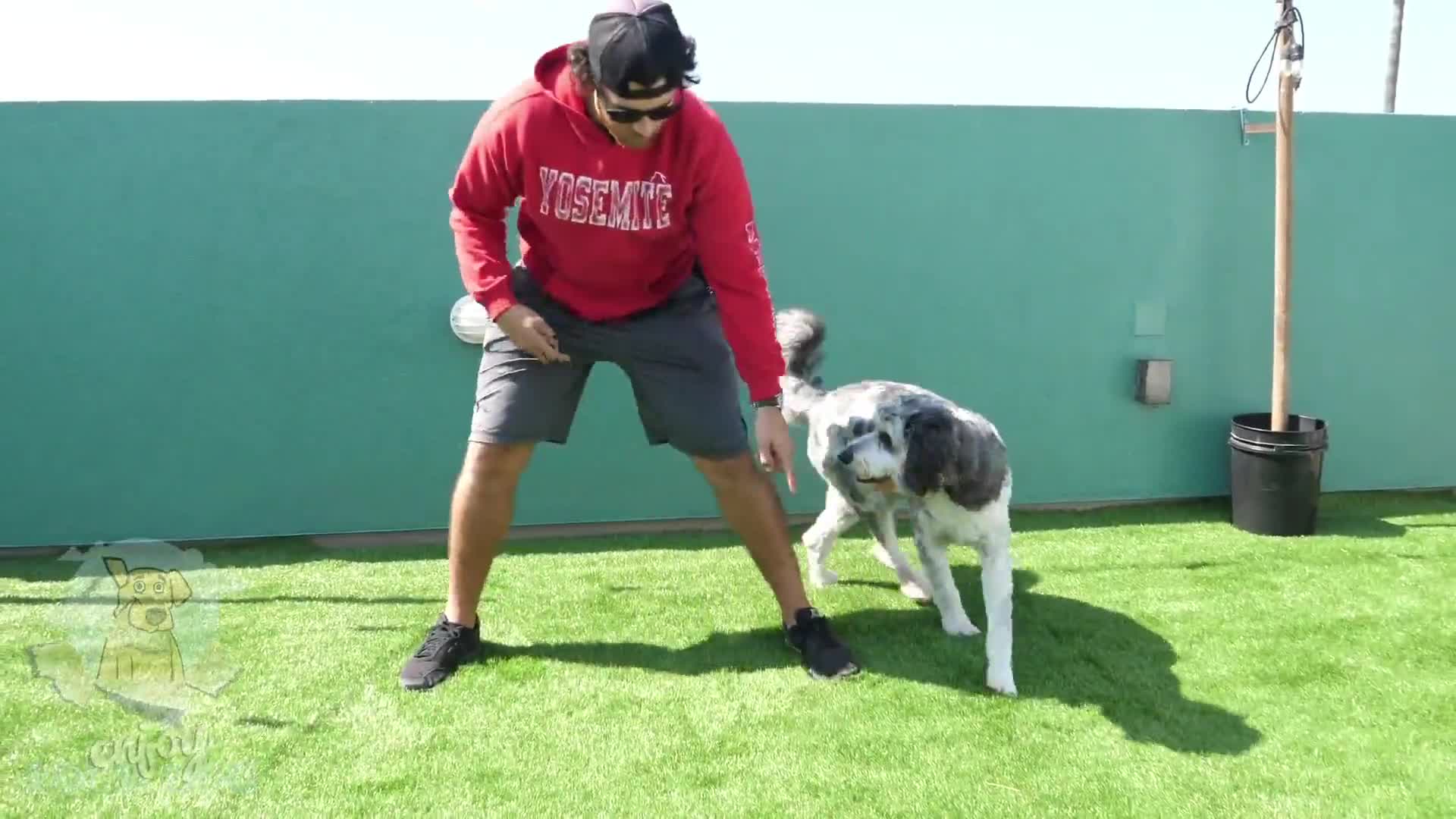
A dog training technique called crazy eights is aimed at enhancing the dog's confidence and focus by weaving around the owner's legs in a figure-eight pattern.
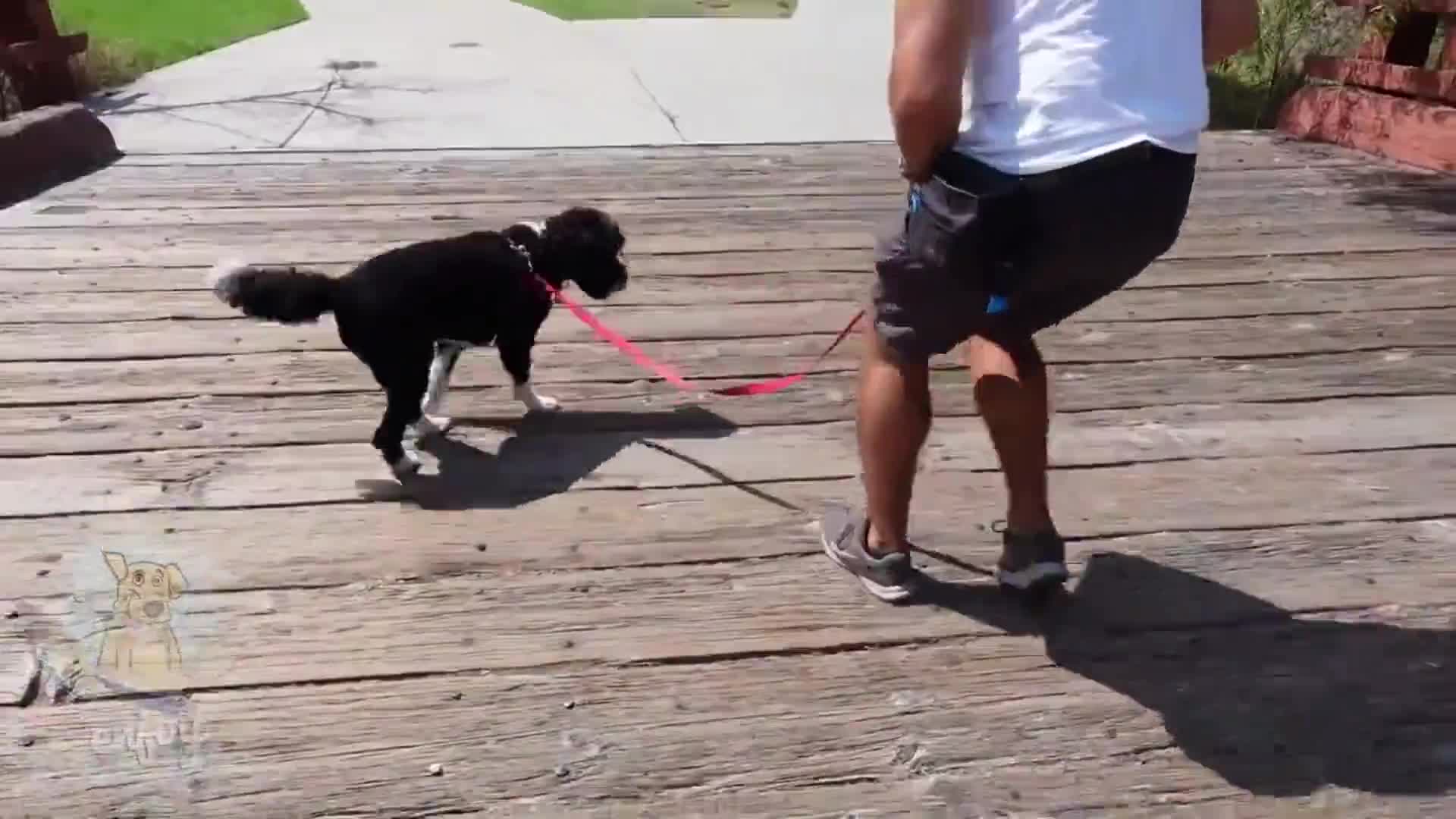
To enhance a dog's focus and recall, unpredictably changing direction during walks and rewarding them when they follow can make training more engaging and effective.
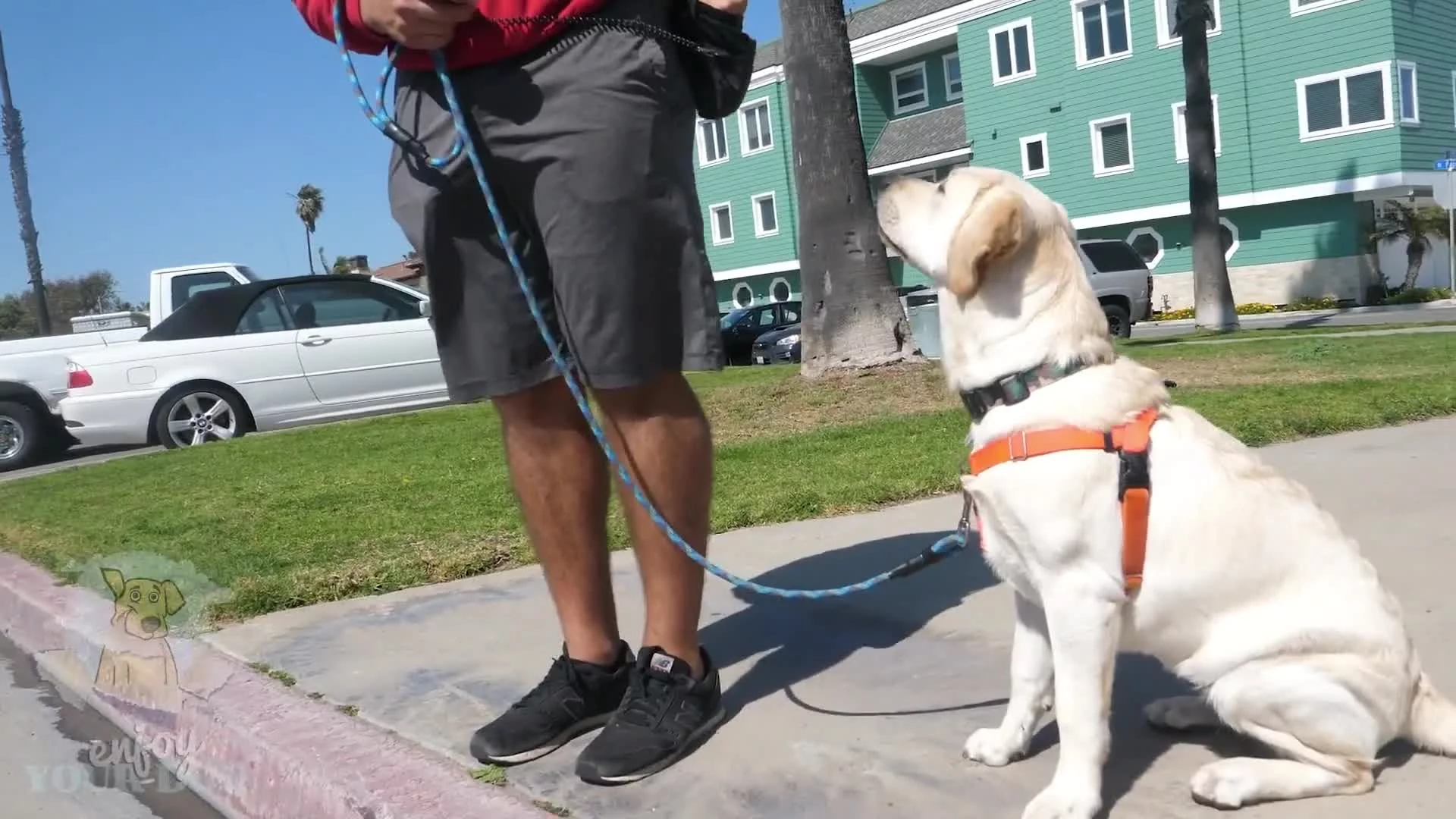
Teaching a dog to sit, foundational for door manners and polite greetings, involves capturing (rewarding natural sits) to make it a default behavior.
The significance of a solid relationship, grounded in trust, fun, and understanding, for effective dog training, advocating for trick training to bolster this bond.
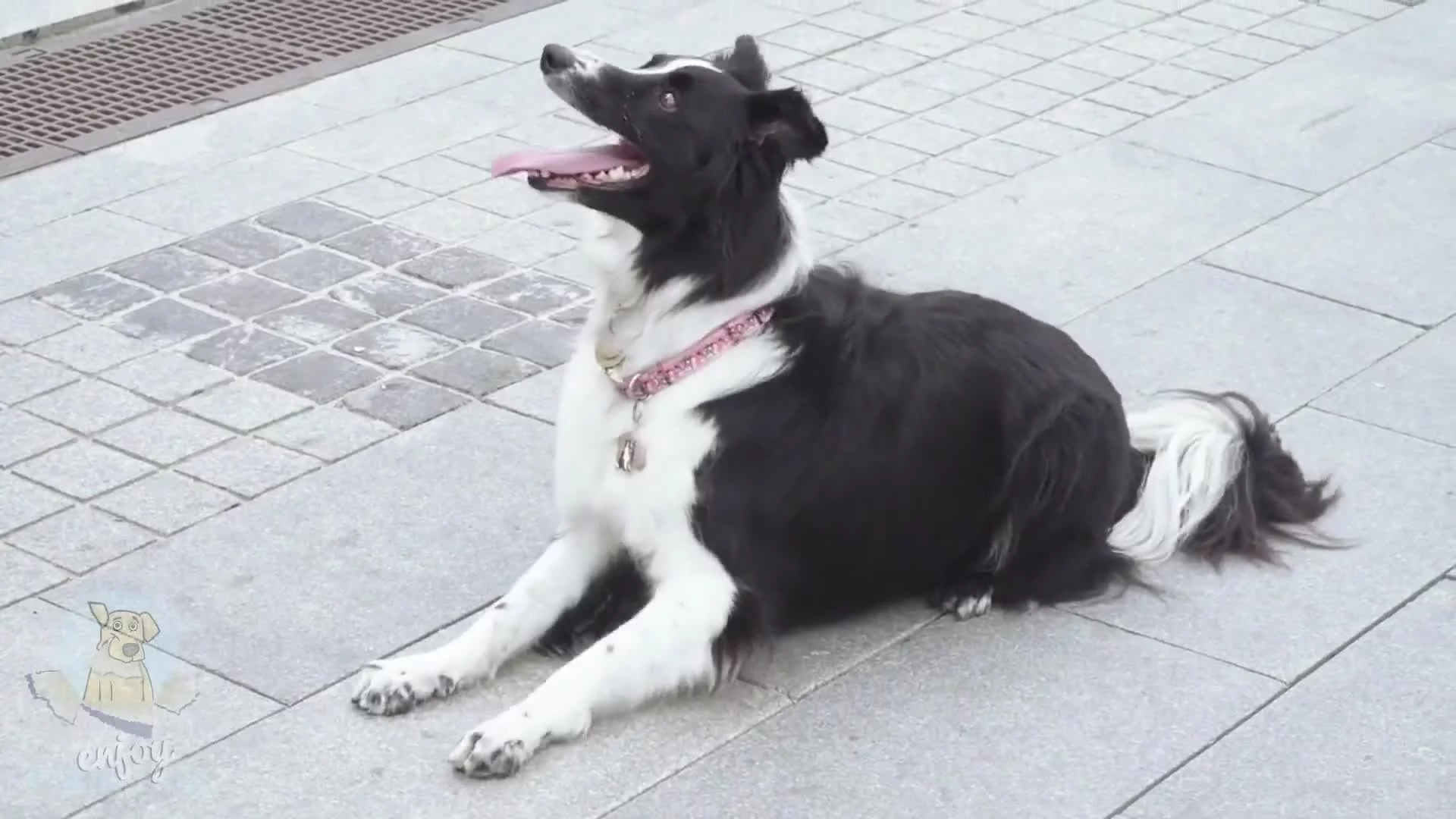
Four dog training methods: luring, targeting, shaping, and capturing, each has unique benefits and drawbacks.
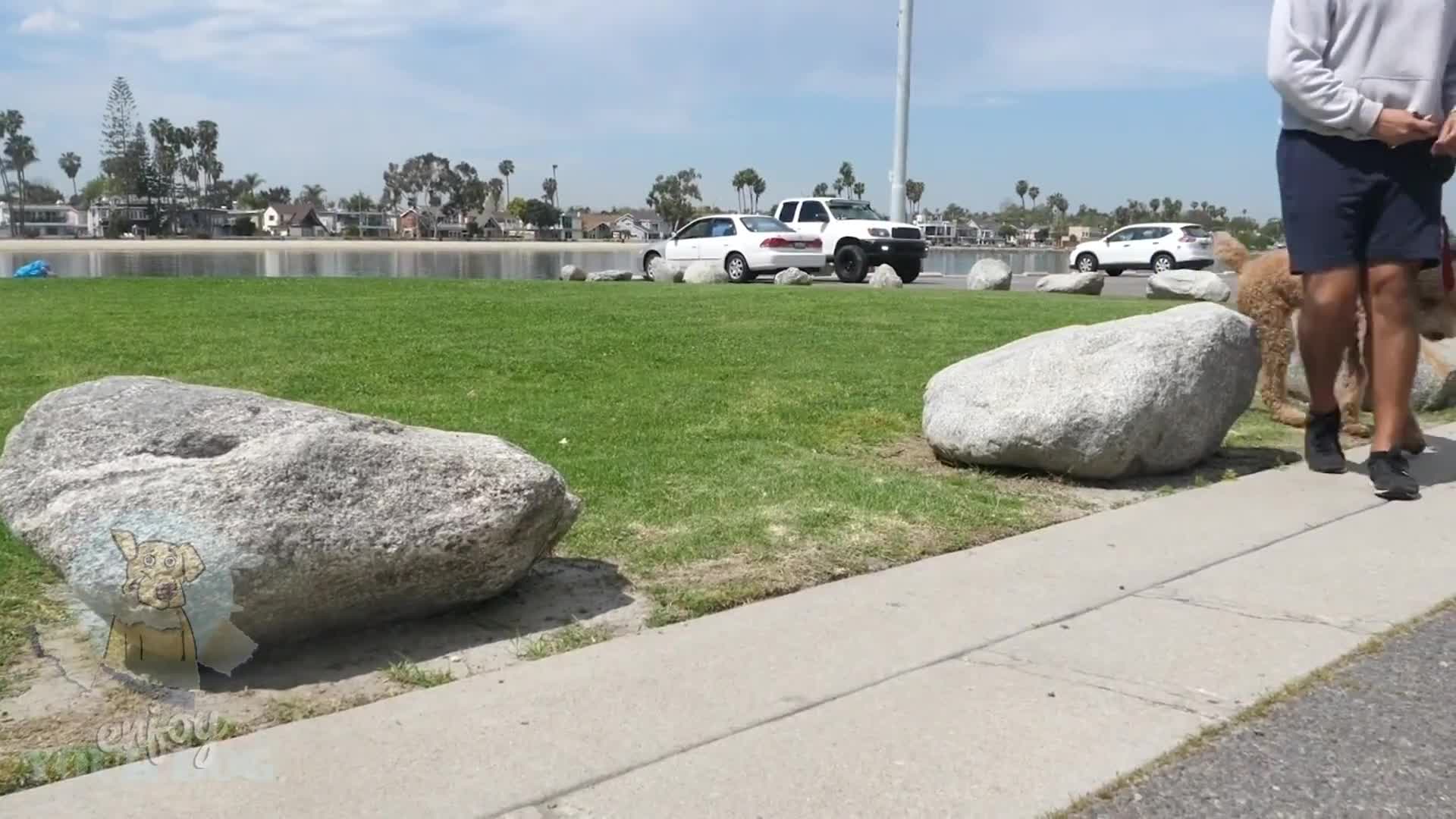
Once you have taught your dog the position you would like them to walk in, you can start to develop their walking skills further. Figure eight can help your dog practice turning while remaining on a loose leash. Throughout as you walk, you can reward your dog by your side. When the leash is slack, start off by setting out two objects to walk around in a quiet area. By walking in figure eight, you will be able to practice turning away from and towards your dog.
If they turn with you, mark and reward them by your side. If they start to pull forward or back, stop moving and encourage them back to your side before continuing. When your dog is getting good at this, you can practice using obstacles you find on your walks, such as planters, trees, or even bike racks.
Not only are you building excellent walking skills, but you are teaching your dog to ignore objects. You are moving around and building up their confidence in novel situations. Happy training.
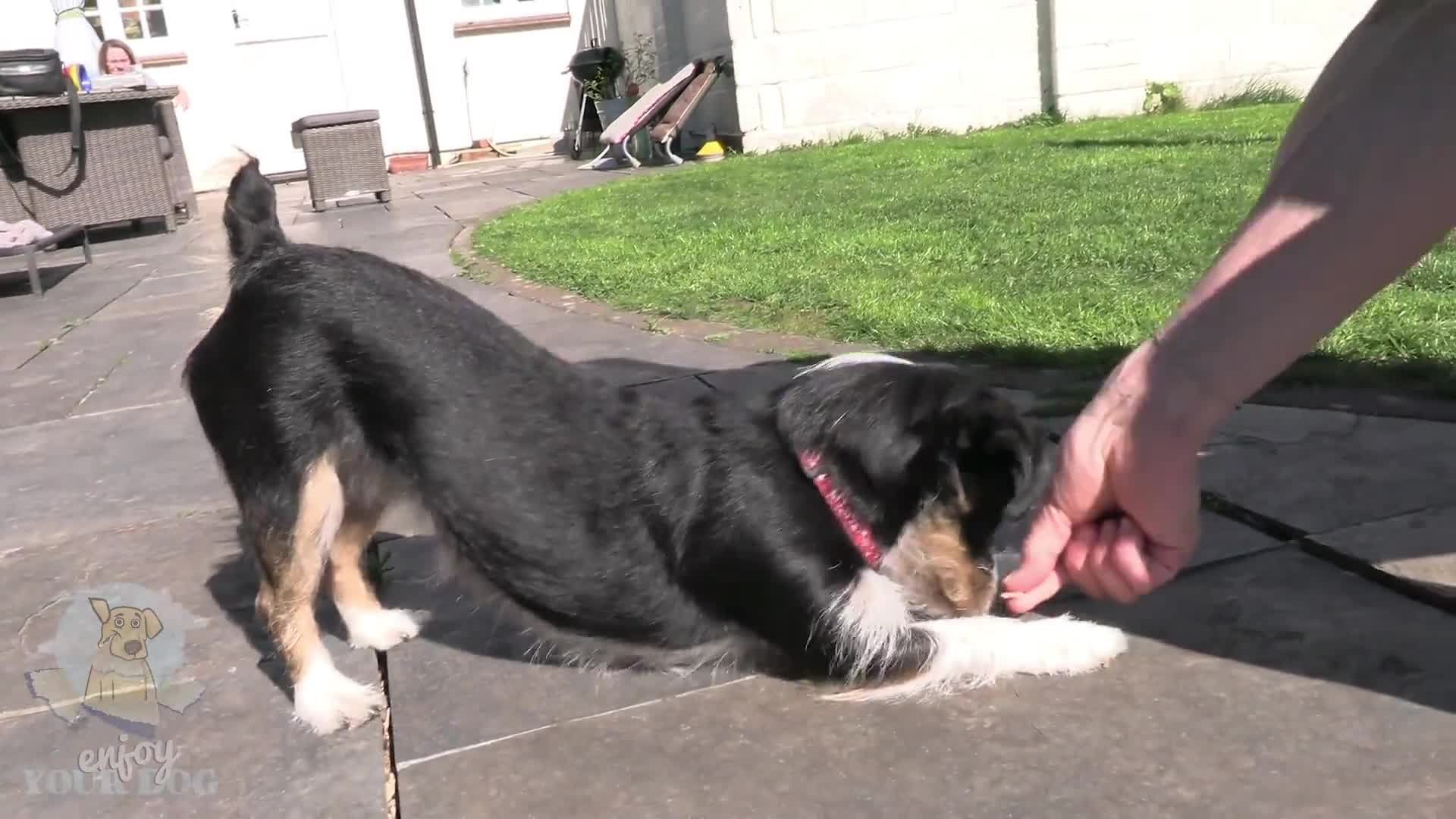
Marker training, utilizing sounds like a clicker, identifies dogs' desirable actions for rewards, emphasizing precise timing for effectiveness.