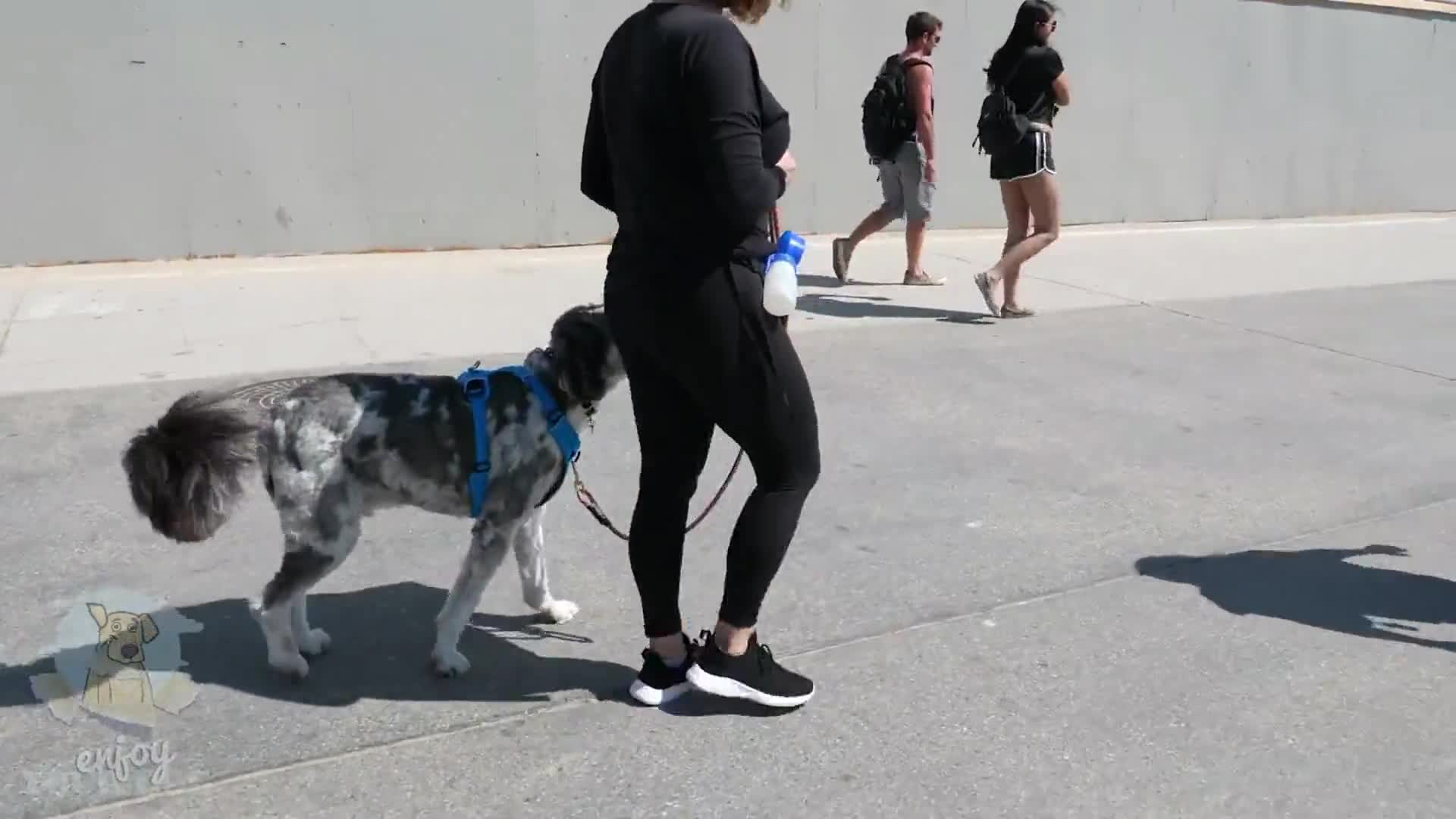
A training exercise called the start-and-stop game is designed to improve leash behavior in dogs.
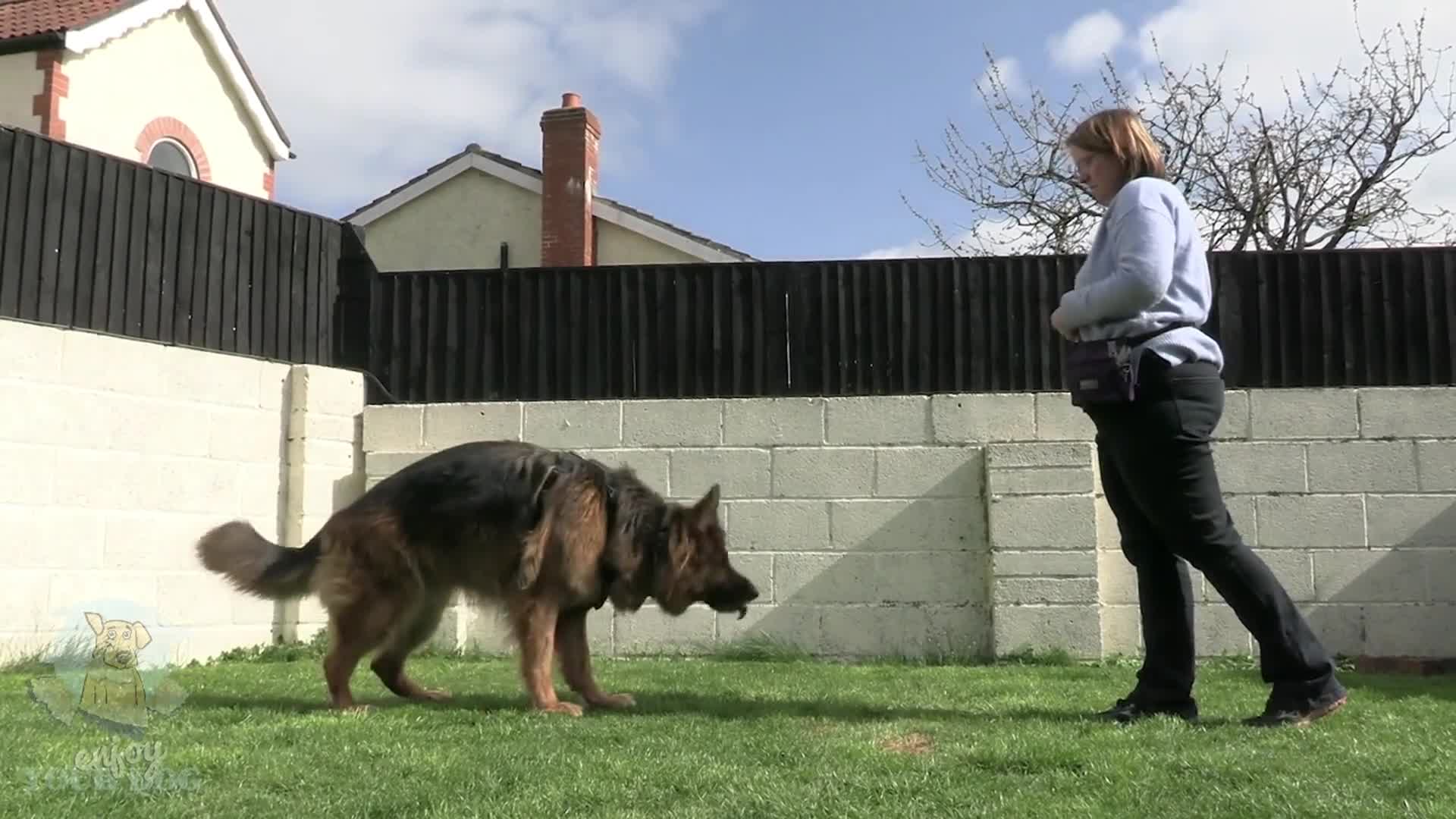
Teaching dogs involves starting with stationary treat catching, progressing to movement, and practicing in diverse locations to improve focused walking.
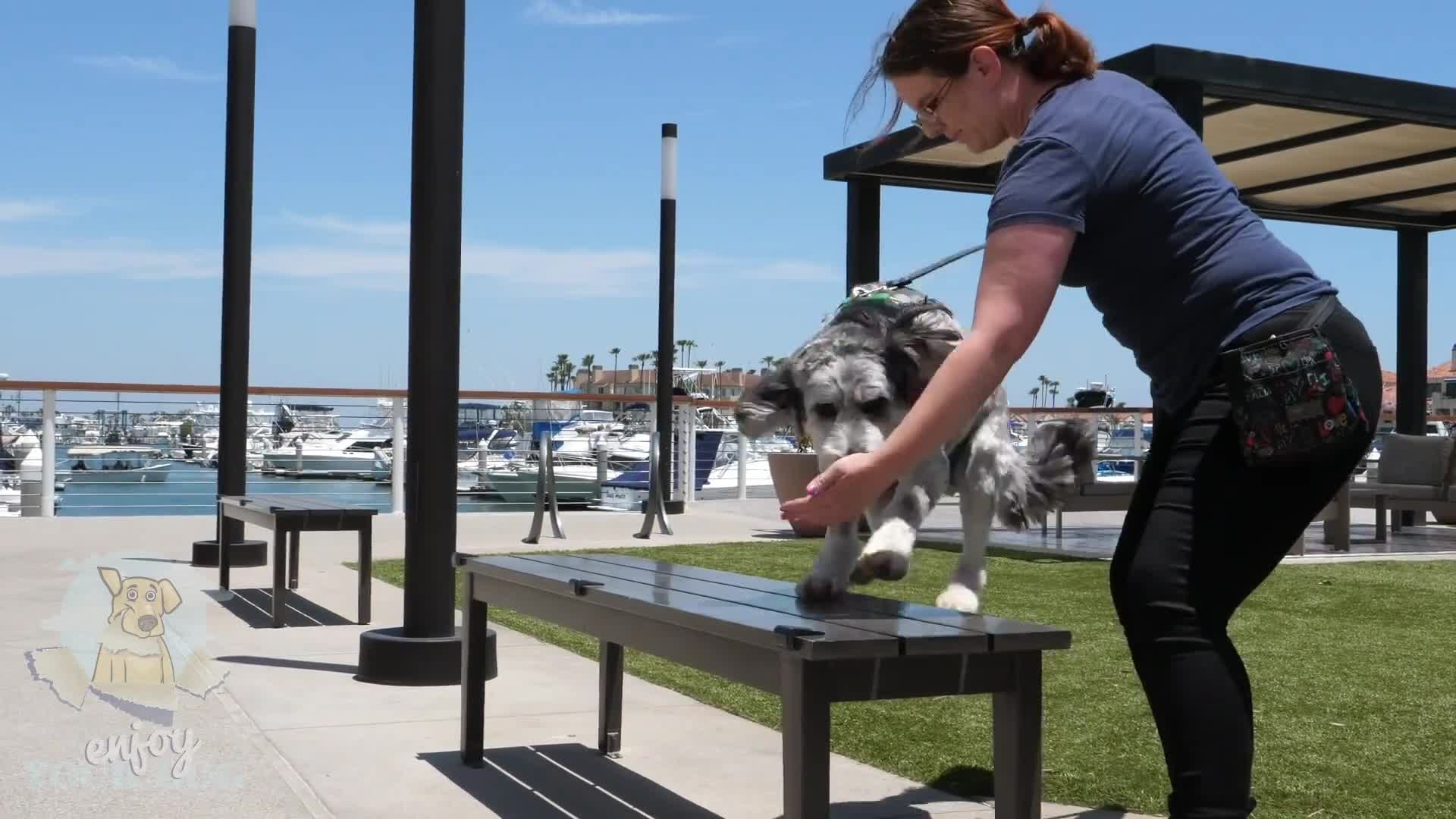
During adolescence, engaging dogs in urban agility strengthens bonds by teaching them to navigate obstacles on walks, fostering creativity.
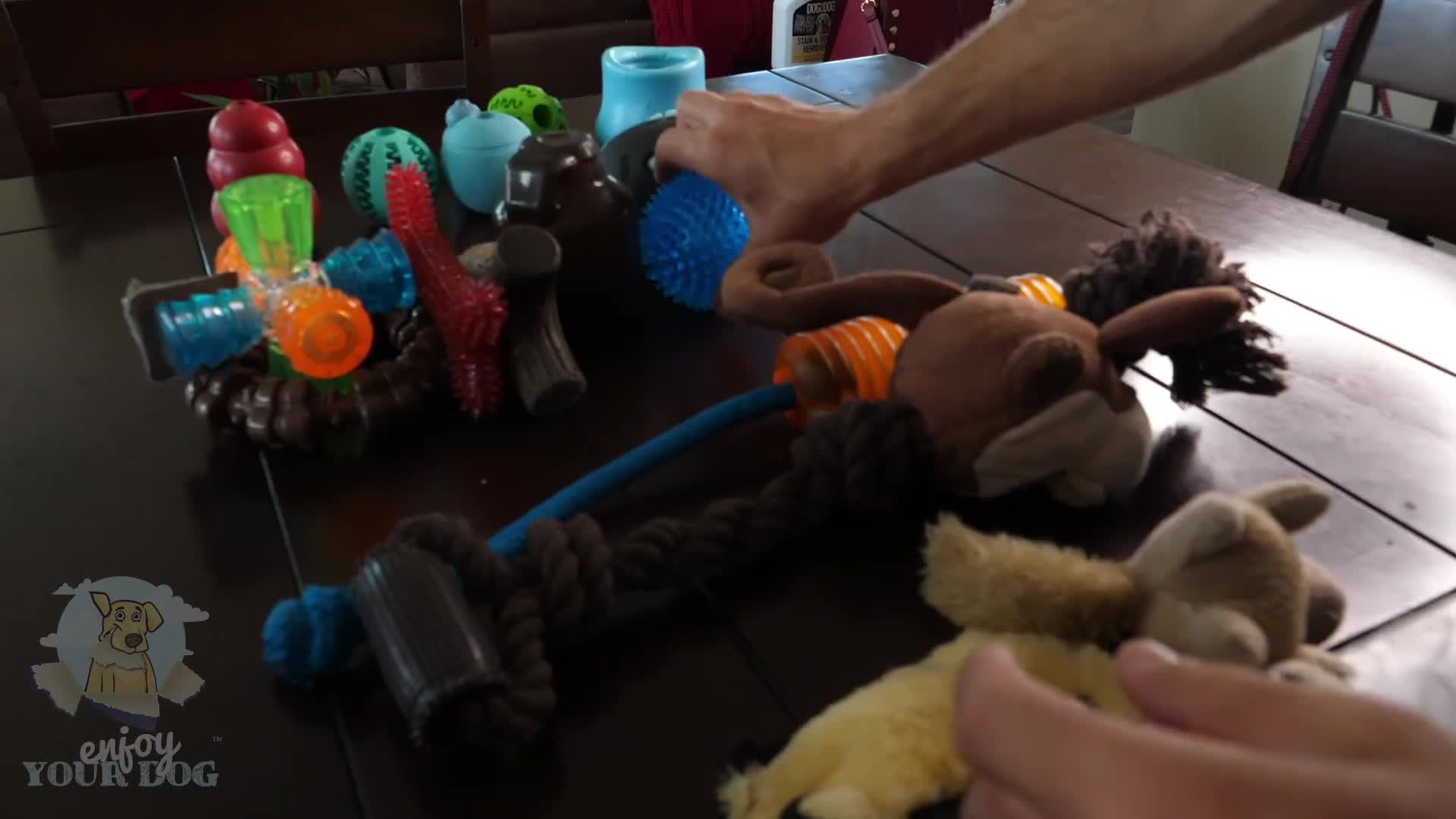
Choose dog toys, highlight treat dispensers for stimulation, use interactive toys like fetch items for bonding, use durable self-amusement toys like Kong for solo play, and use plush comfort toys.
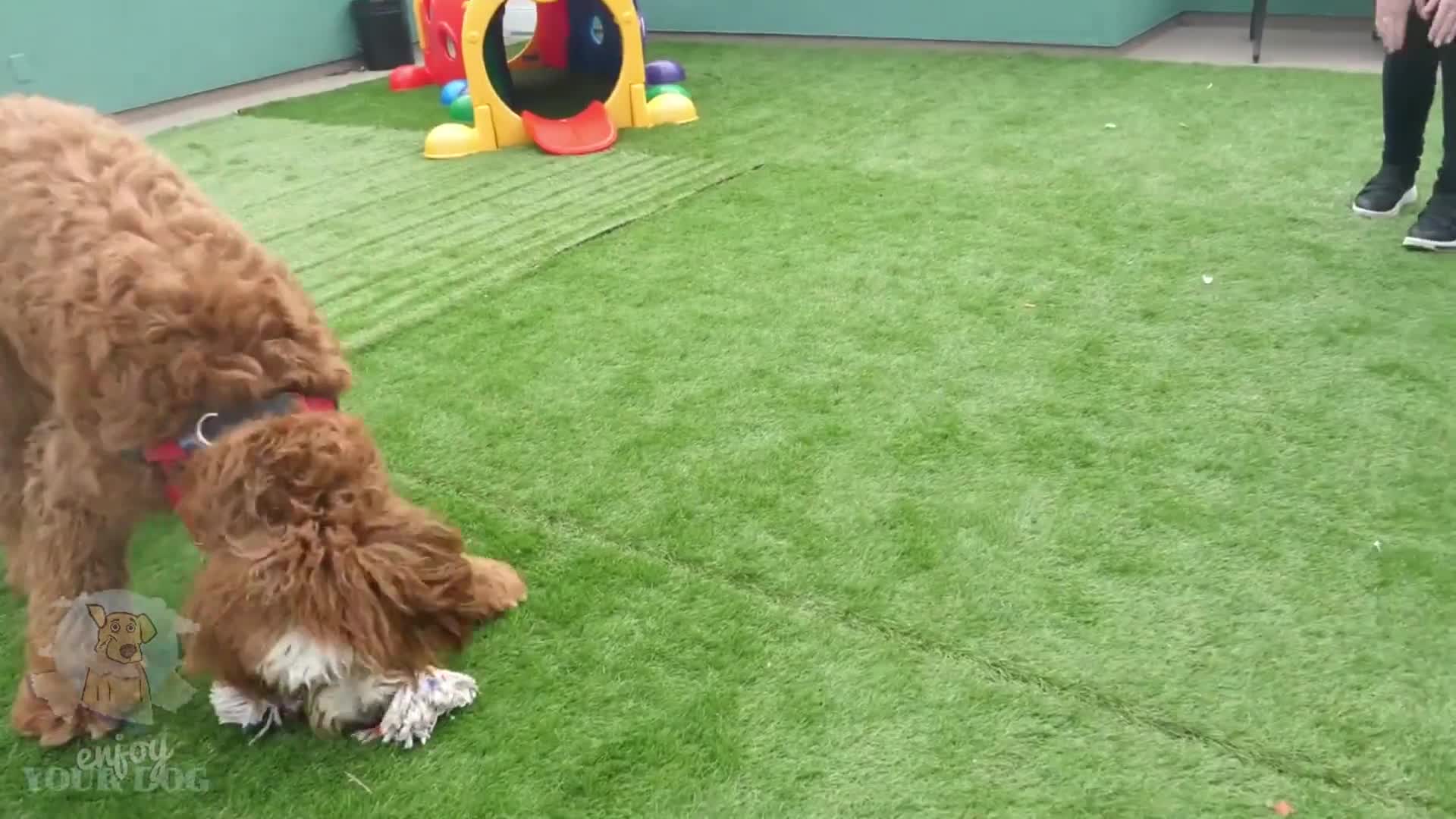
Training dogs to fetch by encouraging them to play tug, letting them win, rewarding them with more tug, emphasizing progression at the dog's pace, and using the game to teach retrieval.
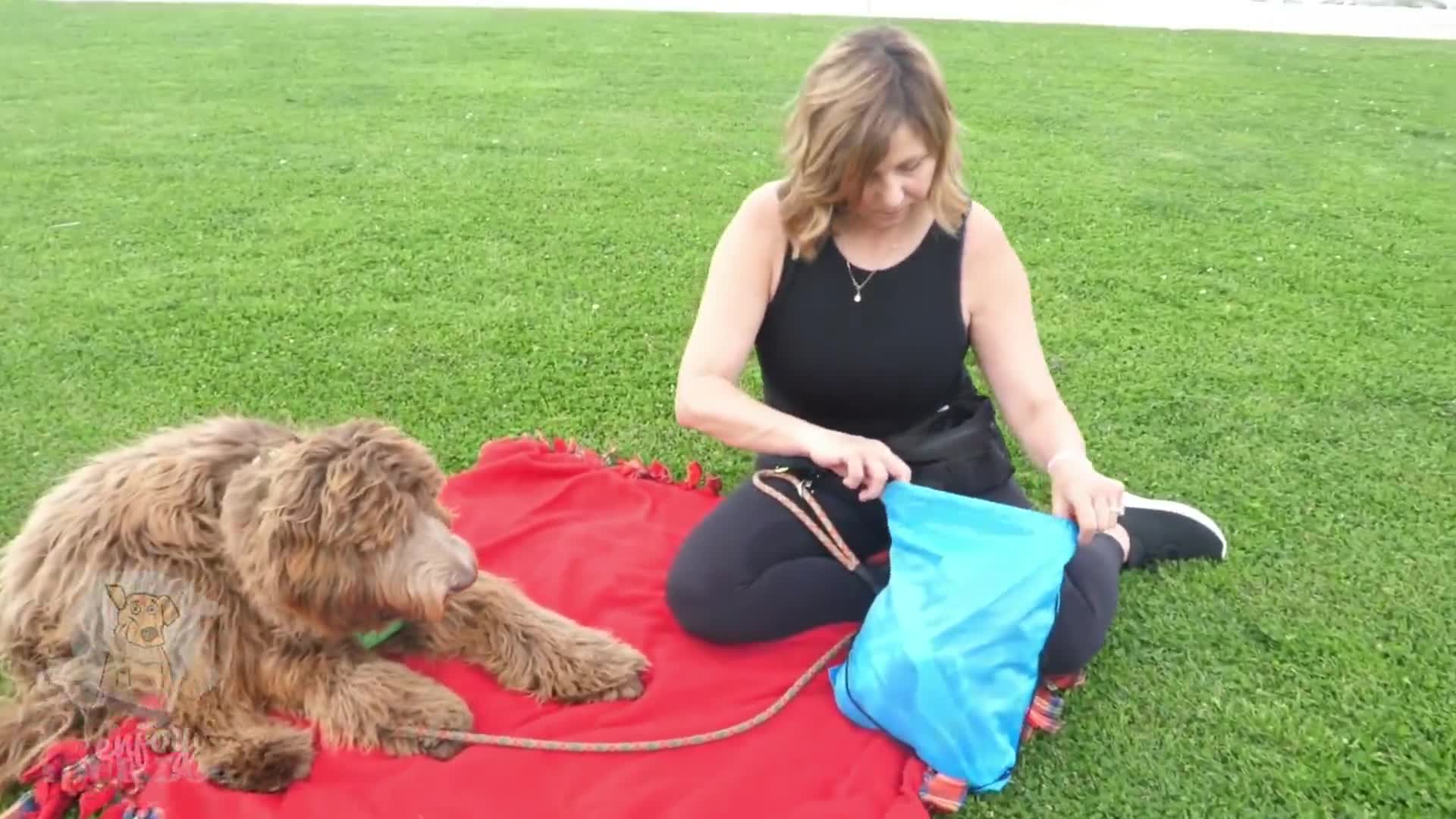
Enhancing the dog-owner bond, advocating for walks with a backpack of objects and a blanket for rest, offering novel treats, and playing with toys.
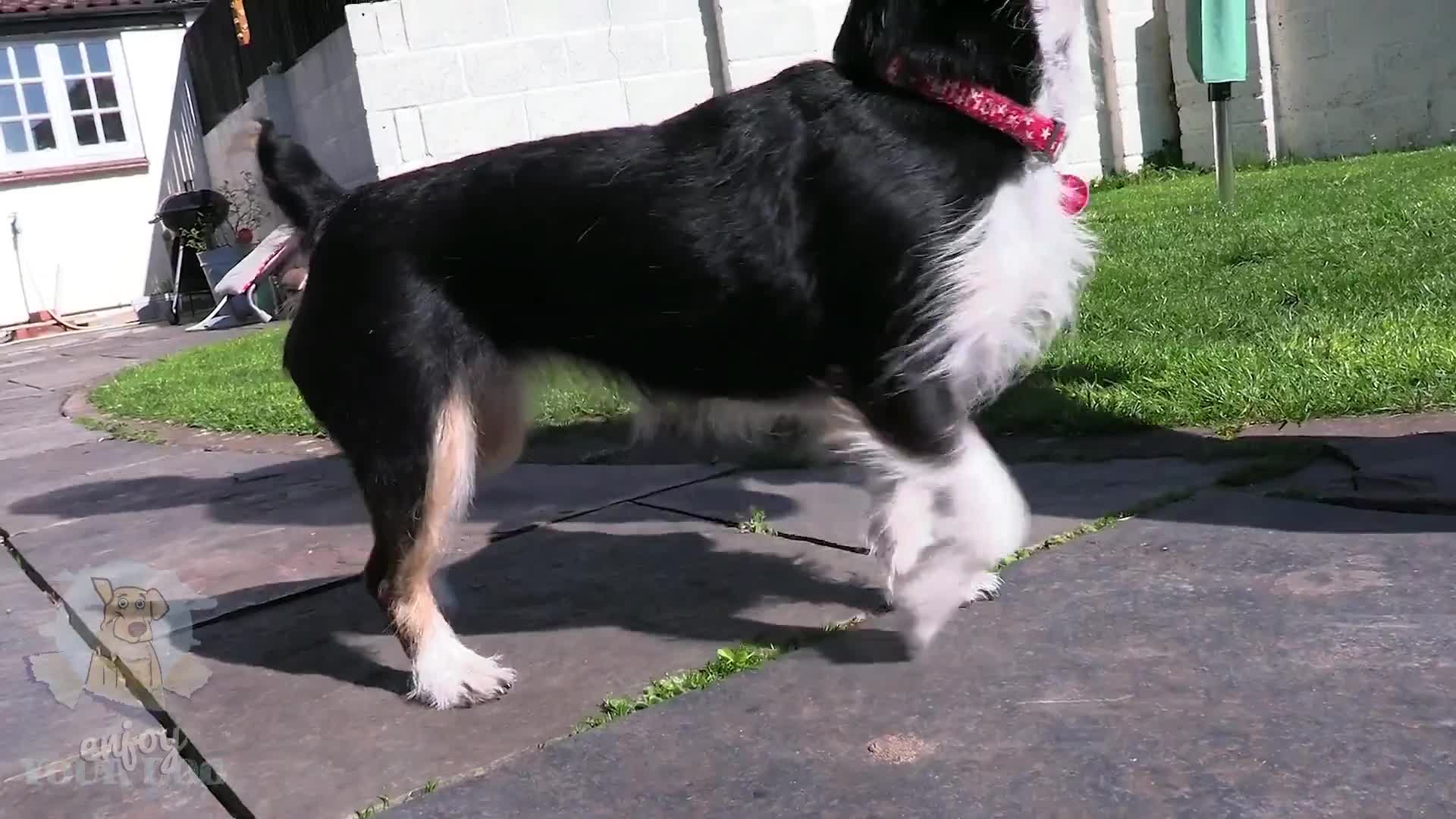
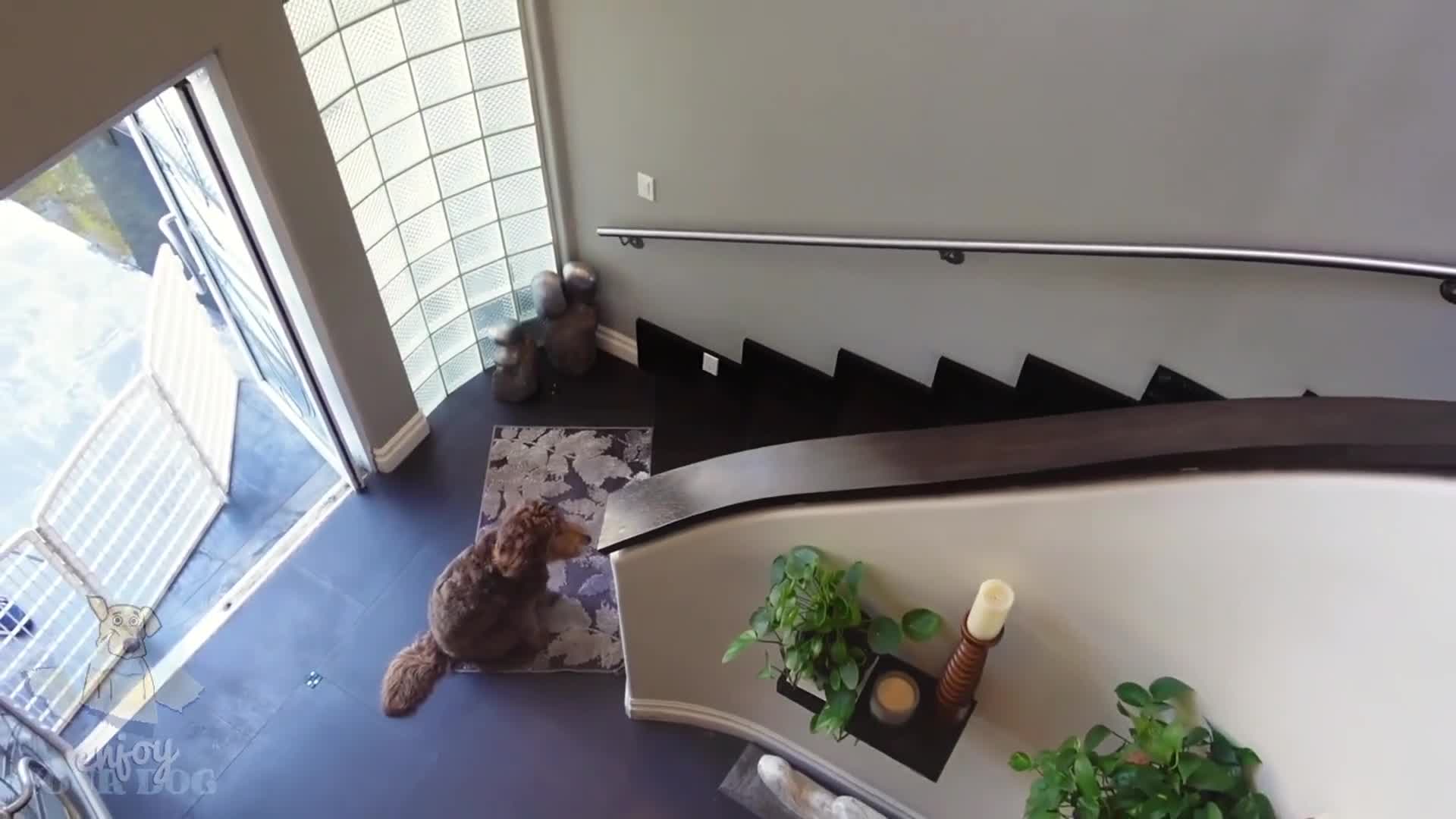
The importance of teaching dogs stair etiquette to prevent accidents, suggesting training them to stay in position while the owner ascends or descends before calling them.
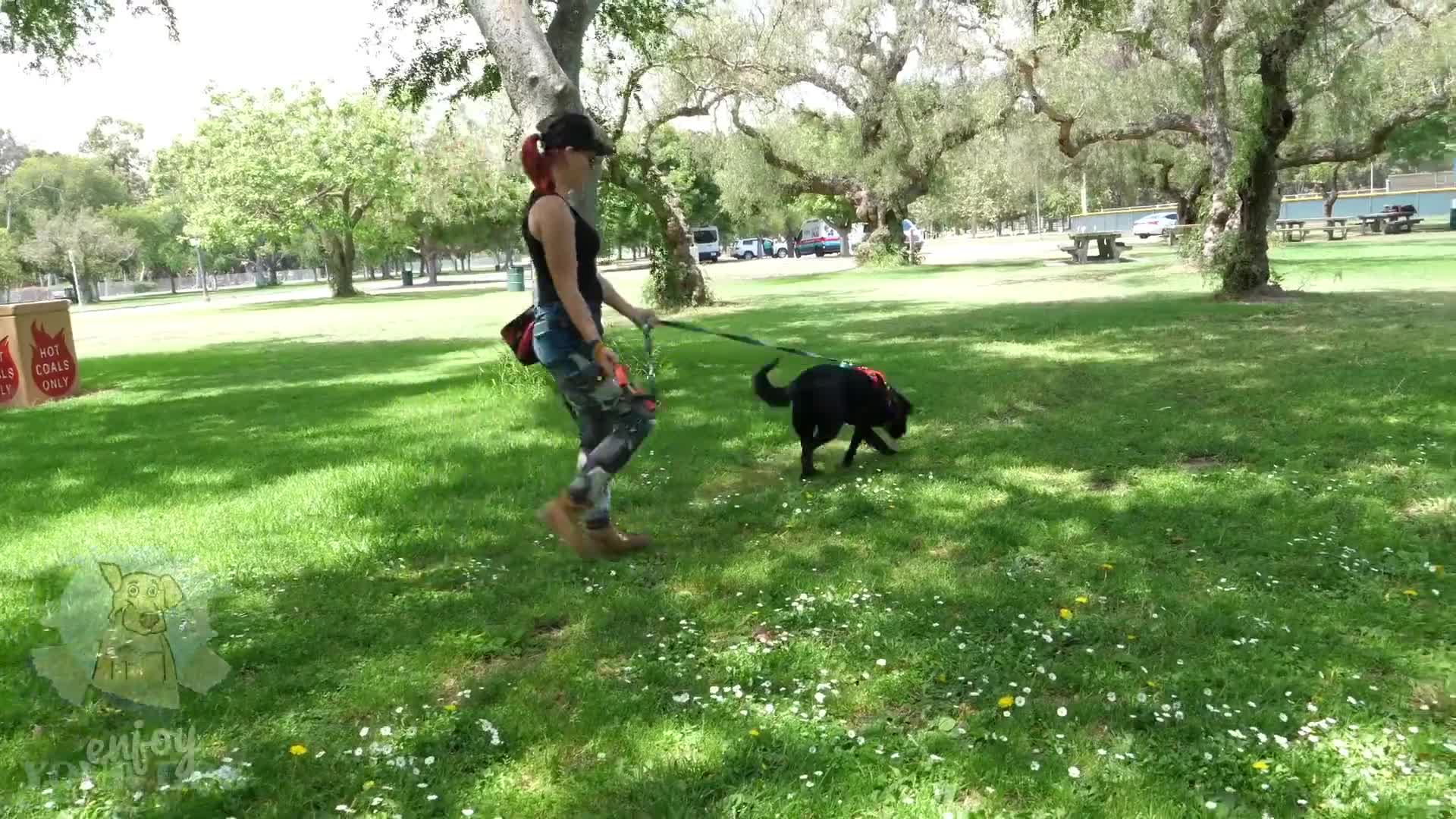
SNRI, a sniff-focused dog walk, empowers dogs, enhancing their confidence and relaxation, contrasting with exercise walks.
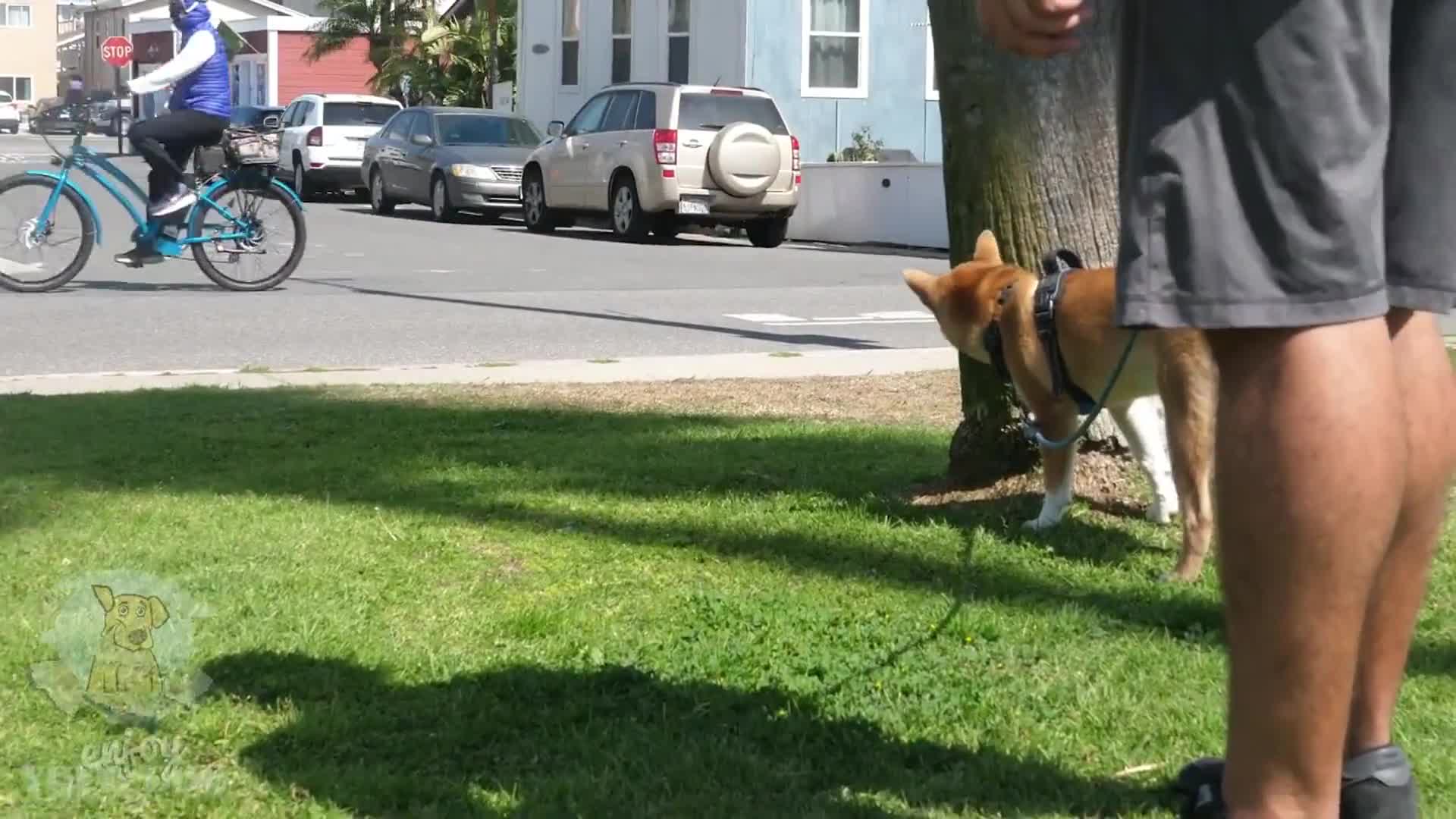
Using a dog's sniffing as a reward for walking nicely on a leash emphasizes sniffing's role in exploration and socialization.
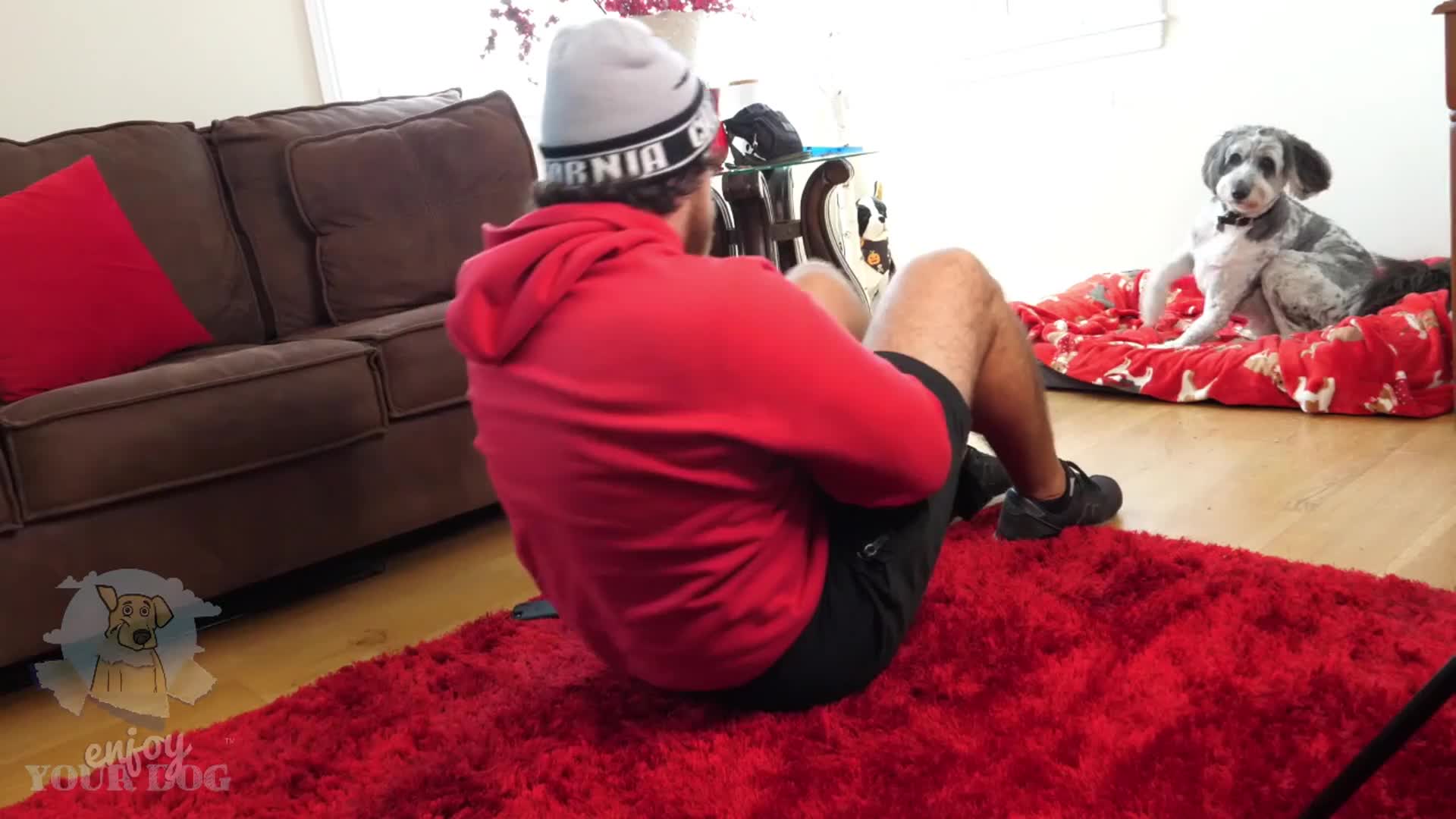
This approach helps dogs get used to their owner's movements and remain relaxed.
They use their keen smell to find treats hidden at various heights and in containers, starting easily and adding complexity.
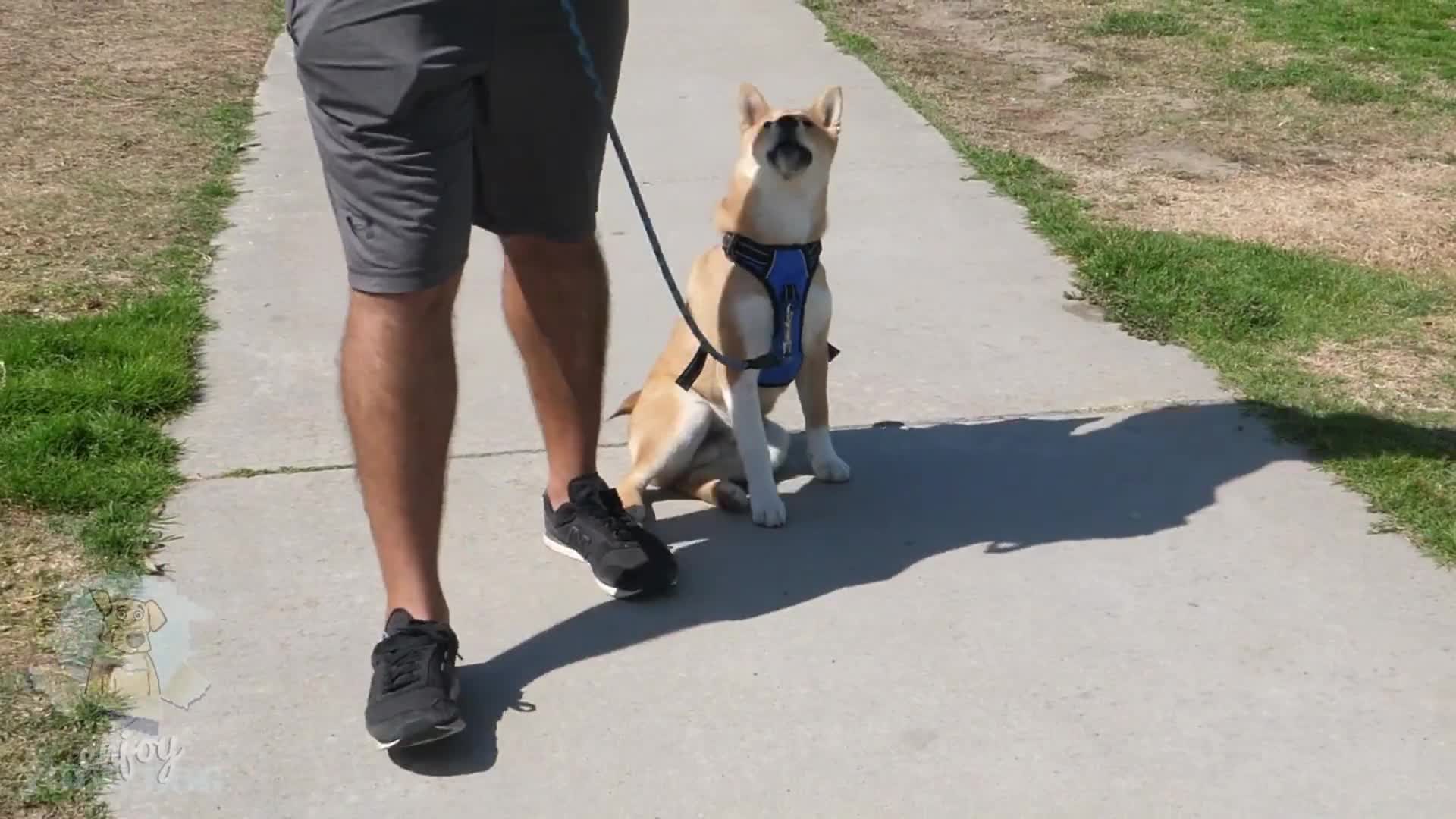
Using body movements for effective dog walking, advocating for practice in a serene setting to foster harmony.
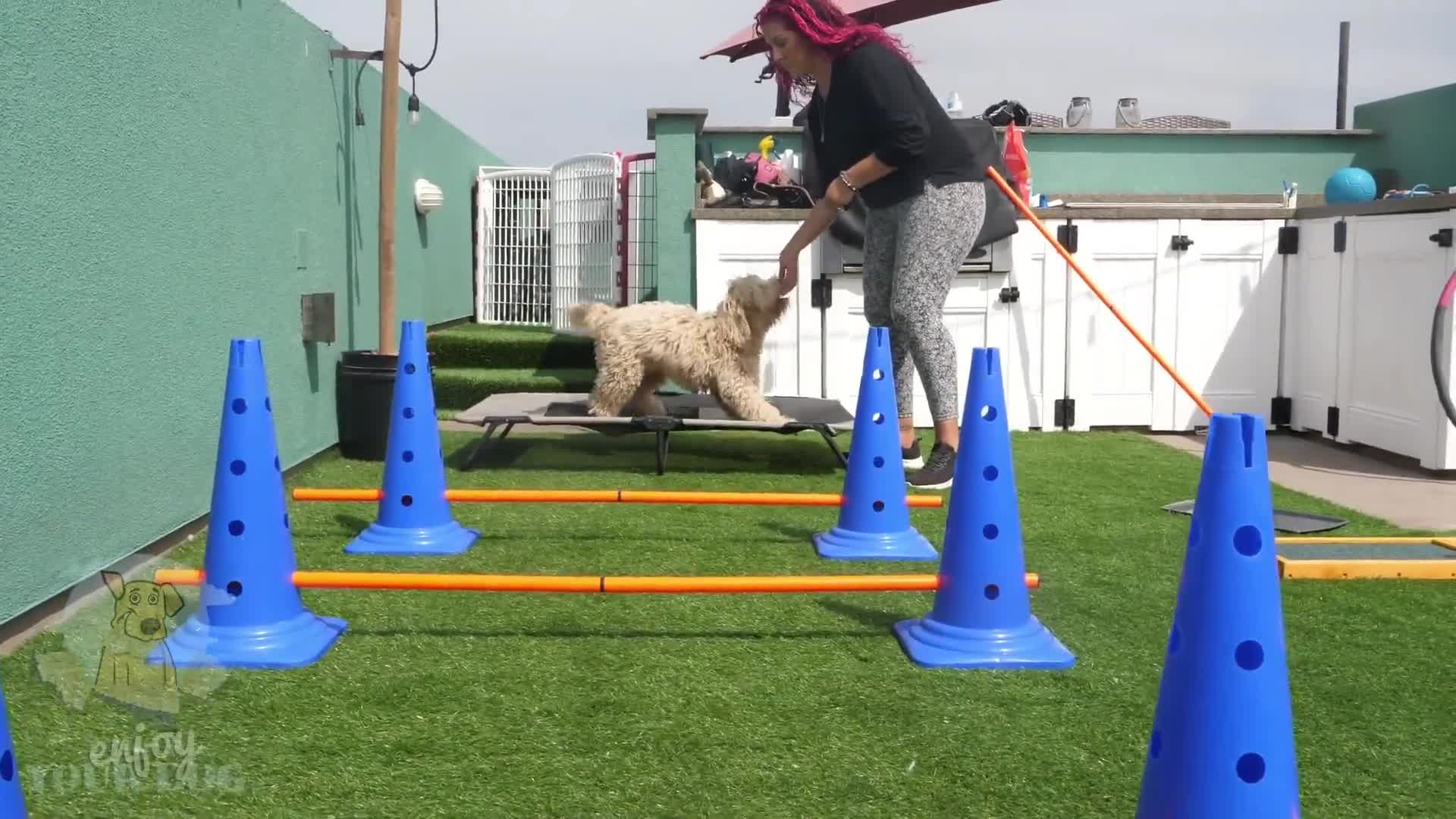
building dog obstacle courses to boost confidence, incorporating varied textures, heights, and observing body language for comfort and interest
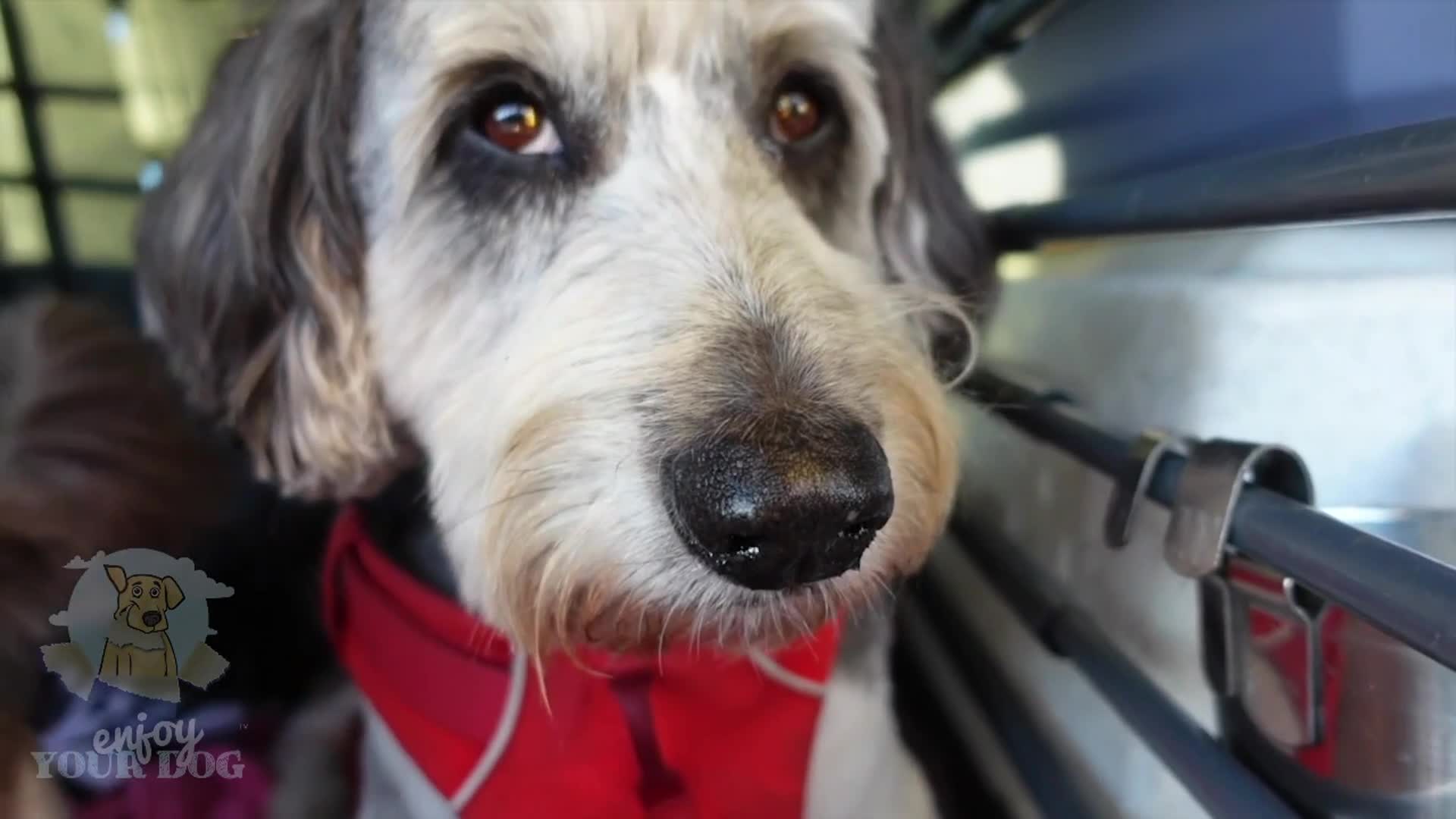
Using a ramp for dogs' safe vehicle transport, highlighting alternatives like crates or harnesses with seat belts for security. It
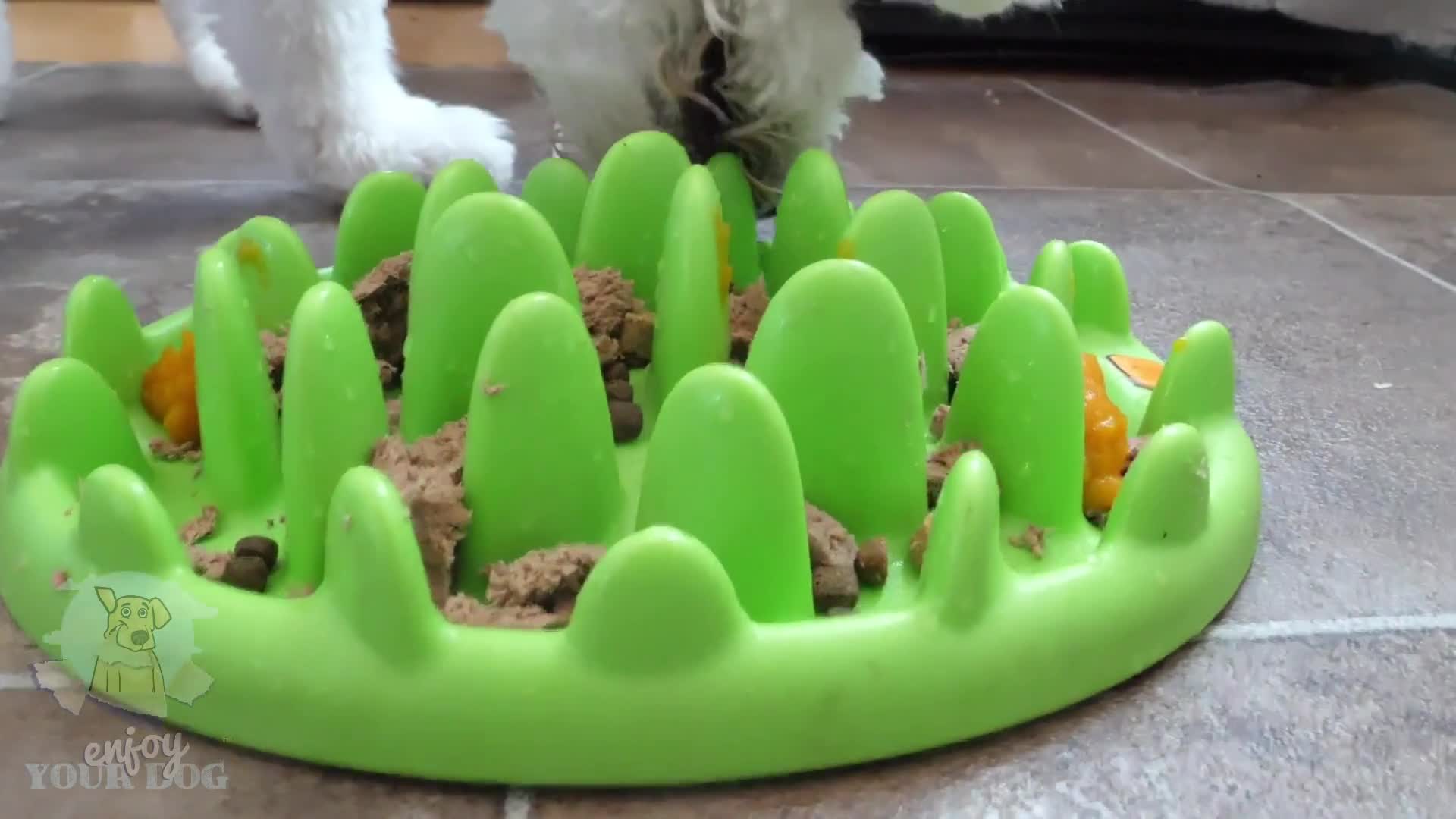
Advocate for enriching dogs' mealtime, by replacing bowls with interactive feeders, like rubber kongs, and employing scatter feeding or snuffle mats to engage dogs' natural foraging instincts.
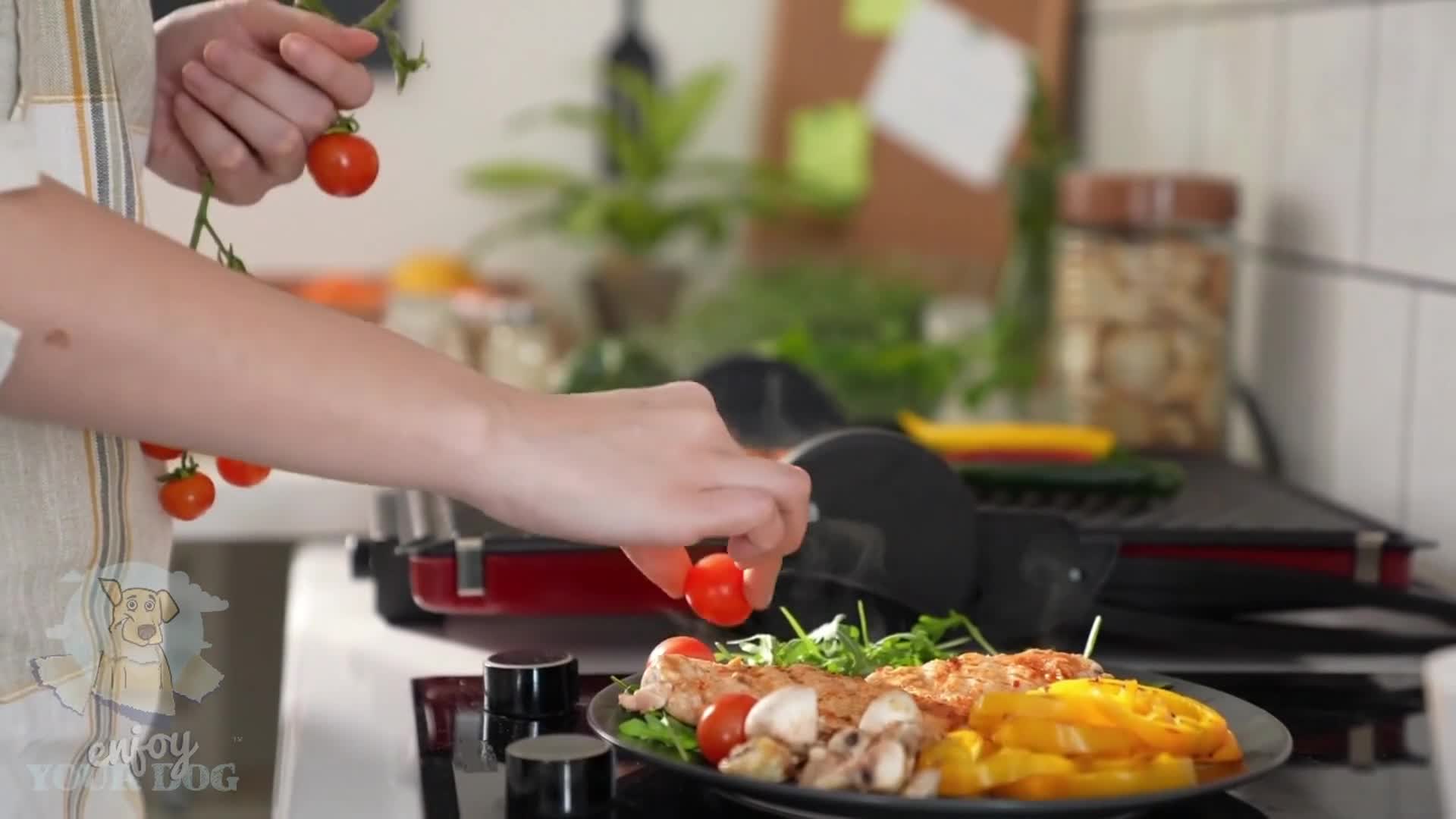
Bonding over preparing a safe, nutritional meal for dogs, highlighting the need to verify ingredient safety and suggesting beef, chicken, and vegetables, among others.
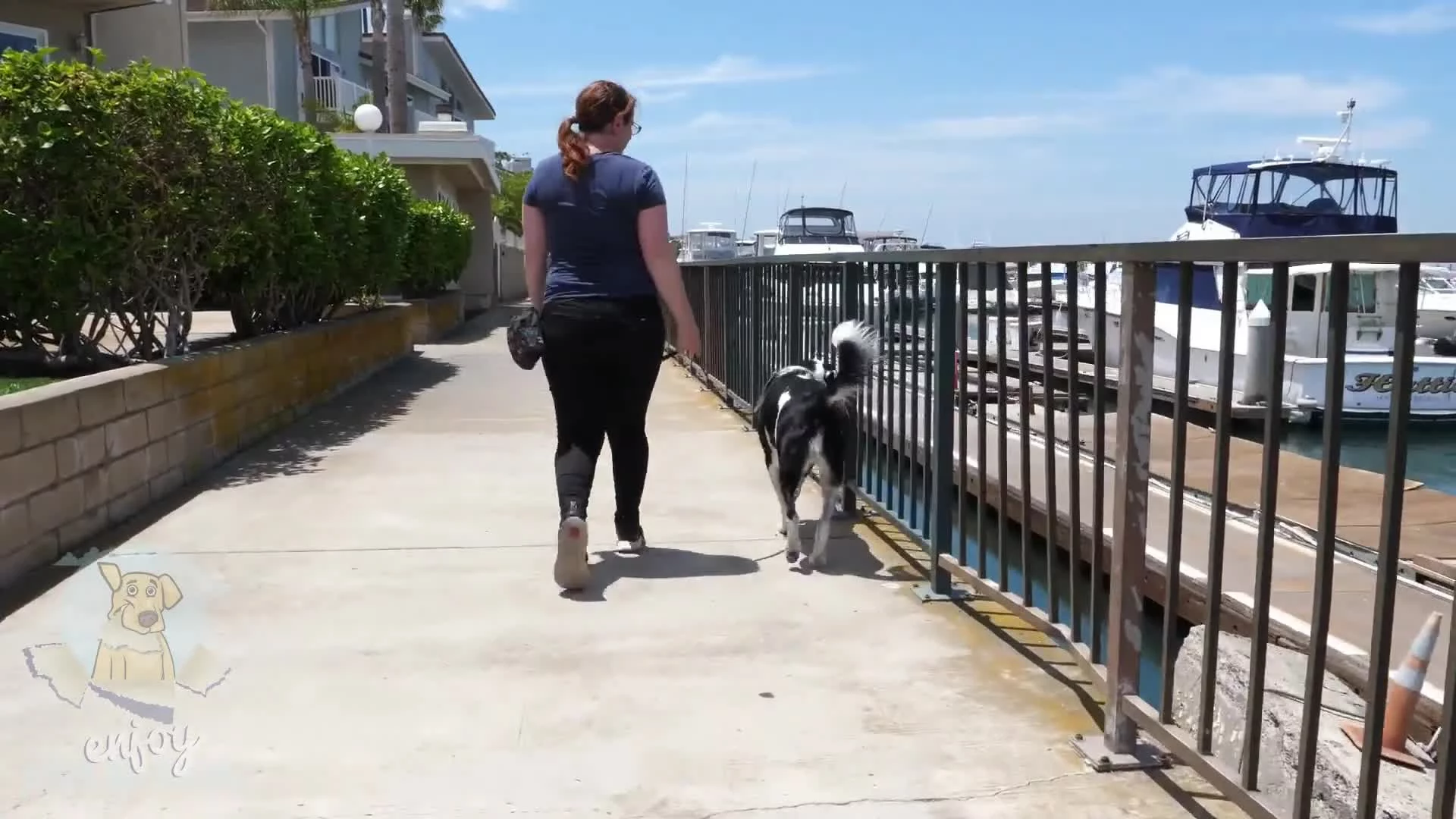
The significance of exposing adolescent dogs to a variety of locations, using ramps for safer car access, and securing them with crash-tested crates or harnesses.

Teaching dogs body awareness through cavalettis, an exercise with poles (like pool noodles or bamboo canes) set at shoulder height to prevent adolescent injuries.
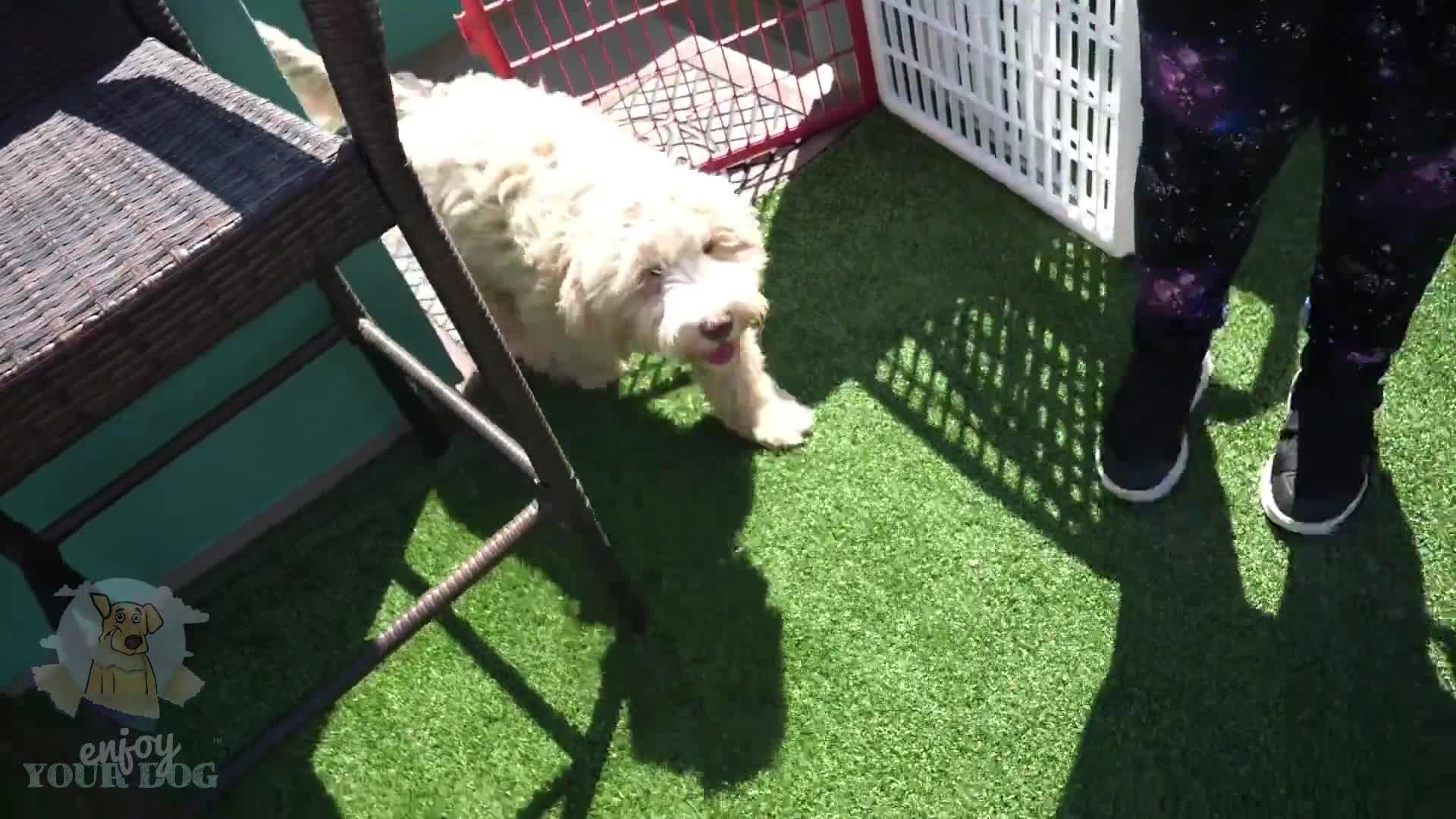
Maintaining a structured routine for dogs during adolescence to mitigate frustration by ensuring predictability amidst their physical and emotional changes.
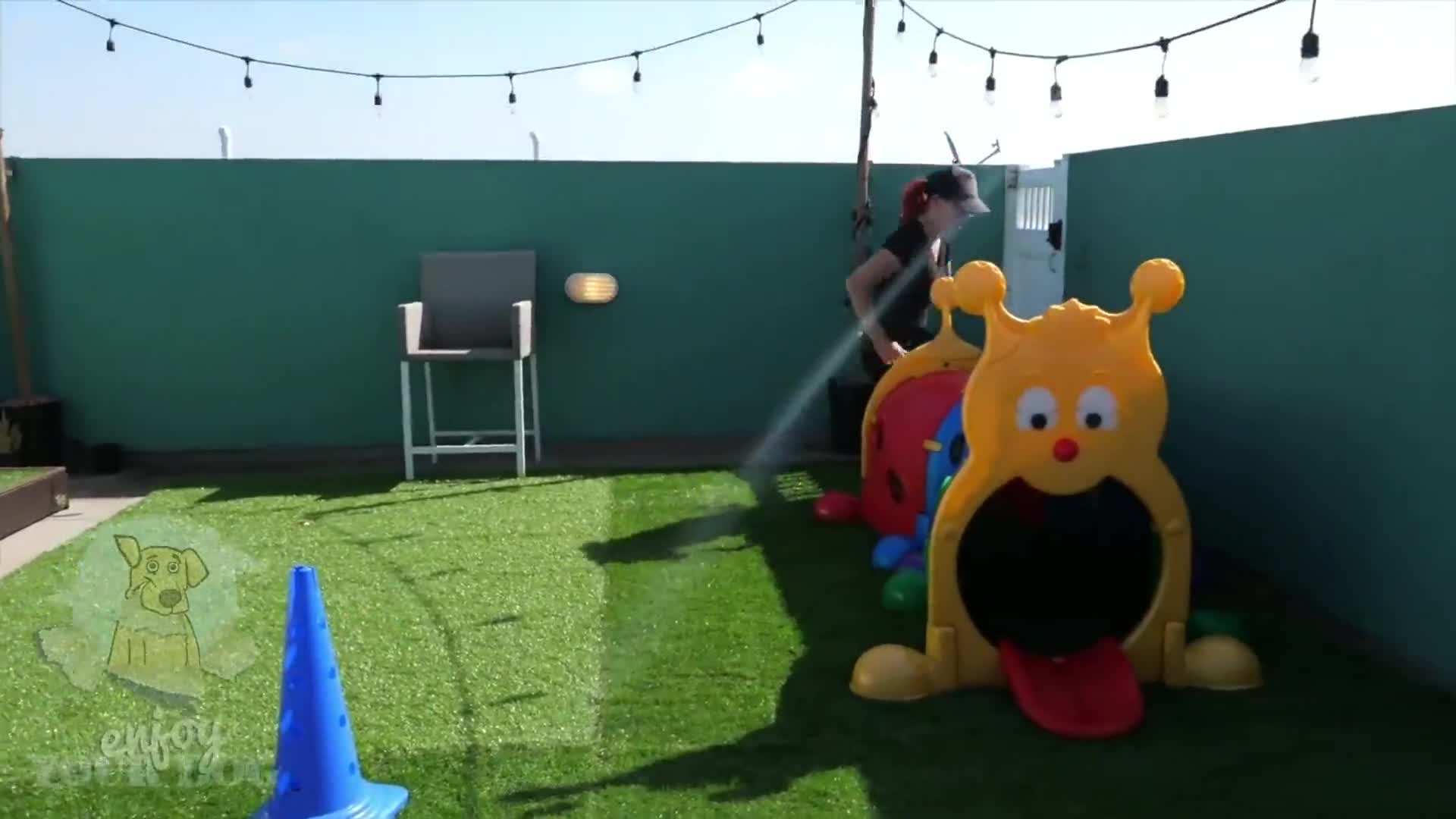
A training game called hide and seek enhances a dog's recall response.
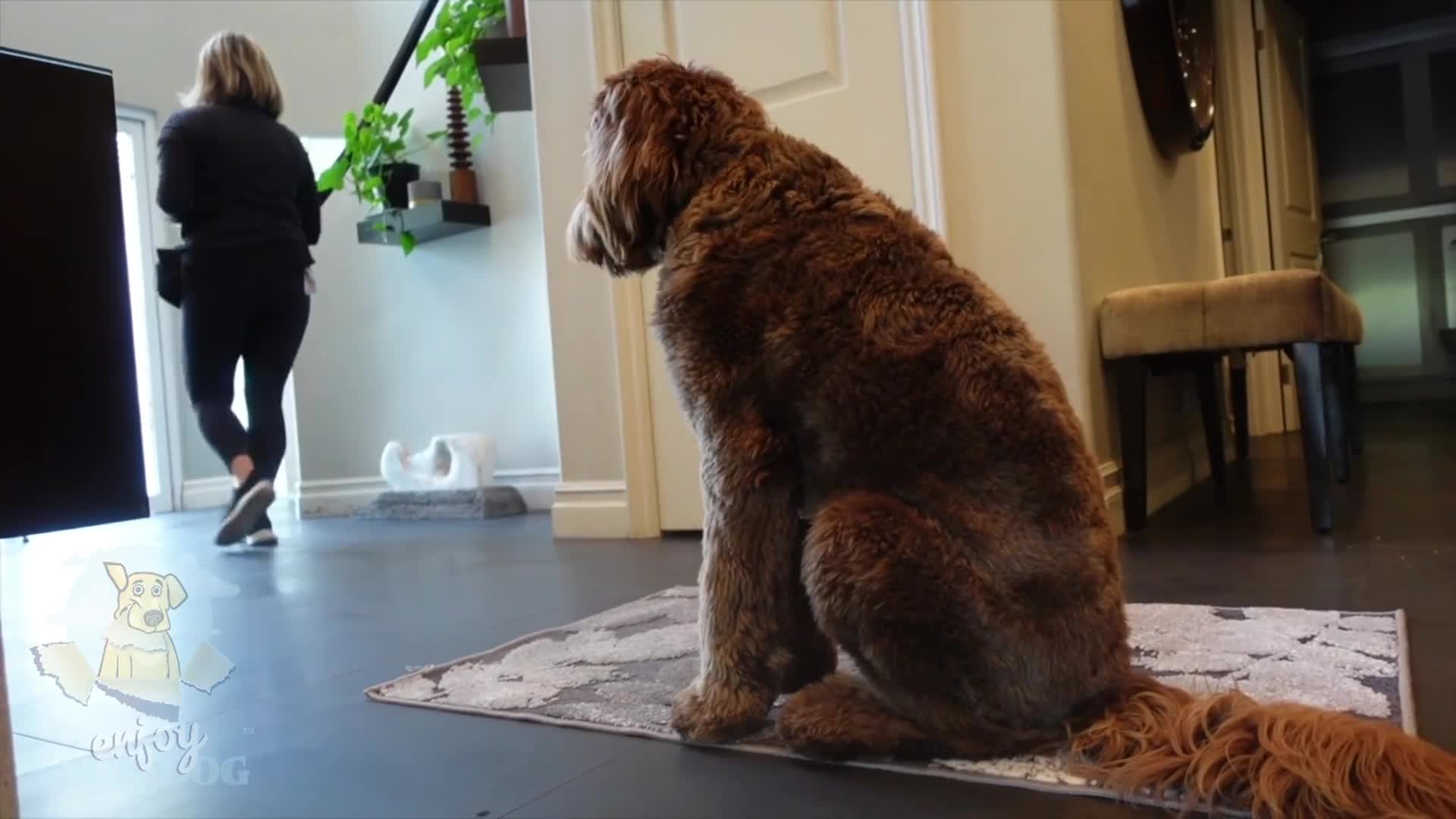
Whether you're welcoming guests into your home, answering the door, or simply need a moment to collect the mail without your dog underfoot, teaching them to move to a specific spot can be a game-changer.
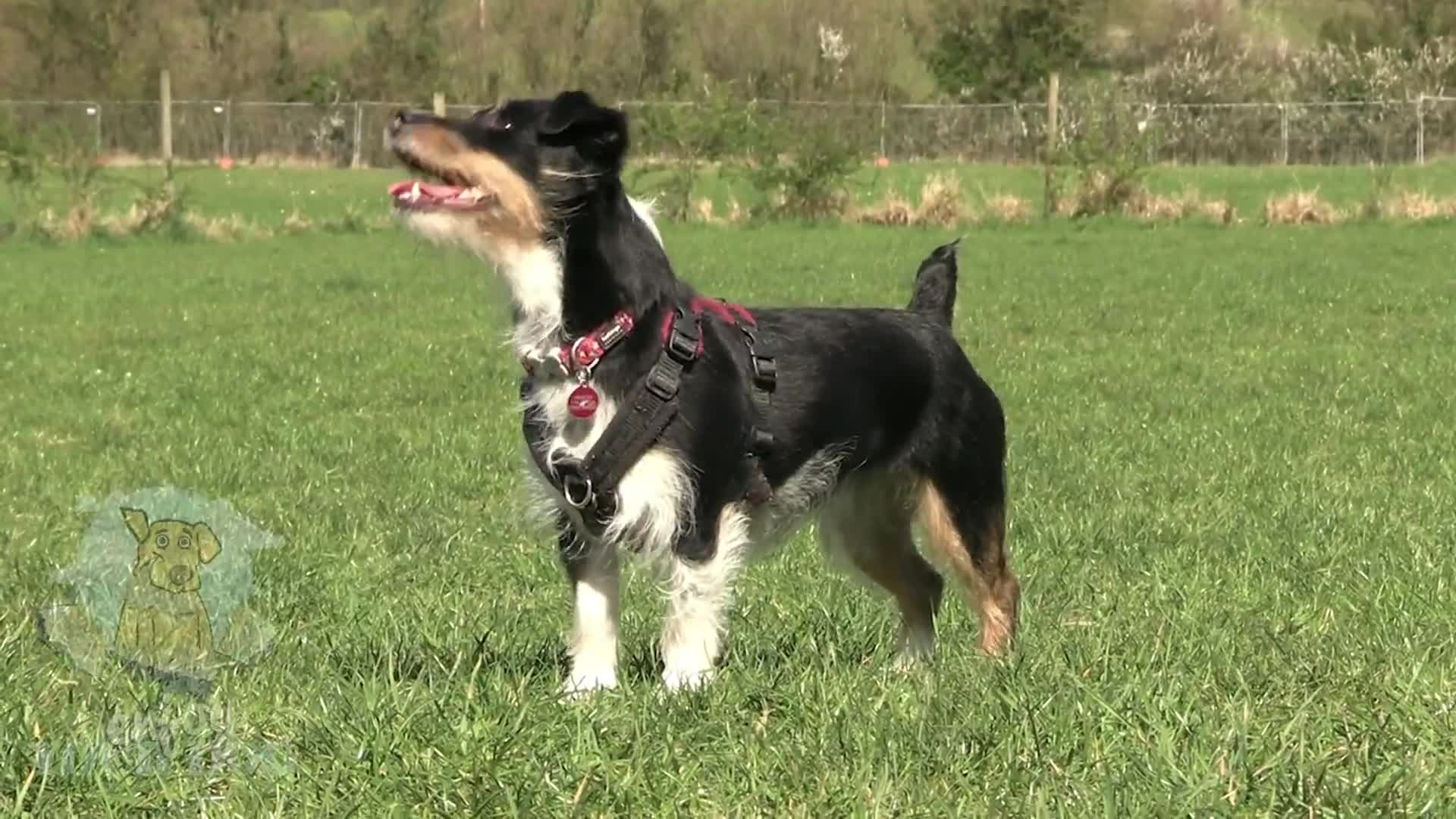
Using a flirt pole to mimic prey, encouraging chase and capture to prevent inappropriate behaviors.