
Power-ups are simple, positive actions that can quickly boost your mood, provide strength and courage, or foster a sense of connection.
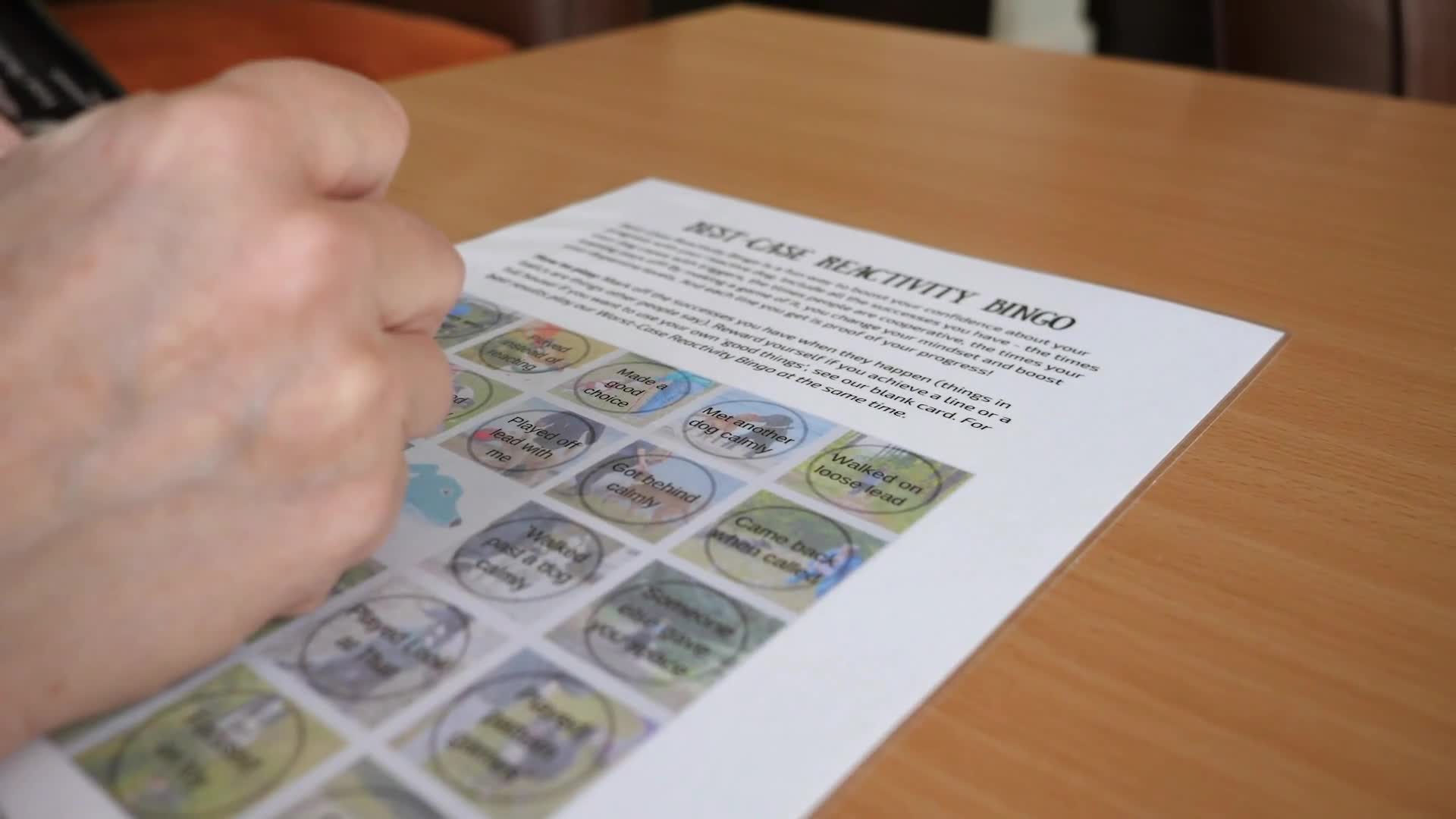
Reactivity Bingo is a fun and proactive way to shift your mindset from focusing on potential threats to embracing challenges and celebrating successes during your dog walks.

The Three Accounts game is a useful tool for shifting your mindset and managing emotional reactions.

Deep breathing techniques, like box breathing, can indeed be very effective for calming oneself in stressful situations.

The "countdown to calm" is a grounding exercise designed to reduce anxiety and help you become more present.

By maintaining good posture and practicing power poses, you'll not only improve your own well-being but also create a more positive and effective interaction with your dog.
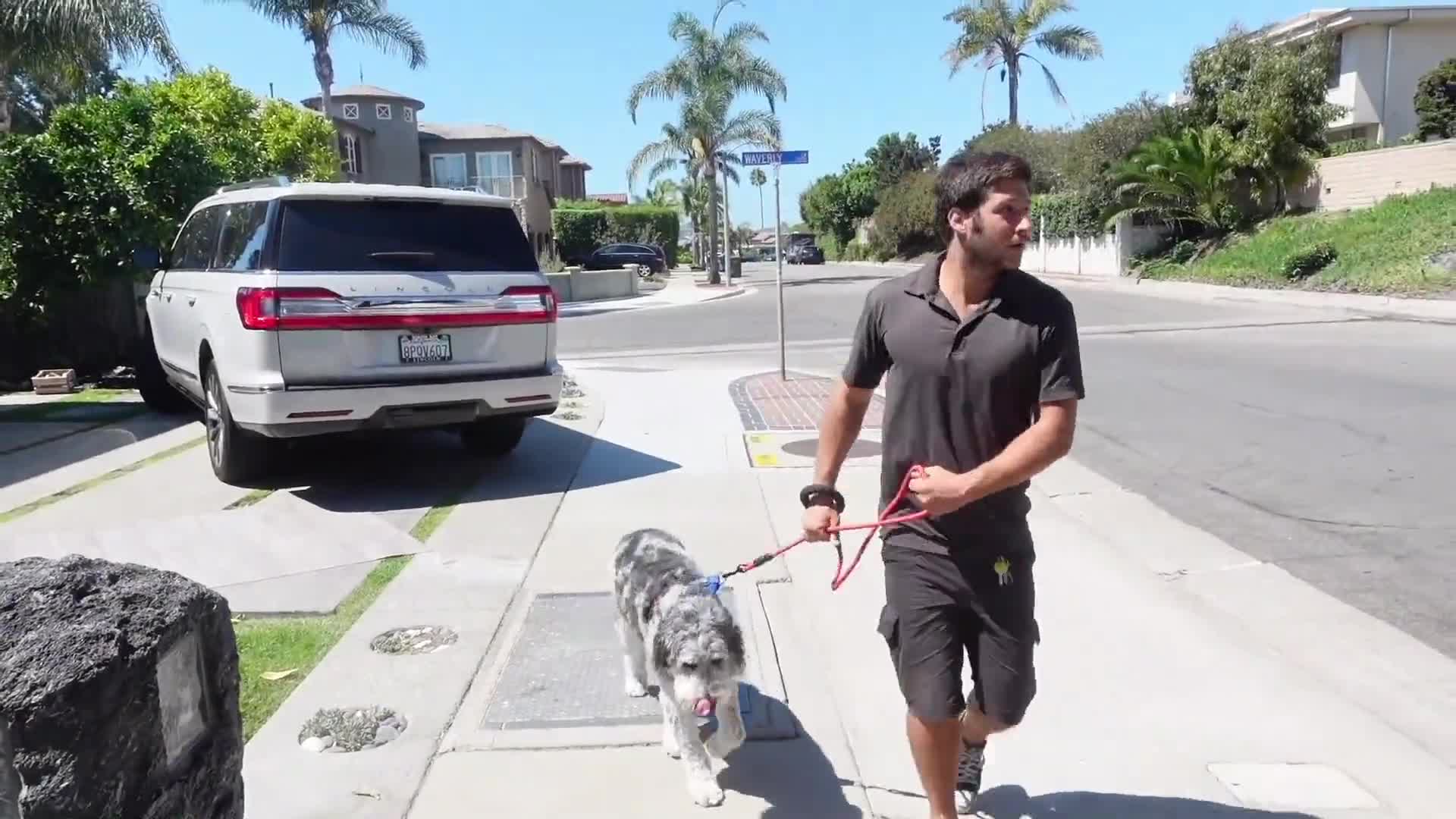
By consciously choosing a challenge mindset and incorporating games into your routine, you can create a more positive and effective approach to working with your reactive dog.

Shifting Perspectives on Your Dog
The way you think and talk about your dog can significantly impact both your own perceptions and how others perceive them. Here’s how you can use positive language to foster a healthier mindset and interaction with your dog:
1. Avoid Negative Labels
Impact of Labels: Continually labeling your dog as difficult, naughty, stubborn, or crazy can reinforce negative behaviors and perceptions.
Shift in Perception: Instead of labeling, focus on describing specific behaviors or situations. For example, rather than calling your dog stubborn, describe the behavior: "He paused suddenly on the street."
2. Understanding Behavior
Exploring Reasons: Recognize that behaviors often have underlying reasons, such as discomfort, pain, environmental factors, or sensory awareness.
Observation: Without preconceived labels, you’re more likely to observe and address these underlying issues effectively.
3. Positive Descriptors
Empowering Language: Choose positive descriptors that highlight your dog’s strengths and improvements.
Examples: Playful, affectionate, improving, curious, attentive, adaptable.
4. Influencing Others’ Perceptions
Communication: When communicating about your dog to others, use positive language to convey their personality and progress.
Educate: Inform others about your dog’s needs (like needing space) without painting a negative picture. For instance, "He's still learning to be comfortable in new environments."
5. Mindful Language Use
Impact on Training: Positive language can enhance training outcomes by promoting a supportive and encouraging environment.
Self-Reflection: Regularly assess how your words and thoughts about your dog influence your interactions and perceptions.
Words shape our perceptions and behaviors toward our dogs. By using positive, descriptive language and avoiding negative labels, you can foster a more understanding and supportive relationship with your dog. Remember, how you think and talk about your dog matters—make your words count towards building a positive and empathetic connection.