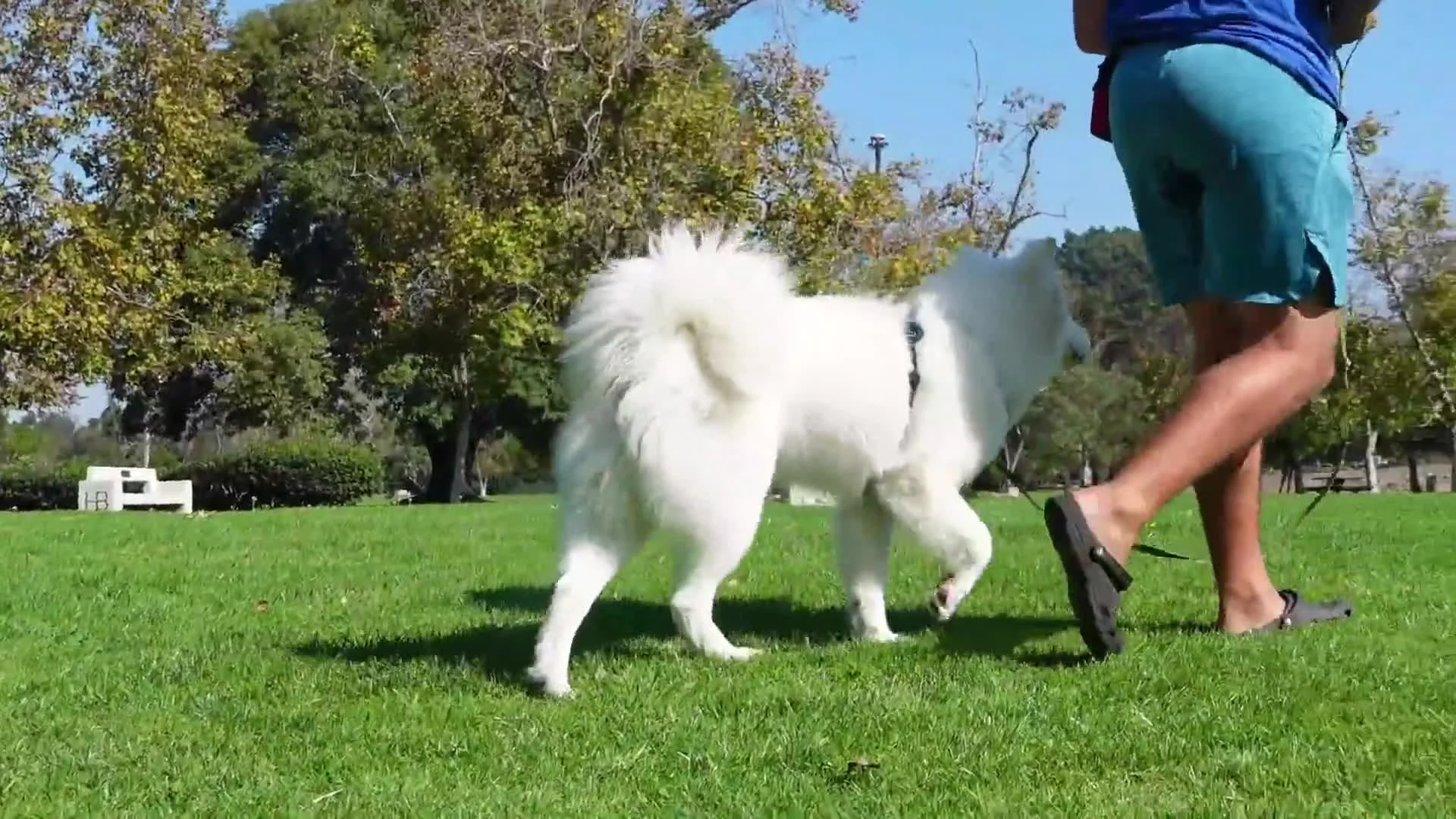
A playful and effective method to safely guide your dog past challenging situations.
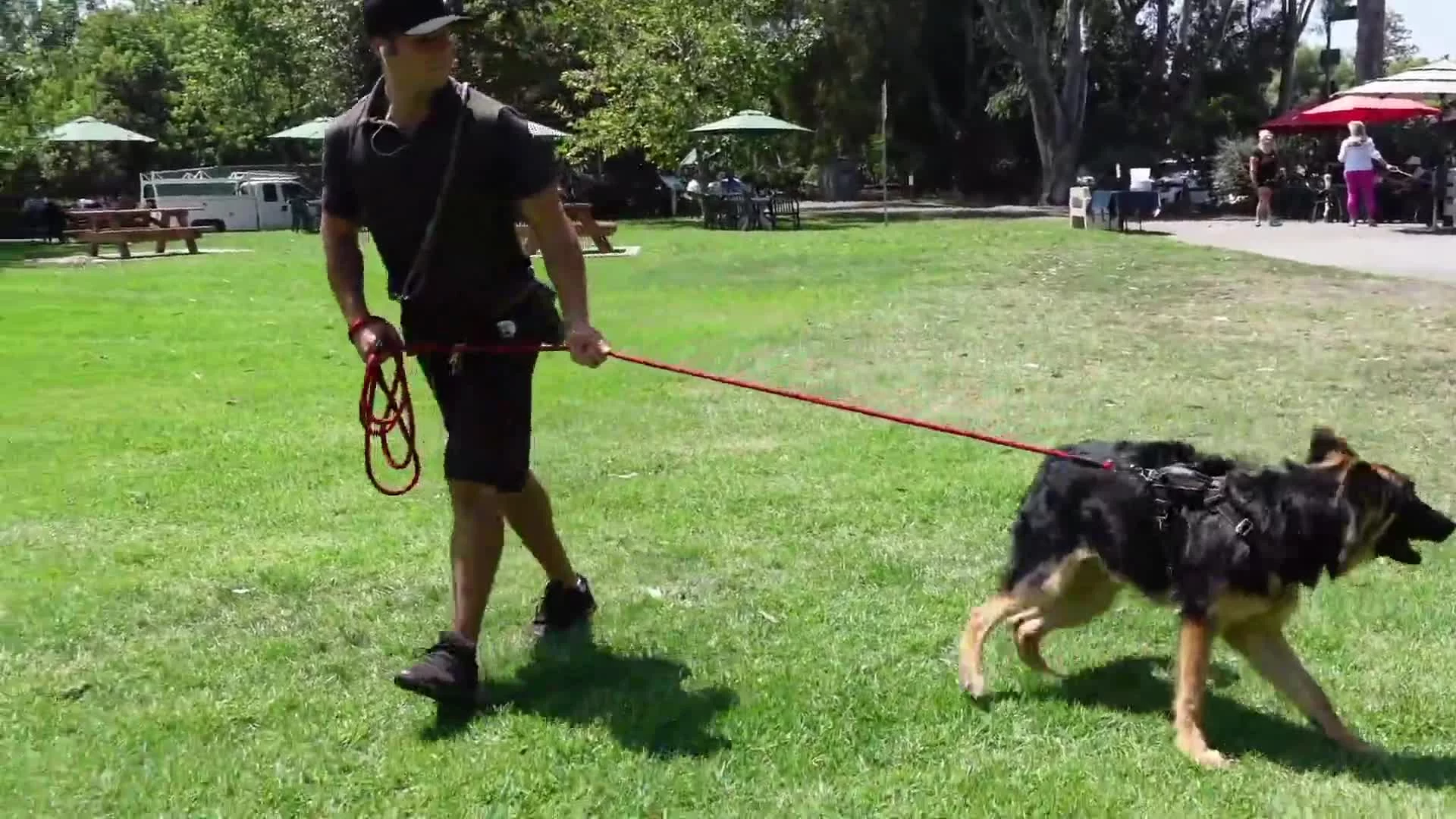
This approach focuses on understanding the underlying reasons for reactivity and providing constructive alternatives, ultimately fostering a calmer and more confident dog.
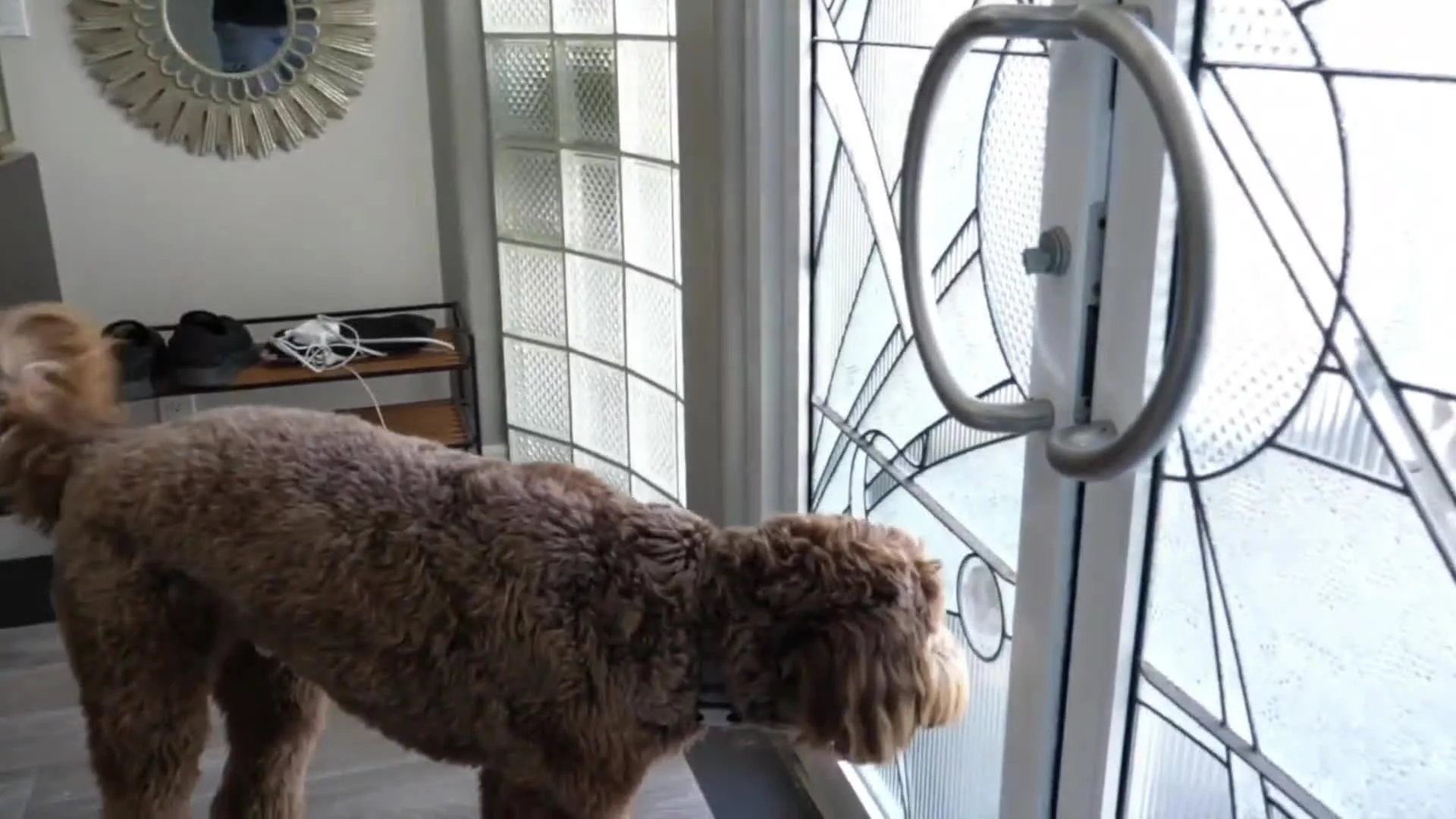
When addressing behavior, it's crucial to focus on teaching your dog what to do instead of just trying to stop unwanted actions.
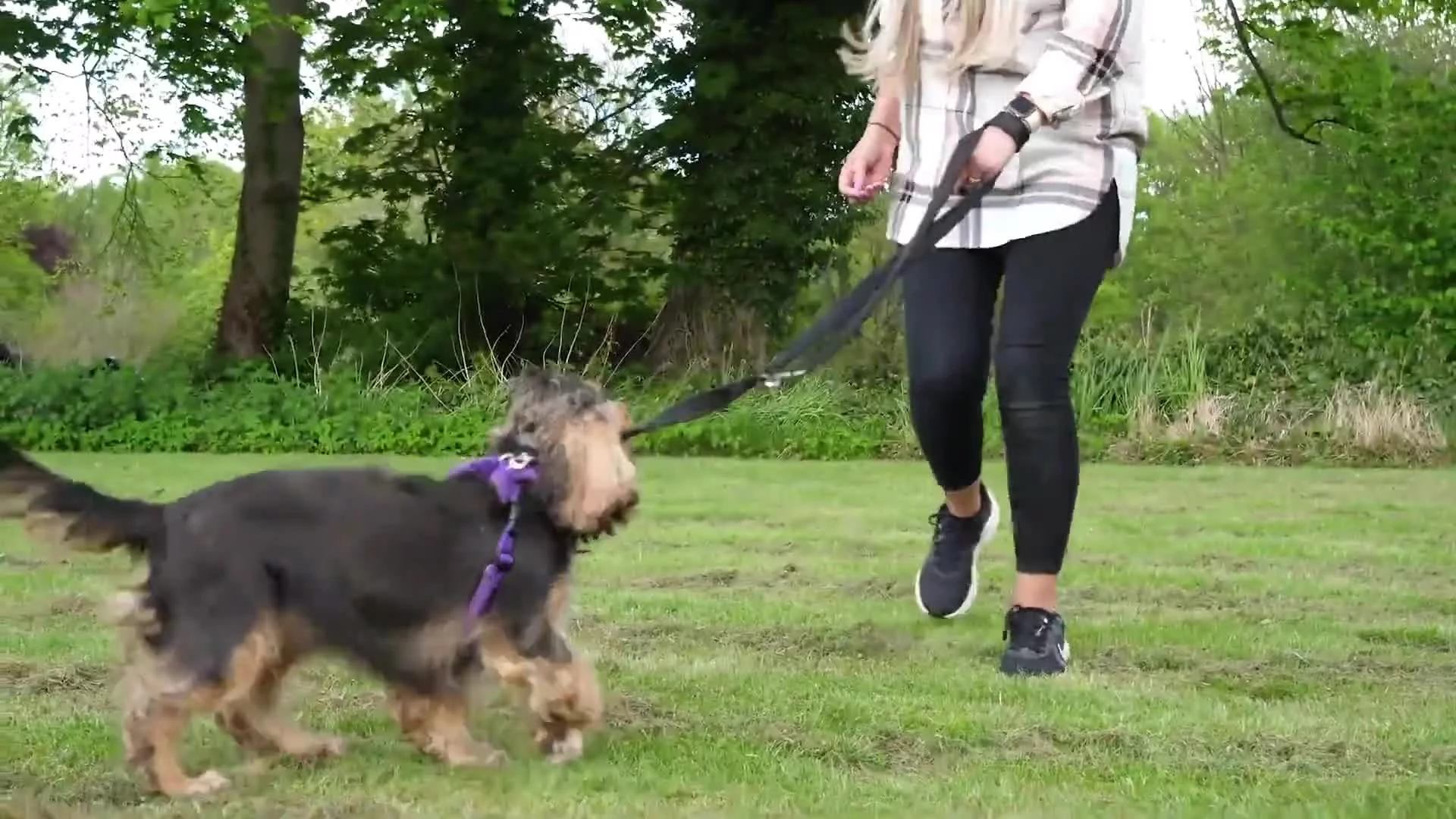
"Back Up and Treat" is a simple and effective game designed to help you and your dog quickly and calmly move away from a potentially scary situation, such as another dog approaching. Here's how to get started:
1. Preparation
Gather some of your dog's favorite, easy-to-eat treats.
Choose a distraction-free area, like your home or yard.
2. Initial Training:
Start with your dog beside you.
Walk forward a few steps, then hold a treat in front of your dog's nose.
Quickly move backward, leading your dog to follow the treat and turn to face you.
As your dog follows and turns, mark the behavior (using a clicker or a verbal cue like "yes") and reward them with the treat.
Repeat this process until your dog quickly turns and follows you as soon as you move backward.
3. Advanced Training:
Once your dog consistently follows the treat, practice without holding the treat in your hand. The goal is for your dog to respond to your movement rather than just the treat.
Start with straight lines, then introduce changes in direction, such as moving at right angles, to guide your dog out of the path of oncoming danger.
4. Real-World Application:
Practice in various environments to help your dog generalize the behavior.
Vary the rewards to maintain your dog's interest and ensure they respond even if you forget your treat bag.
By practicing "Back Up and Treat," you'll be able to effectively manage situations in which you need to avoid your dog seeing or reacting to something scary while maintaining their focus on you.
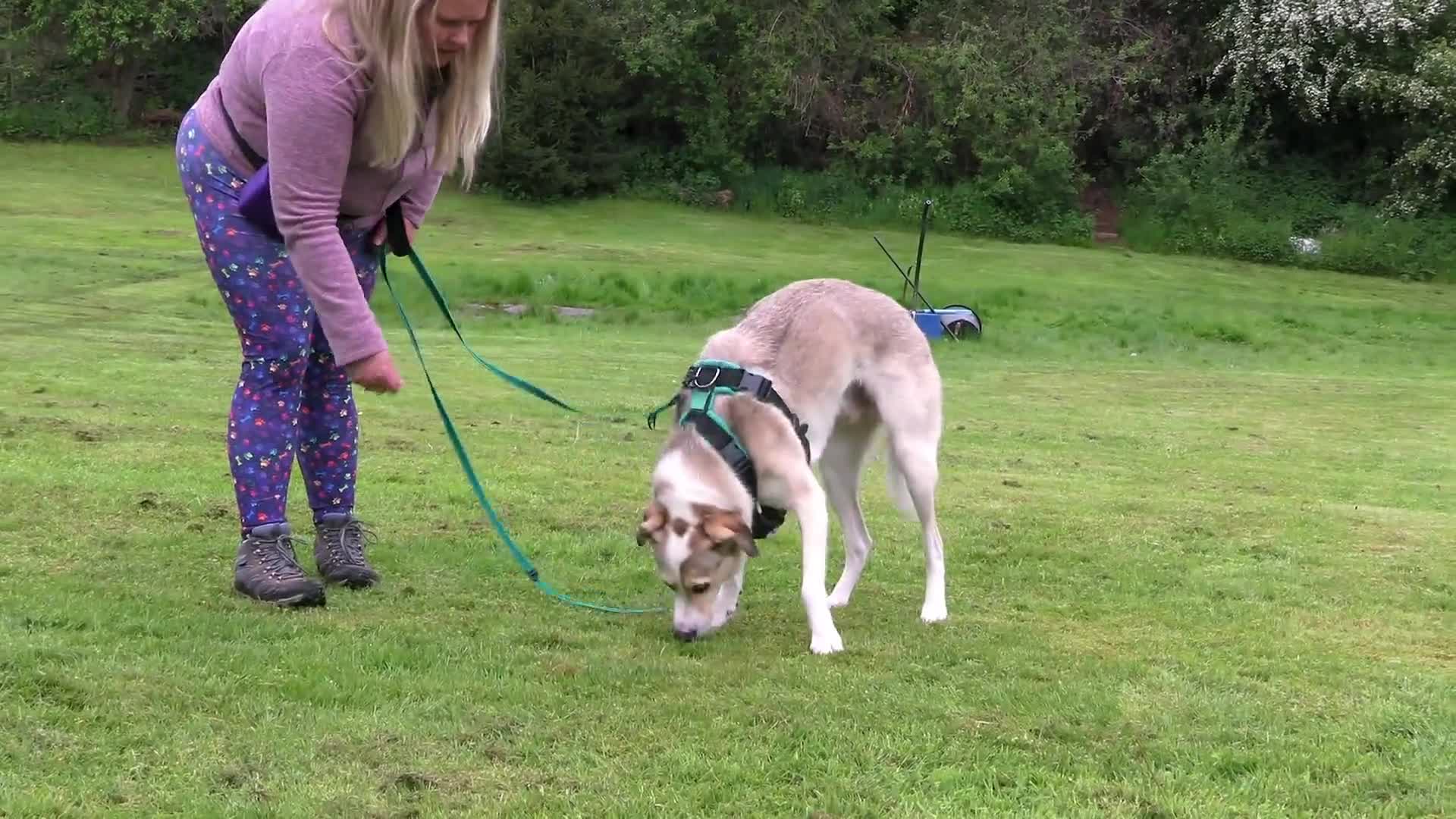
Understanding your dog's behavioral responses is crucial for recognizing their comfort levels and addressing any potential concerns before they escalate.
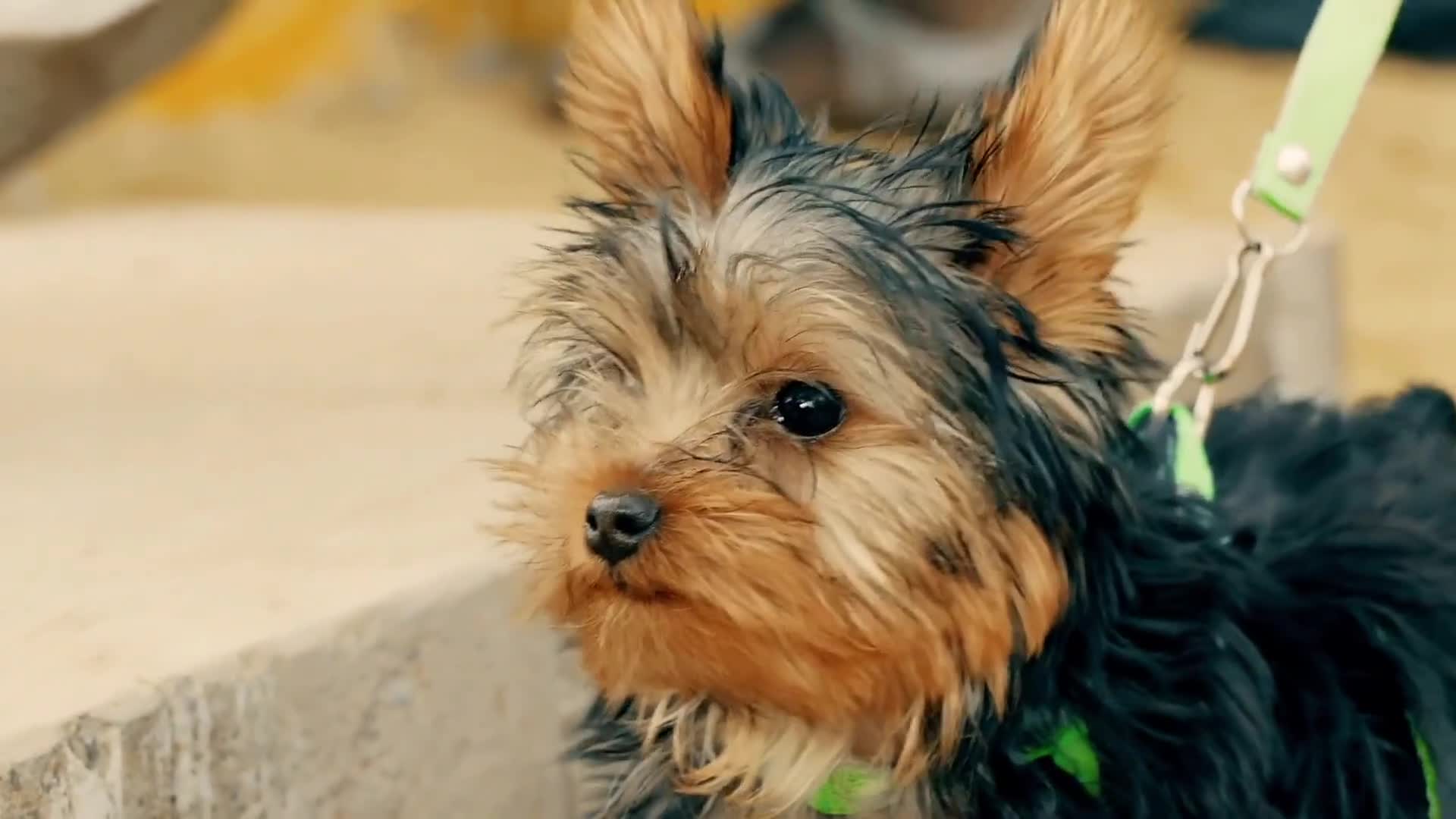
Understanding your dog's ear positions can provide valuable insights into their emotional state and help you respond appropriately.
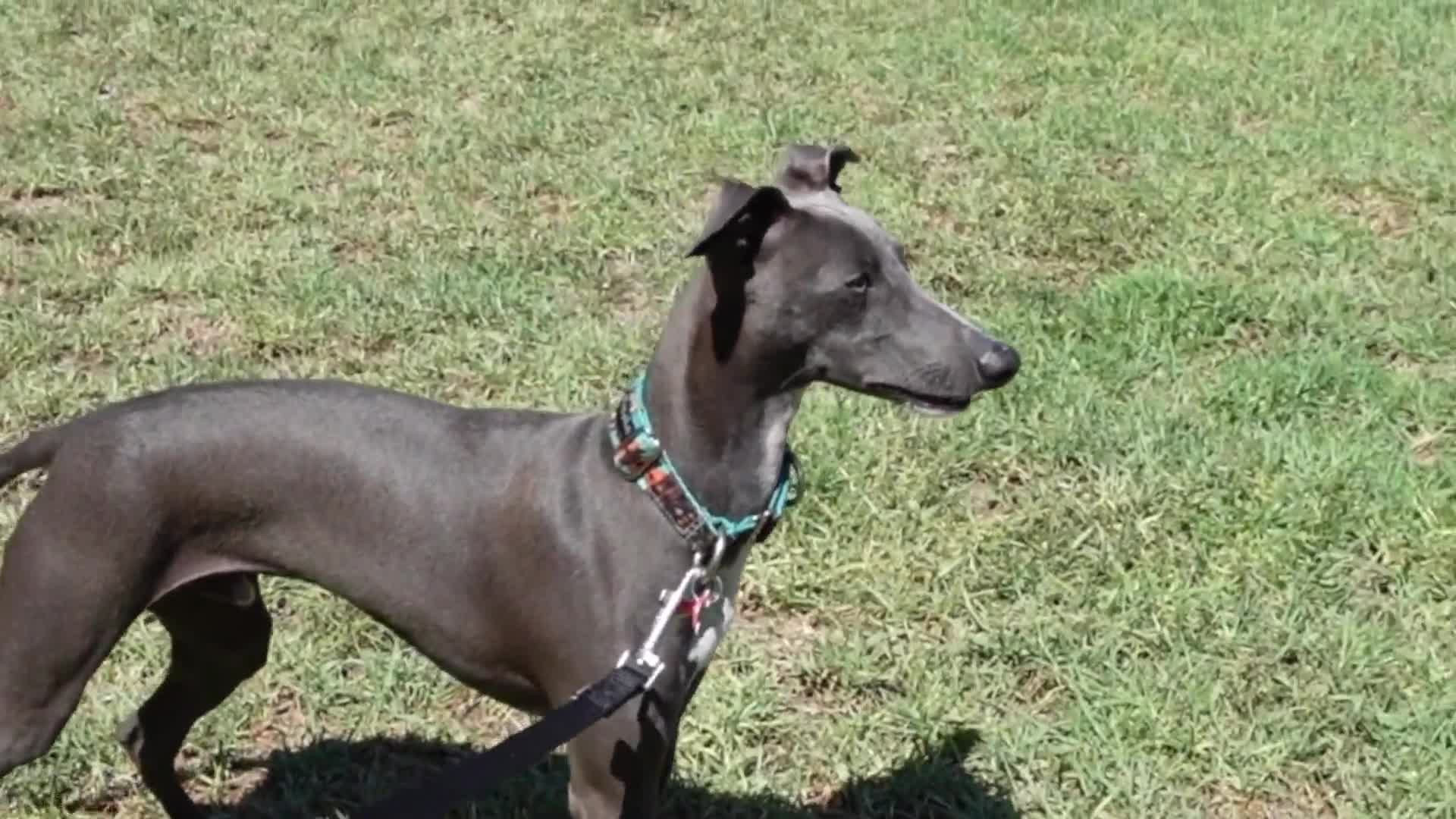
Understanding your dog's mouth movements and what they communicate is crucial for interpreting their feelings and responding appropriately.
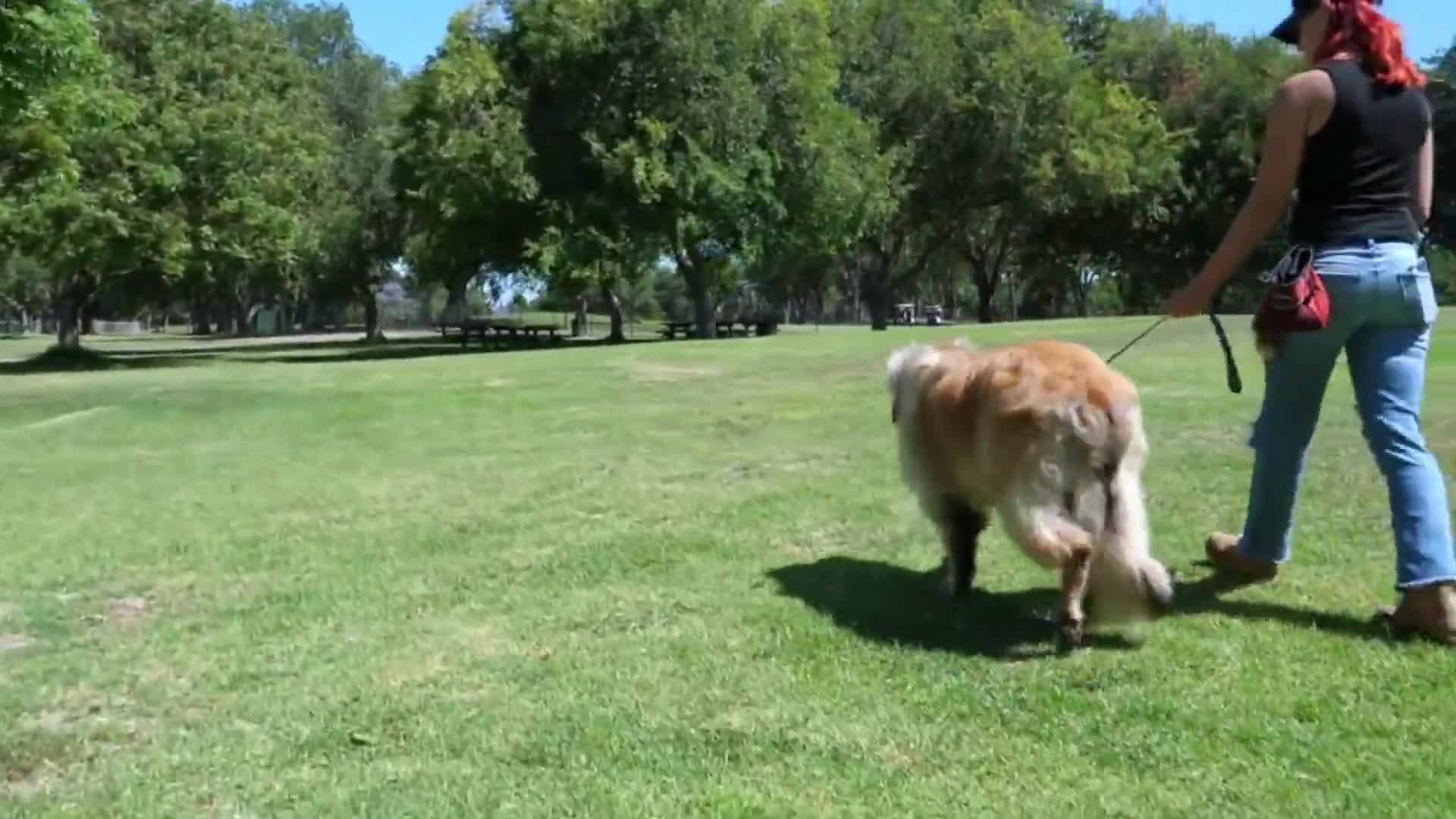
Understanding your dog's movement and how they navigate their environment can provide valuable insights into their emotional state and help you support them effectively.
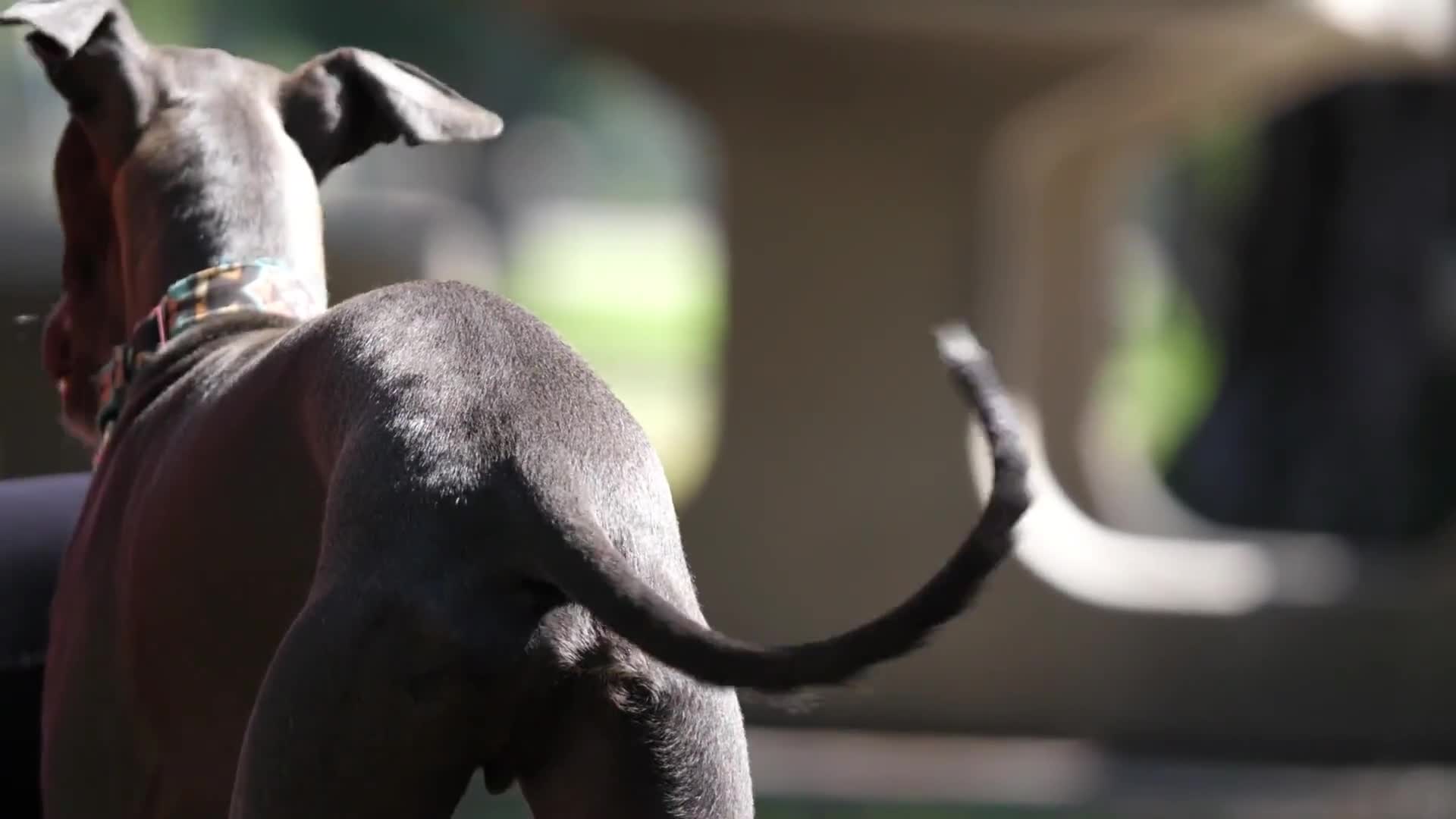
Understanding your dog's tail language is crucial for interpreting their emotional state and responding appropriately.
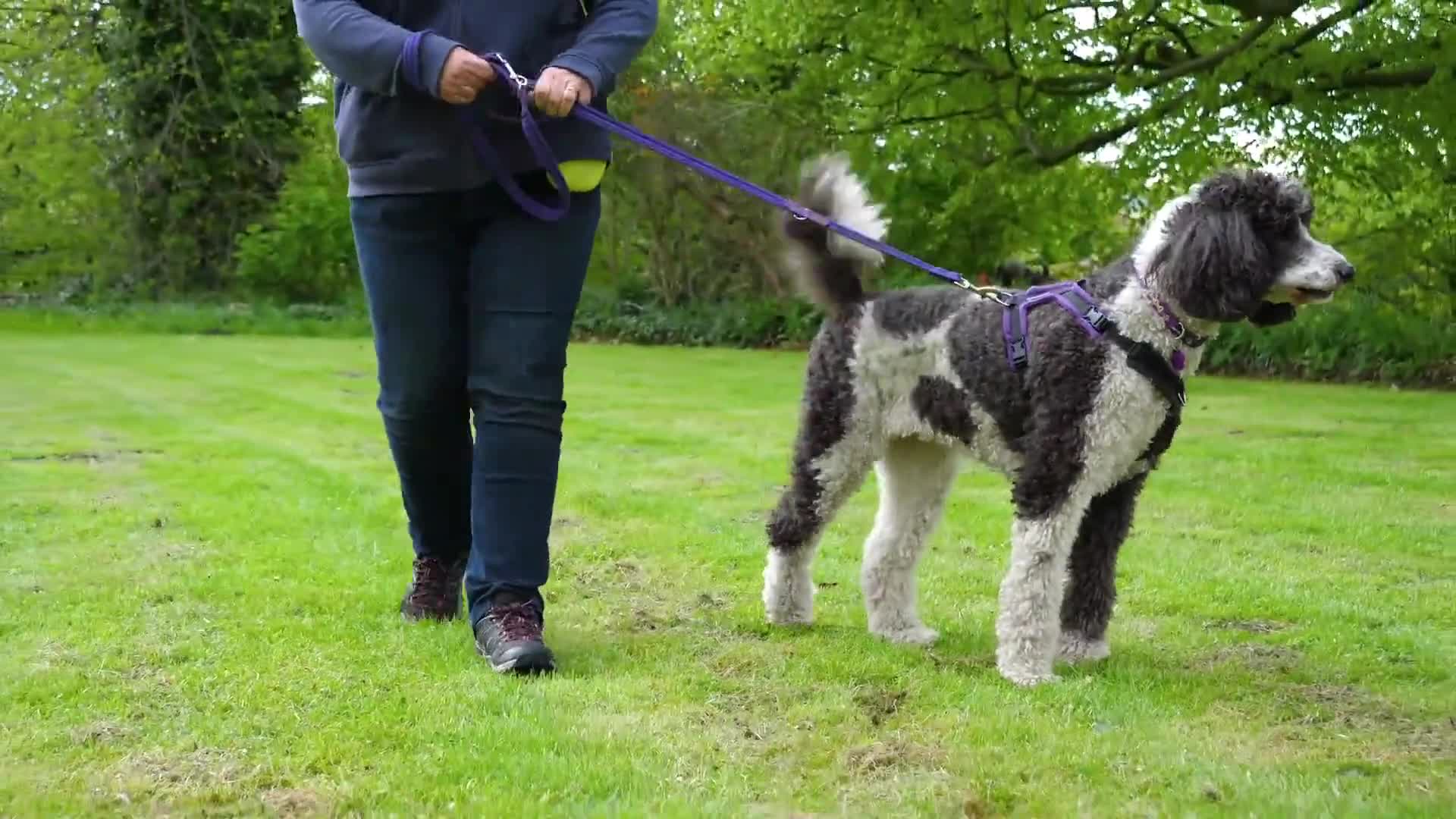
When addressing reactivity, don't just focus on your dog or how to stop unwanted behaviors.
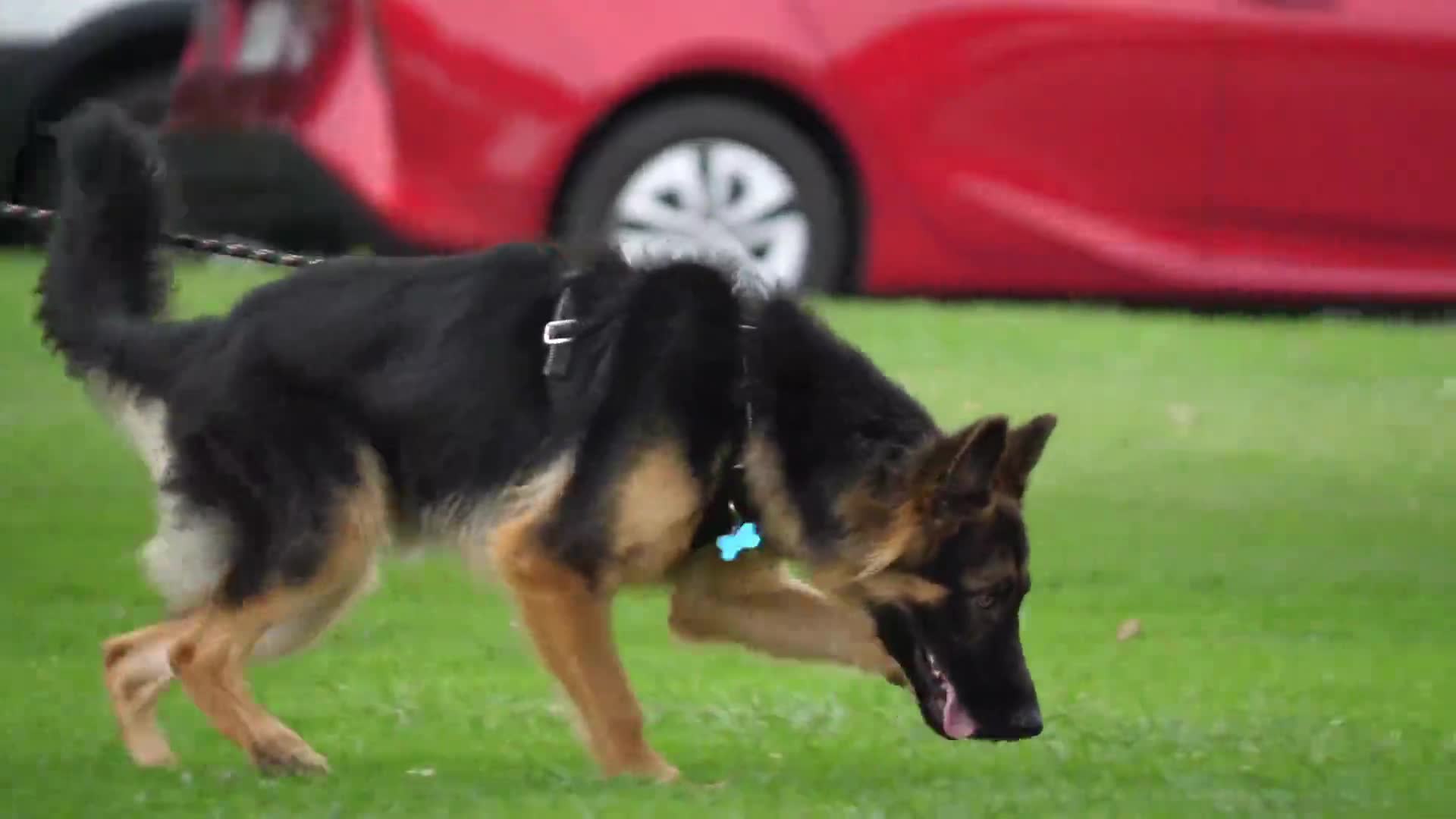
Slowing down or stopping your dog's movement towards a trigger is a crucial skill in managing their reactivity.
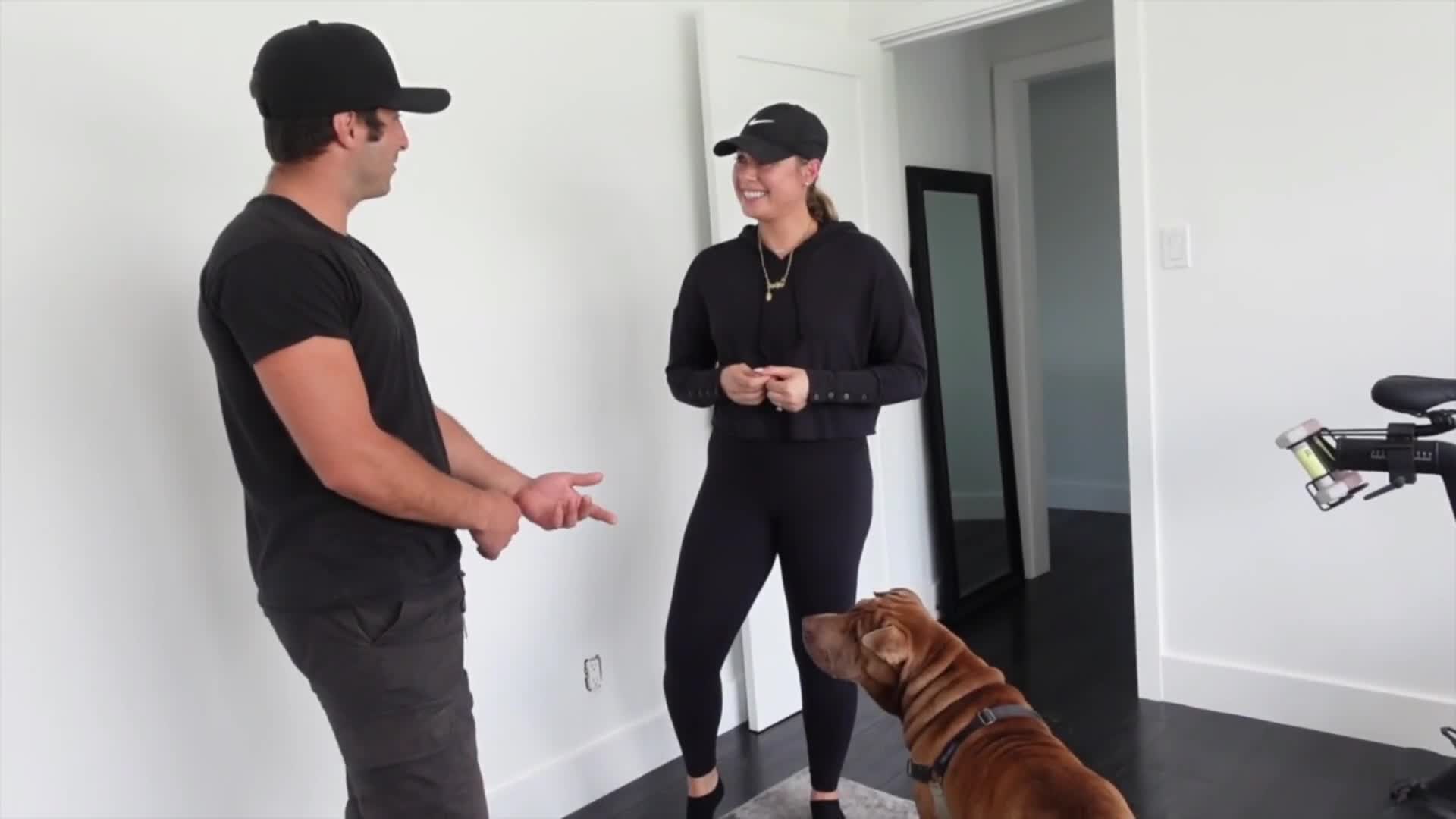
Describing your dog's behavior accurately and in detail is indeed crucial for effective communication with trainers, behaviorists, or veterinarians.
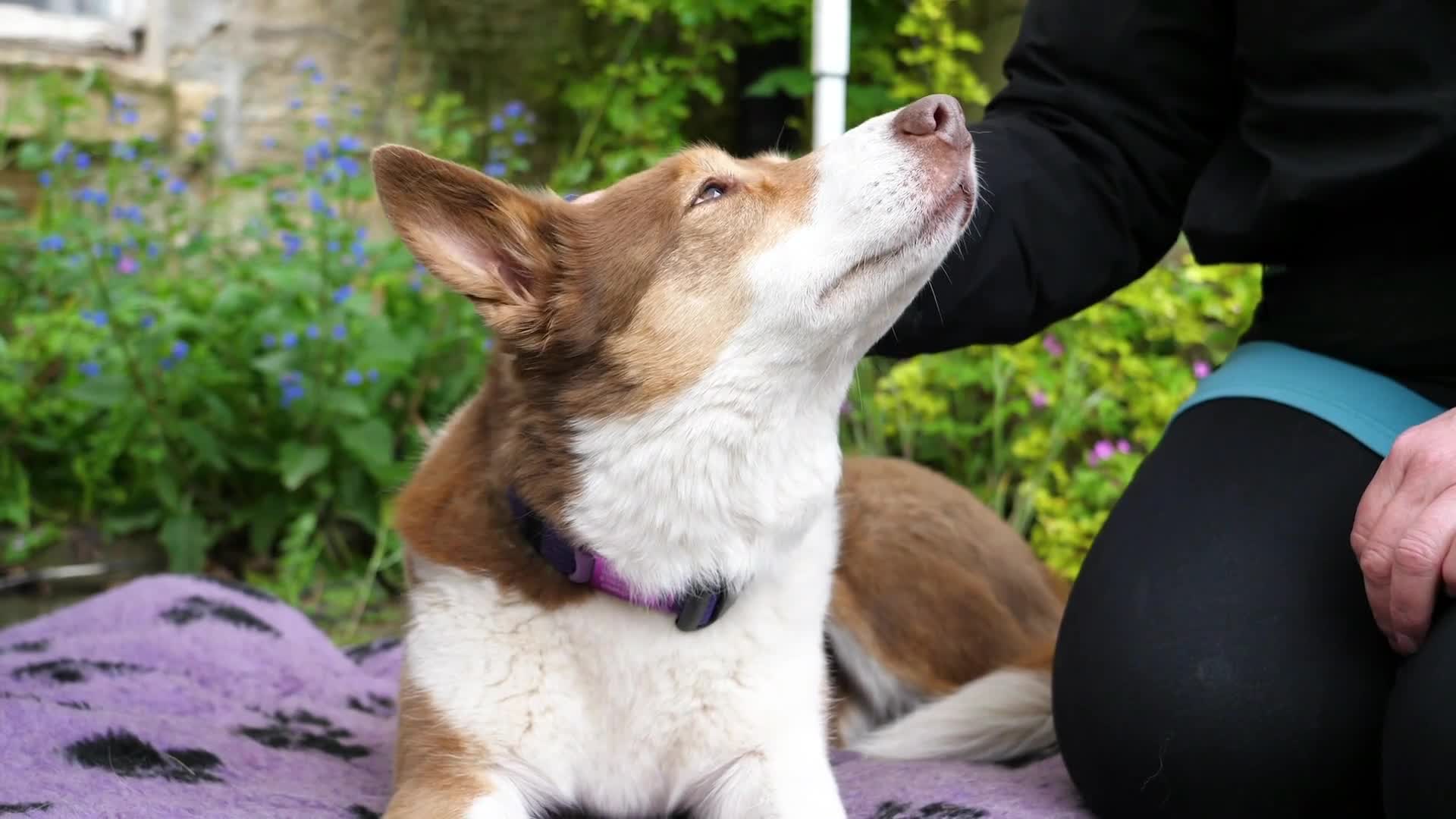
The Ear TTouch technique is designed to release tension in a dog's head and neck while promoting relaxation by lowering respiration and heart rates.
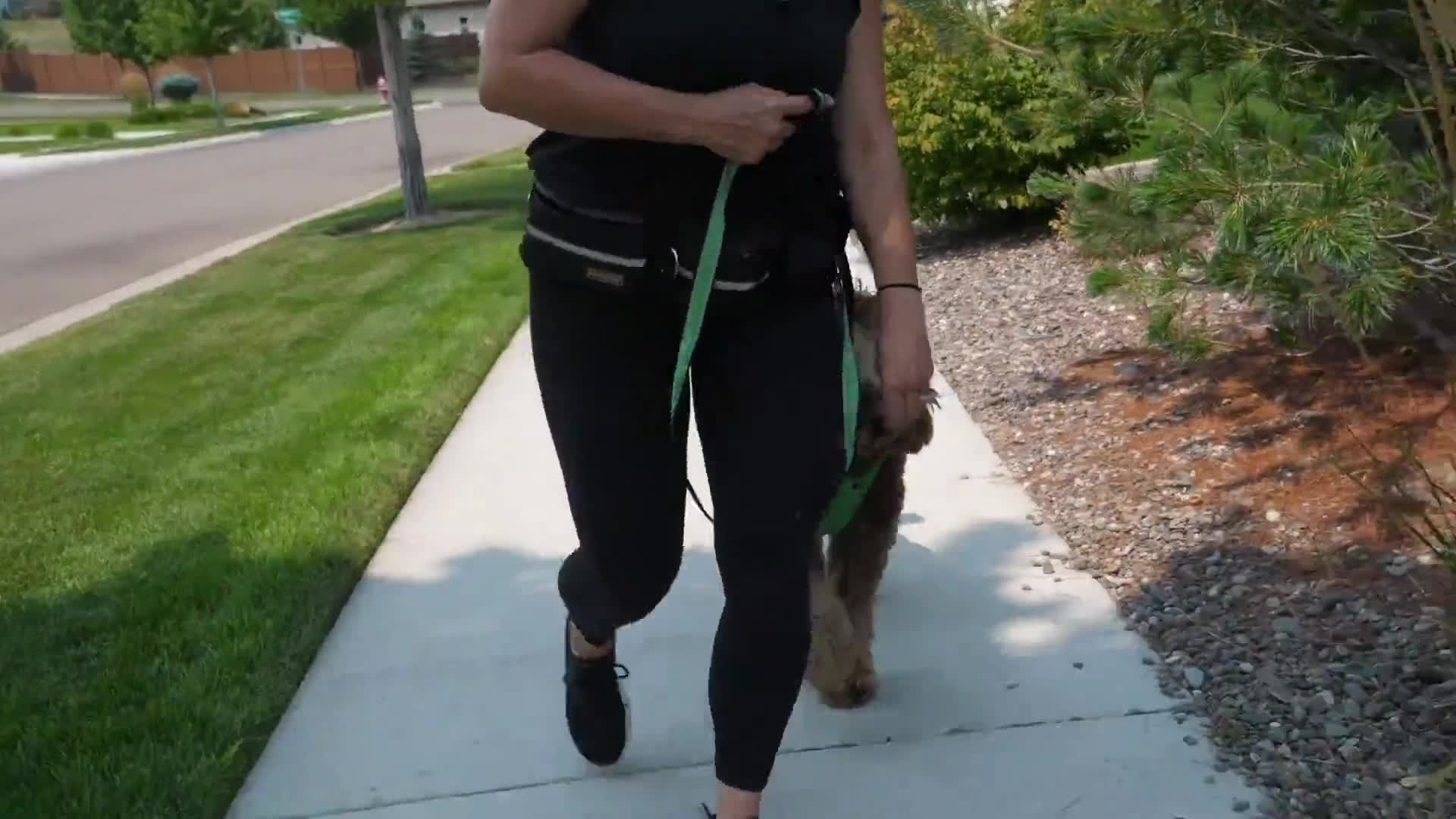
When you find yourself in challenging situations, having strategies in place can help you remain calm and support your dog.

Free Work Enrichment is a fantastic way to help your dog become more comfortable around things that concern them, whether it's objects, other dogs, or people.
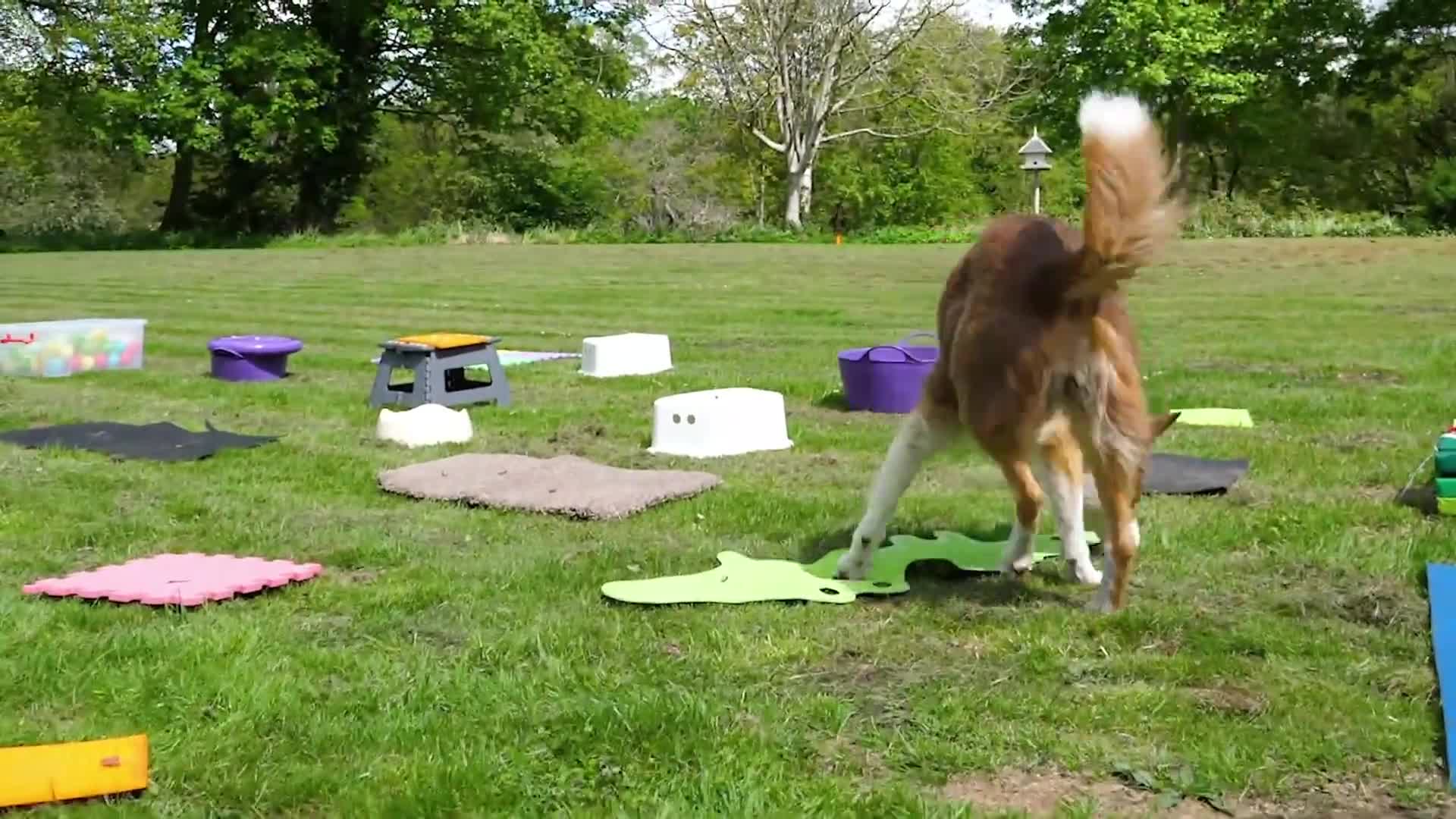
Enrichment games that engage your dog's senses can be a fantastic way to promote calmness and relaxation.
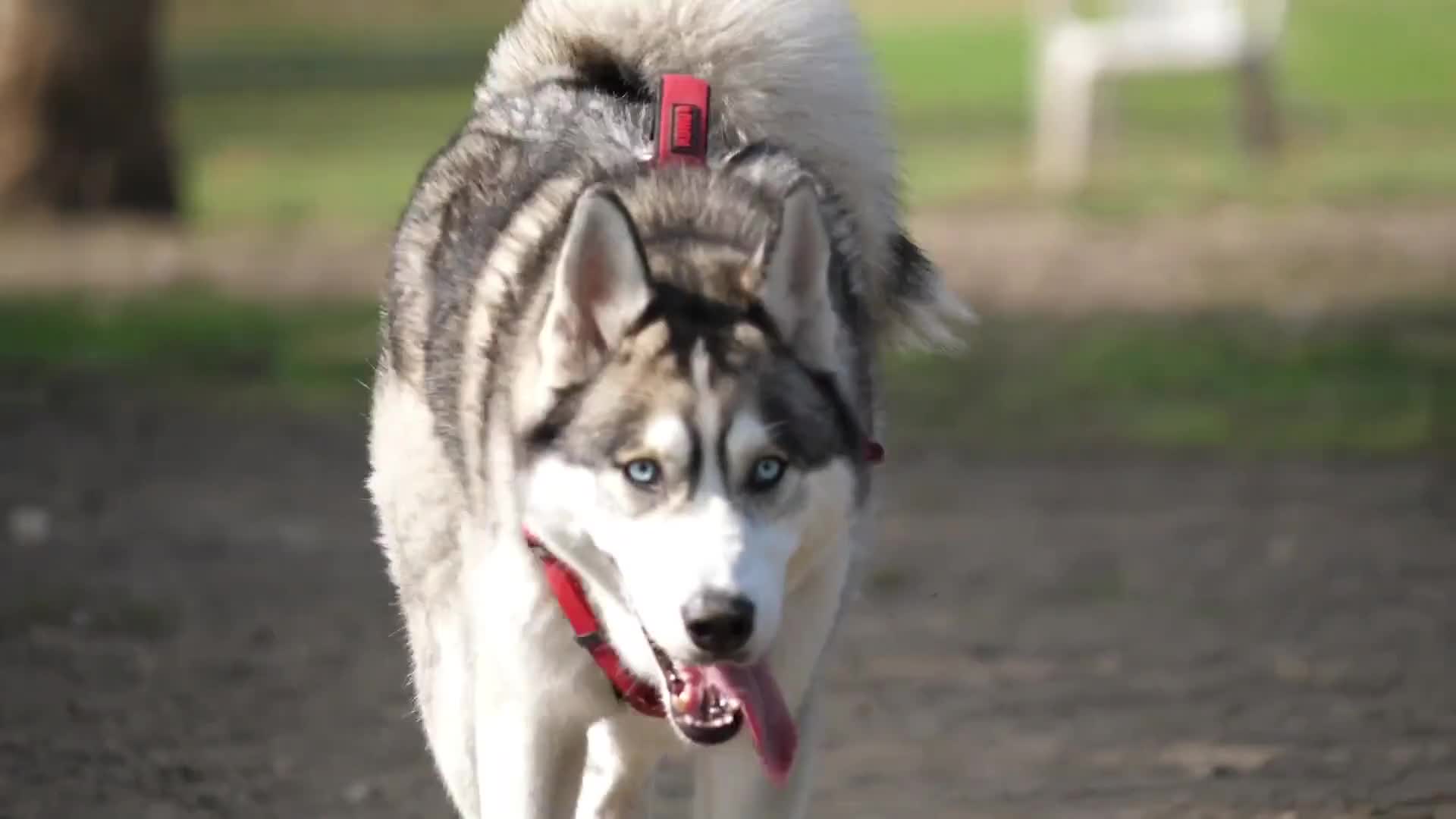
For your dog to truly thrive, they need appropriate opportunities for exercise, enrichment, and play.
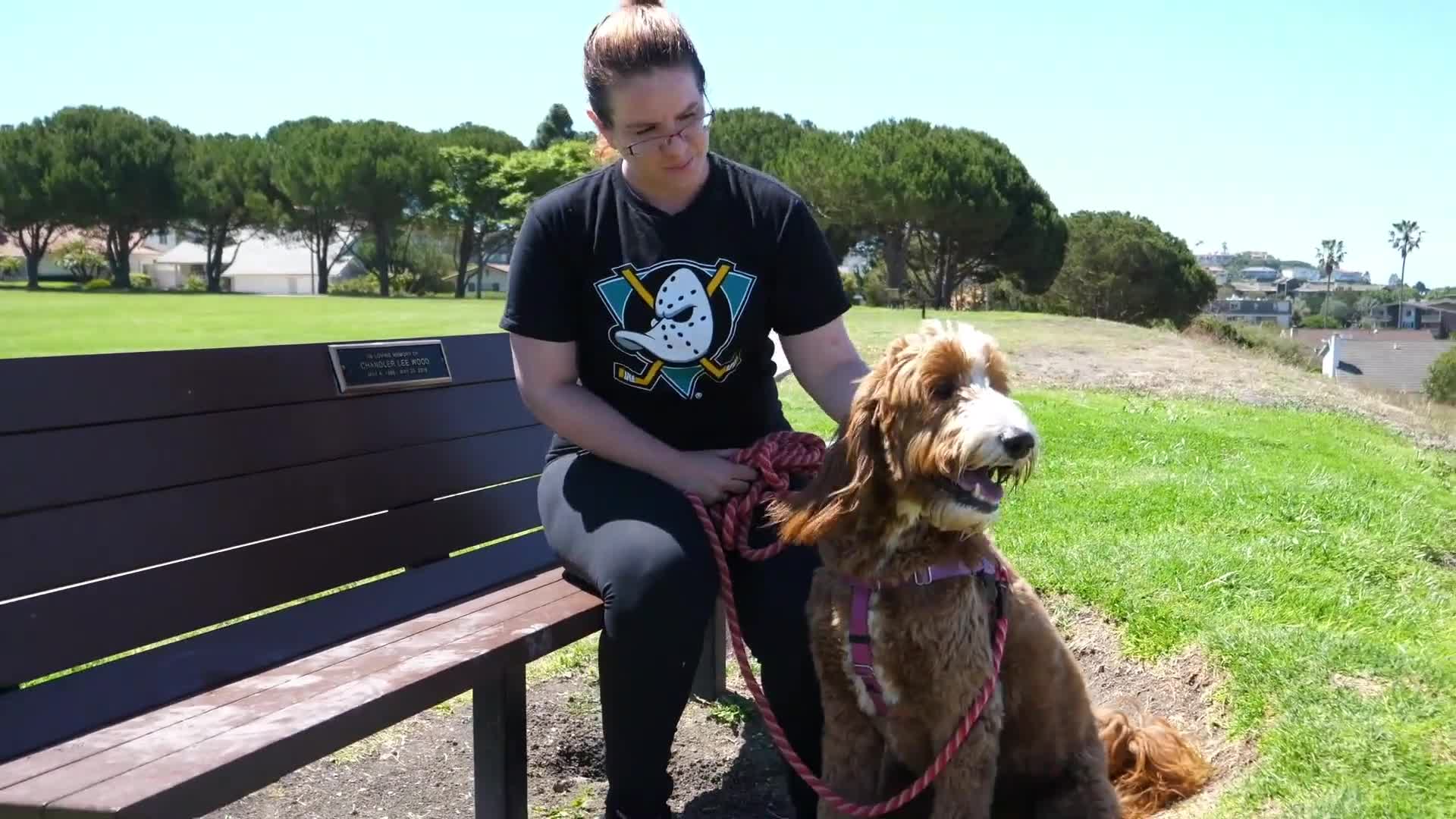
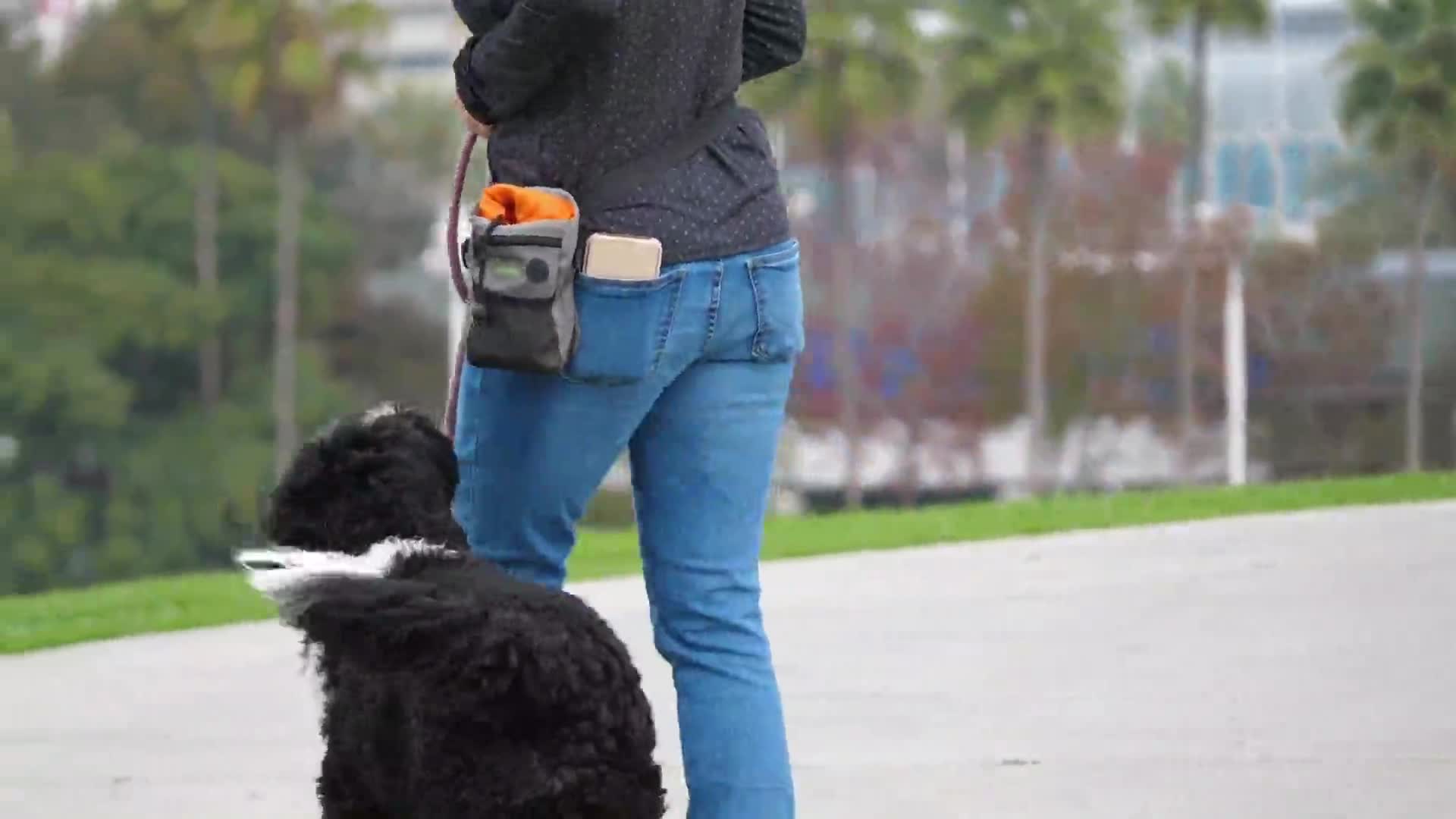
The Figure 8 exercise can indeed be a valuable tool for helping to calm a stressed or over-aroused dog.

Teaching your dog to focus on you is a valuable skill, especially if they struggle with reactivity.
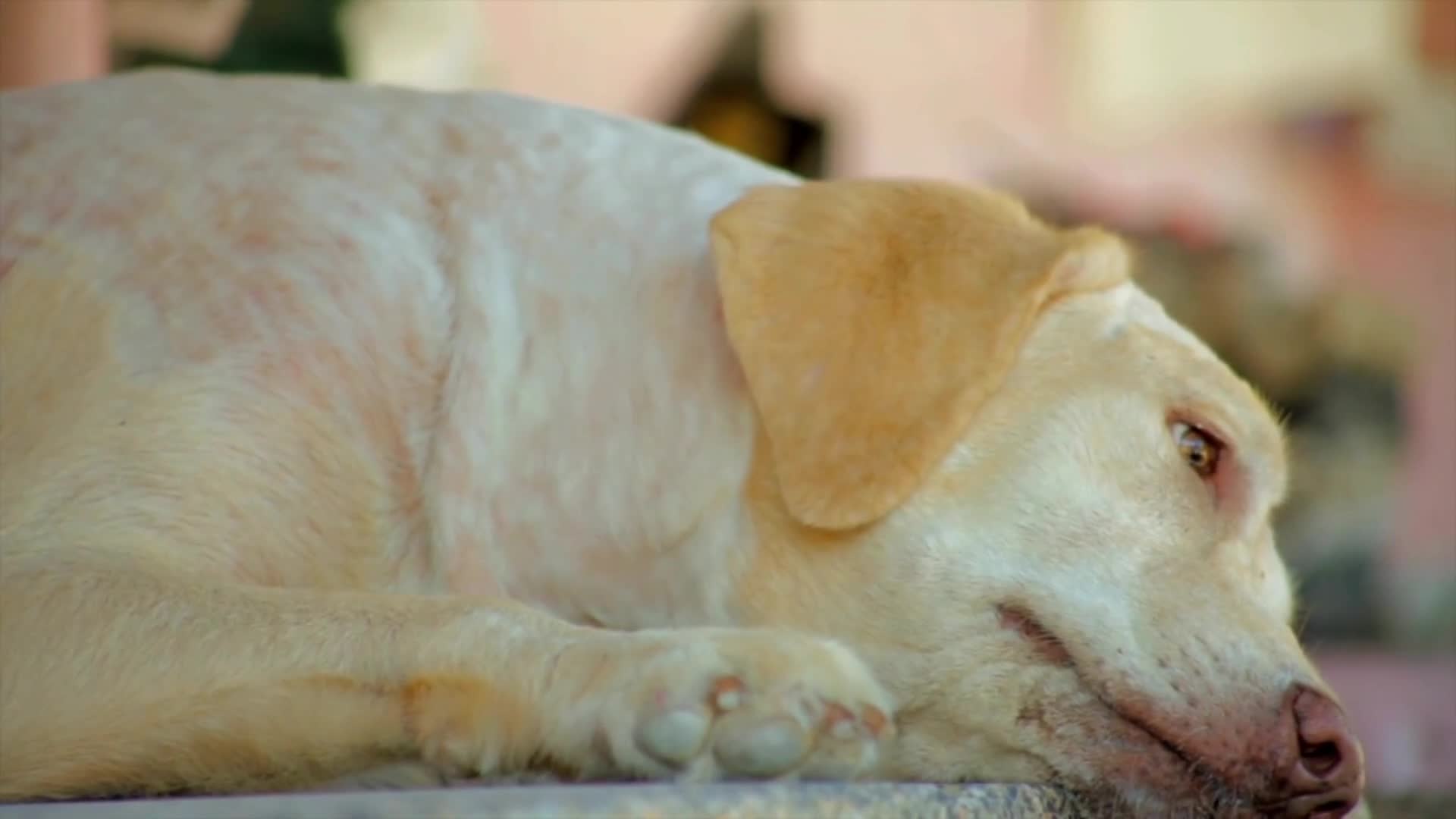
Getting enough sleep is vital for dogs, as it helps manage reactivity and maintains their overall health.

Setting clear goals is crucial for making progress with your dog, whether you're working on behavior modification, training, or enhancing your relationship.
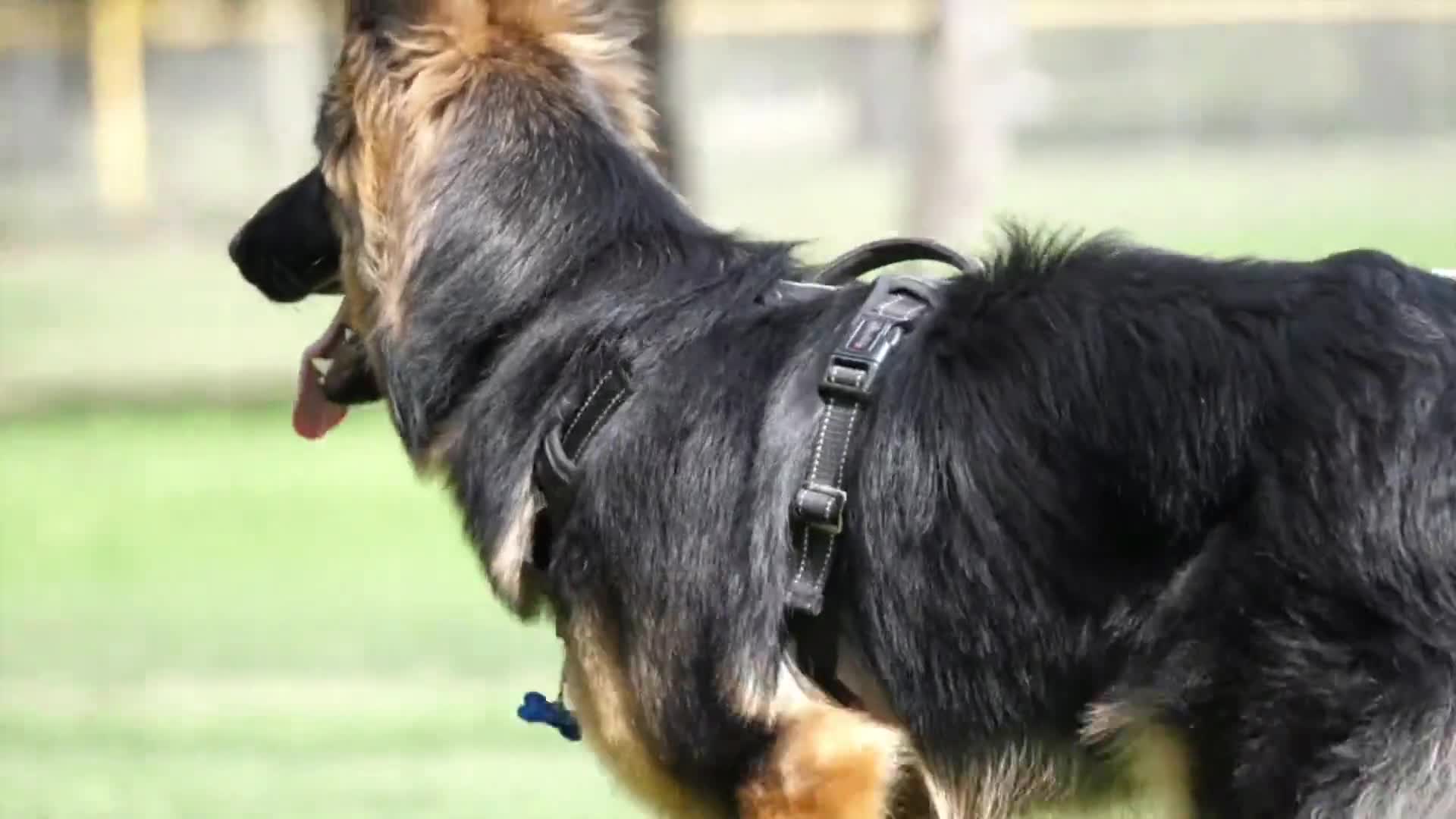
When your dog becomes fixated on something during a walk, it's important to get their attention to move away before they overreact.
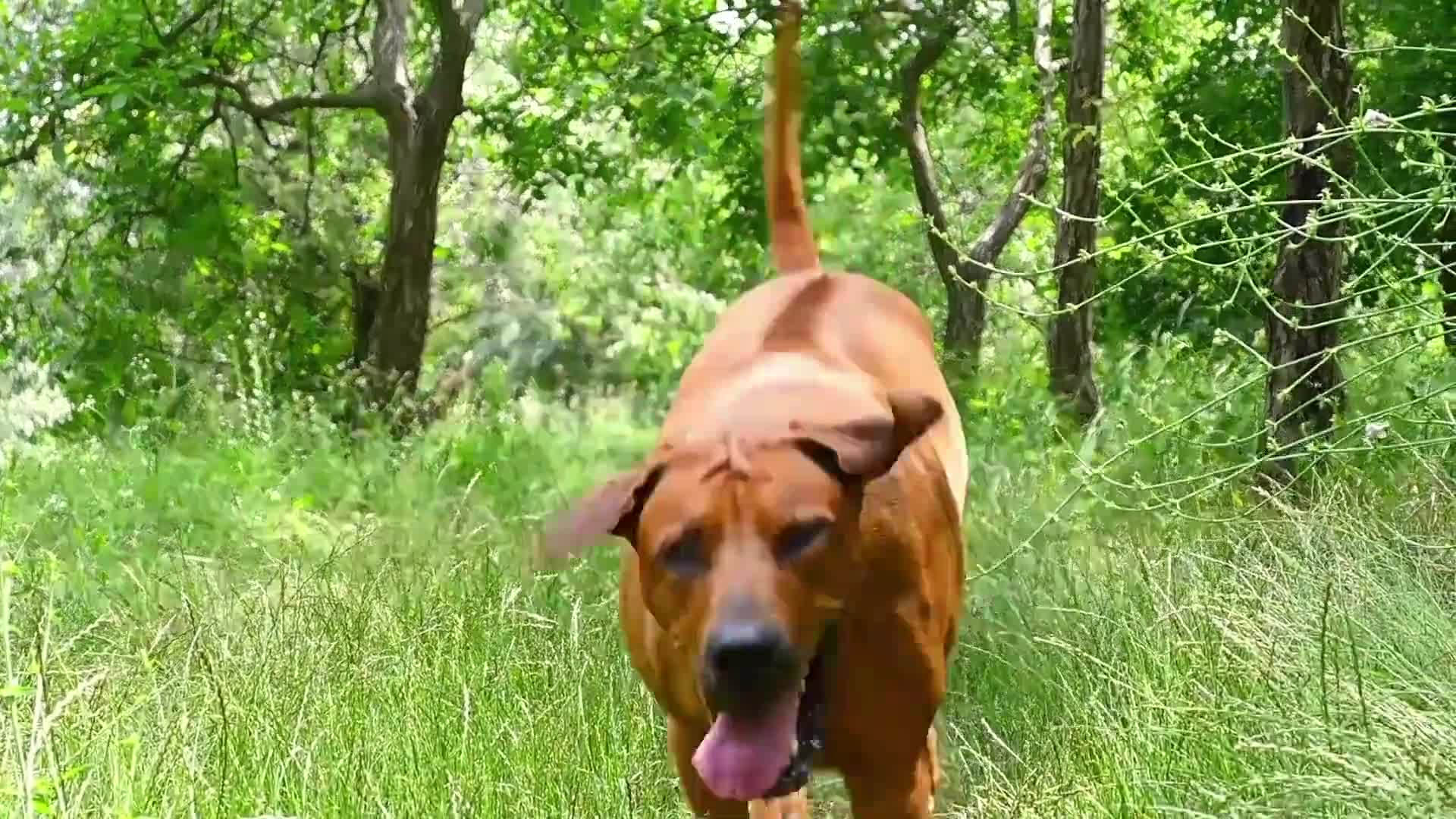
A hazard is any danger in the environment that you and your dog might encounter. While you can't always avoid hazards, being prepared can make a significant difference.
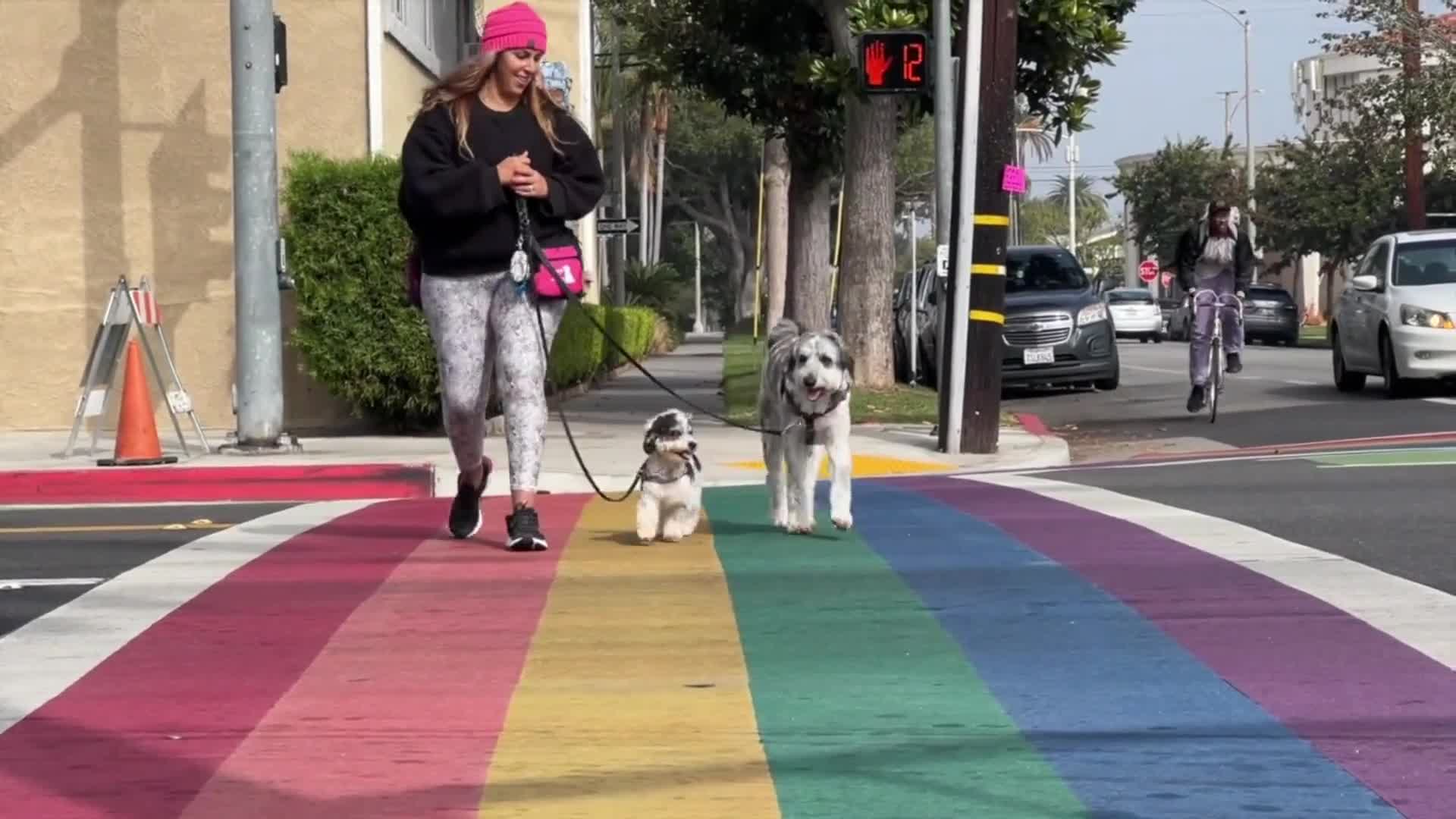
Your dedication, patience, and consistent effort in managing your dog's environment and practicing desirable behaviors will make a significant difference.
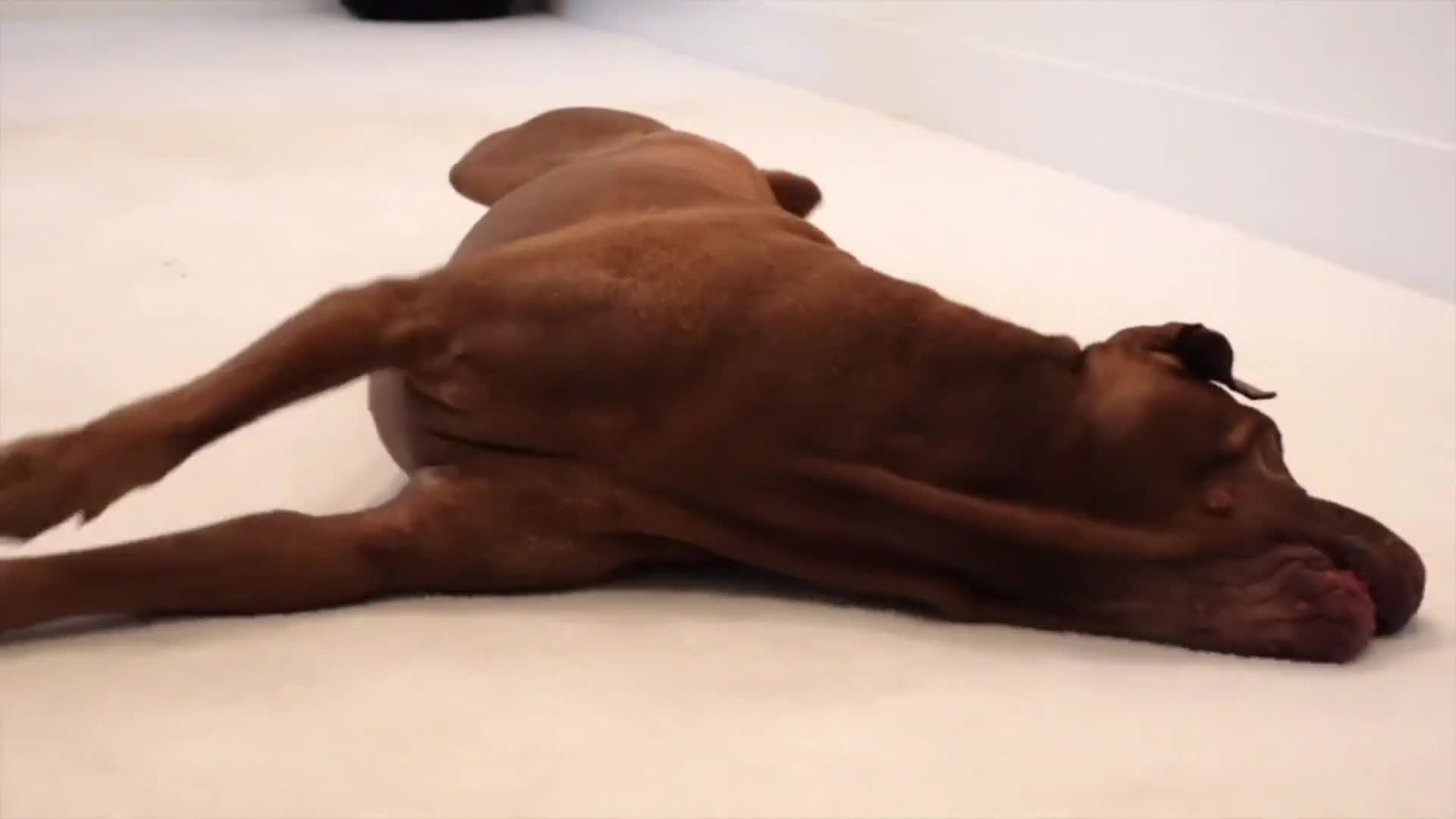
When your dog feels well, they are less likely to be overreactive.
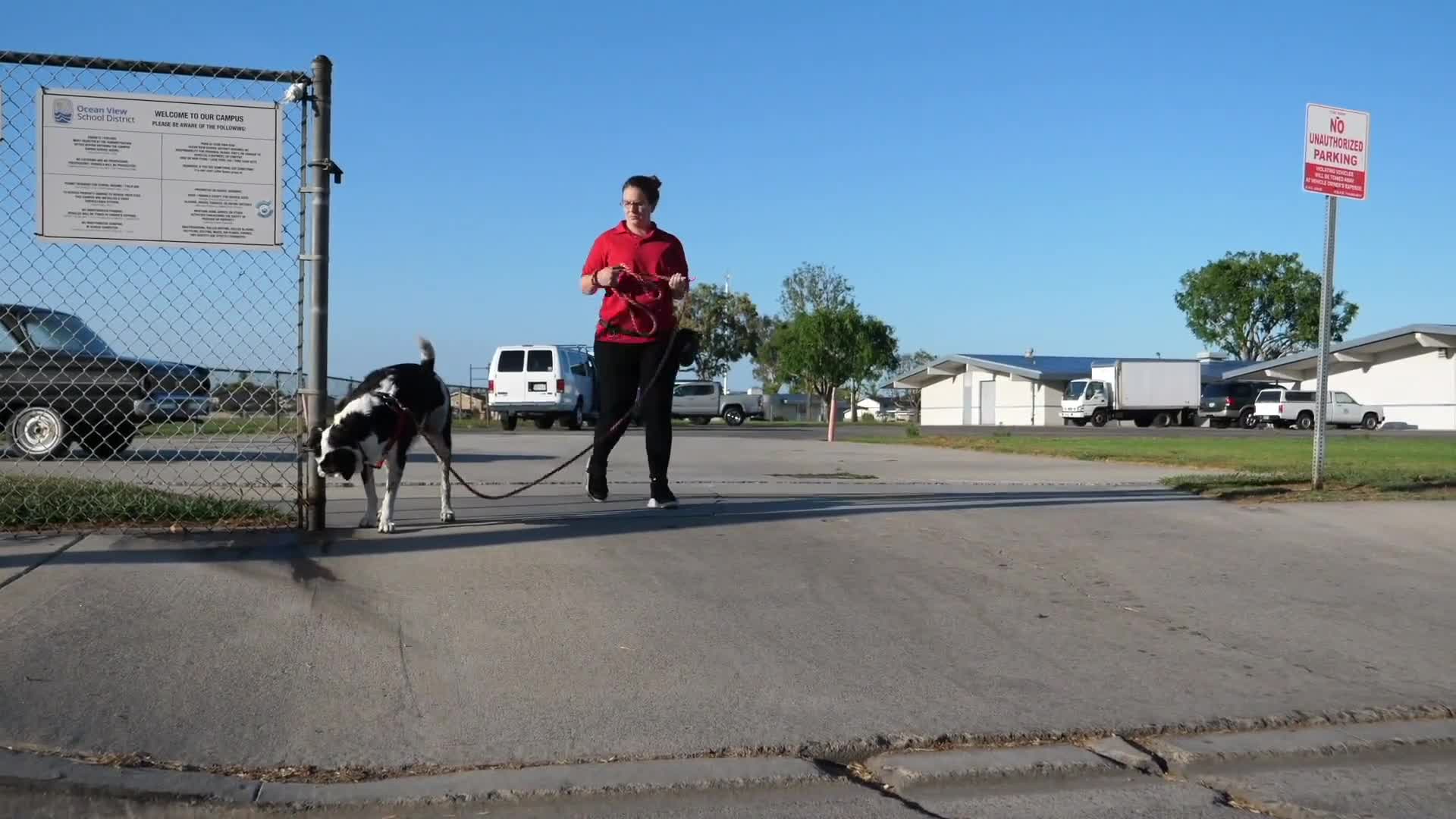
Understanding how your own behavior influences your dog's reactions is crucial for managing reactivity and promoting positive behaviors.
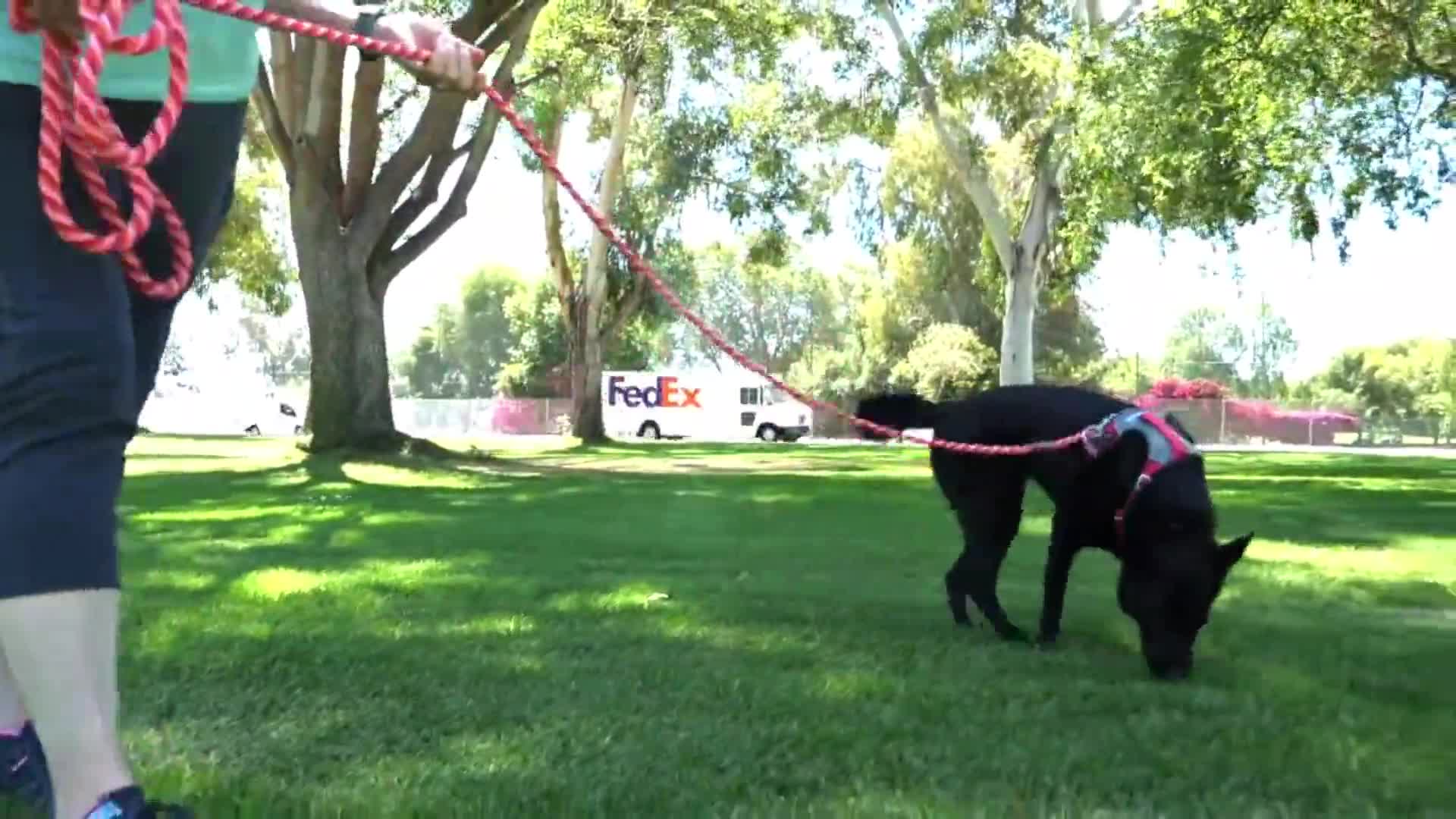
BAT, or Behavioral Adjustment Training, is a method designed to help dogs overcome reactivity through controlled interactions with their environment.
Understanding your dog's body language is indeed crucial for recognizing their signals of discomfort or stress before they escalate into more overt behaviors like barking or lunging.
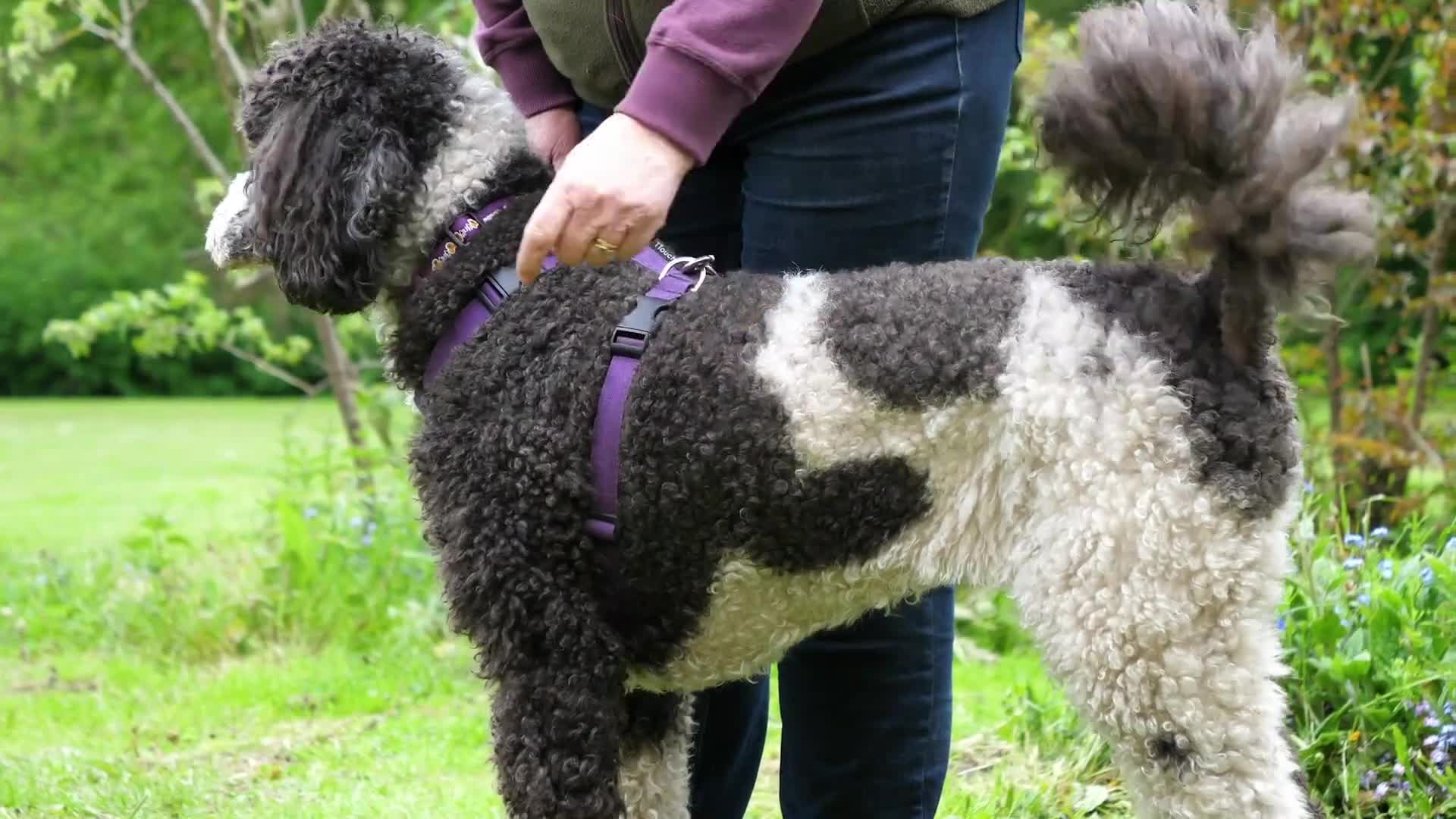
Tellington TTouch, or TTouch, is a gentle and mindful approach to touching your dog that promotes relaxation and releases tension in the body.
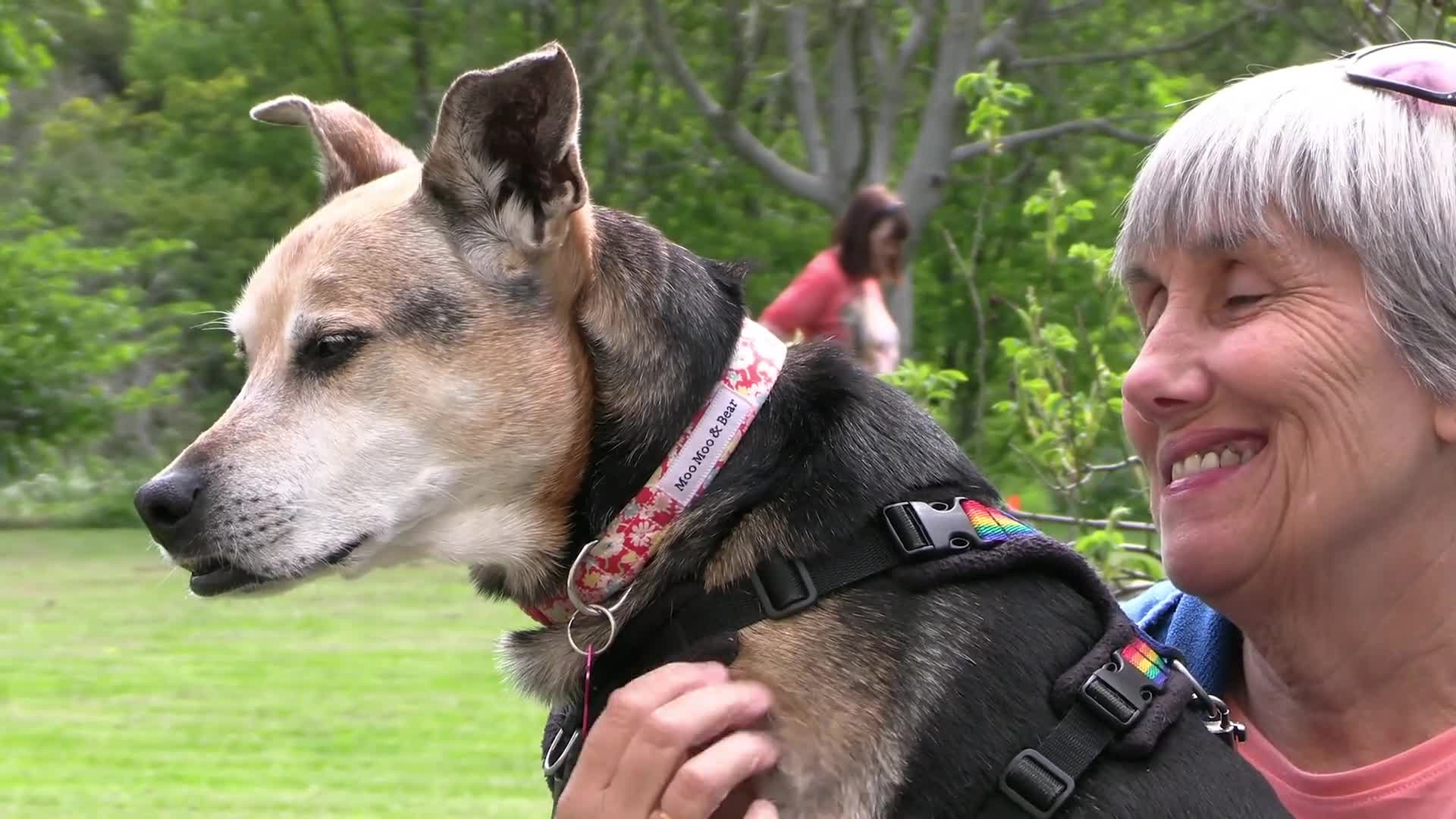
A great approach to respecting your dog's consent and helping them feel safe and comfortable in interactions.
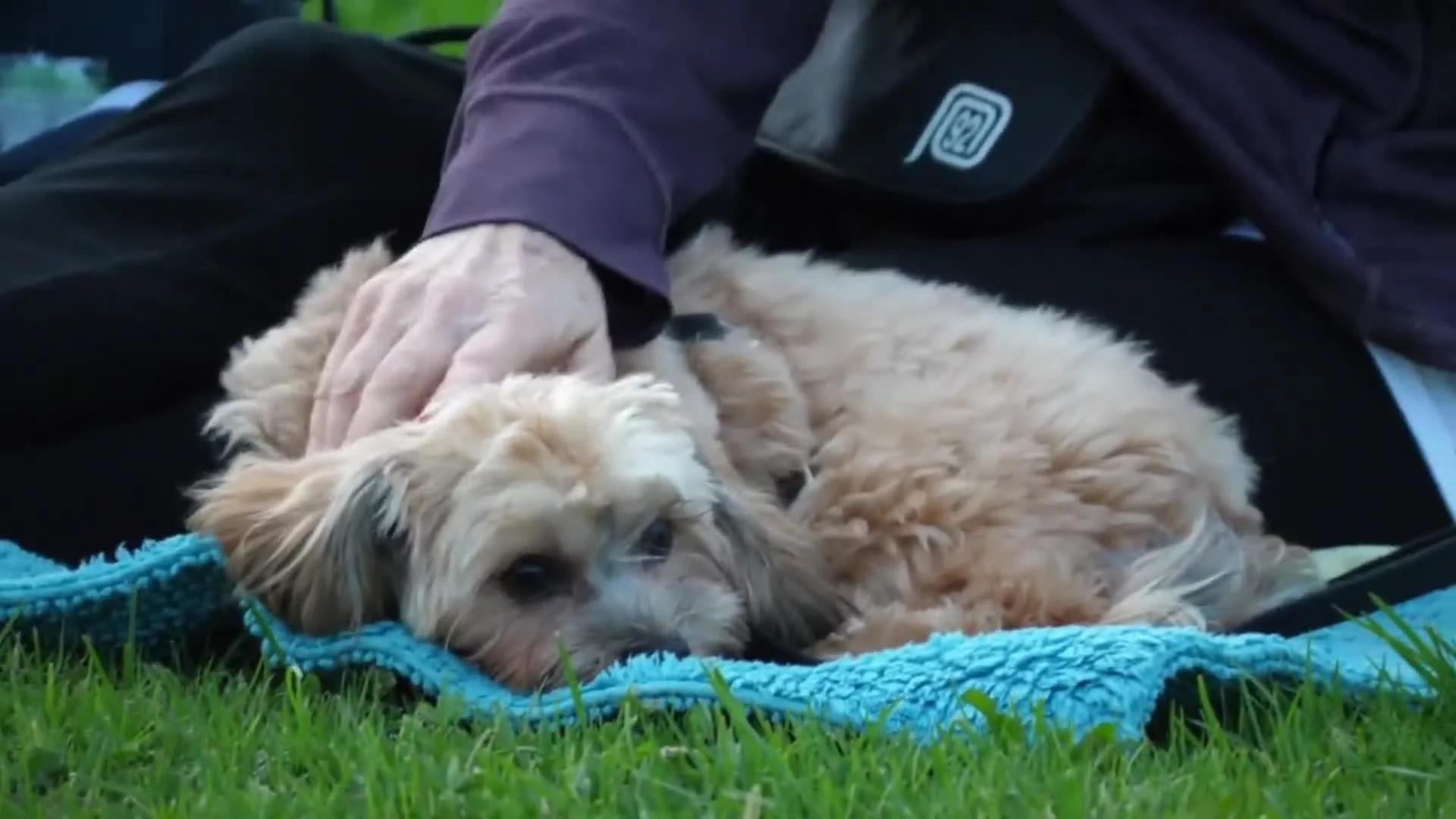
"Less is more" is a valuable mindset when working with a reactive dog.
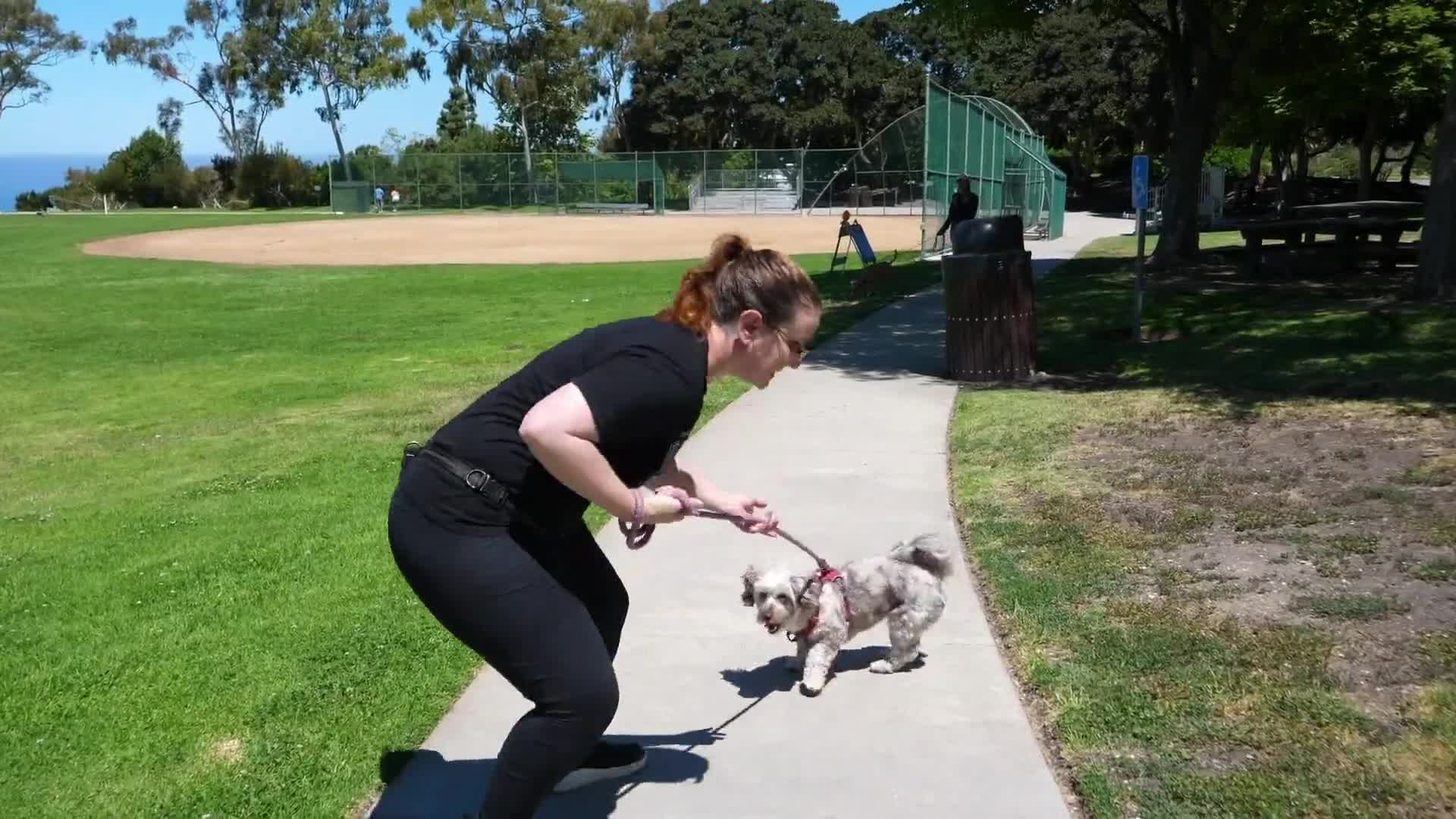
Teaching your dog the "Let's Go" cue is an effective way to quickly get out of trouble by turning around.
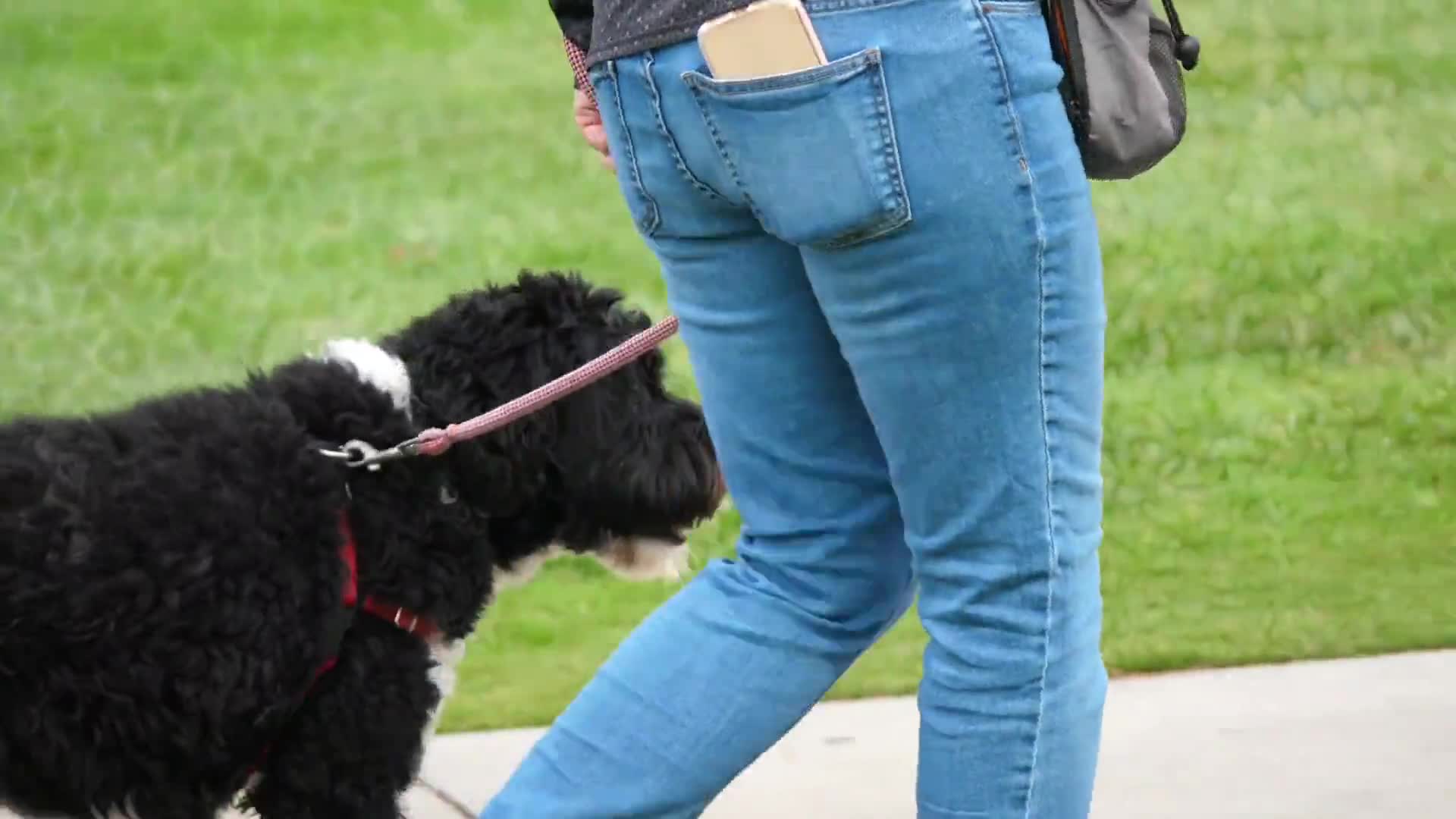
Training your dog to walk on a loose leash is indeed a valuable skill that enhances both their walking experience and your bond.
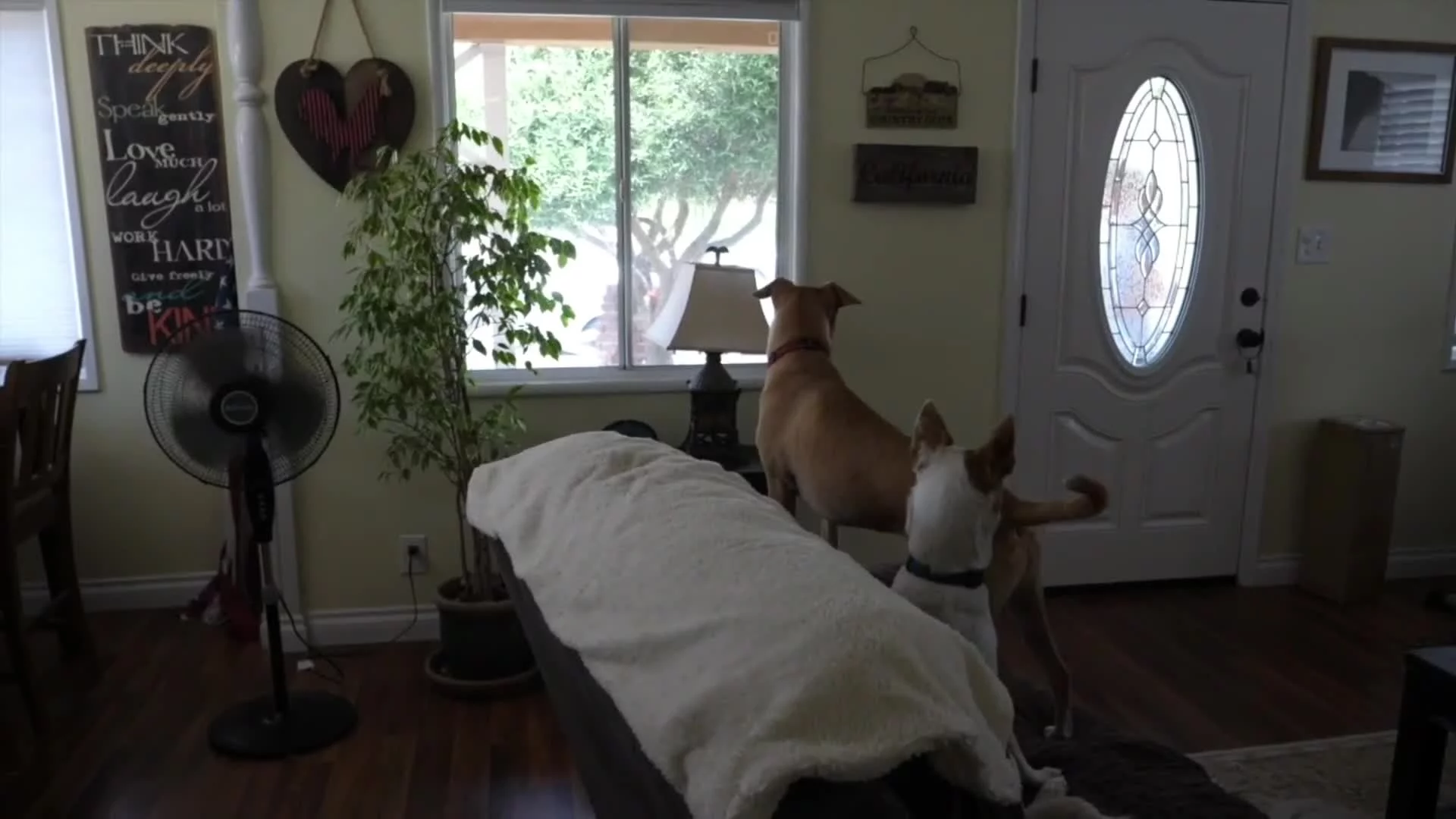
Repeated exposure to stress-inducing situations reinforces reactive behavior and increases stress levels, making it harder for your dog to learn new, desirable behaviors.
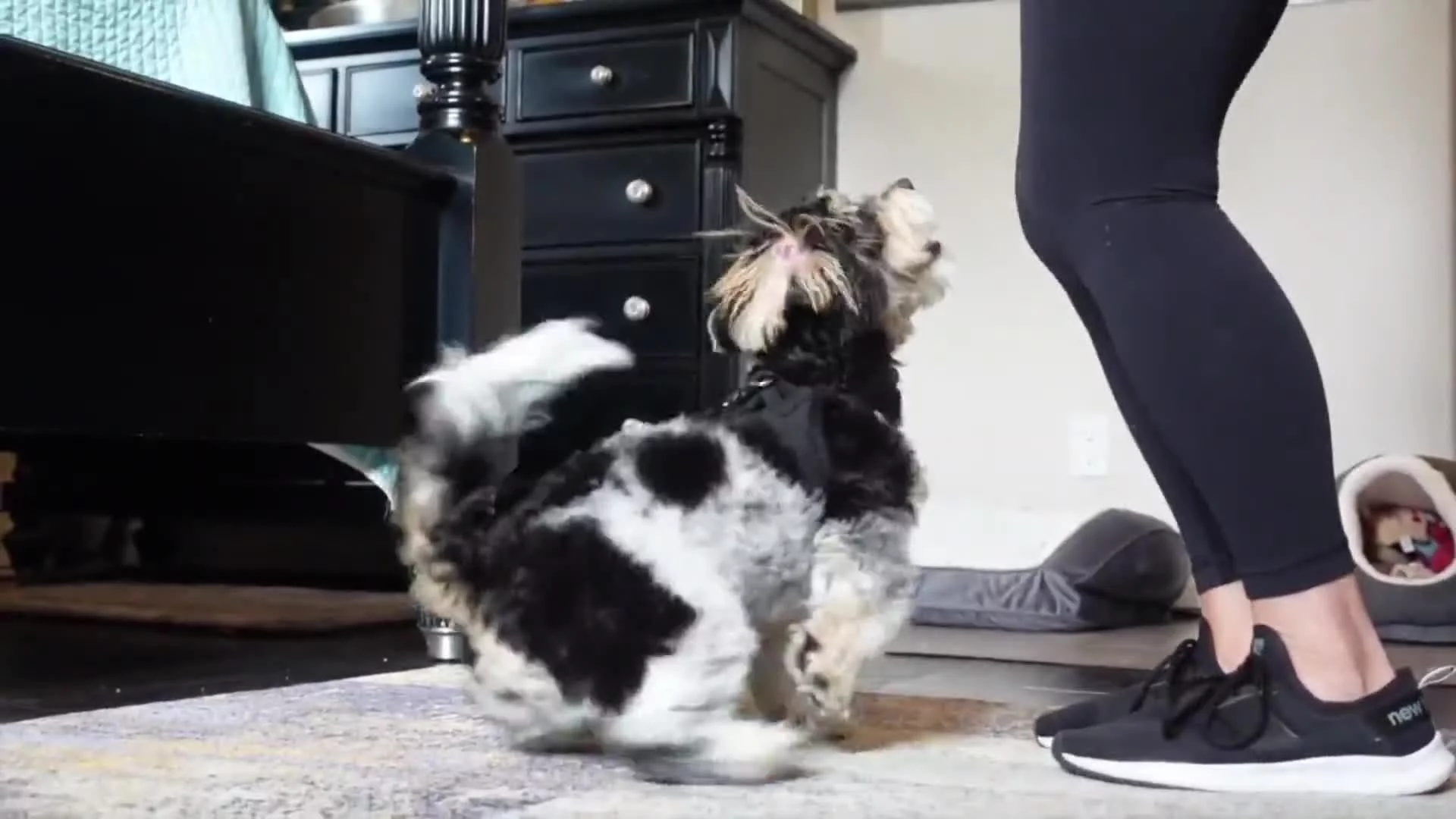
Noise sensitivity in dogs can manifest as startling easily, barking, seeking close contact, or fleeing.
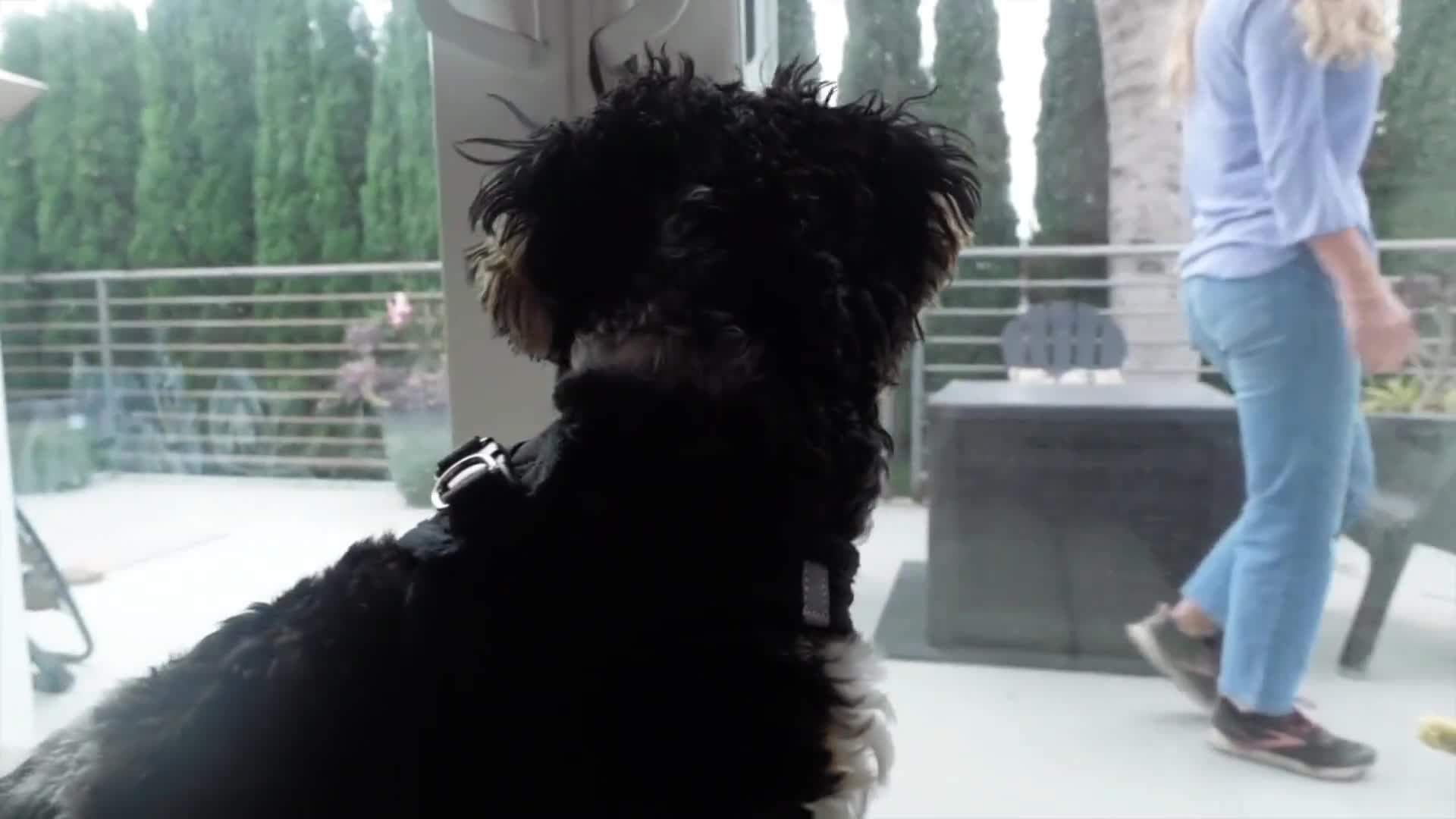
Help reduce your dog's window reactivity, leading to a more peaceful home environment and a happier, less stressed dog.
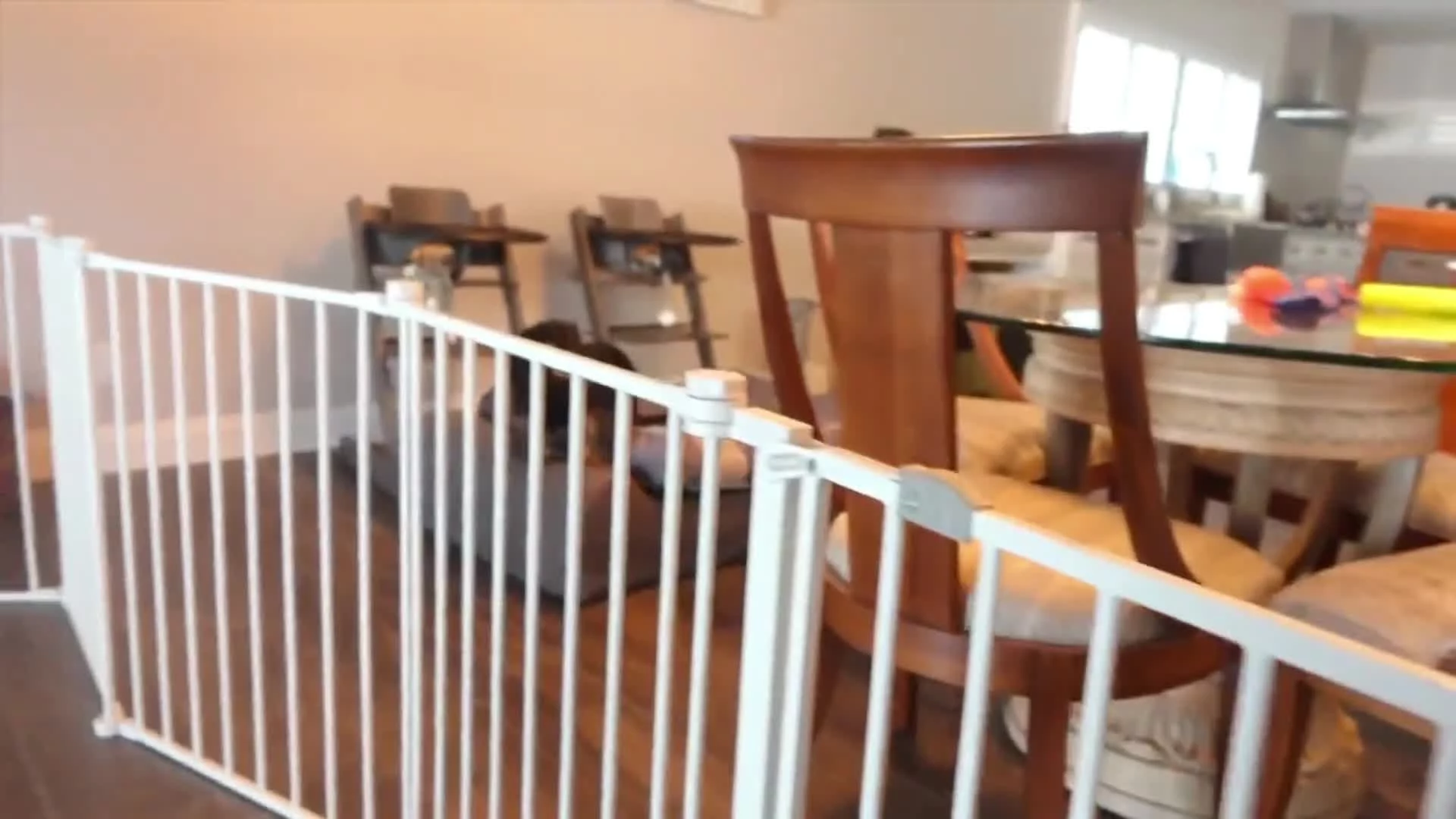
Management is a crucial element in changing your dog's behavior. It involves various strategies to prevent your dog from practicing undesirable or unsafe behaviors while they learn more appropriate responses.
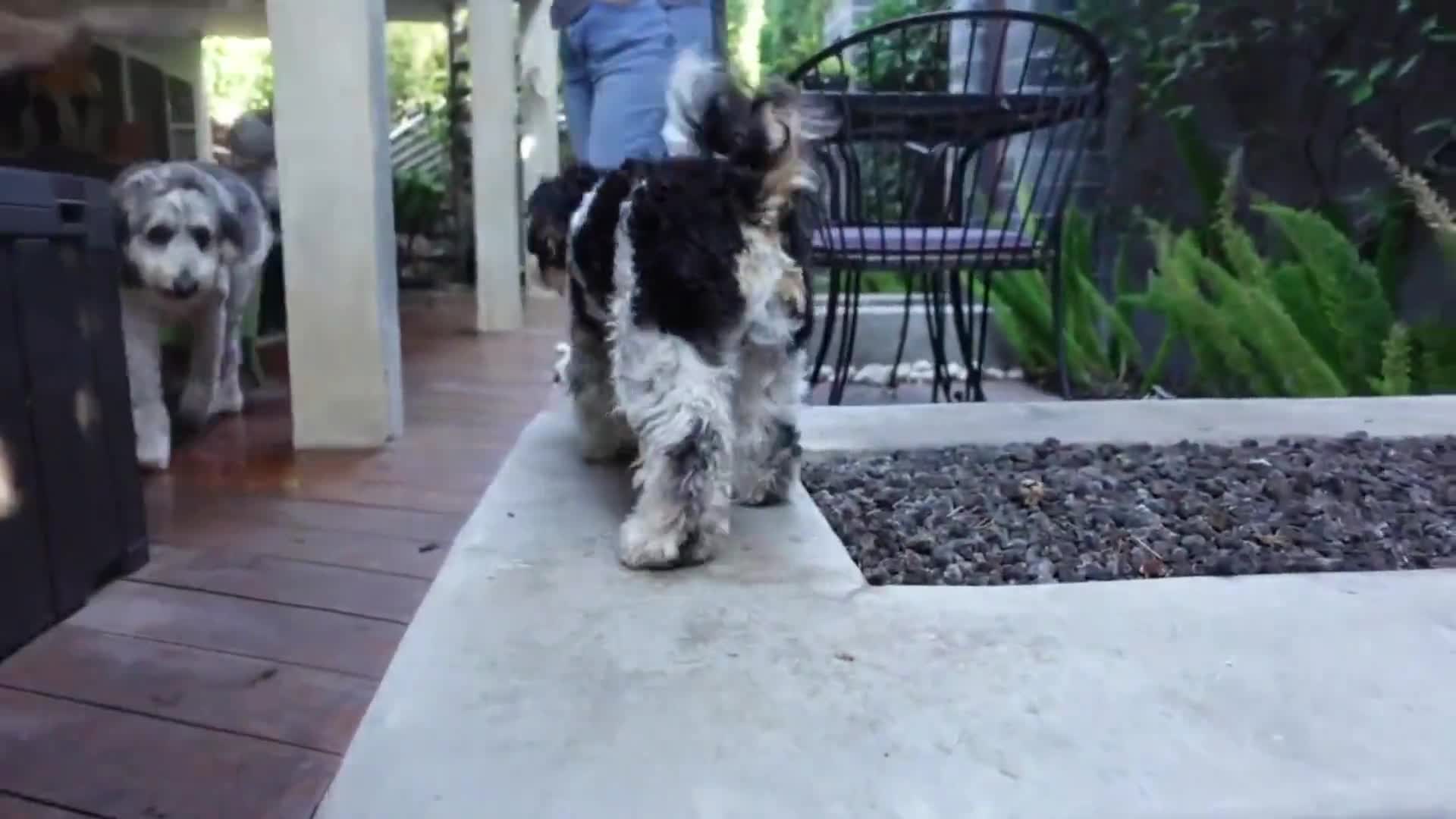
A guide to prevent altercations and maintain a peaceful home environment.
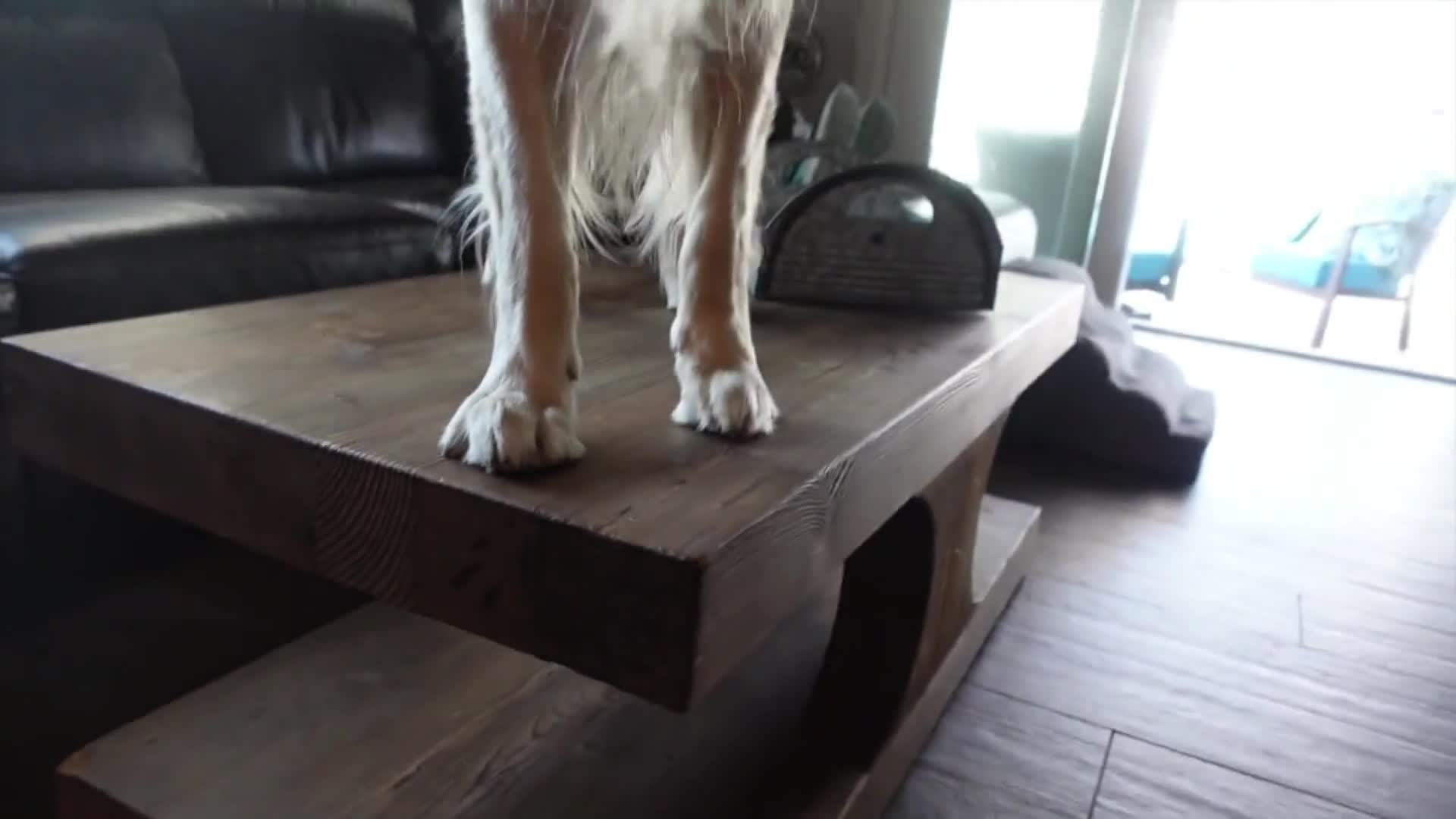
Reducing stress in a multi-dog household is crucial for managing over-reactivity and promoting harmonious living.
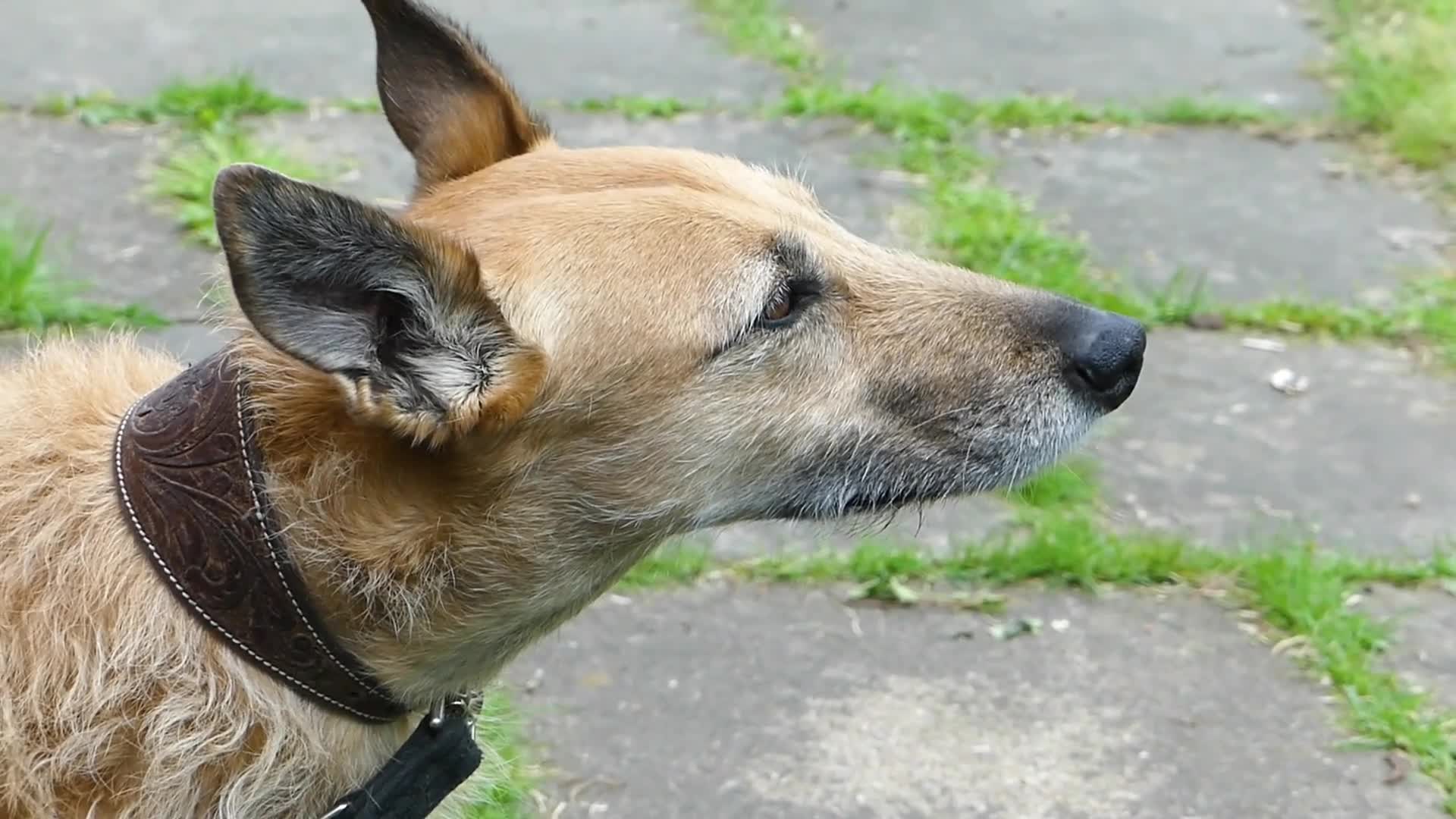
Understanding your dog's nervous system responses is crucial for interpreting their overall well-being and comfort in different situations.
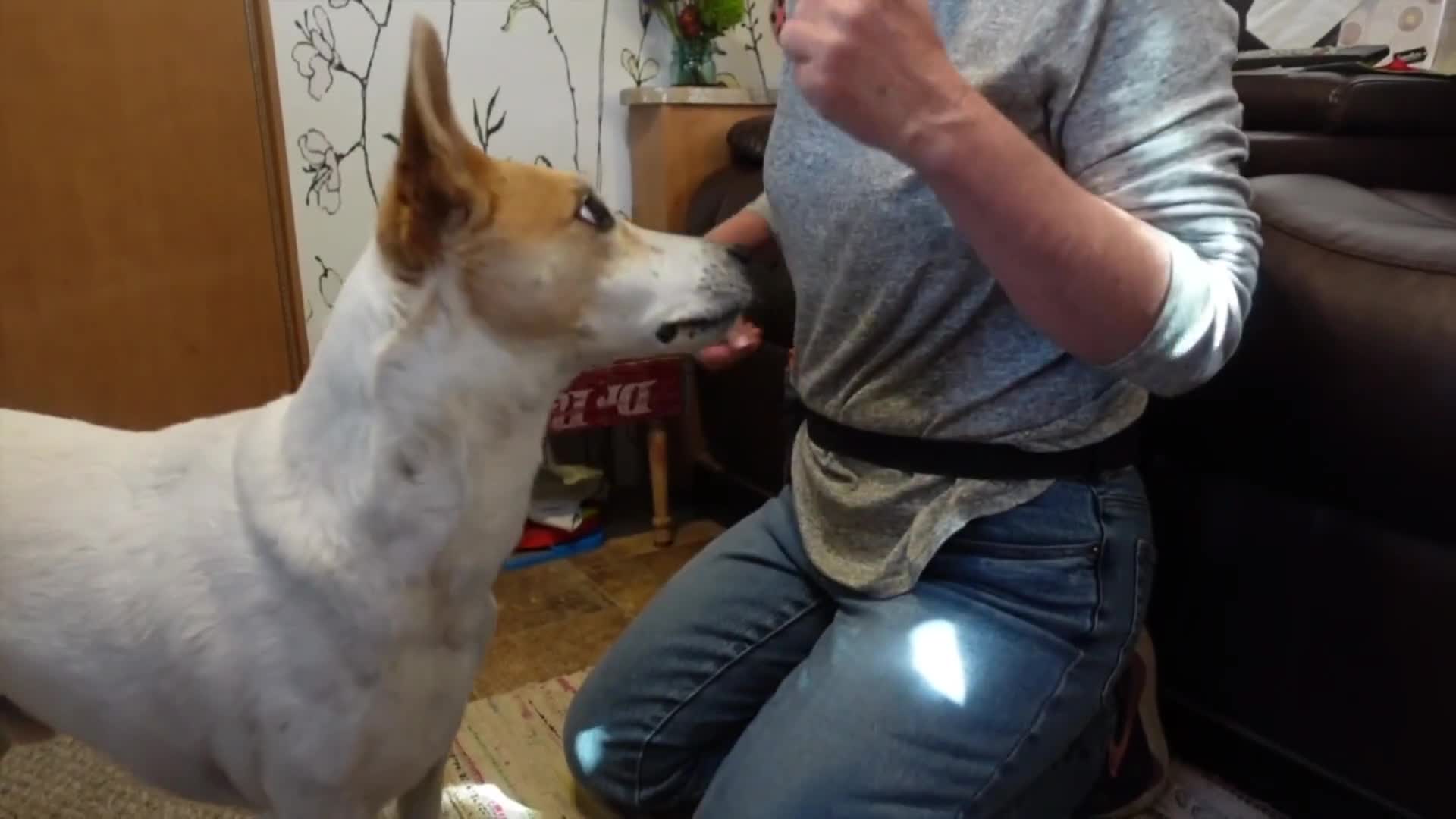
A rewarding and practical skill for managing their behavior and interactions.

Consequences play a pivotal role in shaping behavior for all living beings, including dogs.
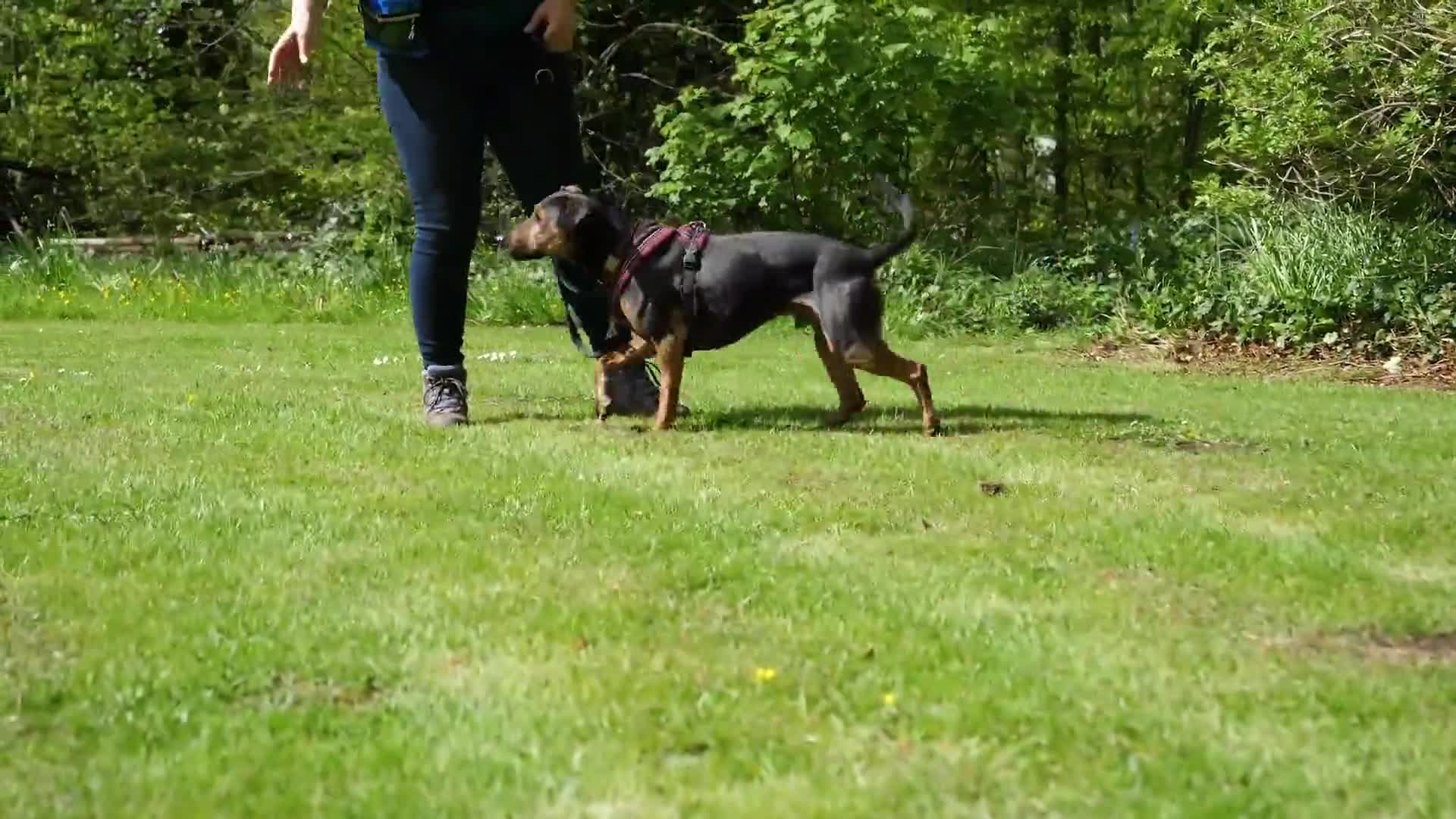
Pattern games provide you and your dog with a familiar structure to navigate distracting environments.
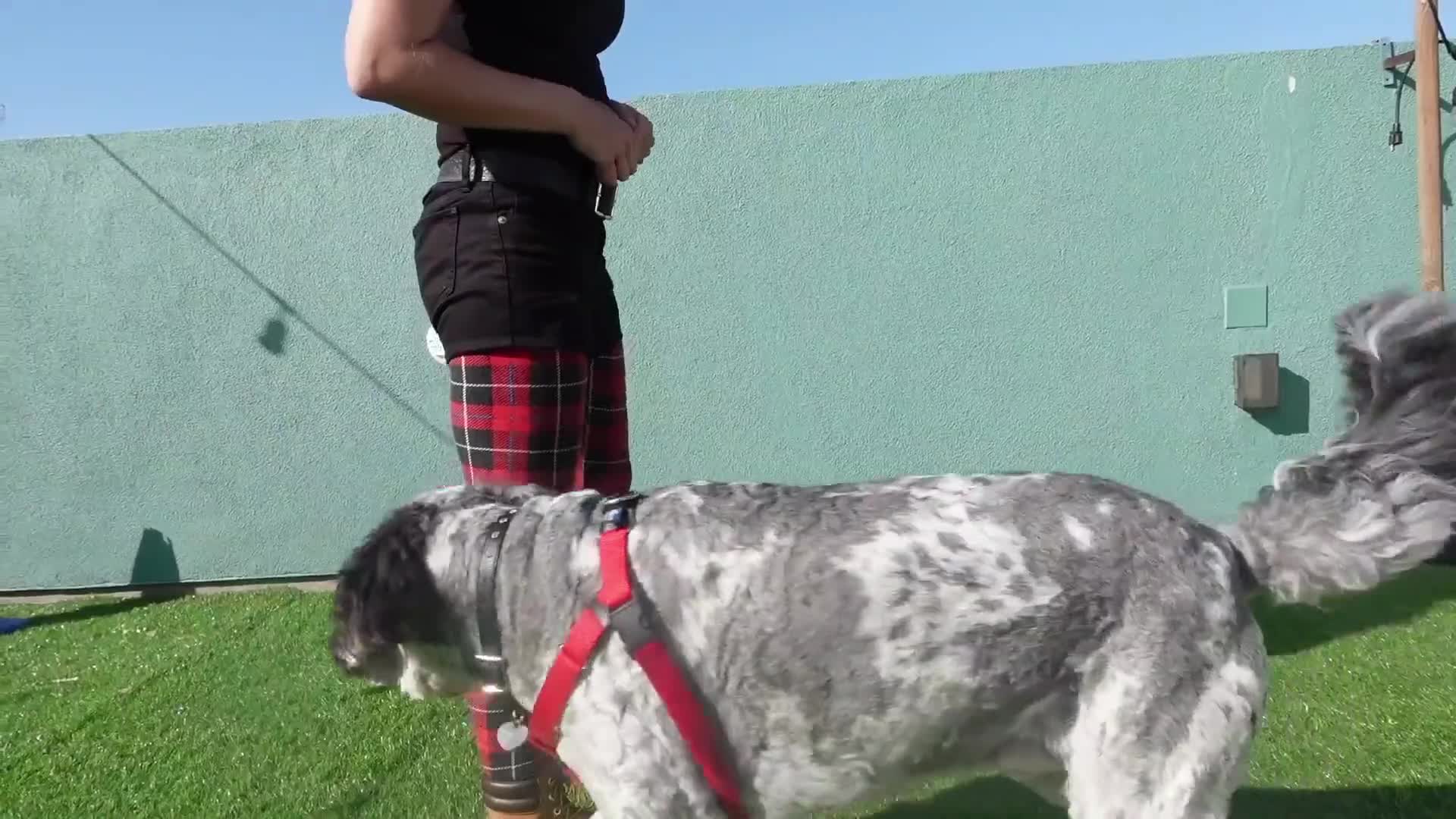
Teaching your dog to play "Peek a boo" can be both fun and useful for creating a safe and engaging interaction.
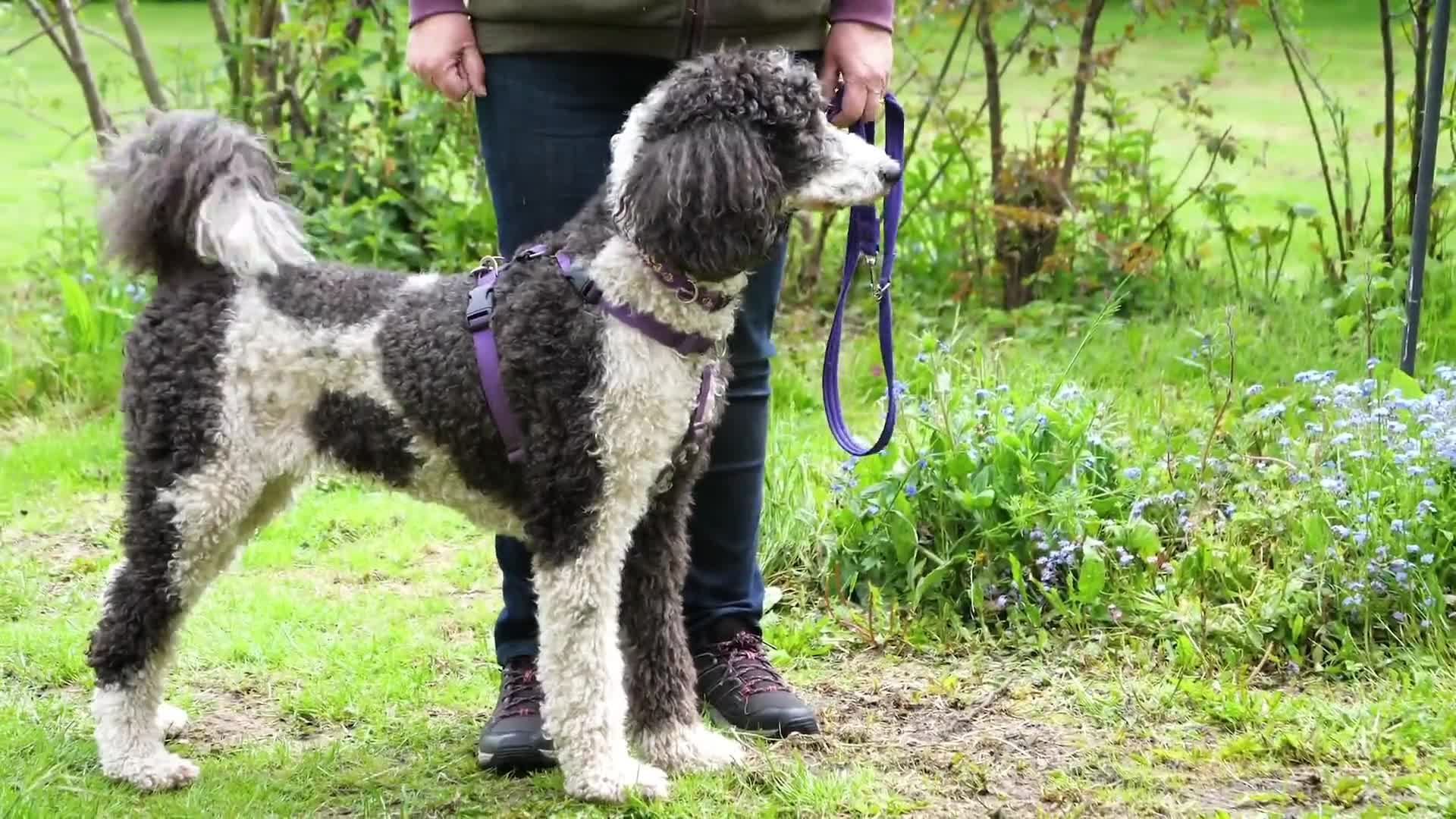
Understanding your dog's physical cues and posture can provide valuable insights into their comfort levels and potential physical stress.
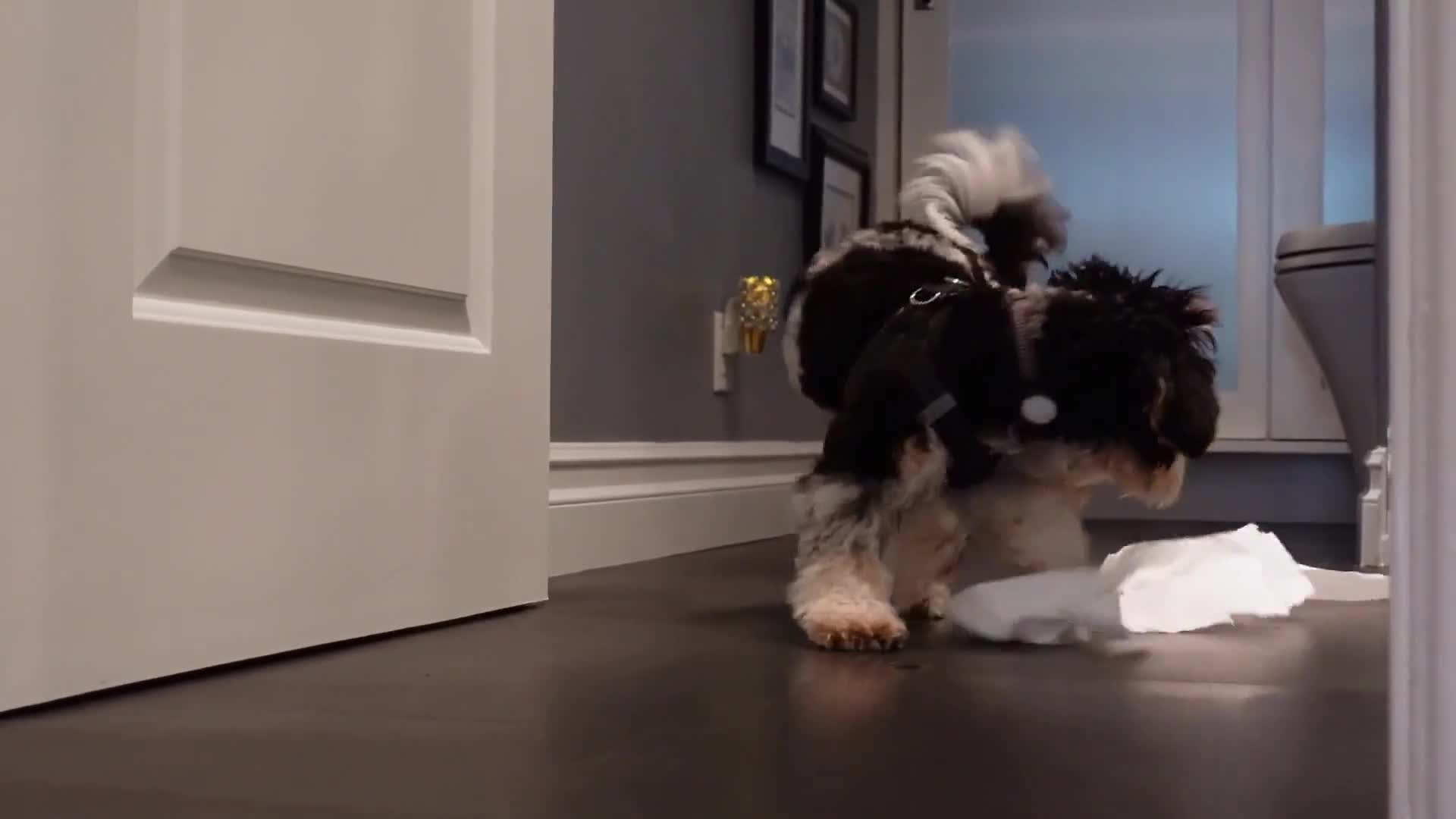
A valuable technique to redirect your dog's attention from unwanted behaviors or potentially risky situations.

Power-ups are simple, positive actions that can quickly boost your mood, provide strength and courage, or foster a sense of connection.
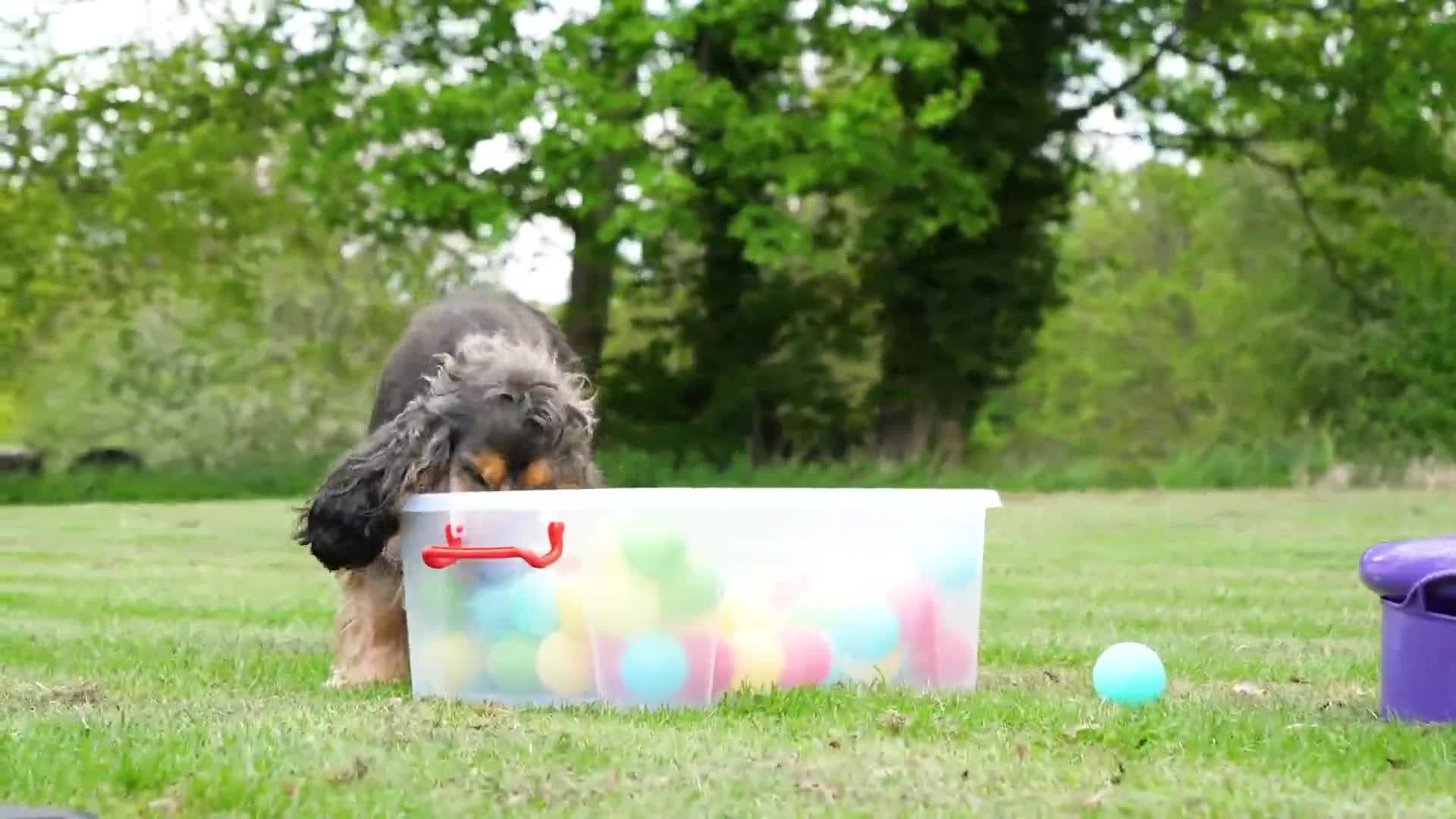
There are many alternative activities you can do with your dog if walks are not possible or appropriate.
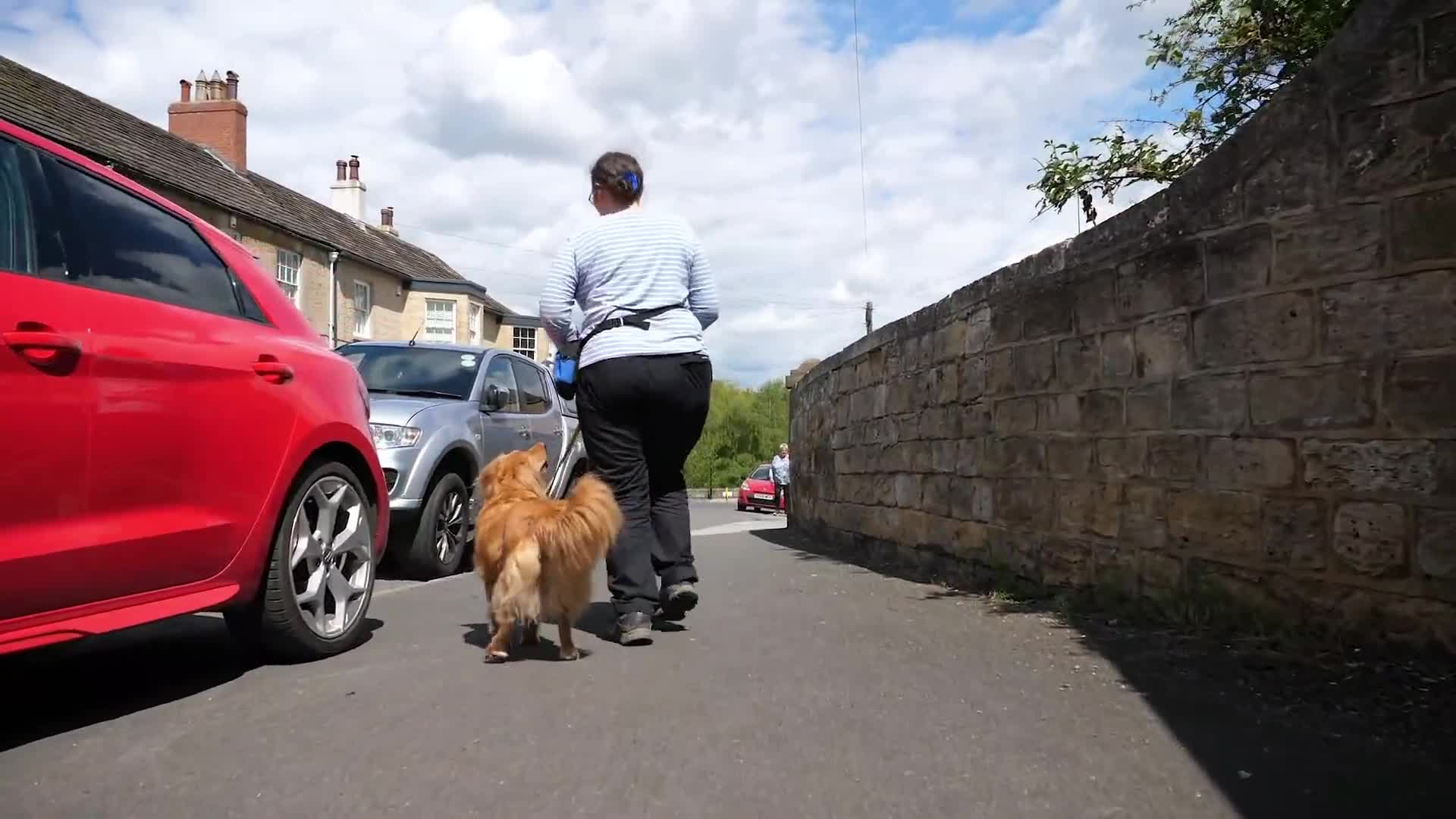
Staying alert to potential hazards while walking your dog can help keep them safe without adding stress to your outings.
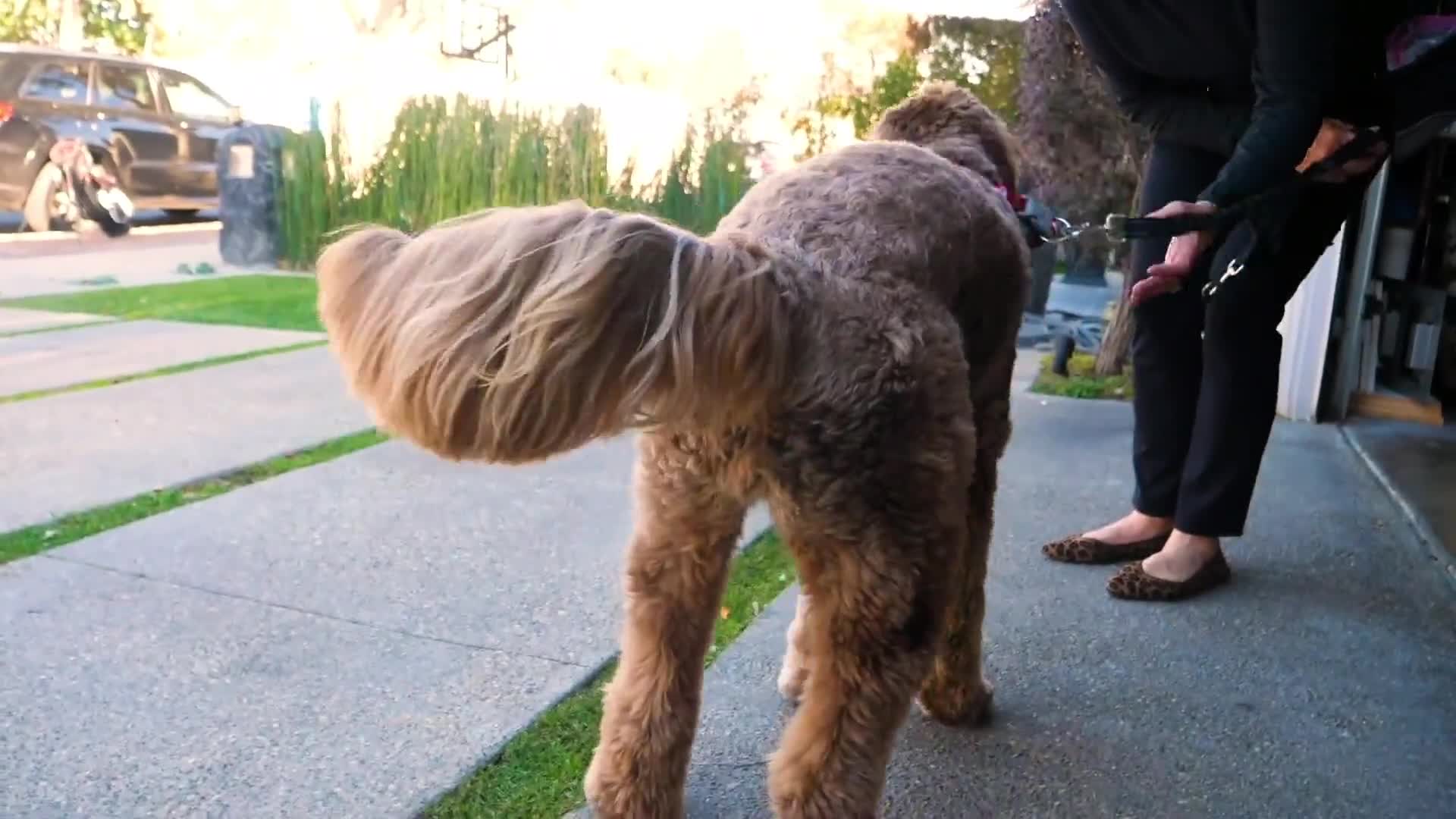
Celebrate each milestone, no matter how small, as it reflects the effort and dedication both you and your dog are putting into their well-being and training.
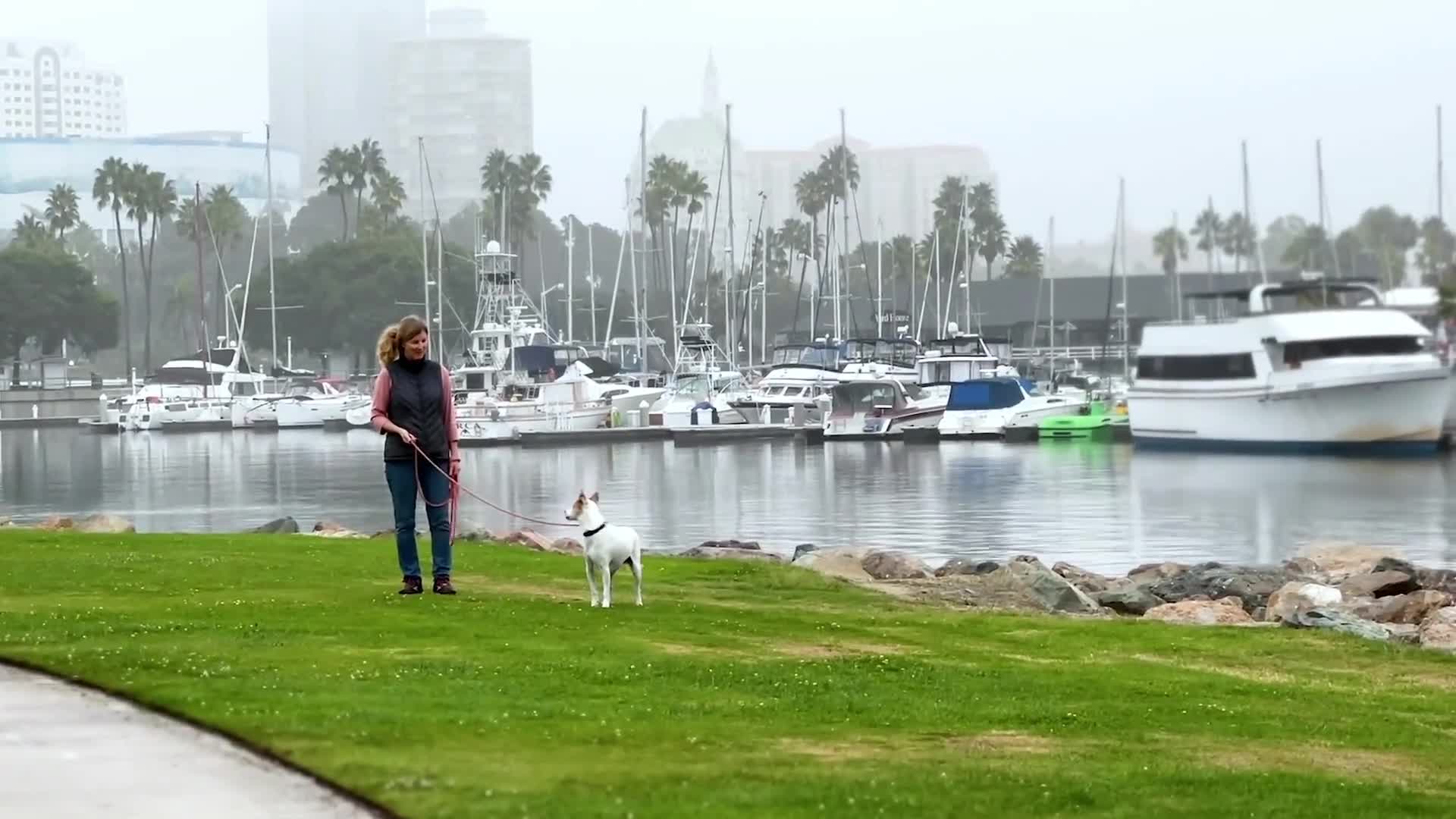
Making progress in training and managing your dog's behavior involves growth and development for you as well.
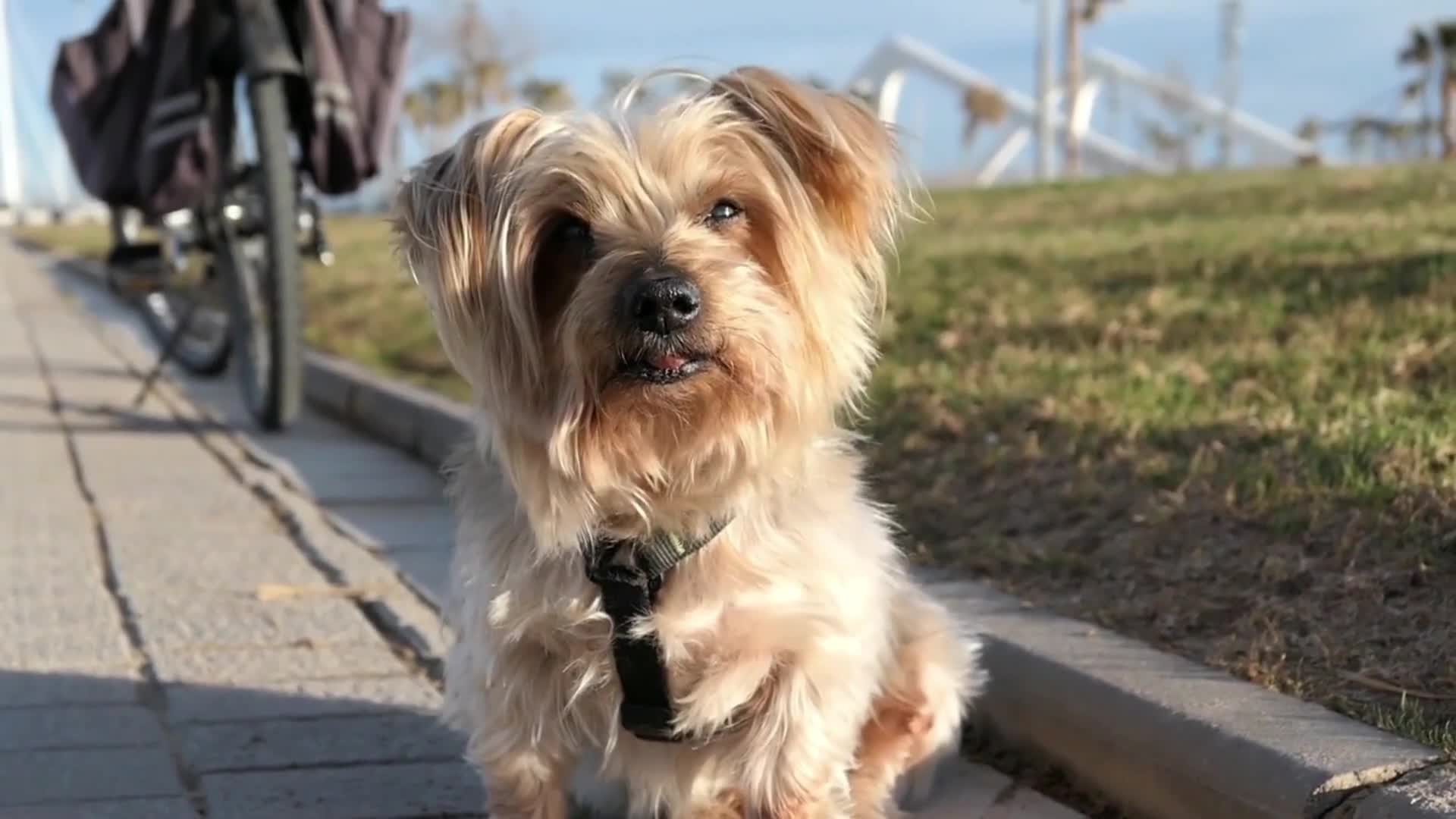
Dogs have incredibly sensitive hearing compared to humans. They can detect higher frequencies and sounds from much farther away.
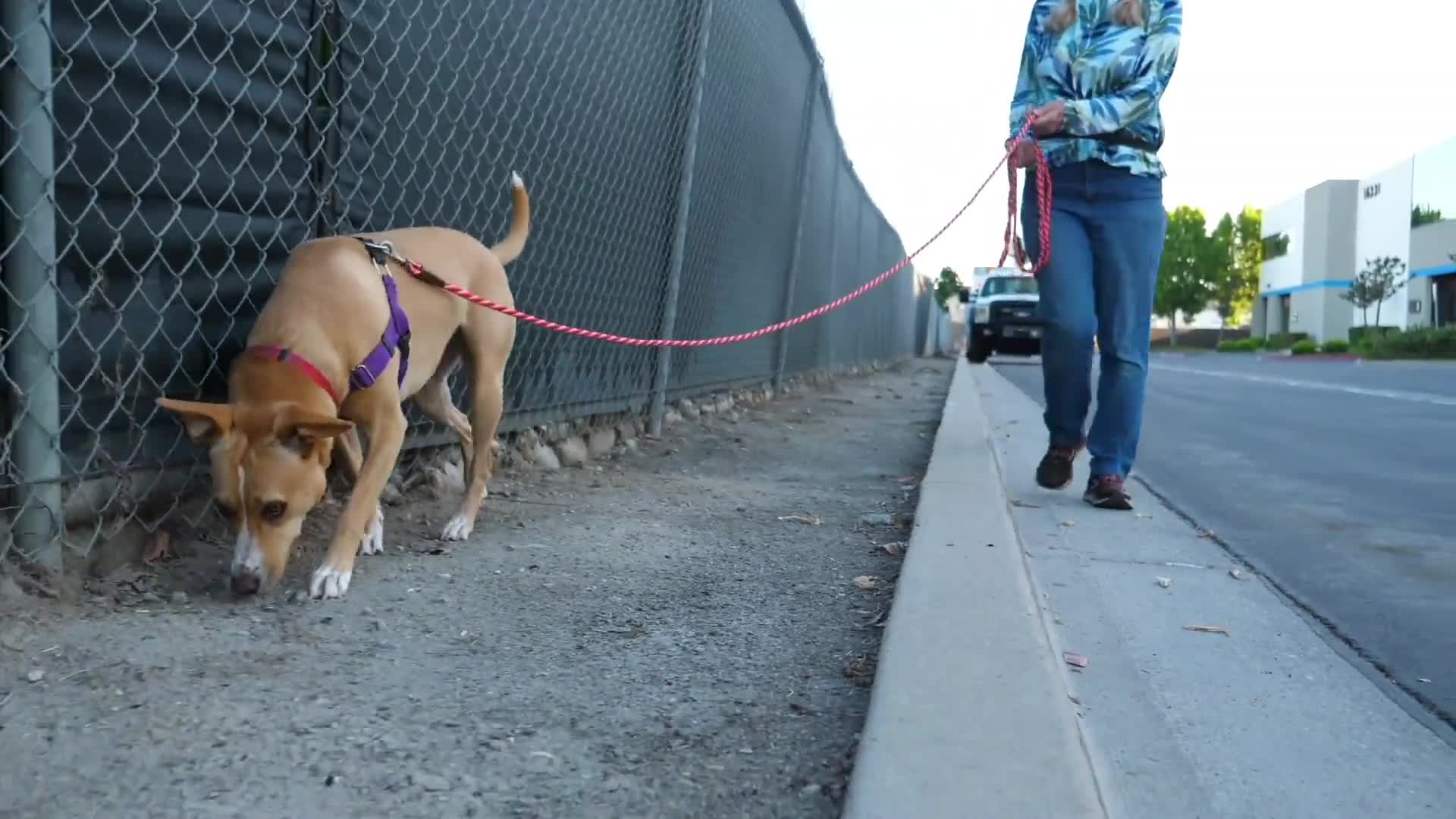
You can use your body language to provide reassurance and influence your dog's behavior positively, especially in situations where they might be concerned about another dog or human.
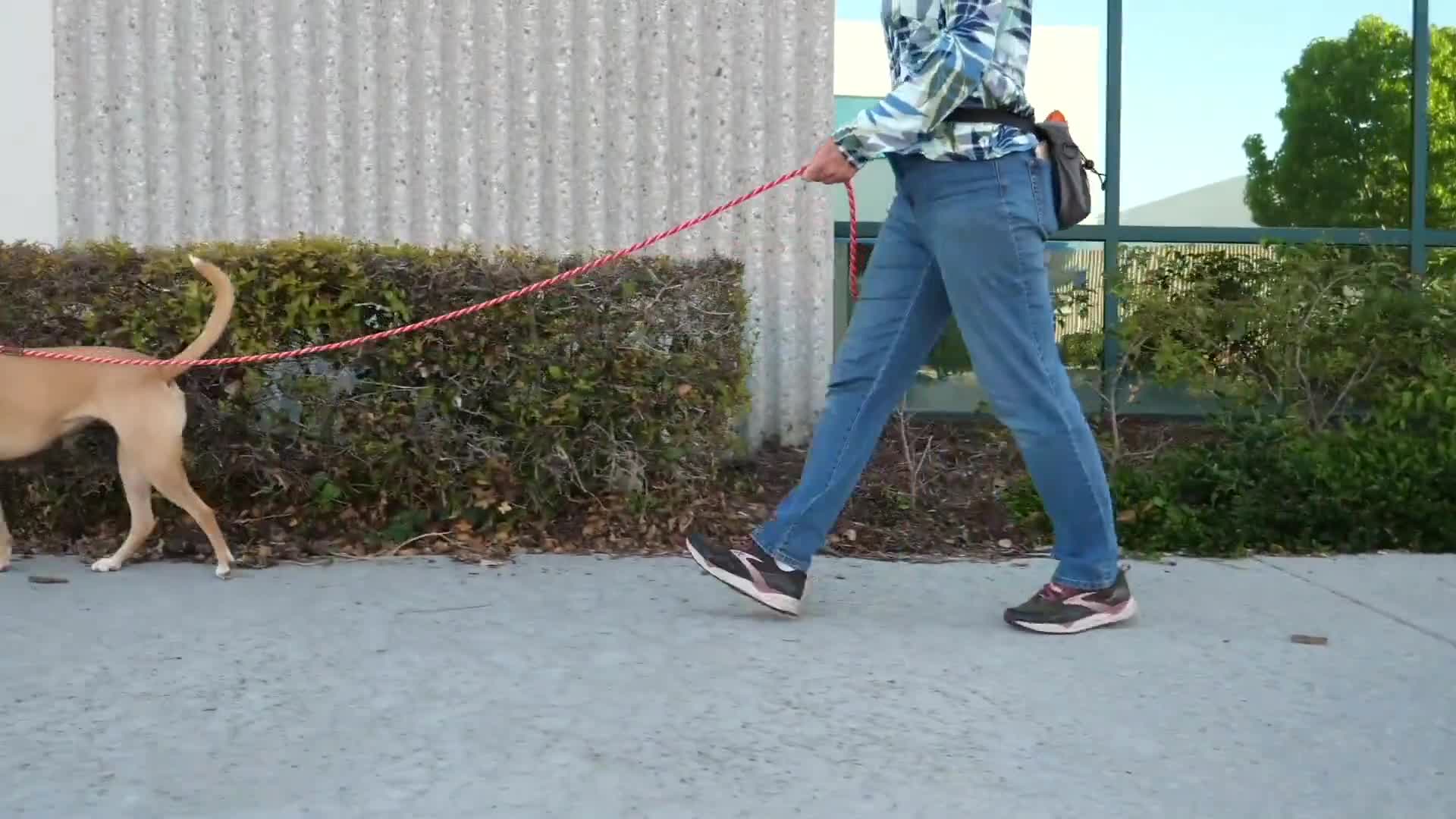
The leash is a subtle yet powerful tool for communicating with your dog.
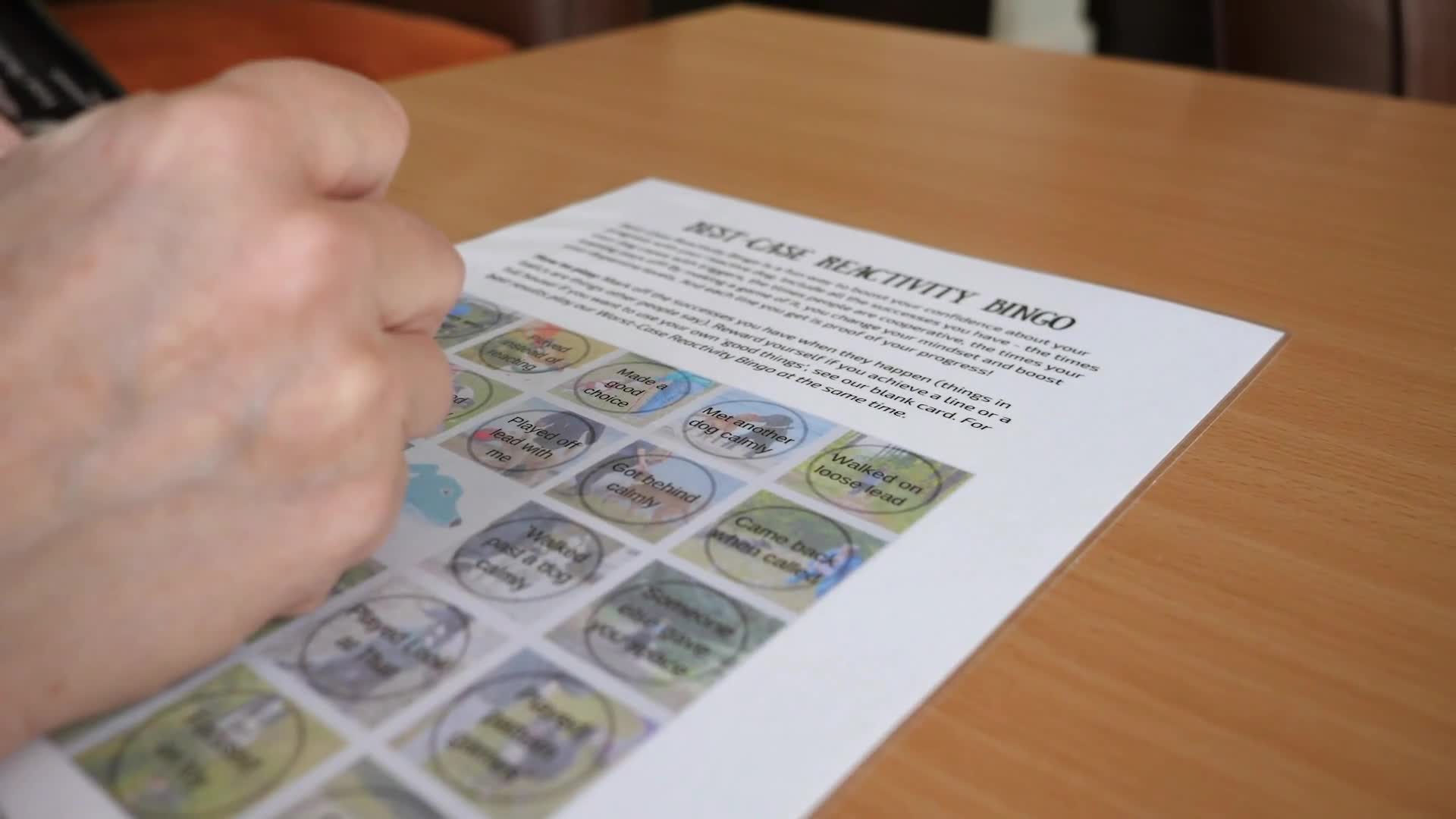
Reactivity Bingo is a fun and proactive way to shift your mindset from focusing on potential threats to embracing challenges and celebrating successes during your dog walks.
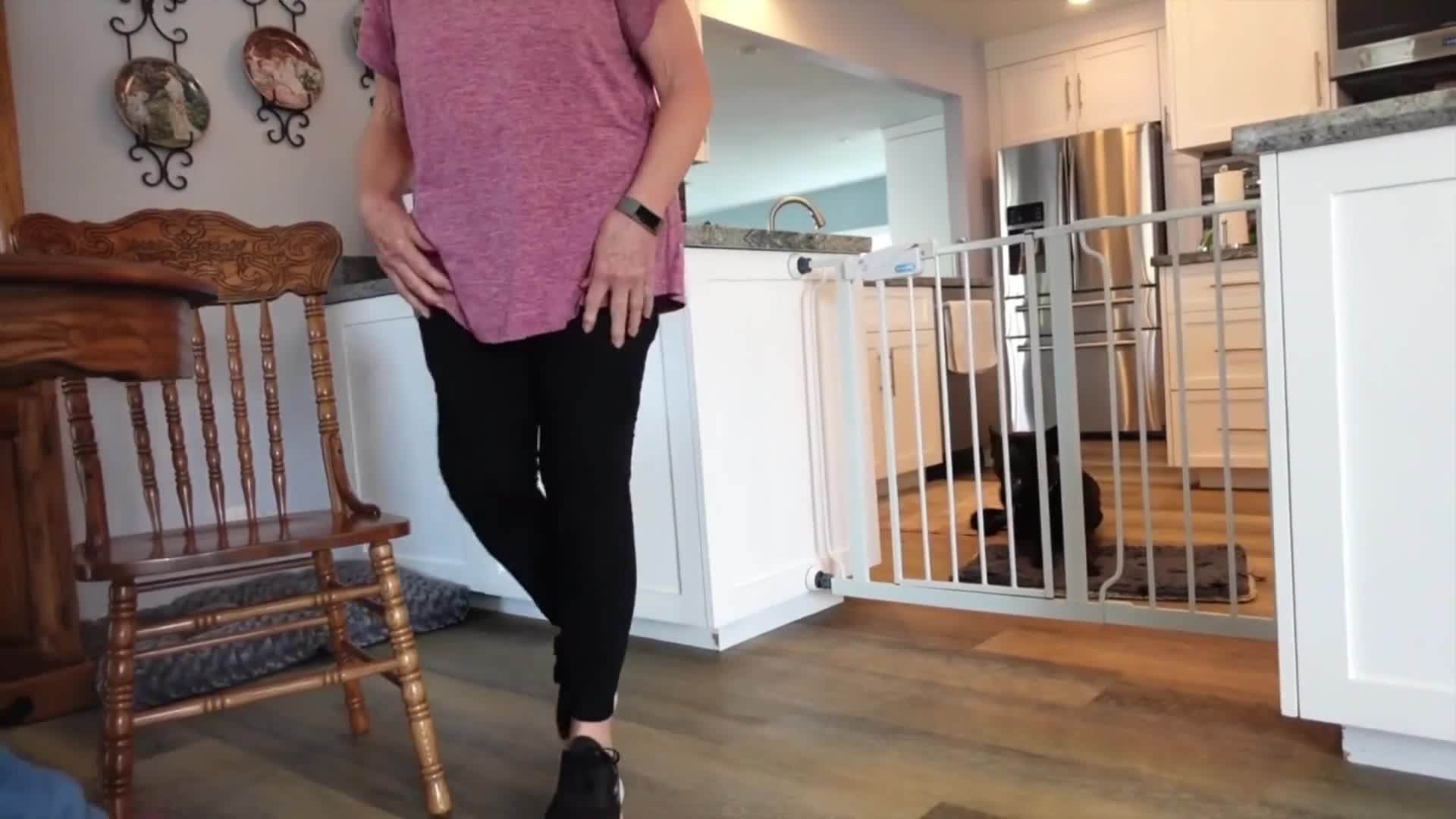
Combining management with positive training is essential when working with reactivity around visitors.
The dictionary defines "react" as responding to a stimulus in a particular manner.
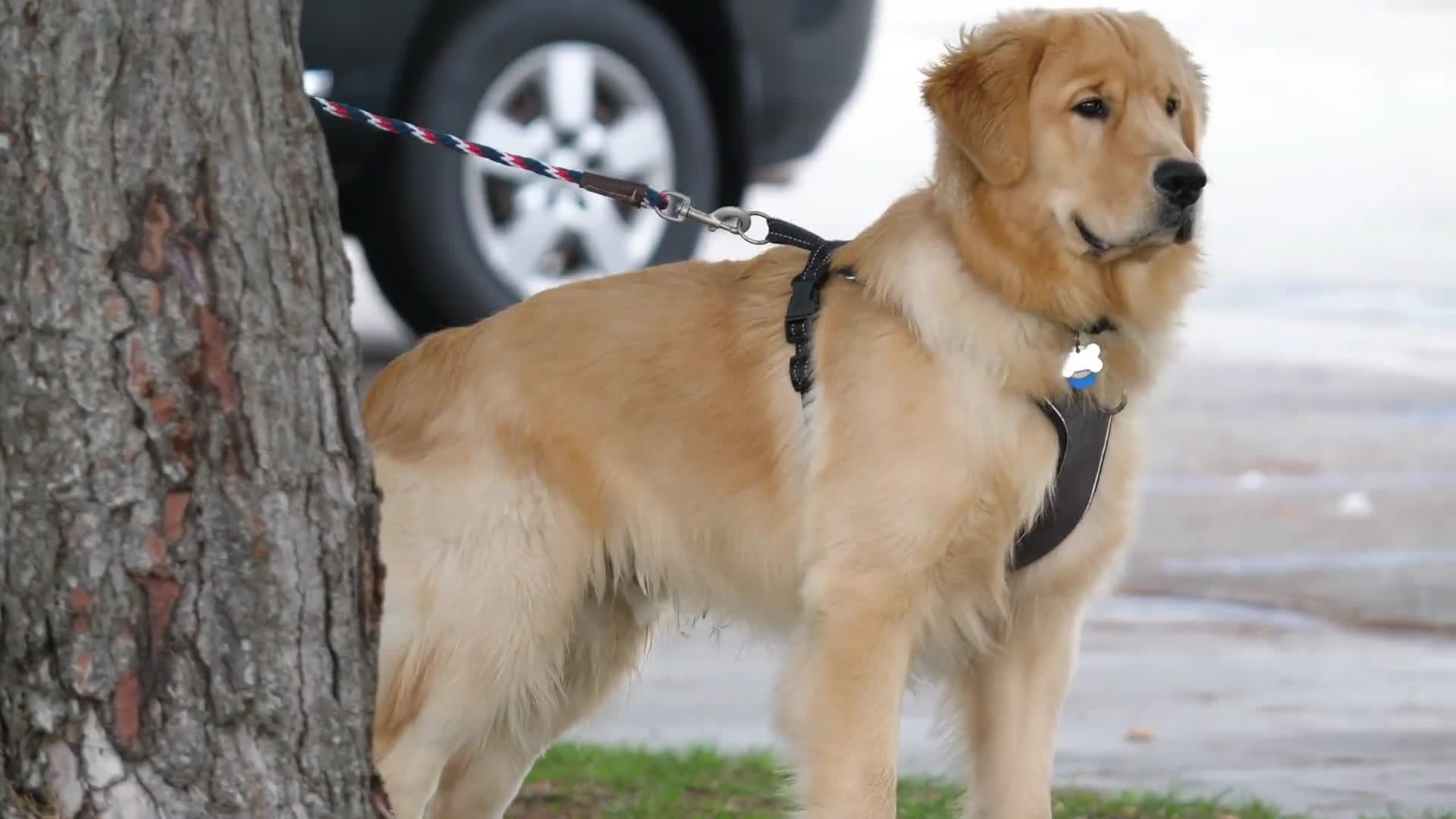
Leash tension can trigger reactive behavior in dogs.
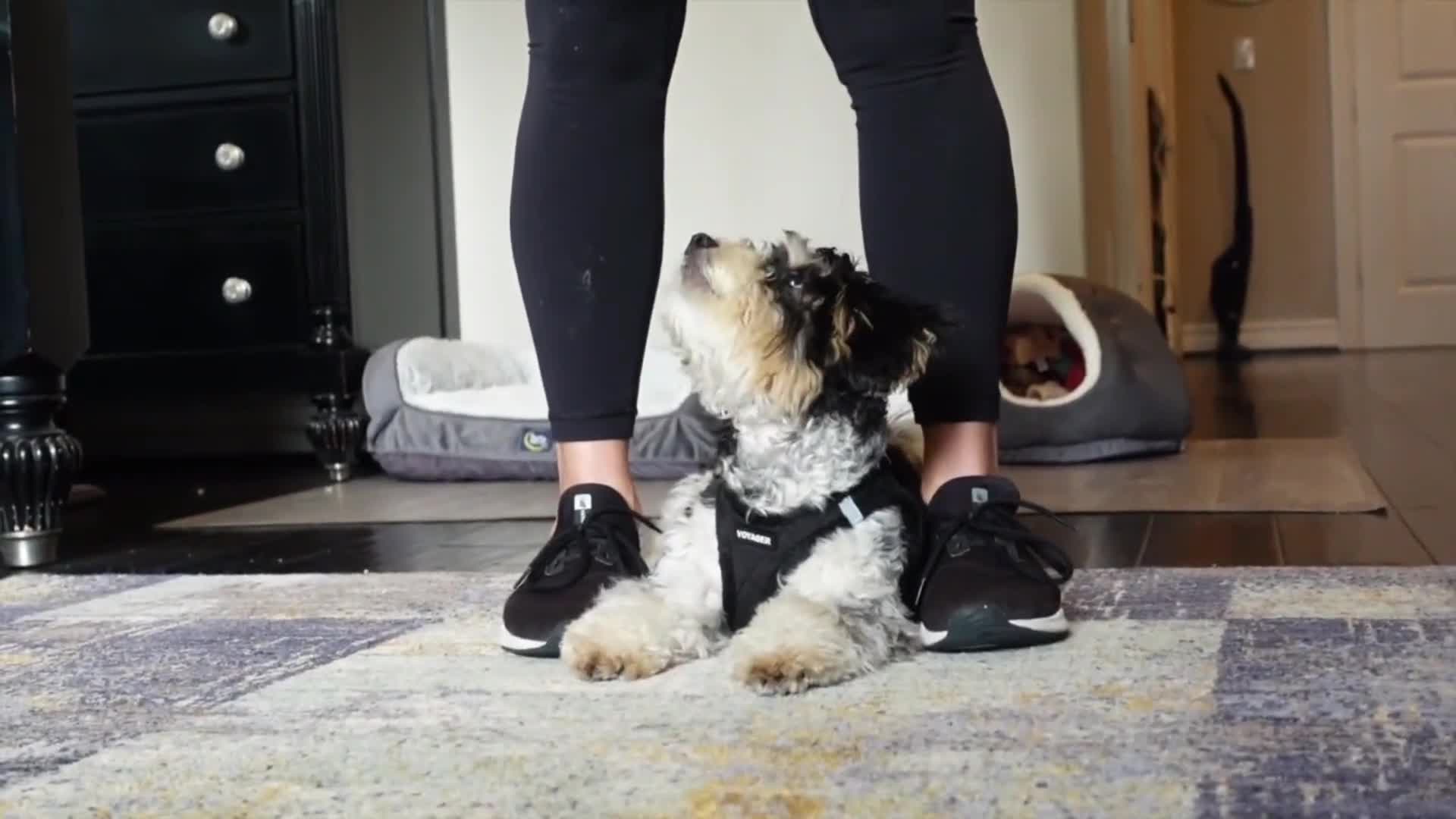
Reinforcers are essential tools in shaping your dog's behavior, as they encourage behaviors to recur by making them more likely in the future.
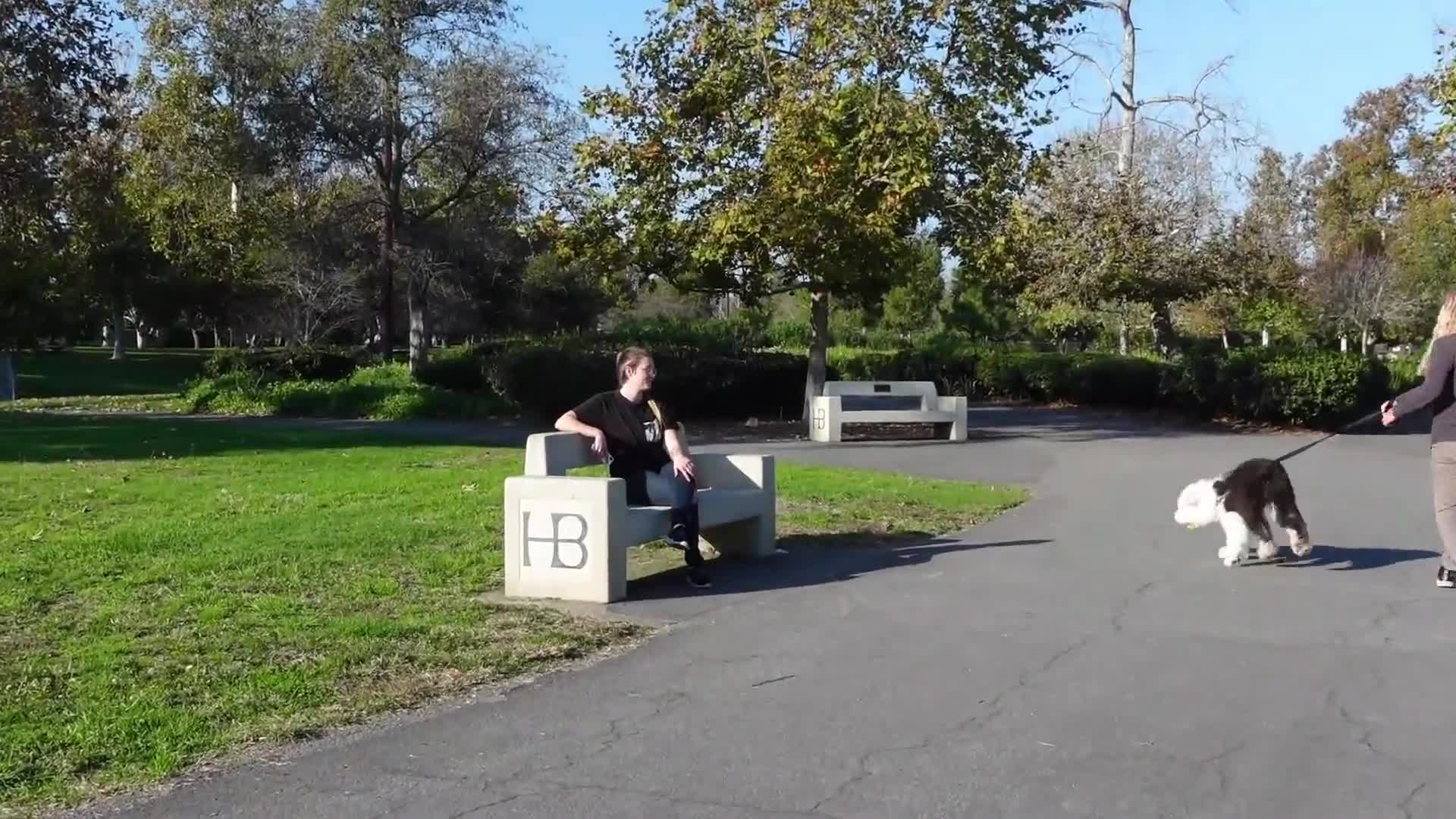
The Three Accounts game is a useful tool for shifting your mindset and managing emotional reactions.
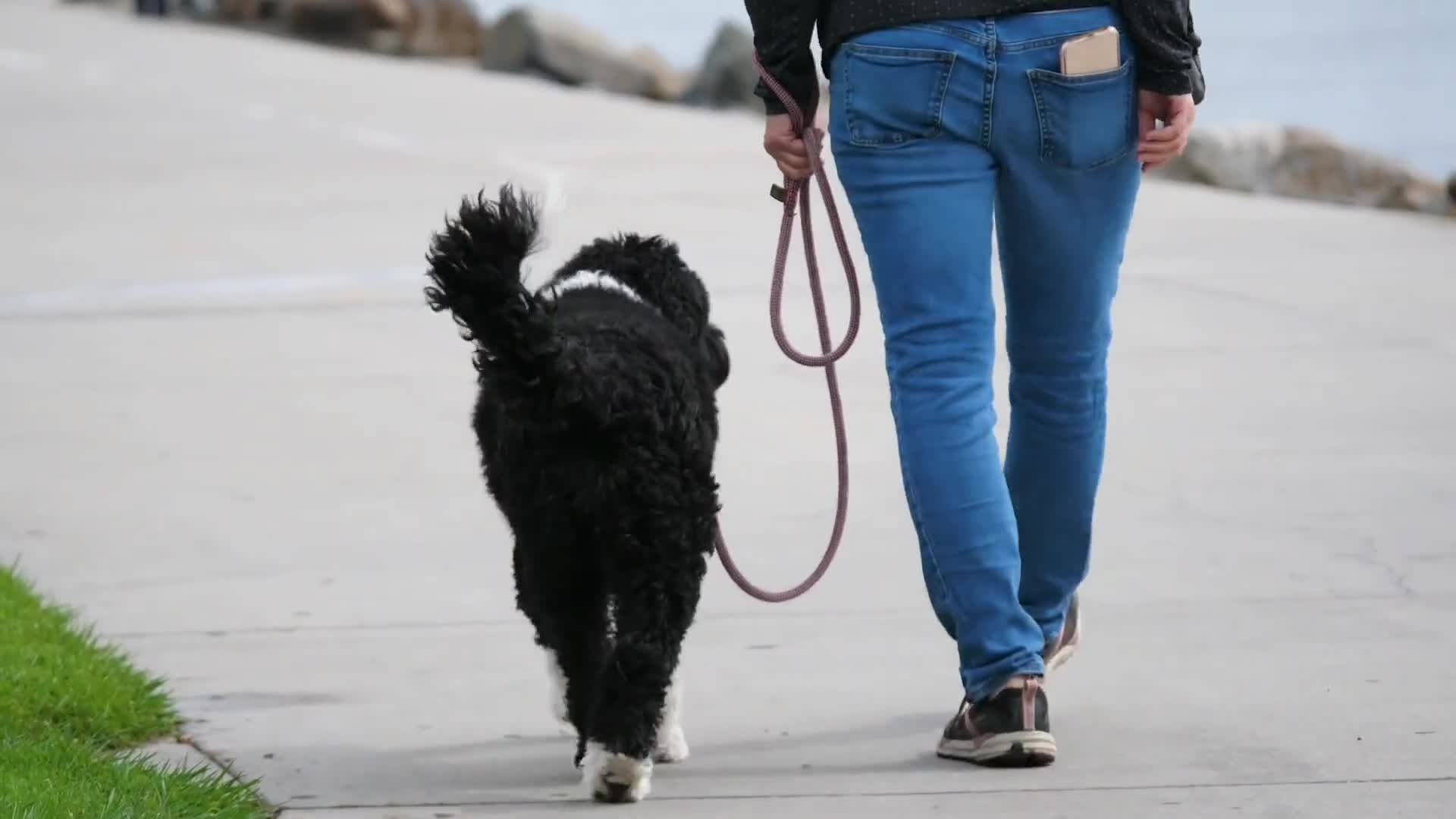
It’s important to engage in activities that are enjoyable for both of you, helping to rebuild and strengthen your connection.

Your brain is naturally inclined to notice negative things over positive ones.

Deep breathing techniques, like box breathing, can indeed be very effective for calming oneself in stressful situations.
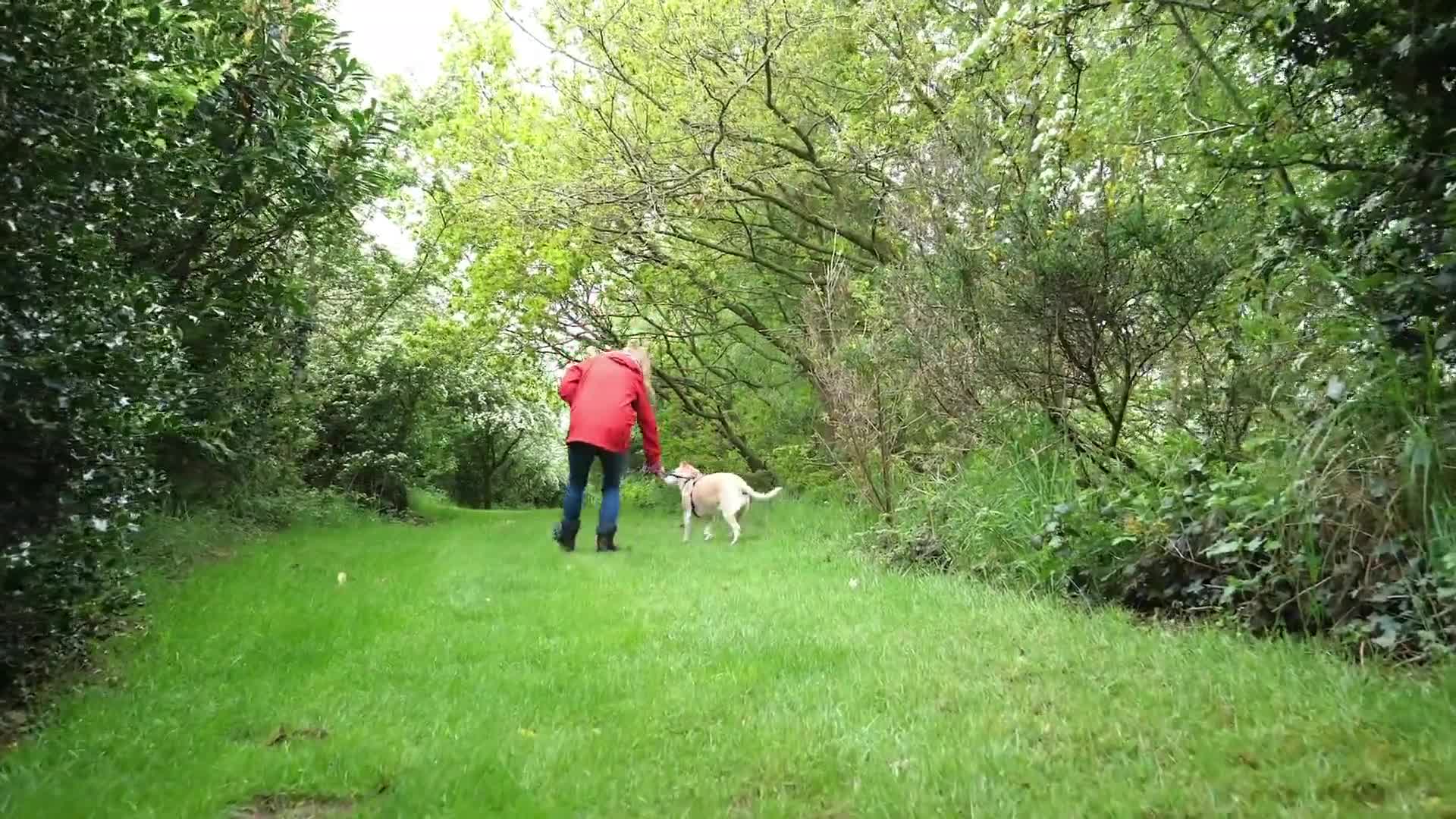
The "countdown to calm" is a grounding exercise designed to reduce anxiety and help you become more present.
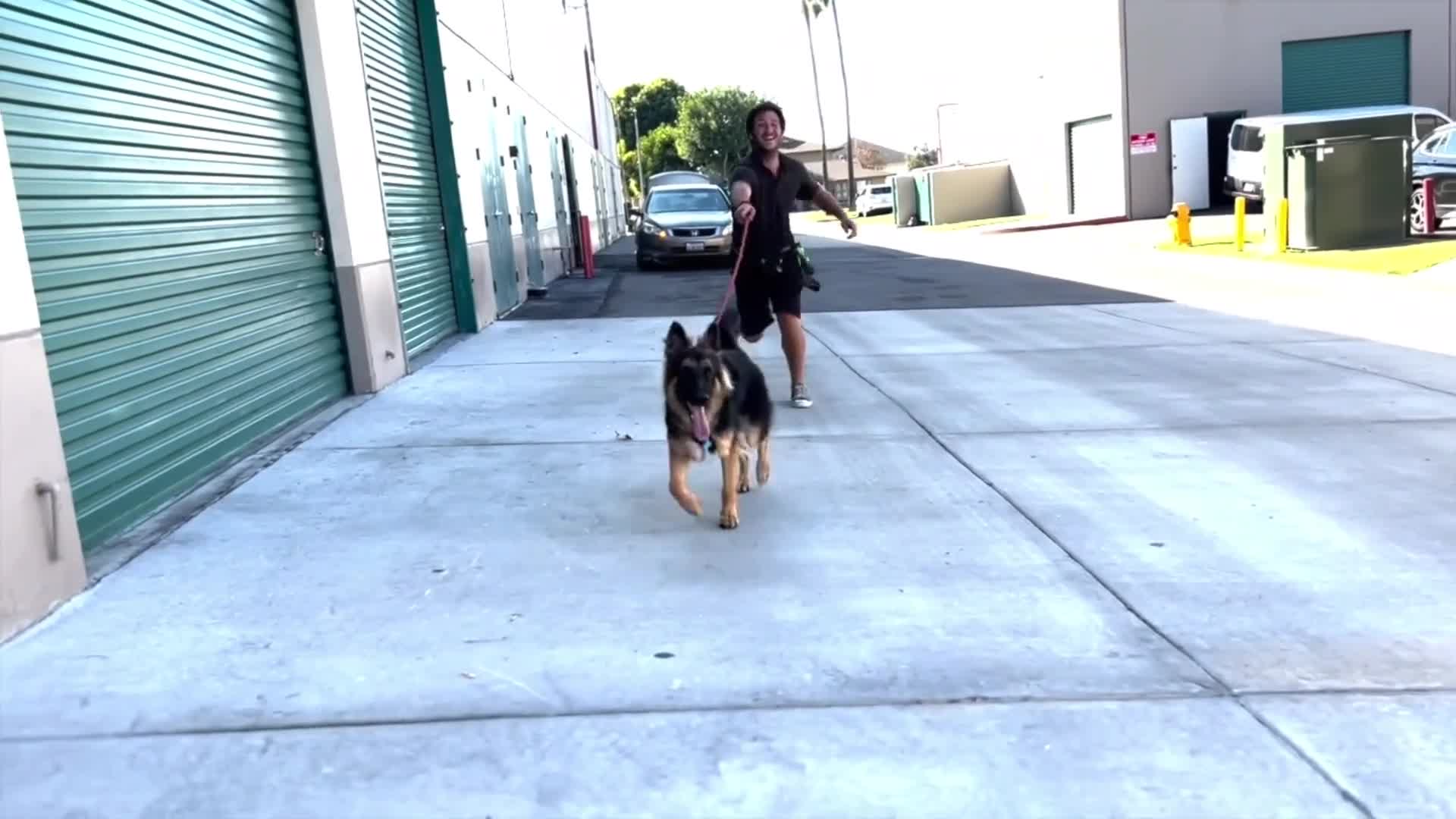
Slowing down the start of your walk can greatly improve the experience for both you and your dog.
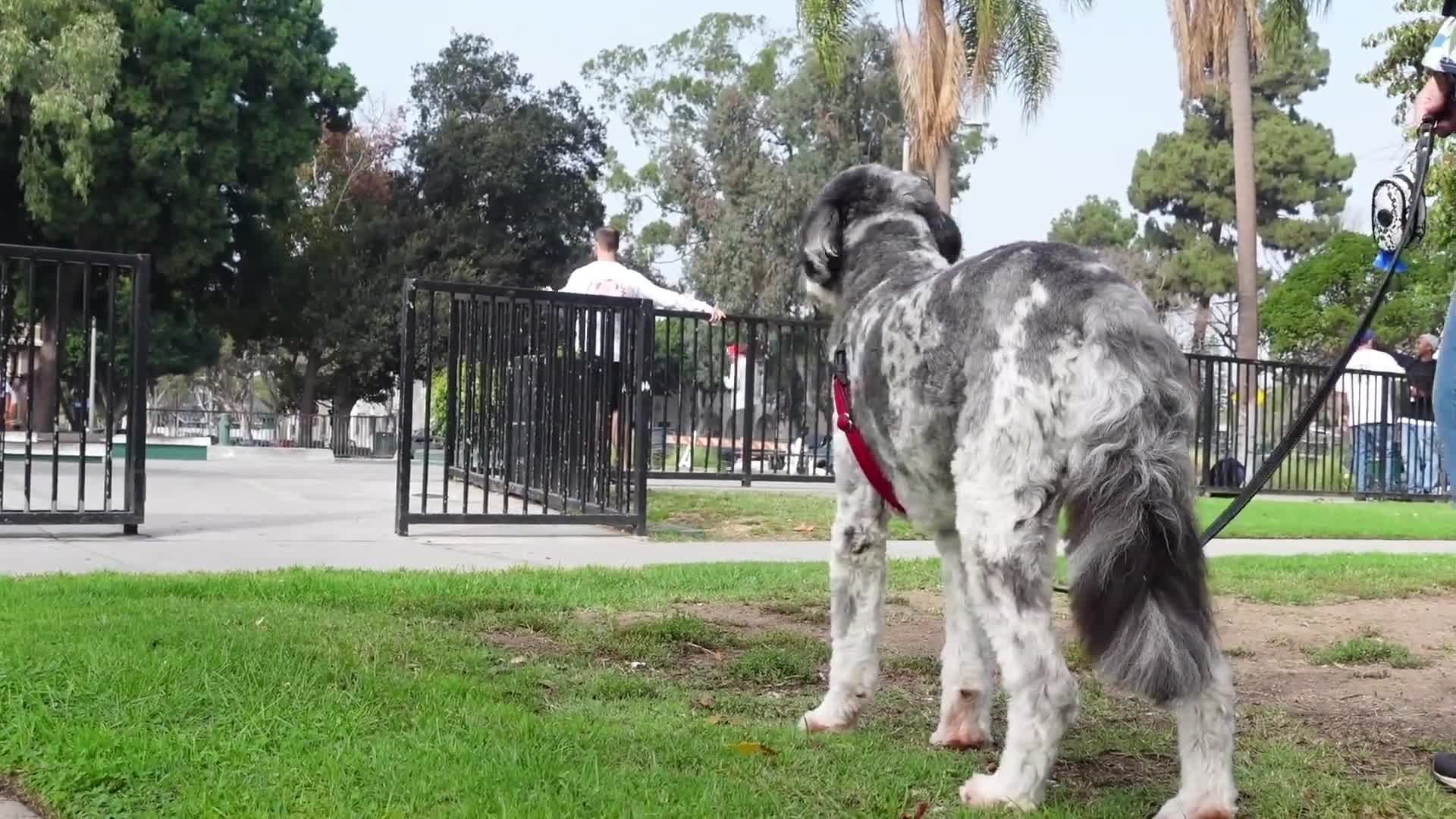
A valuable method for working on your dog's reactivity in real-world settings without relying on direct interactions with triggers or helpers
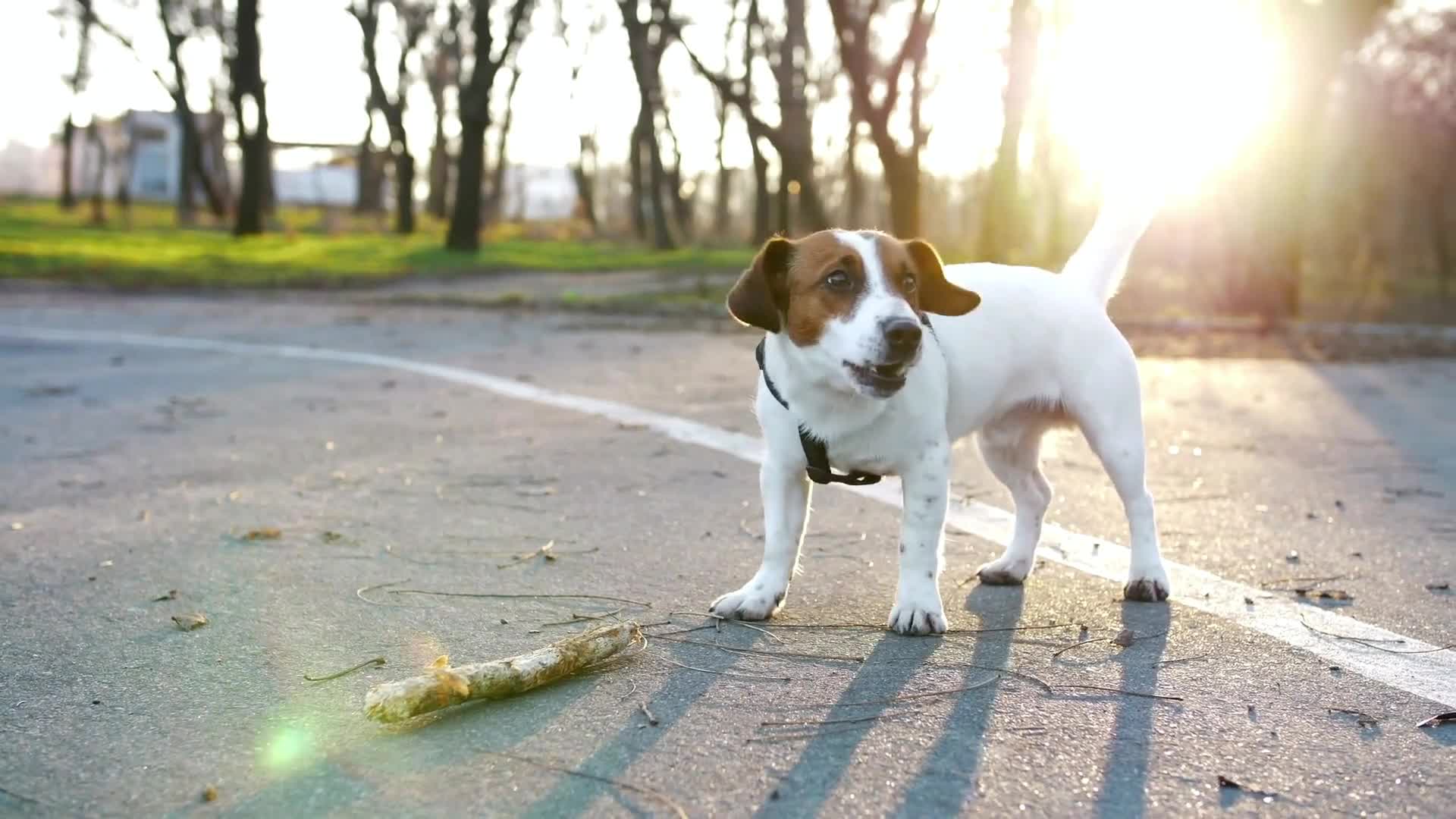
Understanding your dog's stress responses, often categorized as the four F's (Fight, Flight, Freeze, Fool Around), can help you effectively manage and reduce their stress levels.
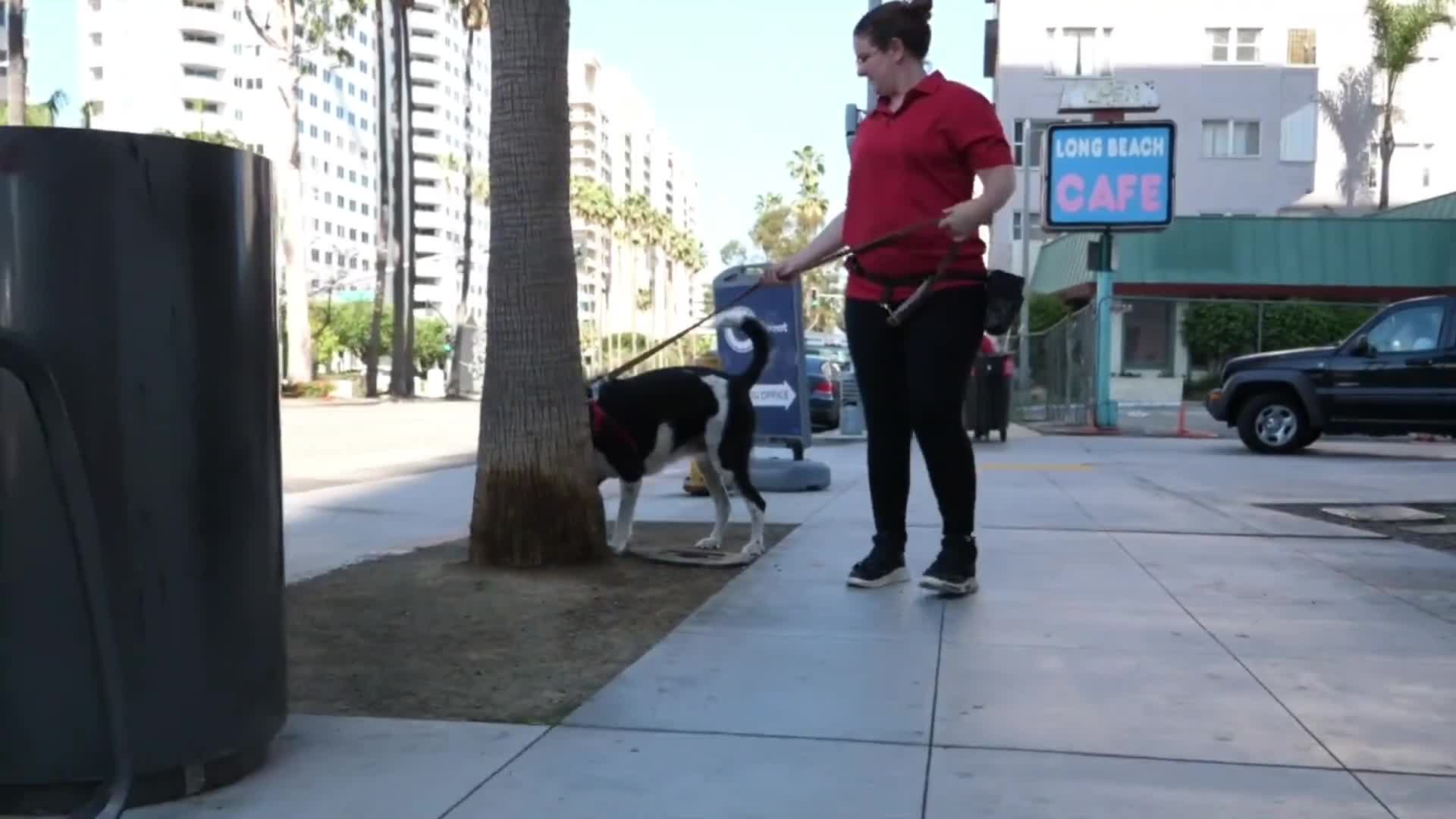
Stopping when your dog stops is a simple but effective strategy to enhance safety, build trust, and prevent reactivity during walks.
A powerful tool for helping dogs feel empowered and in control during stressful husbandry or vet procedures.
A valuable tool for redirecting your dog's attention away from distractions and encouraging them to engage with you voluntarily.

It is often said that we are what we eat, and the same is true for your dog.
You can help your dog develop a calmer and more positive response to the sound of the doorbell.
By understanding both primary and secondary triggers and how they stack, you can better manage your dog's environment and reactions.

This method allows you to gauge your dog’s comfort level and take appropriate actions to support them.
By consciously choosing a challenge mindset and incorporating games into your routine, you can create a more positive and effective approach to working with your reactive dog.
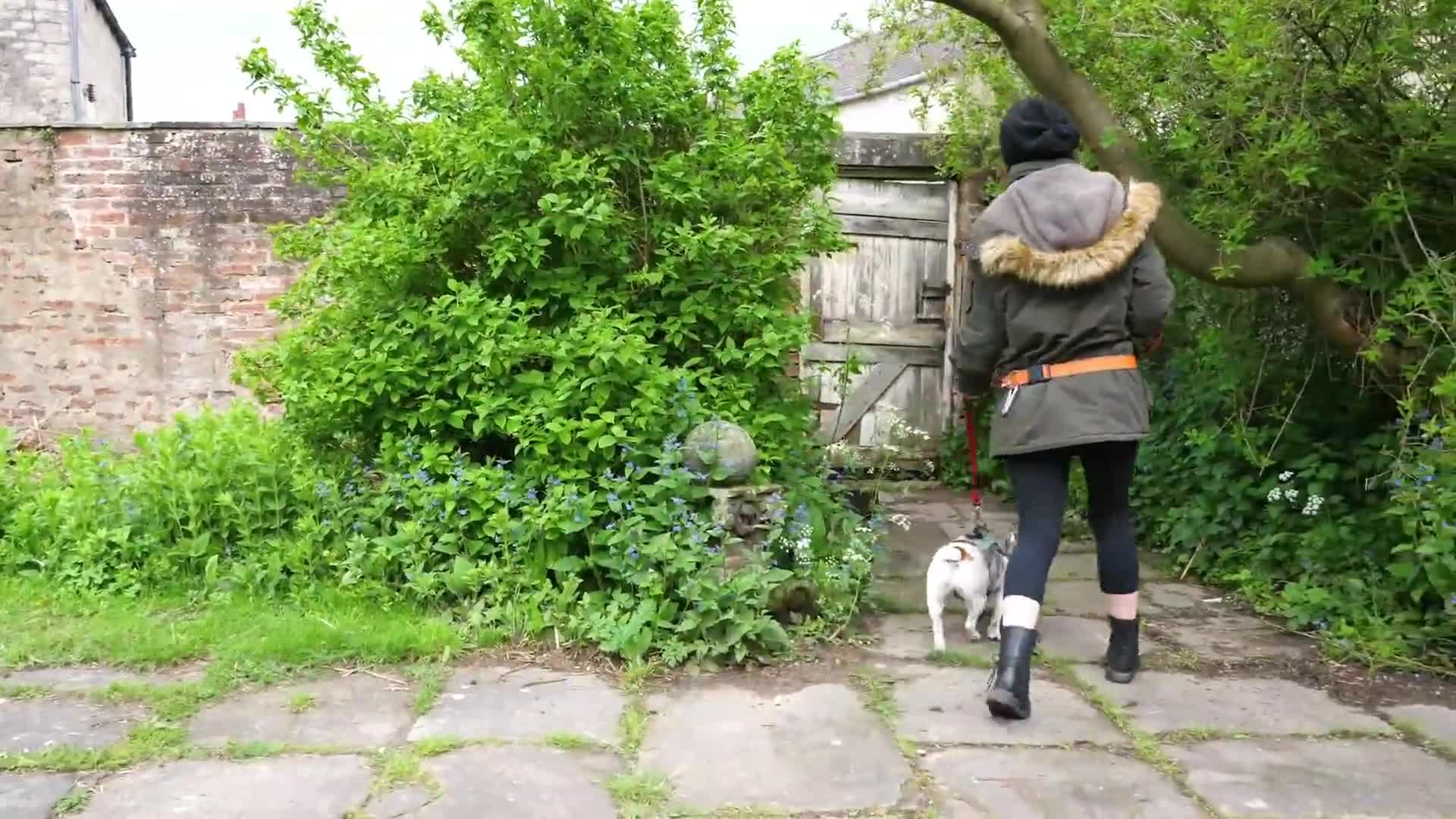
By maintaining good posture and practicing power poses, you'll not only improve your own well-being but also create a more positive and effective interaction with your dog.
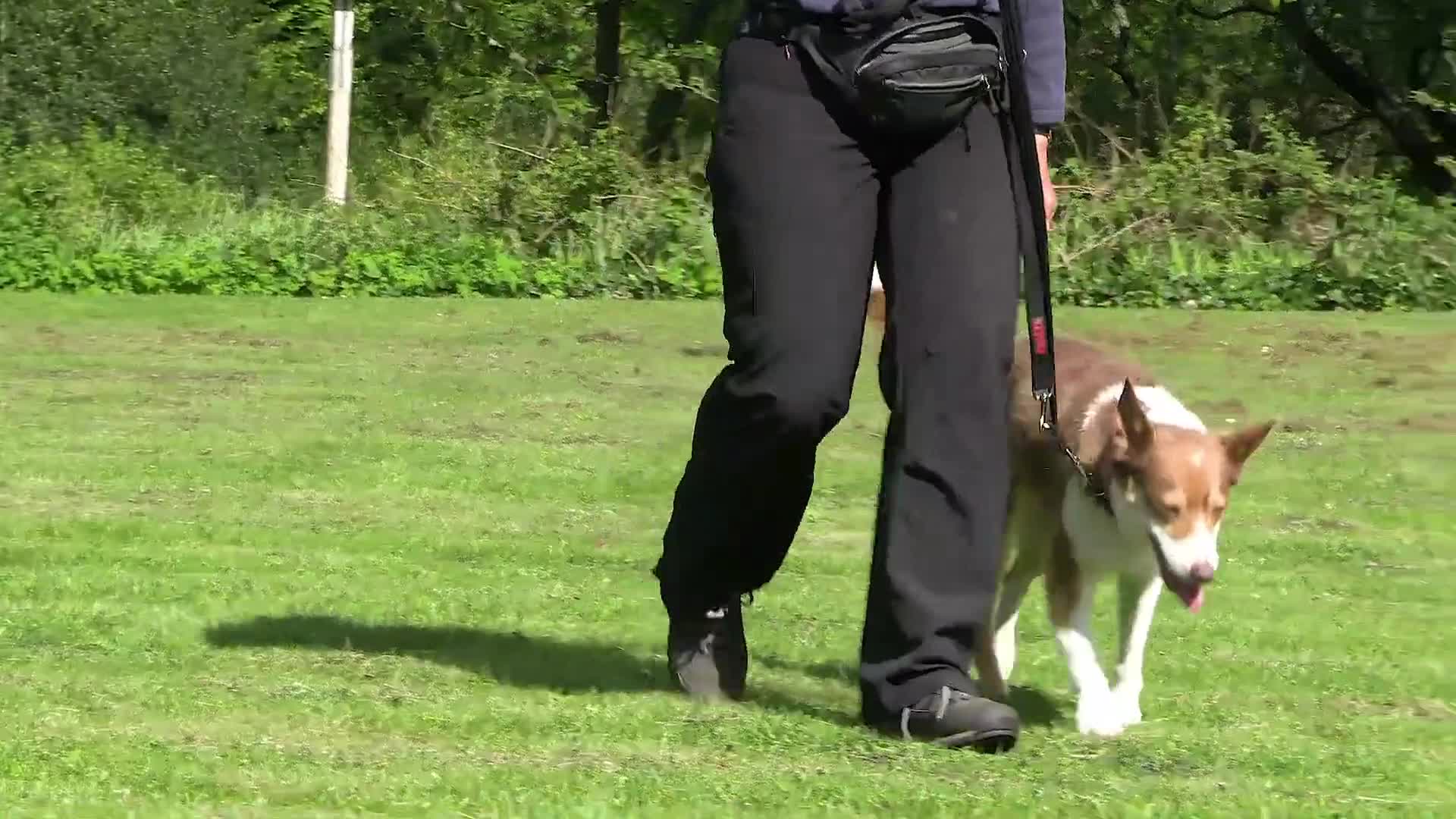
Walking your dog isn't compulsory, but if you choose not to, you need to replace the walk with alternative activities.

Teaching your dog to take a breath can be a valuable tool for promoting calmness and relaxation.

Teaching your dog to relax on a mat is foundational for fostering calmness and reducing arousal levels, both at home and during walks.
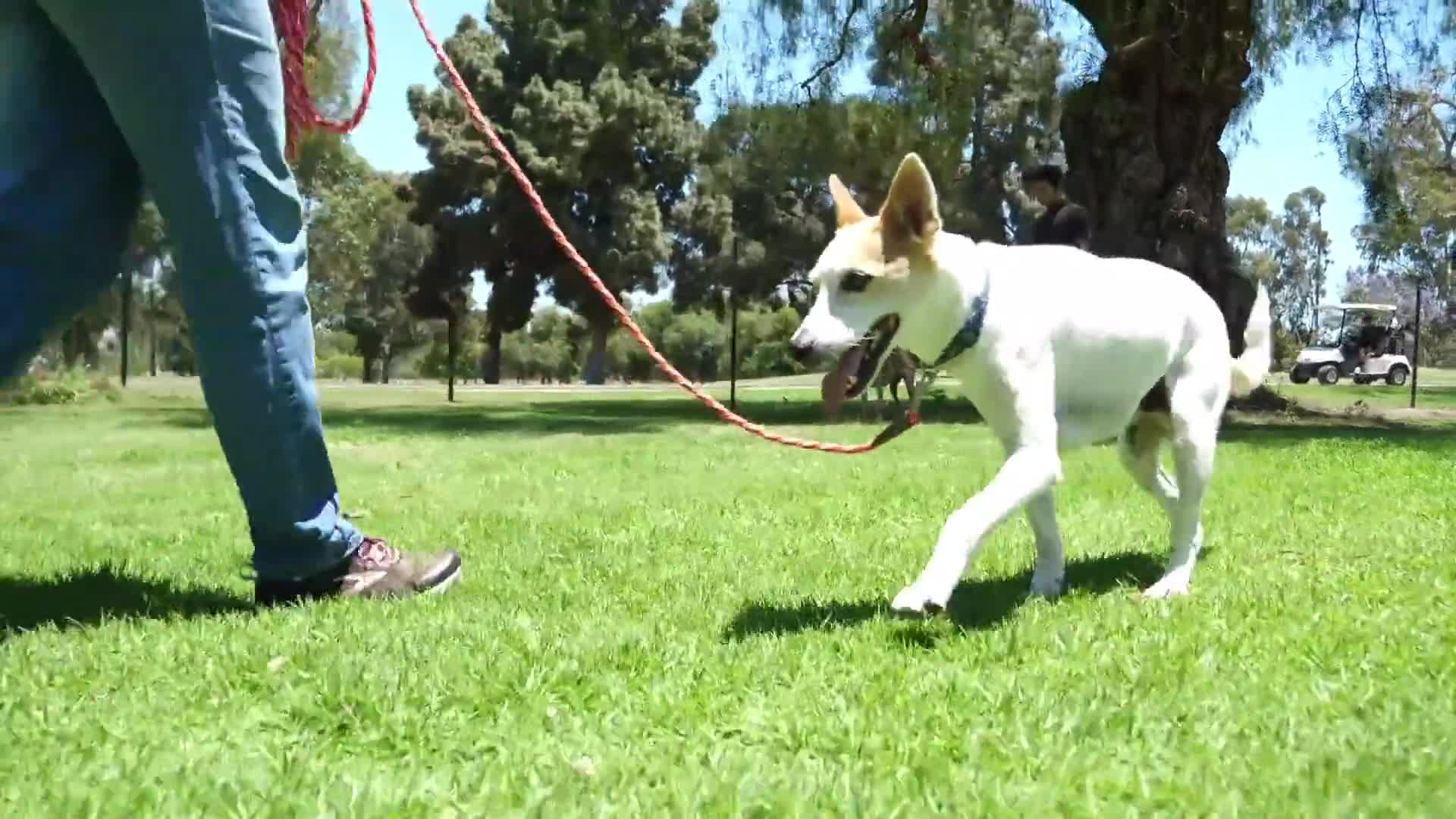
By incorporating the Turtle TTouch into your routine, you can help your dog relax physically and mentally, improving their comfort and mobility.

Keeping a diary for your dog can be an invaluable tool in tracking progress, identifying triggers, and communicating effectively with trainers and professionals.
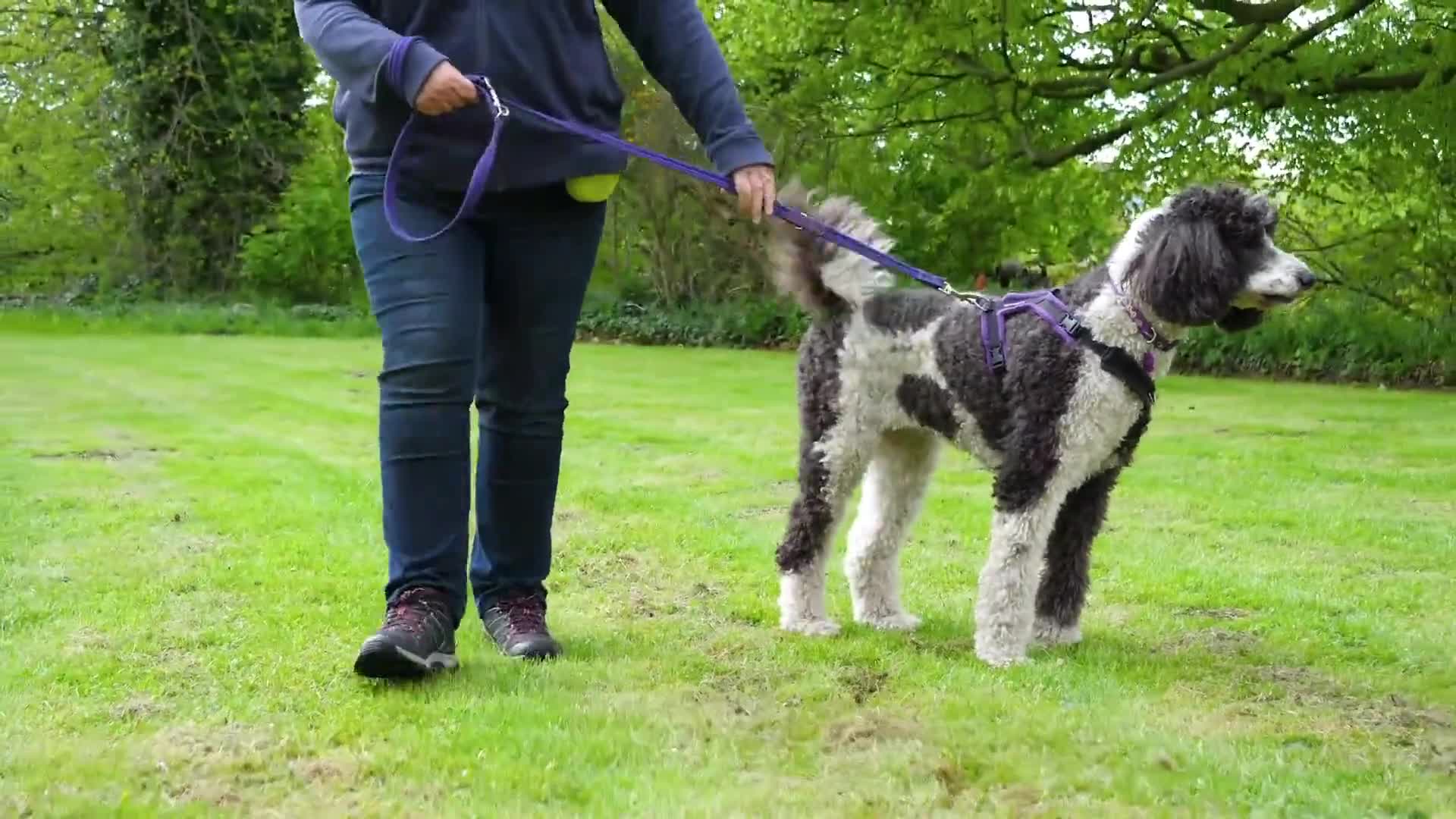
Reactivity is exceptionally challenging for several reasons.
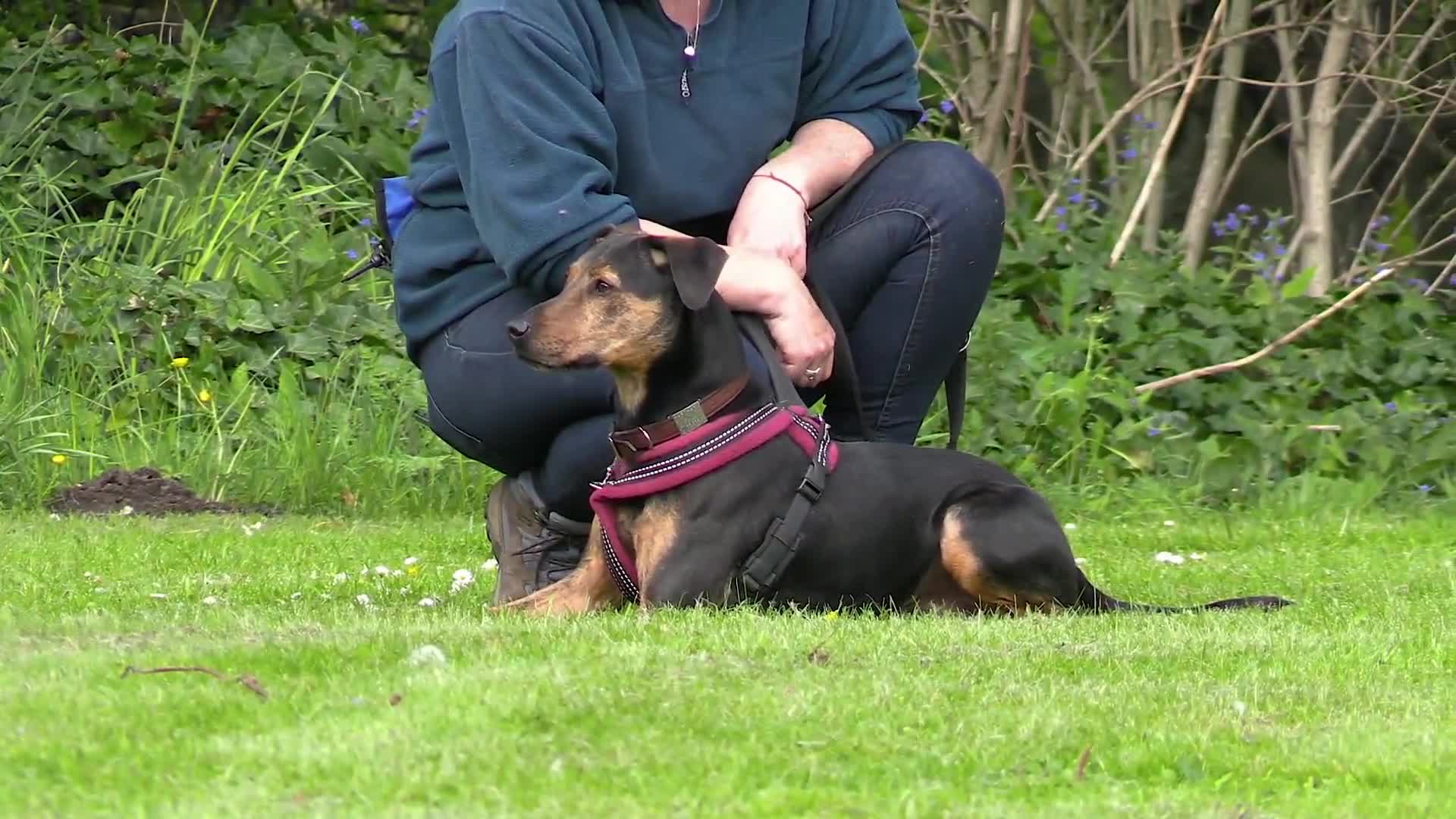
Your dog may be frightened, frustrated, or overexcited, and sometimes it's hard to tell the difference.
To understand your dog, you need to grasp their basic needs, which can be divided into inelastic behaviors, essential for survival, and elastic behaviors, essential for thriving.
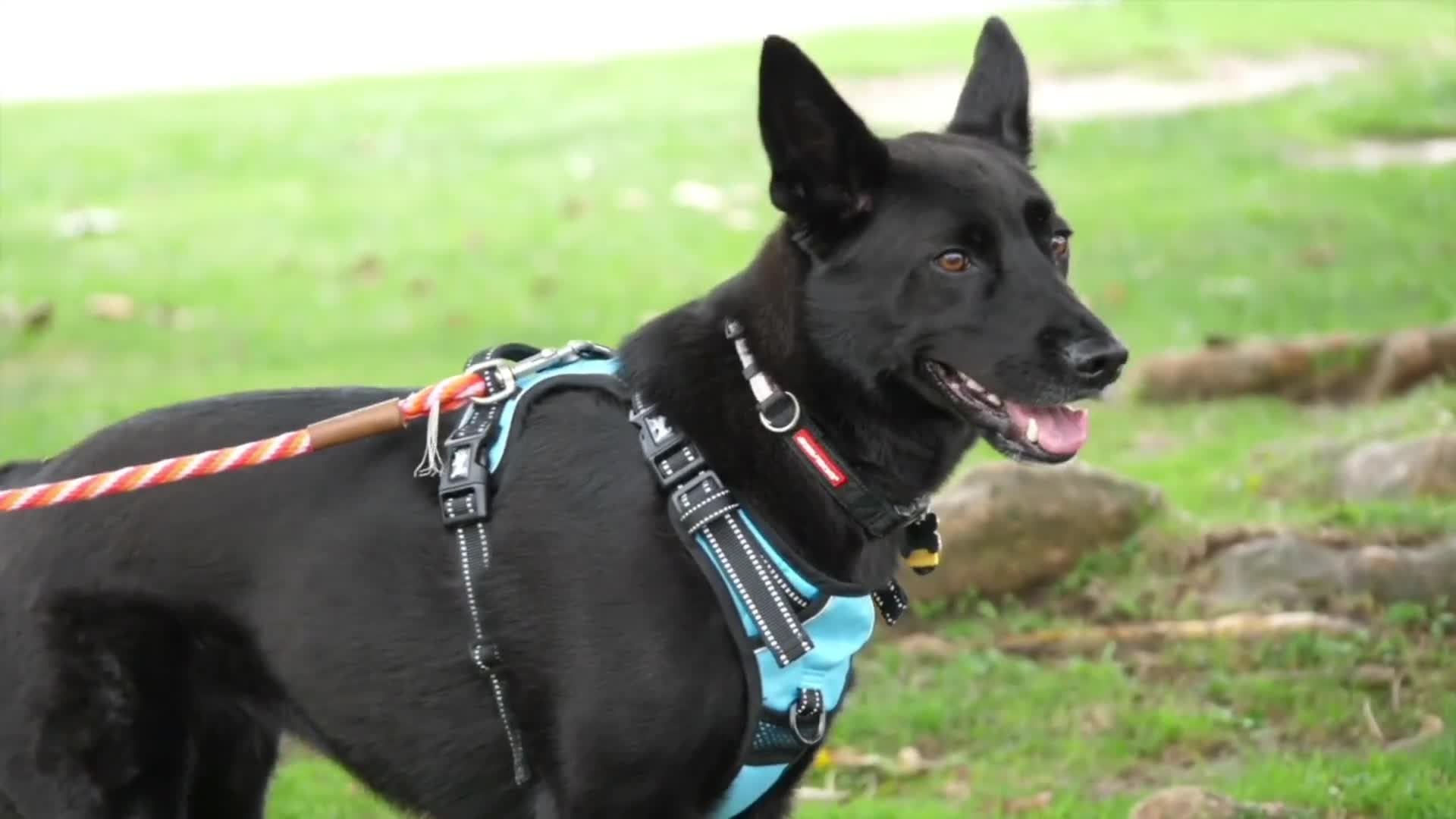
When preparing to walk your dog closer to other dogs, it's essential to approach the situation with careful planning and consideration for your dog.
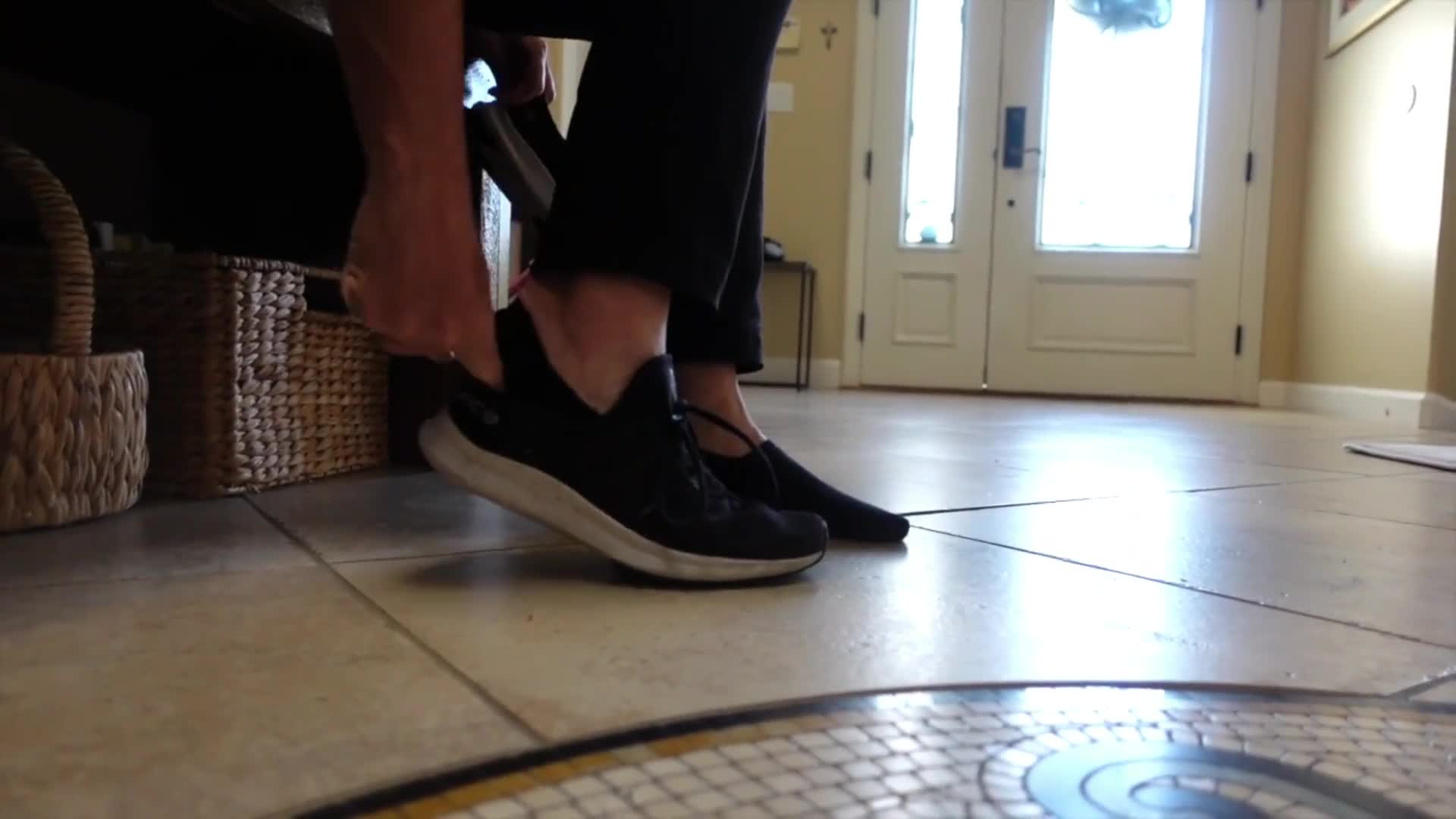
Training your dog to wait calmly at the door before going for a walk is a valuable skill that can help manage their excitement.
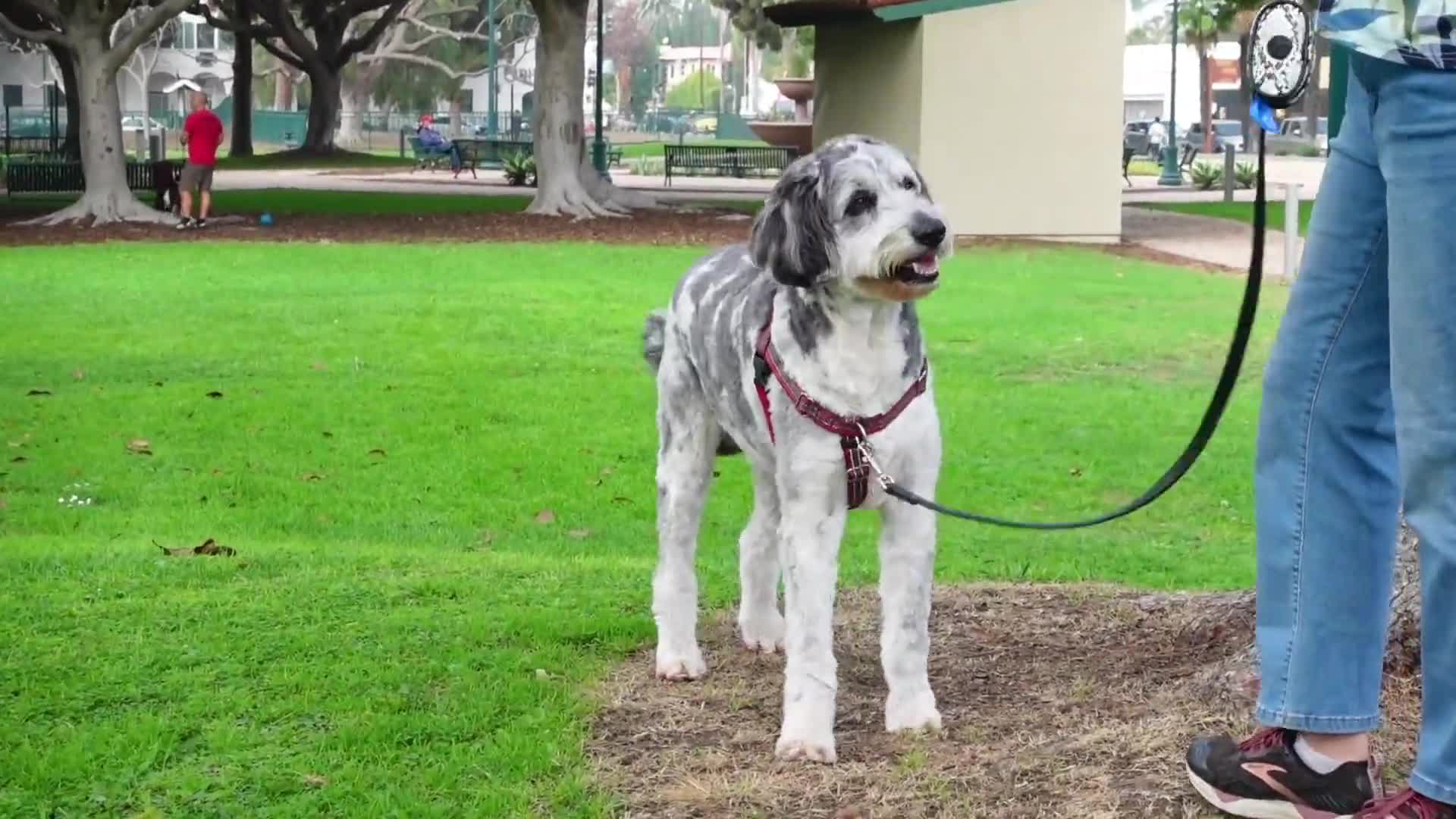
A valuable training game that enhances communication between you and your dog regarding their environment.
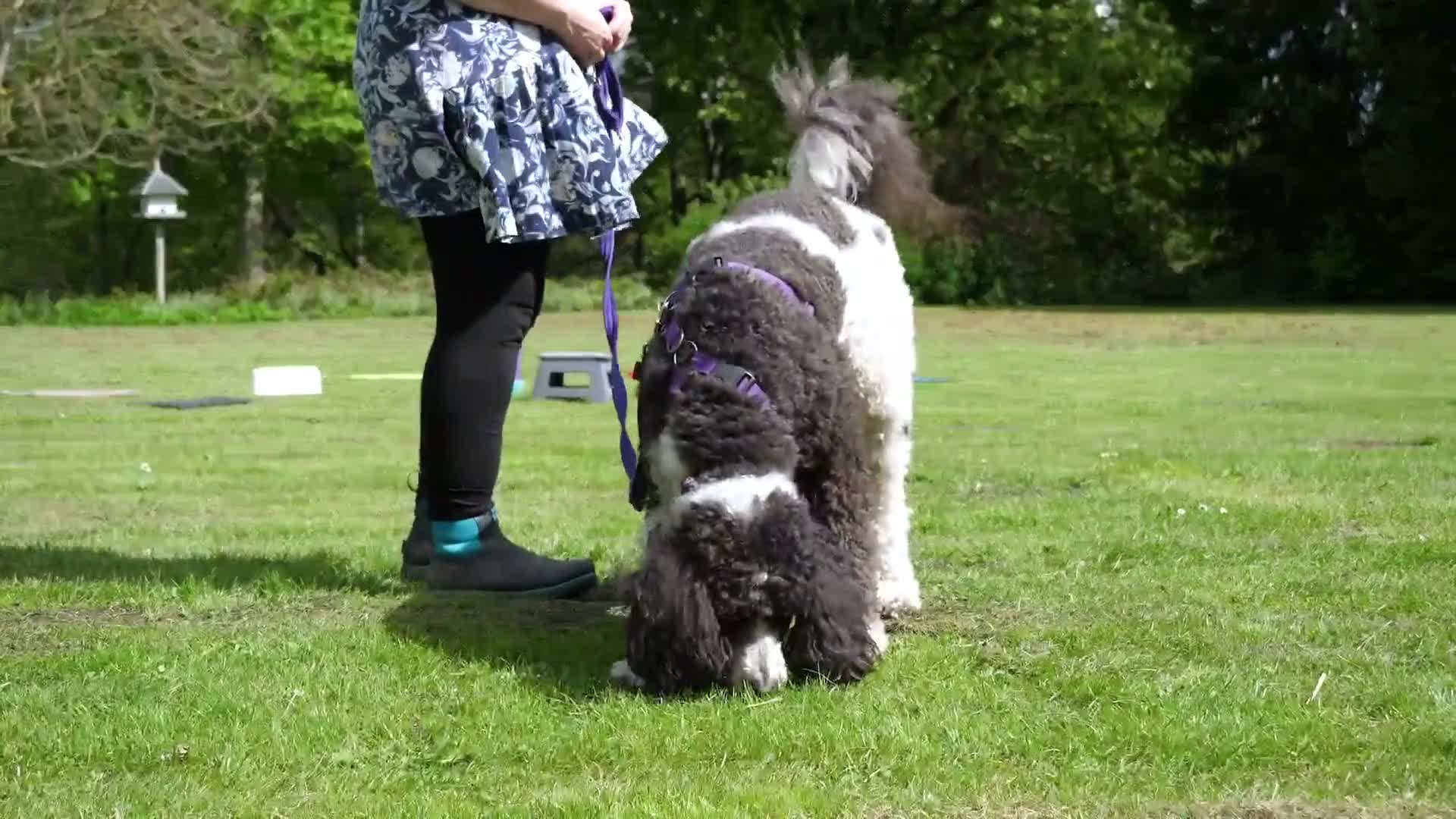
A valuable training exercise for fostering regular check-ins from your dog, especially in environments where movement is restricted.
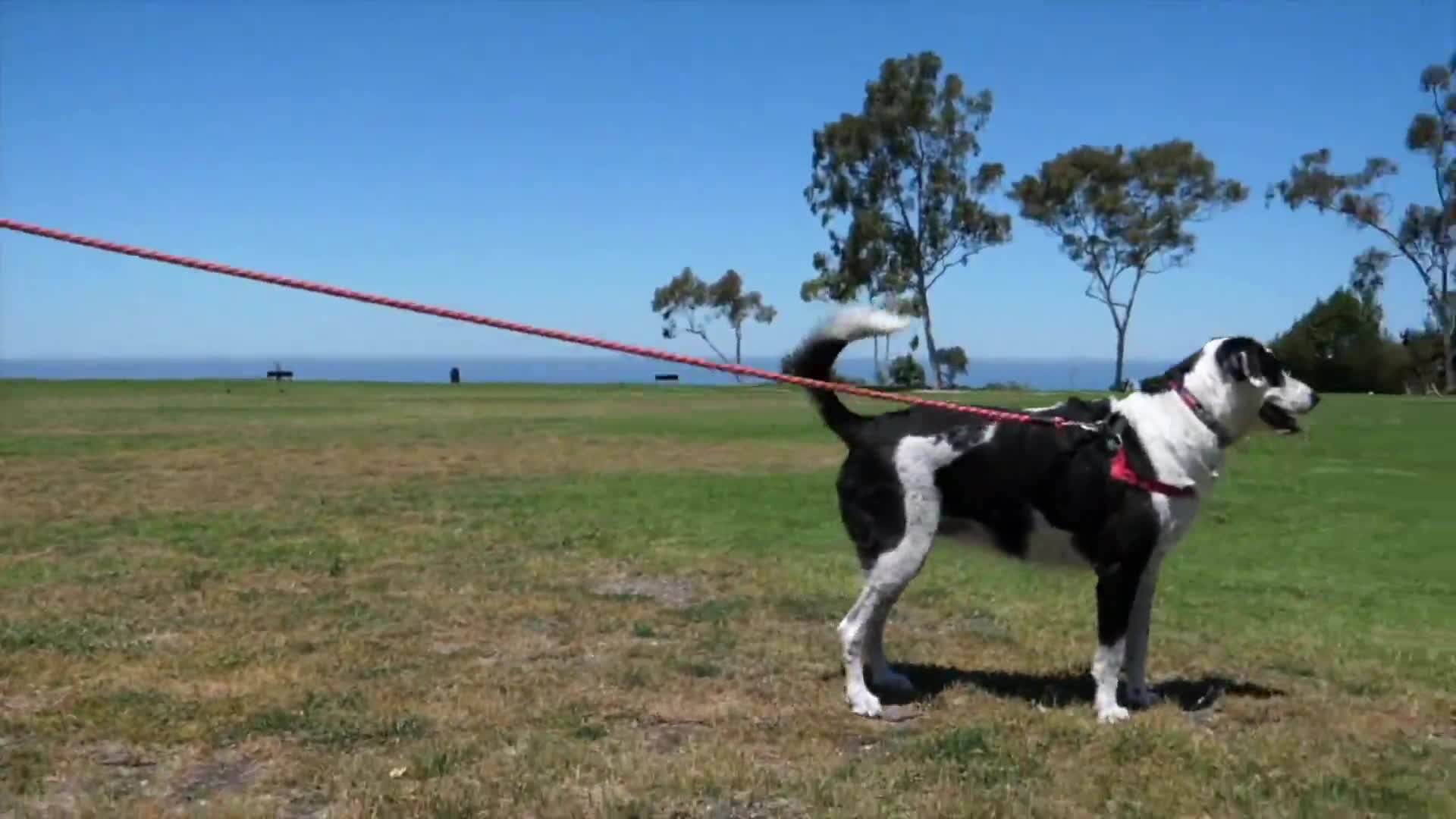
Understanding what precedes your dog's behavior is crucial for effectively managing and resolving their reactivity.
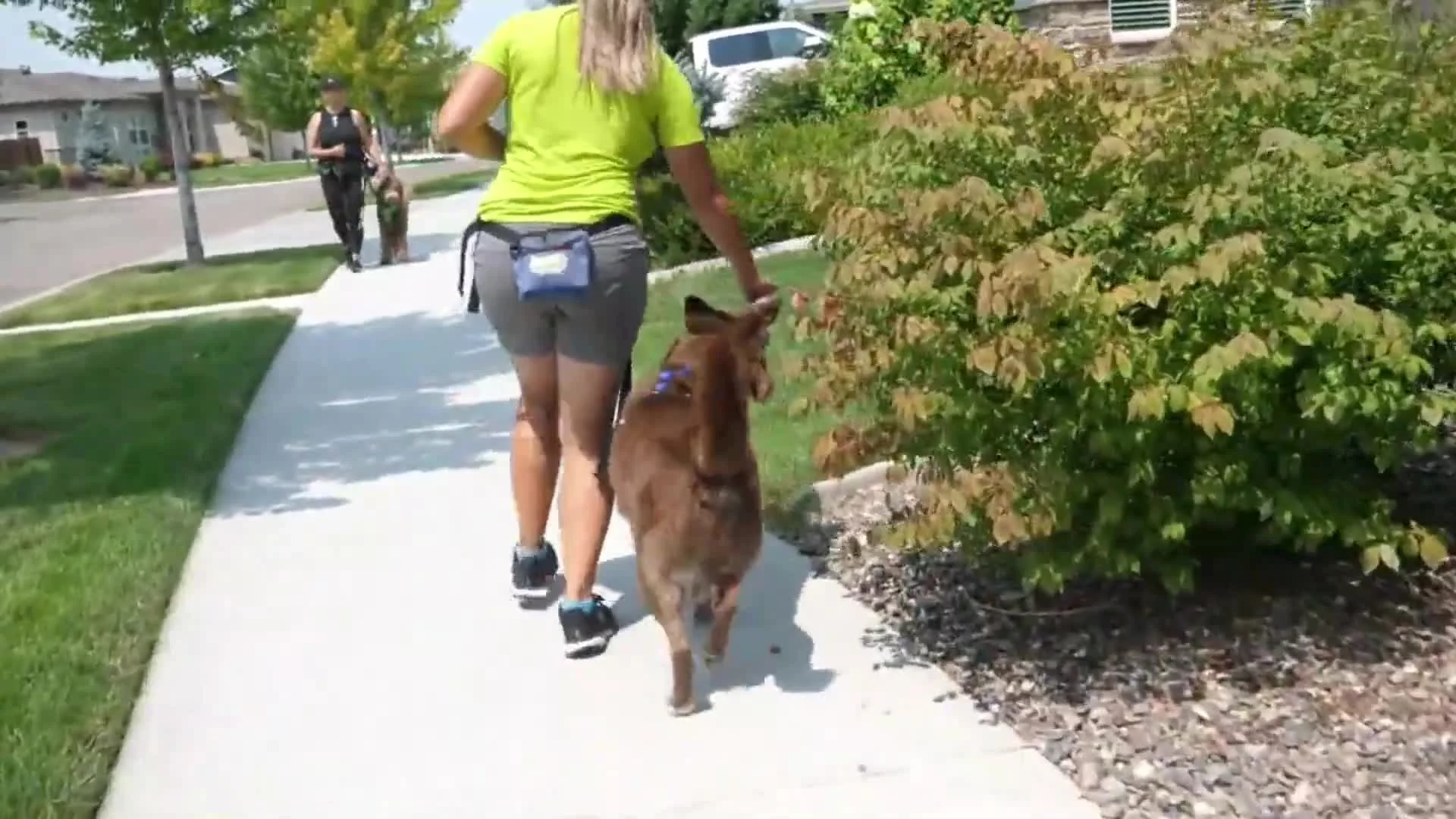
By proactively using the environment, you can manage your dog's exposure to triggers and create a safer, more controlled walking experience.
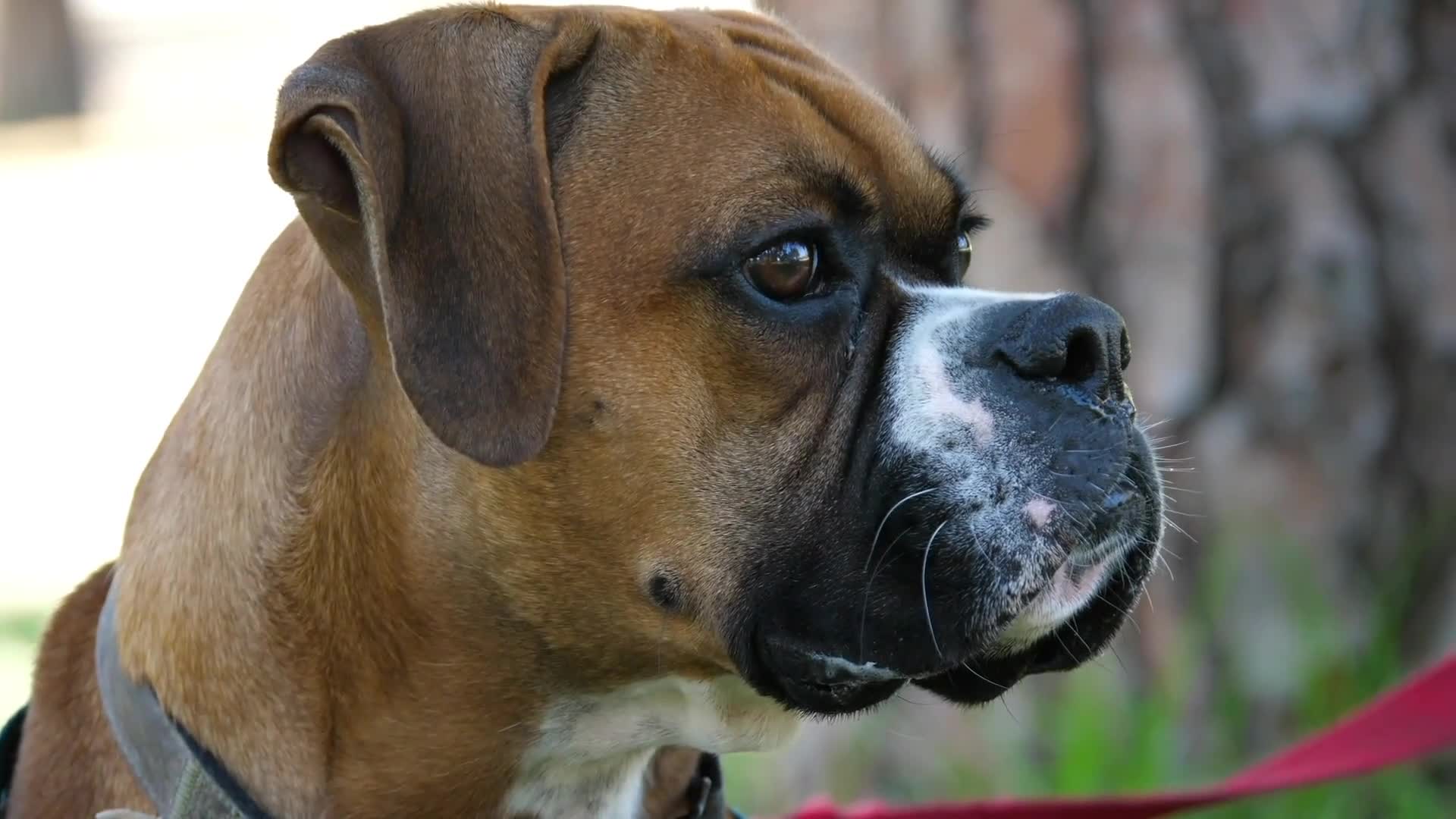
Shifting Perspectives on Your Dog
The way you think and talk about your dog can significantly impact both your own perceptions and how others perceive them. Here’s how you can use positive language to foster a healthier mindset and interaction with your dog:
1. Avoid Negative Labels
Impact of Labels: Continually labeling your dog as difficult, naughty, stubborn, or crazy can reinforce negative behaviors and perceptions.
Shift in Perception: Instead of labeling, focus on describing specific behaviors or situations. For example, rather than calling your dog stubborn, describe the behavior: "He paused suddenly on the street."
2. Understanding Behavior
Exploring Reasons: Recognize that behaviors often have underlying reasons, such as discomfort, pain, environmental factors, or sensory awareness.
Observation: Without preconceived labels, you’re more likely to observe and address these underlying issues effectively.
3. Positive Descriptors
Empowering Language: Choose positive descriptors that highlight your dog’s strengths and improvements.
Examples: Playful, affectionate, improving, curious, attentive, adaptable.
4. Influencing Others’ Perceptions
Communication: When communicating about your dog to others, use positive language to convey their personality and progress.
Educate: Inform others about your dog’s needs (like needing space) without painting a negative picture. For instance, "He's still learning to be comfortable in new environments."
5. Mindful Language Use
Impact on Training: Positive language can enhance training outcomes by promoting a supportive and encouraging environment.
Self-Reflection: Regularly assess how your words and thoughts about your dog influence your interactions and perceptions.
Words shape our perceptions and behaviors toward our dogs. By using positive, descriptive language and avoiding negative labels, you can foster a more understanding and supportive relationship with your dog. Remember, how you think and talk about your dog matters—make your words count towards building a positive and empathetic connection.
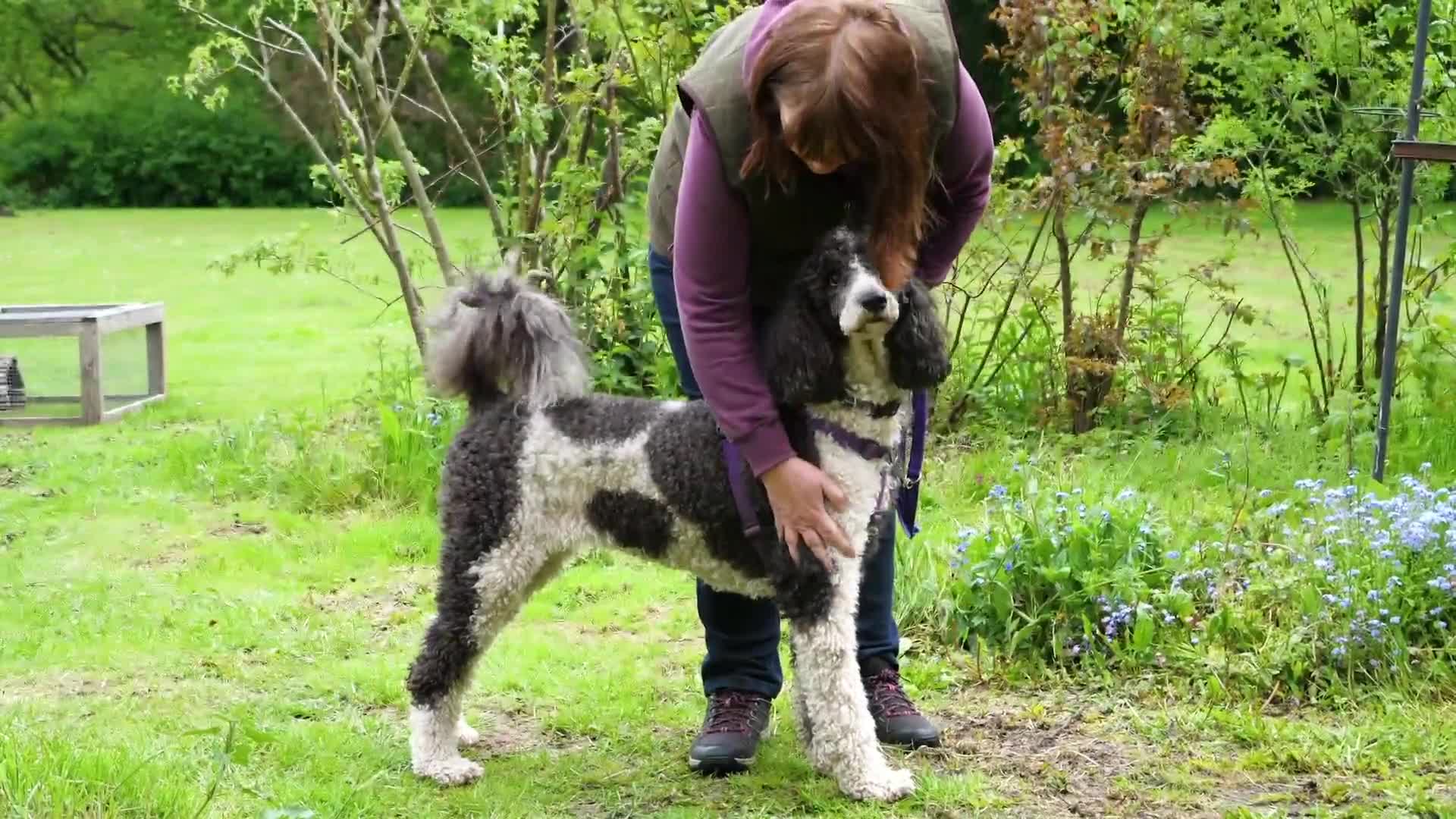
This technique helps promote relaxation and can be a beneficial way to connect with your dog while providing gentle physical stimulation.