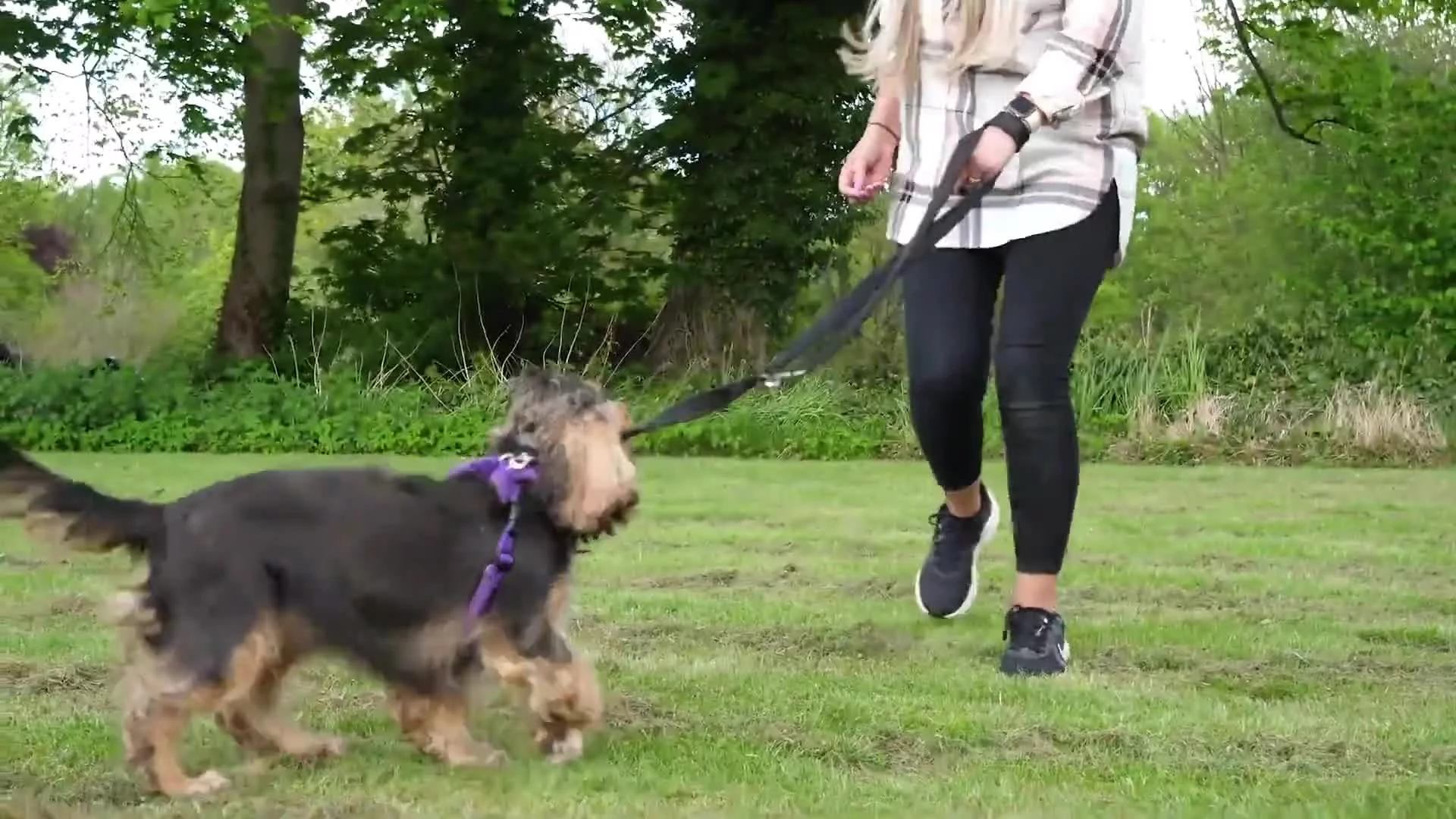
"Back Up and Treat" is a simple and effective game designed to help you and your dog quickly and calmly move away from a potentially scary situation, such as another dog approaching. Here's how to get started:
1. Preparation
Gather some of your dog's favorite, easy-to-eat treats.
Choose a distraction-free area, like your home or yard.
2. Initial Training:
Start with your dog beside you.
Walk forward a few steps, then hold a treat in front of your dog's nose.
Quickly move backward, leading your dog to follow the treat and turn to face you.
As your dog follows and turns, mark the behavior (using a clicker or a verbal cue like "yes") and reward them with the treat.
Repeat this process until your dog quickly turns and follows you as soon as you move backward.
3. Advanced Training:
Once your dog consistently follows the treat, practice without holding the treat in your hand. The goal is for your dog to respond to your movement rather than just the treat.
Start with straight lines, then introduce changes in direction, such as moving at right angles, to guide your dog out of the path of oncoming danger.
4. Real-World Application:
Practice in various environments to help your dog generalize the behavior.
Vary the rewards to maintain your dog's interest and ensure they respond even if you forget your treat bag.
By practicing "Back Up and Treat," you'll be able to effectively manage situations in which you need to avoid your dog seeing or reacting to something scary while maintaining their focus on you.
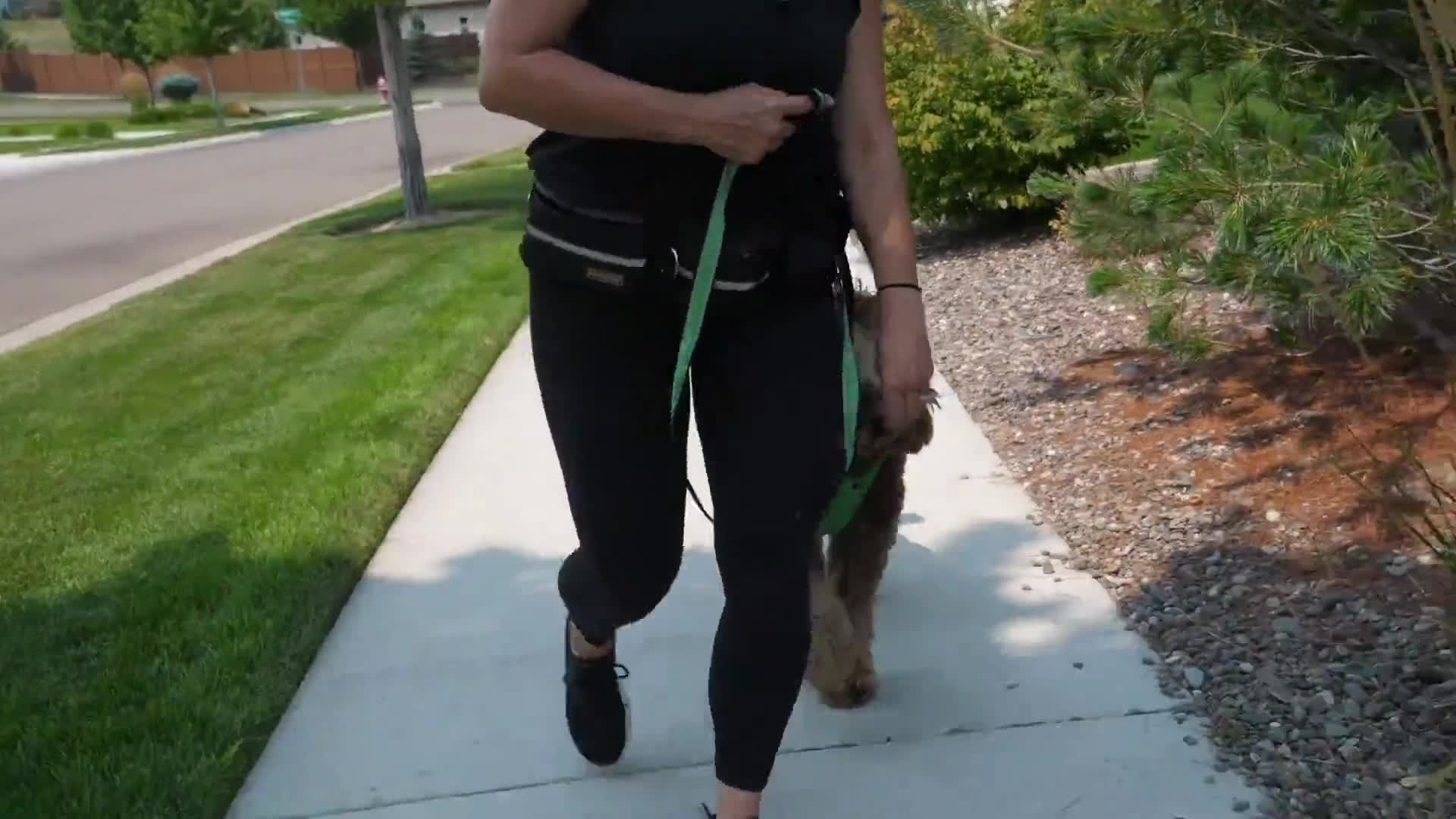
When you find yourself in challenging situations, having strategies in place can help you remain calm and support your dog.
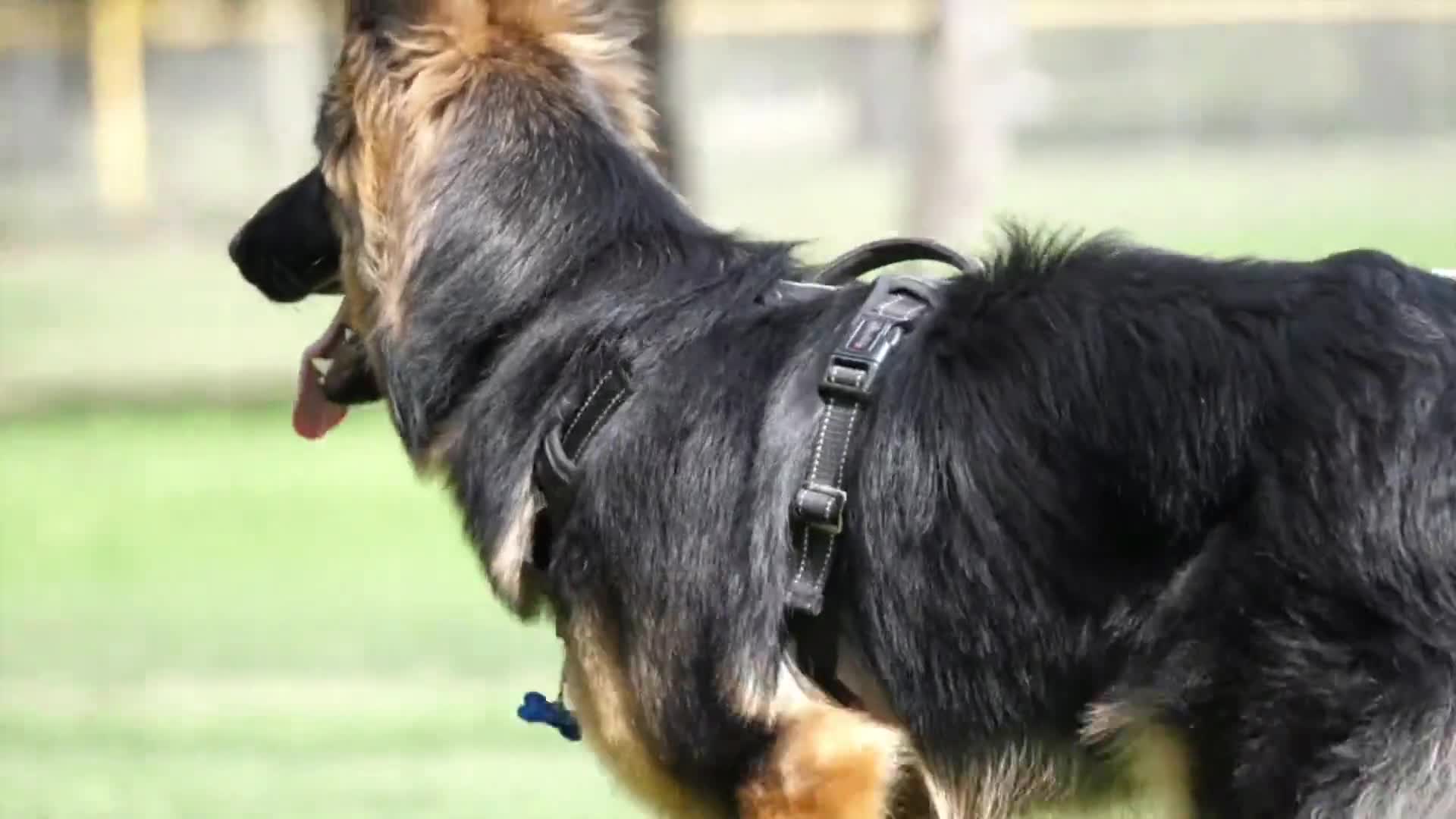
When your dog becomes fixated on something during a walk, it's important to get their attention to move away before they overreact.
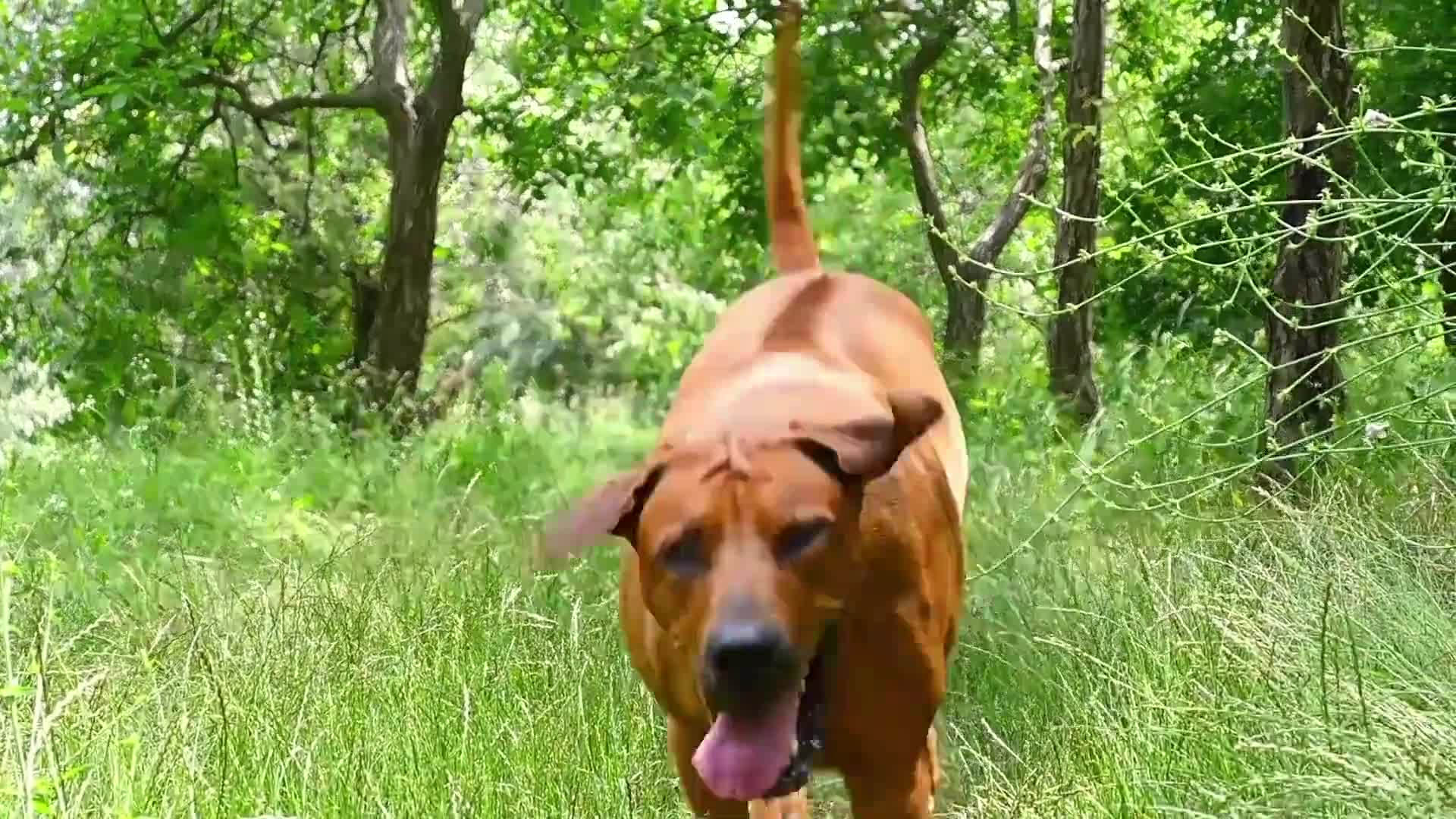
A hazard is any danger in the environment that you and your dog might encounter. While you can't always avoid hazards, being prepared can make a significant difference.
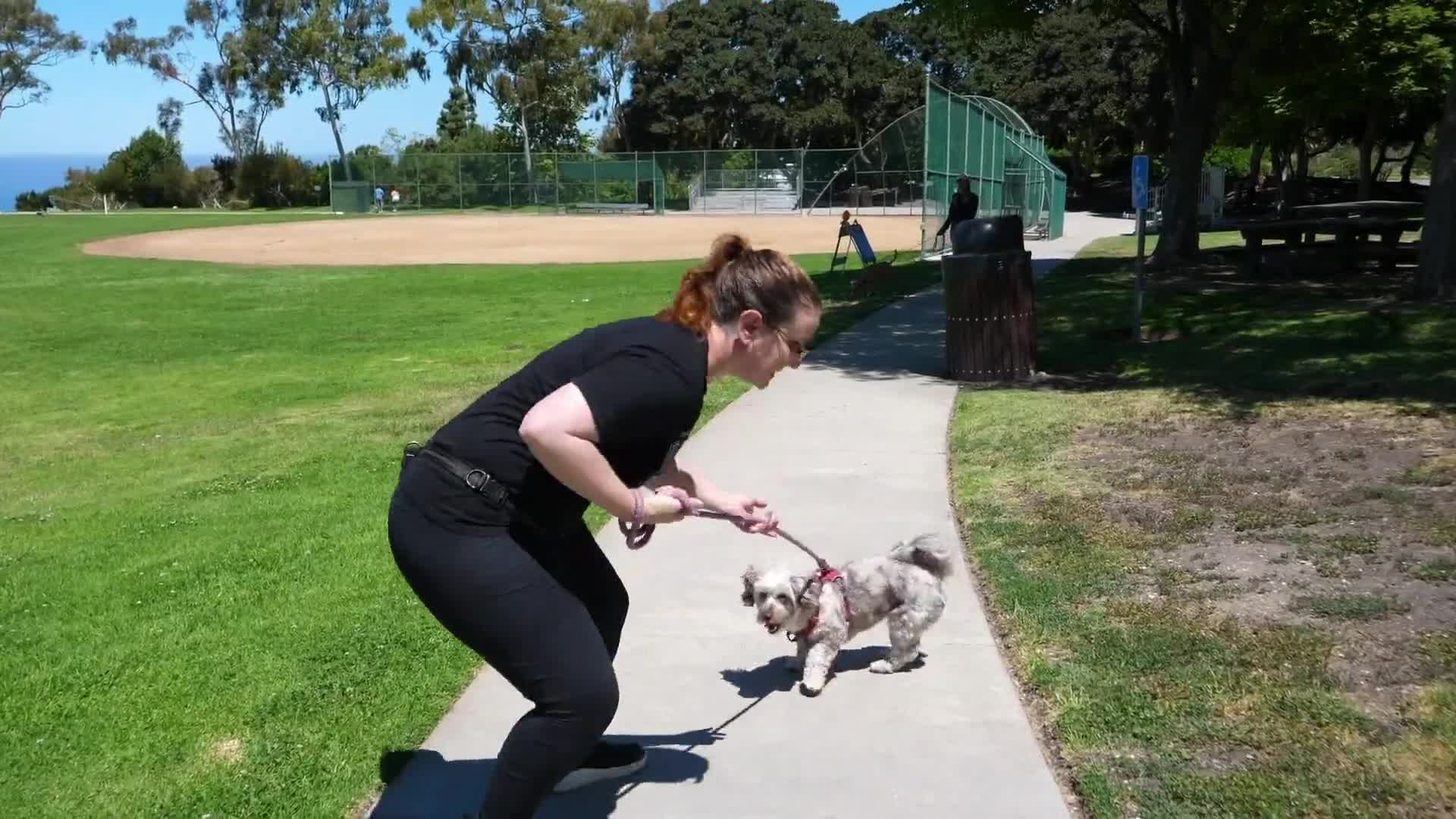
Teaching your dog the "Let's Go" cue is an effective way to quickly get out of trouble by turning around.
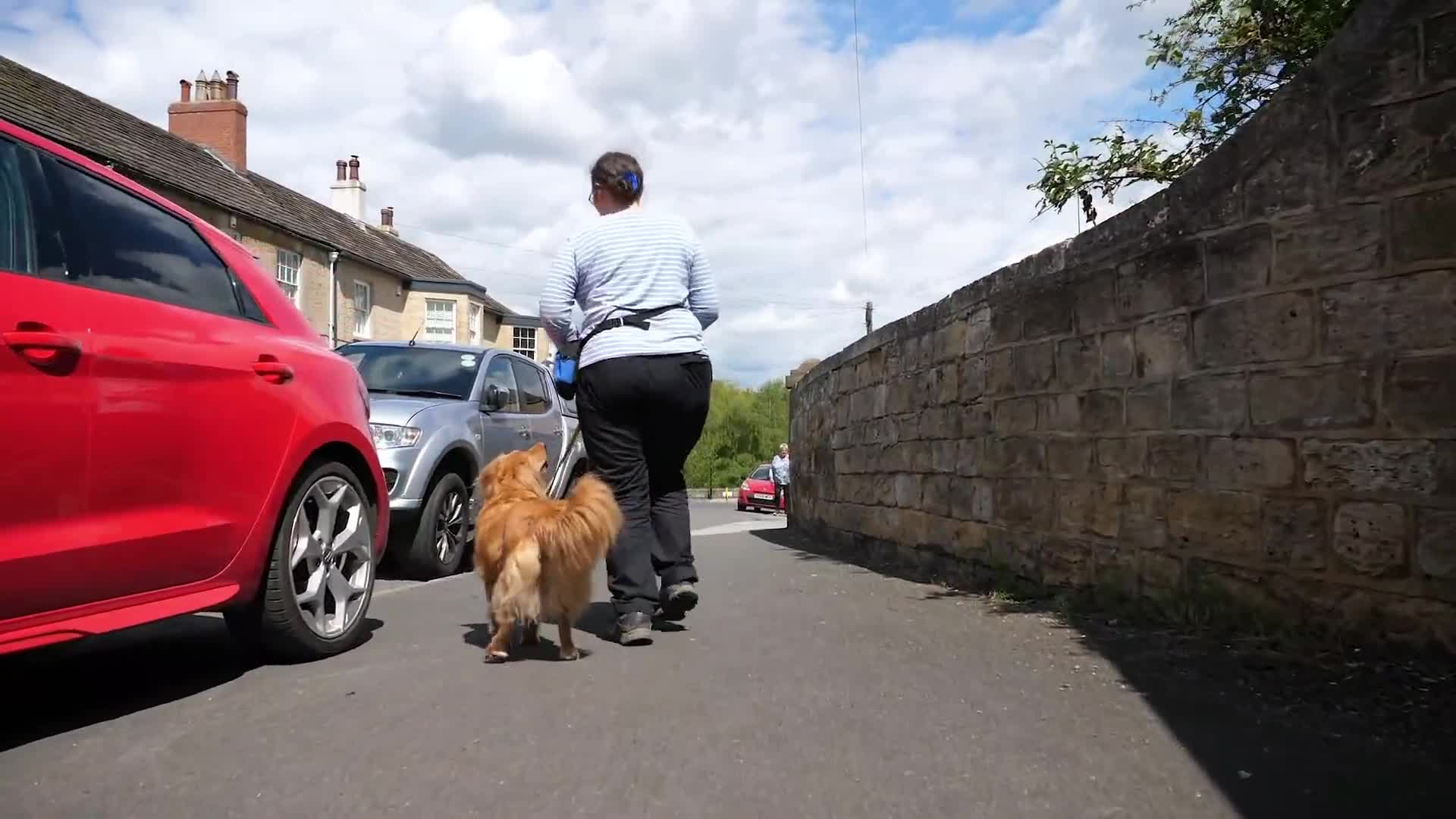
Staying alert to potential hazards while walking your dog can help keep them safe without adding stress to your outings.
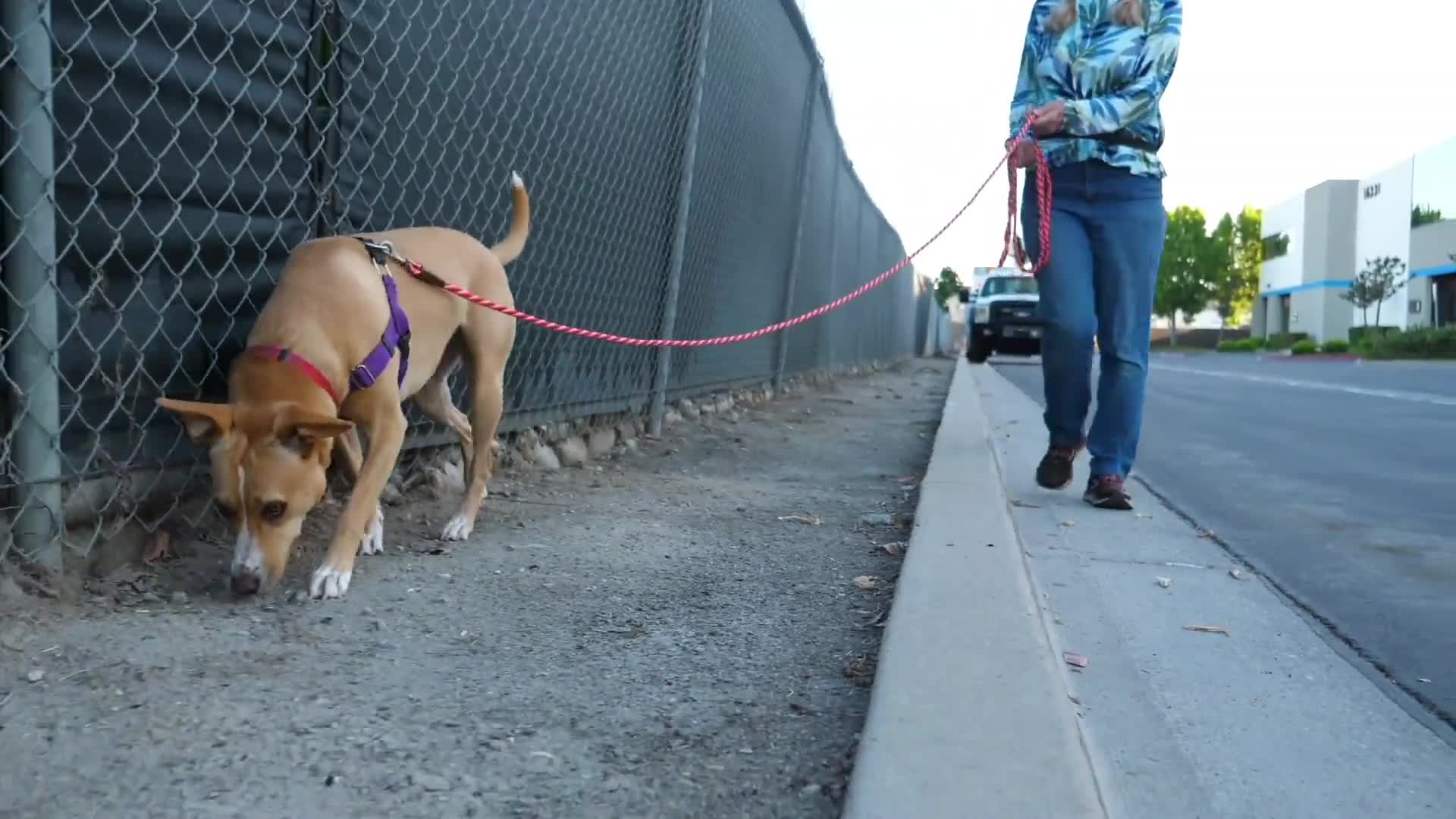
You can use your body language to provide reassurance and influence your dog's behavior positively, especially in situations where they might be concerned about another dog or human.
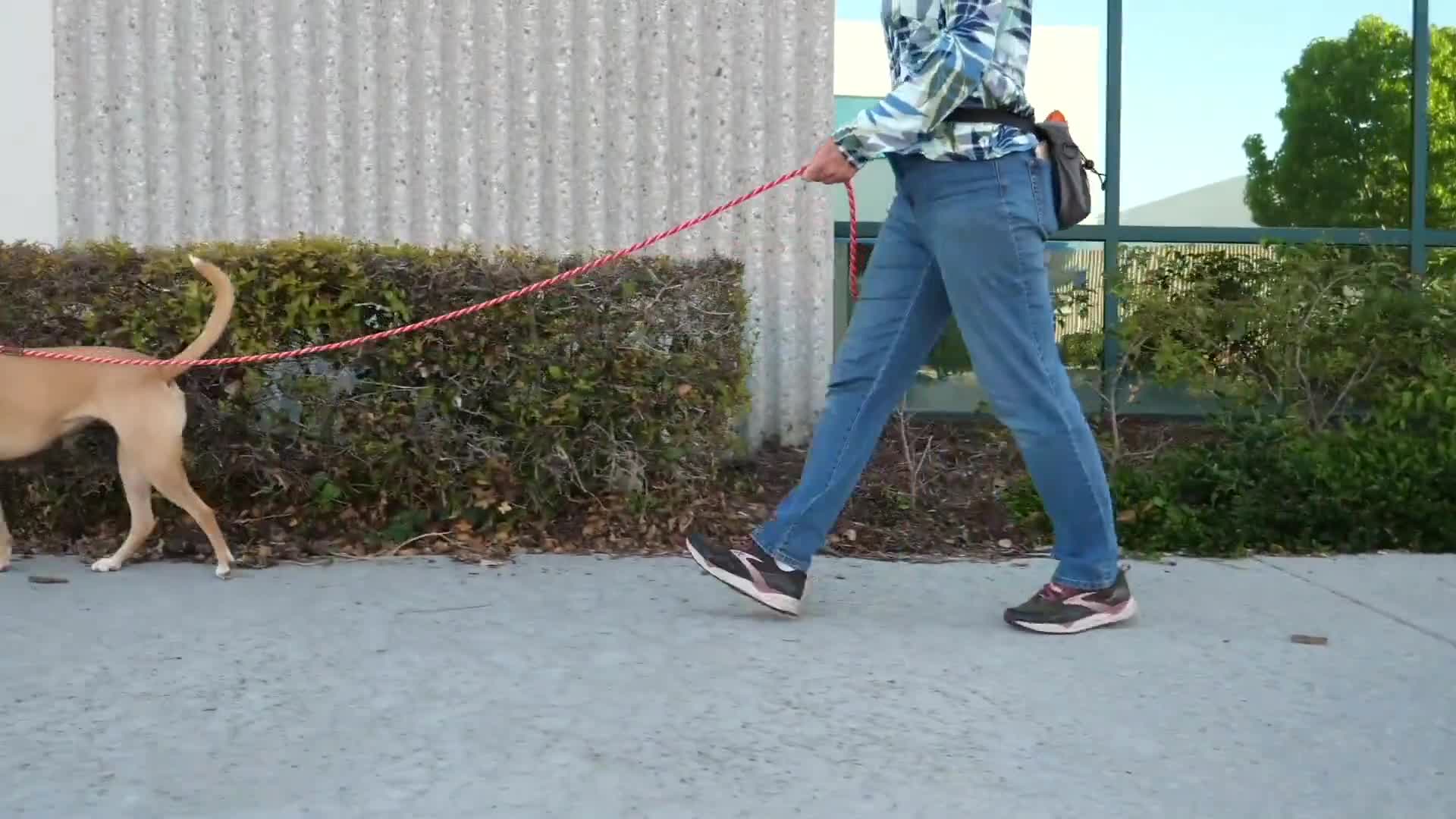
The leash is a subtle yet powerful tool for communicating with your dog.
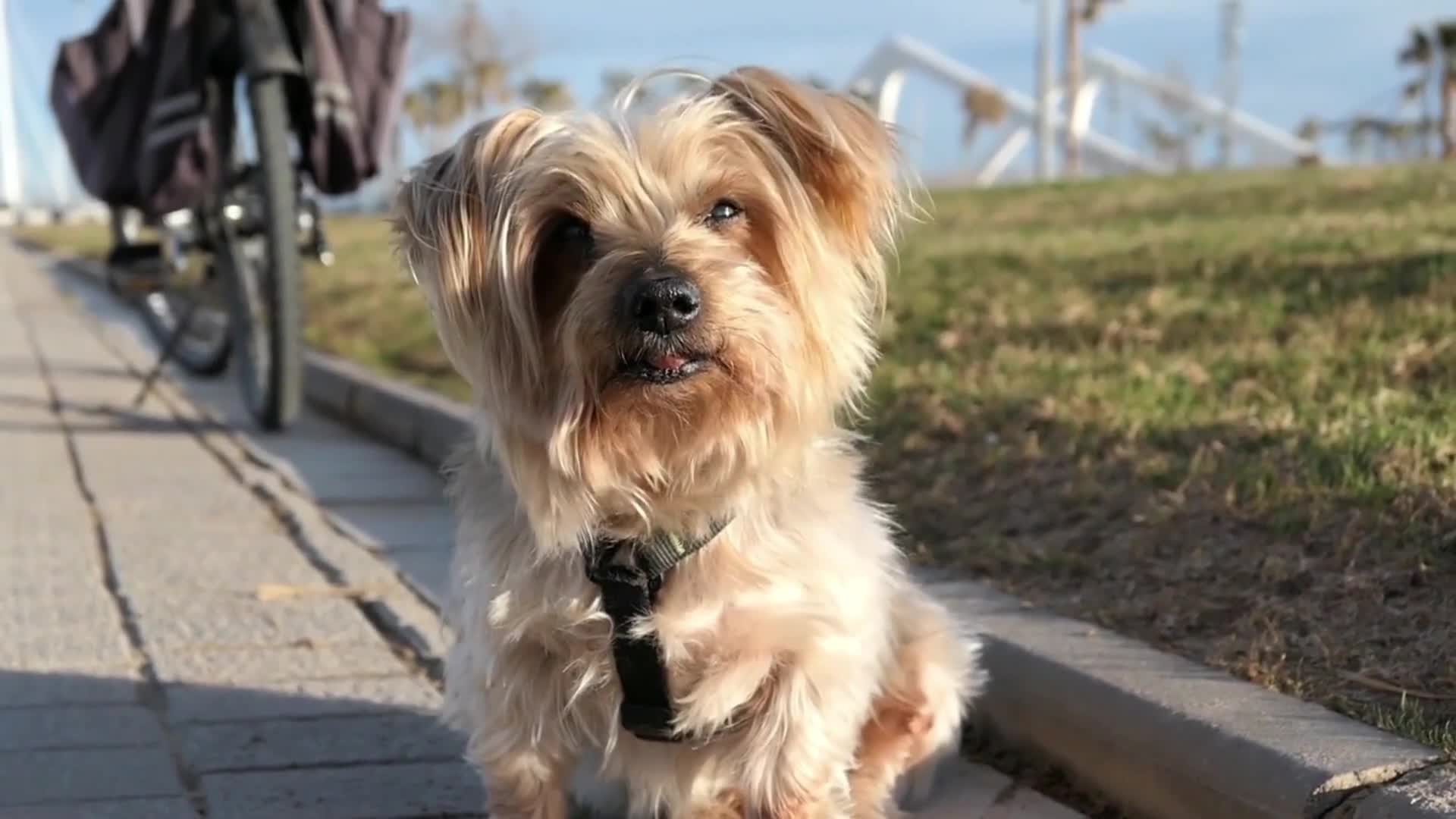
Dogs have incredibly sensitive hearing compared to humans. They can detect higher frequencies and sounds from much farther away.